


Concrete Grinding in Olympia Heights, FL
Level Floors That Last 30+ Years
Hear from Our Customers
Concrete Floor Grinding Contractors
The concrete under your coating determines everything. If it’s uneven, cracked, or improperly prepped, even the best epoxy or polish will fail early. You’ll see bubbling, peeling, or premature wear within months instead of years.
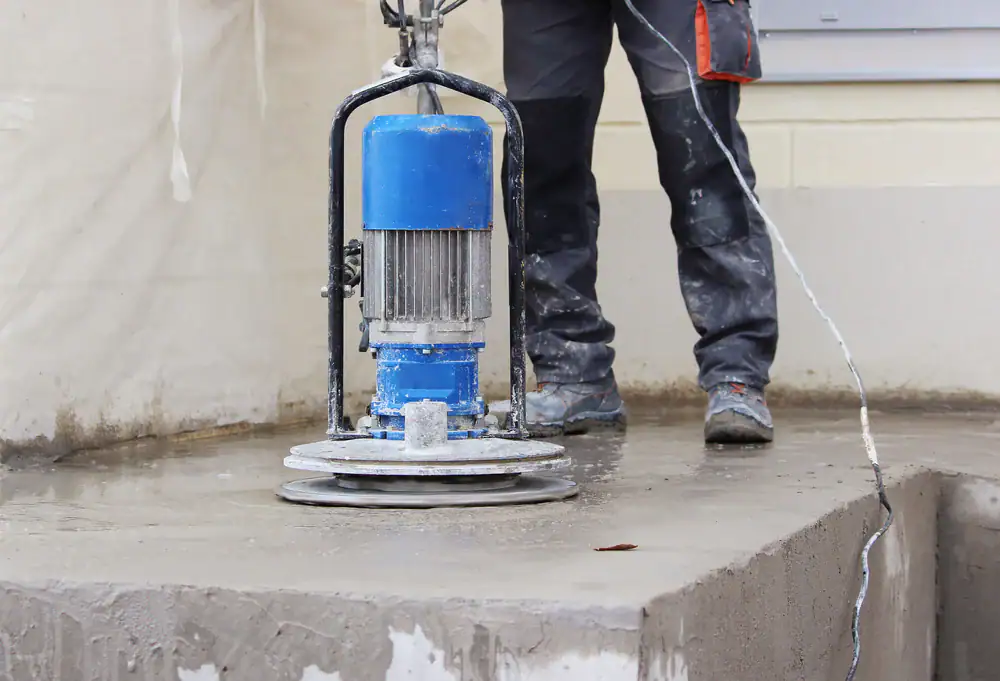
Concrete grinding removes old coatings, levels out imperfections, and creates the clean, stable surface your floor needs to perform. It’s not just about making things smooth. It’s about eliminating the variables that cause expensive failures down the road.
When the prep work is done right, your polished concrete or epoxy system can last 30 years or more in South Florida’s heat and humidity. That’s the difference between a floor that works and one that doesn’t. You get a surface that resists cracking, holds coatings properly, and stays safe underfoot even when wet.
Polished Concrete Contractors Olympia Heights
We’ve been serving Olympia Heights and the greater South Florida market since 2020. We’re a veteran-owned company that’s worked with the Coast Guard, U.S. Army, City of Doral, City of Sunny Isles, and county facilities across the region. That’s not something you earn by cutting corners.
We specialize in concrete grinding, polished concrete, epoxy flooring, and resurfacing for both commercial and residential clients. We don’t install tile or wood flooring because we focus on what we do best: concrete and resin systems that hold up under real-world conditions.
Olympia Heights properties deal with high humidity, temperature swings, and heavy use. We use densifiers and sealers designed specifically for Florida’s climate, and we work with trusted suppliers like Sherwin Williams, Fosroc, and Laticrete. You’re not getting experimental products or rushed timelines. You’re getting floors built to last.
Concrete Grinding Services Olympia Heights
First, we assess your concrete. We’re looking at the condition of the slab, any existing coatings, cracks, or surface damage. This tells us which grinding method to use: diamond grinding for precision leveling, shot-blasting for aggressive coating removal, or scarifying for deeper surface prep.
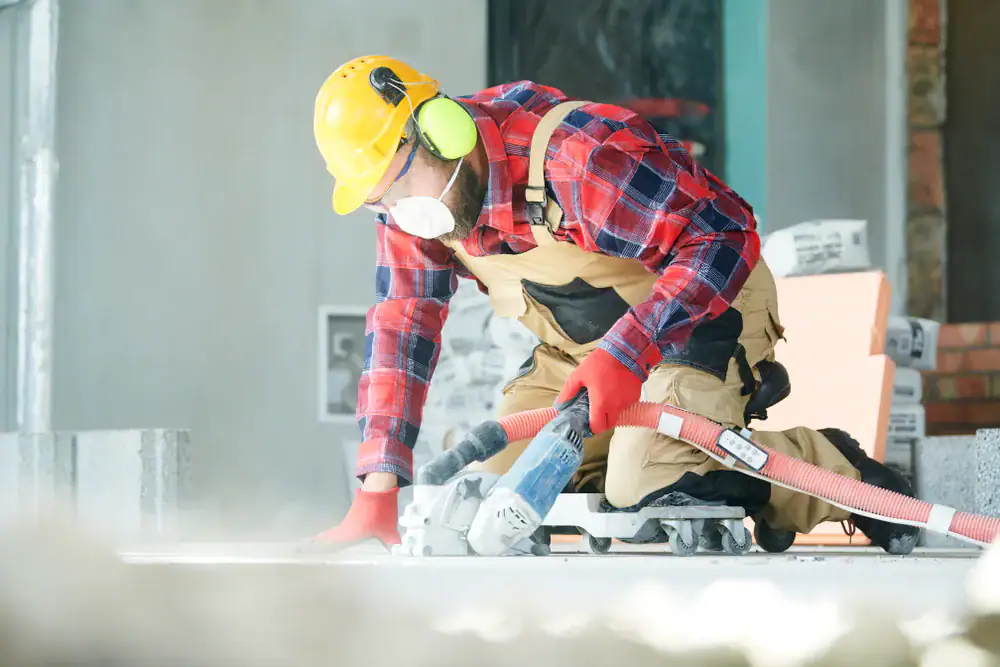
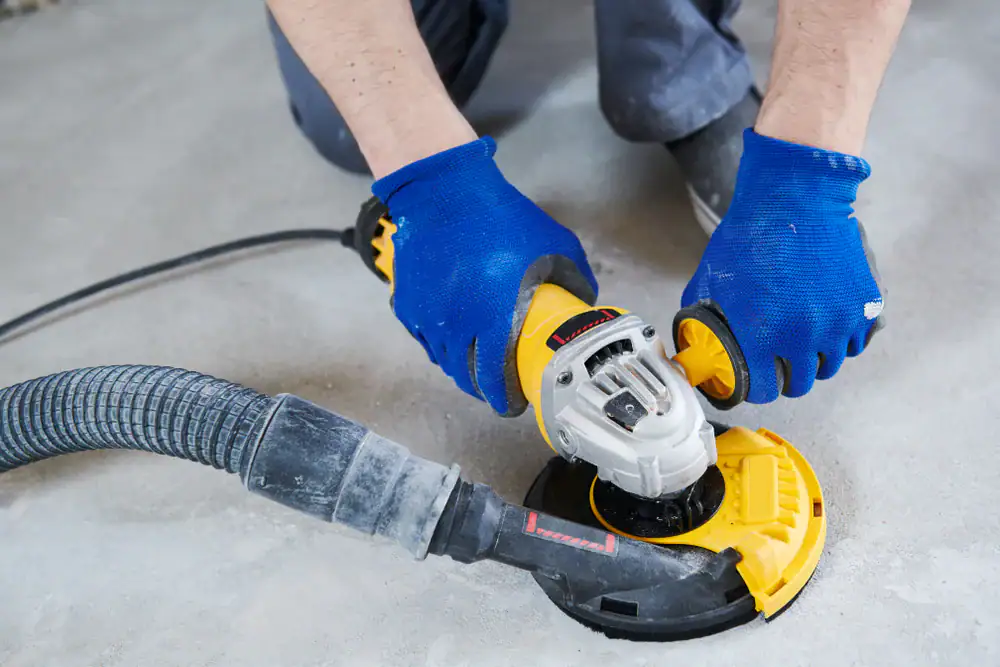
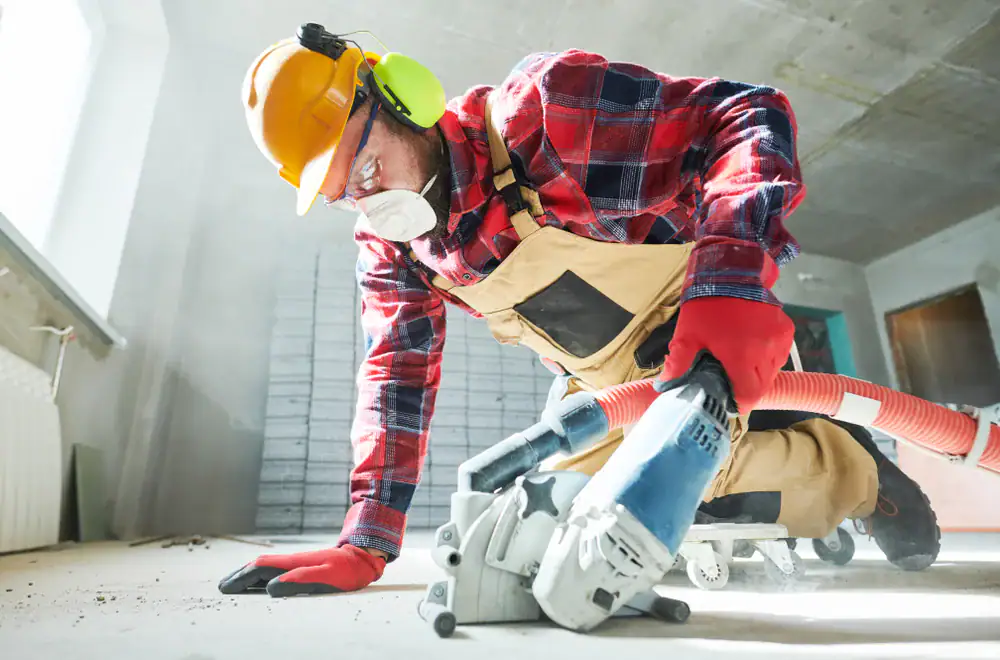
Next, we grind the concrete using diamond-embedded tools and dustless equipment. Our vacuums and HEPA filters capture airborne particles so you’re not dealing with a job site covered in dust. We remove old coatings, smooth out high spots, open up the pores of the concrete, and create a level foundation. This step determines how well your floor performs for the next three decades.
After grinding, we repair any cracks or imperfections in the slab. Then, depending on your project, we either move into polishing, apply a densifier and sealer, or prep for an epoxy or coating system. The timeline depends on the size and scope, but we’ve turned around residential kitchen floors in 24 to 48 hours when needed. You’ll know the plan before we start, and we’ll keep you updated as we go.
Ready to get started?
Cement Grinding and Concrete Restoration Services
You get full surface preparation, not just a pass with a grinder. That includes shot-blasting, diamond grinding, or scarifying depending on what your concrete needs. We handle crack repair, leveling, and moisture mitigation before any coating or polish goes down.
We use dustless grinding technology on every job. That means high-performance vacuums and shrouds that capture dust at the source so your space stays cleaner and safer during the work. If you’re keeping a facility operational or living in the home, that matters.
In Olympia Heights, we see a lot of scaling, spalling, and surface deterioration from Florida’s climate. Concrete that wasn’t sealed properly or was ground too many times starts flaking and breaking apart. We address that during the prep phase so it doesn’t come back to haunt you. Our grinding creates the right profile for coatings to bond or for polishing to bring out a clean, slip-resistant finish.
You also get transparent pricing and a one-on-one consultation before we start. We’re not middlemen. We work directly with property owners, facility managers, and homeowners. If it’s an emergency or a fast turnaround project, we’ll tell you what’s realistic. If you need a floor that meets ADA slip resistance or specific safety standards, we’ll make sure the grind profile and finish deliver that.
How much dust does concrete grinding create, and can it be controlled?
Concrete grinding produces a significant amount of silica dust if it’s not controlled. That dust is a respiratory hazard and can coat everything in your space if the contractor isn’t using proper equipment.
We use dustless grinding systems on every project. Our grinders are equipped with shrouds and connected to high-performance vacuums with HEPA filters that capture dust at the source. You’ll still see some fine particles in the air, but it’s a fraction of what you’d get with standard grinding. The difference is noticeable immediately.
This matters for two reasons. First, it keeps your property cleaner and safer during the job. Second, it protects everyone on site from inhaling harmful dust. If you’re keeping a business open or staying in your home during the work, dustless grinding makes the process far more manageable.
What’s the difference between grinding and just resurfacing my concrete?
Resurfacing adds a new layer on top of your existing concrete. Grinding removes material from the surface to level it, clean it, or prepare it for a coating. They serve different purposes, and sometimes you need both.
If your concrete has an old coating, uneven spots, or surface damage, grinding is the first step. It strips away what’s failing and creates a clean, level foundation. Resurfacing comes after if you want to add a decorative overlay, repair deep damage, or build up the surface before polishing or coating.
Grinding is also necessary if your concrete has been resurfaced multiple times and the layers are starting to delaminate. In South Florida, we see this often: concrete that’s been patched or overlaid repeatedly without proper prep, and now it’s crumbling. Grinding gets you back to a stable base so the next system actually lasts. If you skip this step and just resurface again, you’re putting new material on top of a weak foundation, and it’ll fail faster than the last one.
How long does concrete grinding take, and can I use the space right after?
The timeline depends on the size of the area, the condition of the concrete, and what you’re doing after the grinding. A small residential floor might take a day. A large commercial space with heavy coatings or significant damage could take several days.
For a typical residential kitchen or garage, we can often complete the grinding in 24 to 48 hours if it’s a straightforward prep job. After grinding, if we’re applying a sealer or moving into polishing, you’ll need to stay off the floor until that’s cured. Sealers can take anywhere from a few hours to overnight depending on the product. Epoxy coatings need longer, usually 24 to 72 hours before full use.
We’ll give you a realistic timeline during the consultation. If you need the space operational quickly, we’ll plan the work in phases or schedule it during off-hours. The key is not rushing the cure time. A floor that’s put back into service too early won’t perform the way it should, and you’ll end up with premature wear or coating failure.
Will grinding fix cracks and trip hazards in my concrete?
Grinding levels the surface, but it doesn’t repair structural issues or fill cracks. If you have a trip hazard from uneven slabs, grinding can smooth out the transition and reduce the height difference. But if the concrete is cracked or broken, you’ll need crack repair or slab leveling before or after grinding.
Trip hazards are a liability issue, especially for commercial properties, HOAs, and rental owners in Olympia Heights. Grinding down a raised edge can eliminate the immediate danger, but if the underlying problem is soil settlement or a failing slab, the issue will come back. We assess that during the initial inspection and let you know if grinding alone will solve it or if you need additional work.
For cracks, we fill and seal them as part of the prep process. Grinding opens up the crack slightly, we clean it out, then fill it with an appropriate repair material. This prevents the crack from spreading and keeps moisture from getting underneath your coating or polish. Florida’s humidity makes this step critical. If moisture gets trapped under a coating, it’ll cause bubbling and delamination within months.
Can you grind concrete that’s already been ground or polished before?
Yes, but there’s a limit to how many times concrete can be ground before it starts to fail. Each time you grind, you’re removing material. If the slab has been ground multiple times, you might be getting close to the rebar or aggregate, and the structural integrity starts to suffer.
We see this often in South Florida: sidewalks and floors that have been ground repeatedly to address trip hazards or surface issues. Eventually, the concrete becomes thin, brittle, and prone to breaking apart. If that’s the case, grinding again might not be the right solution. You might need a full replacement or a resurfacing system that adds material back instead of removing more.
During our assessment, we measure the slab thickness and check for previous grinding. If there’s enough material left and the concrete is still sound, we can grind it again safely. If it’s too thin or already compromised, we’ll recommend an alternative that actually lasts instead of creating a bigger problem six months from now.
What’s the cost difference between grinding and replacing the concrete?
Concrete grinding costs a fraction of what full replacement does. Replacement means demolition, hauling away debris, pouring new concrete, and waiting for it to cure before you can use the space again. That’s expensive, disruptive, and time-consuming.
Grinding is a cost-effective alternative when your concrete is structurally sound but the surface is damaged, uneven, or coated with a failing system. You’re keeping the existing slab and just correcting the surface issues. For most commercial and residential projects in Olympia Heights, grinding and refinishing costs significantly less than tearing everything out and starting over.
The cost depends on the square footage, the condition of the concrete, and what you’re doing after the grinding. A basic grind and seal will cost less than grinding followed by a high-build epoxy system or a full polished concrete finish. We give you transparent pricing during the consultation so you know exactly what you’re paying for and why. If replacement actually makes more sense for your situation, we’ll tell you that too. Our goal is to give you a floor that lasts, not to sell you a service you don’t need.
Other Services we provide in Olympia Heights
Leave a Reply