


Concrete Grinding in Palm Beach Gardens, FL
Level, Smooth Concrete That Actually Lasts
Hear from Our Customers
Professional Concrete Grinding Contractors
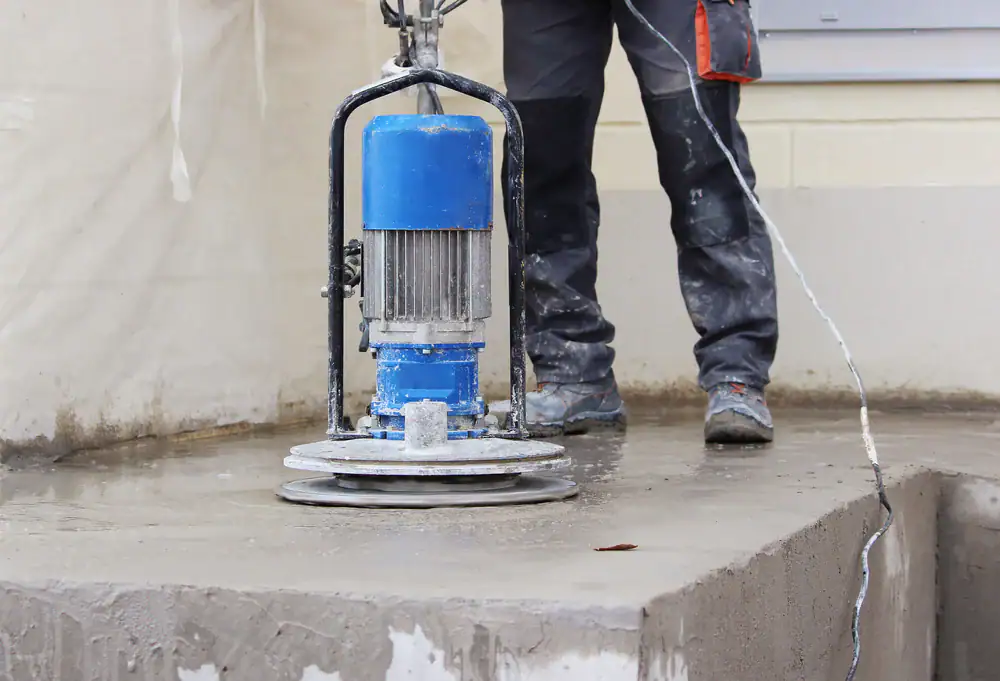
Concrete grinding fixes what’s already there. Uneven slabs create trip hazards and make your space look worn down. Pits and rough patches prevent coatings from bonding properly, which means you’re reapplying sooner than you should.
When the surface is ground correctly, you get a flat, clean profile that’s ready for whatever comes next—epoxy, sealer, polish, or just a smooth finish that doesn’t collect dirt in every crack. The floor reflects light better, which makes the space feel cleaner and cuts down on how much artificial lighting you need during the day.
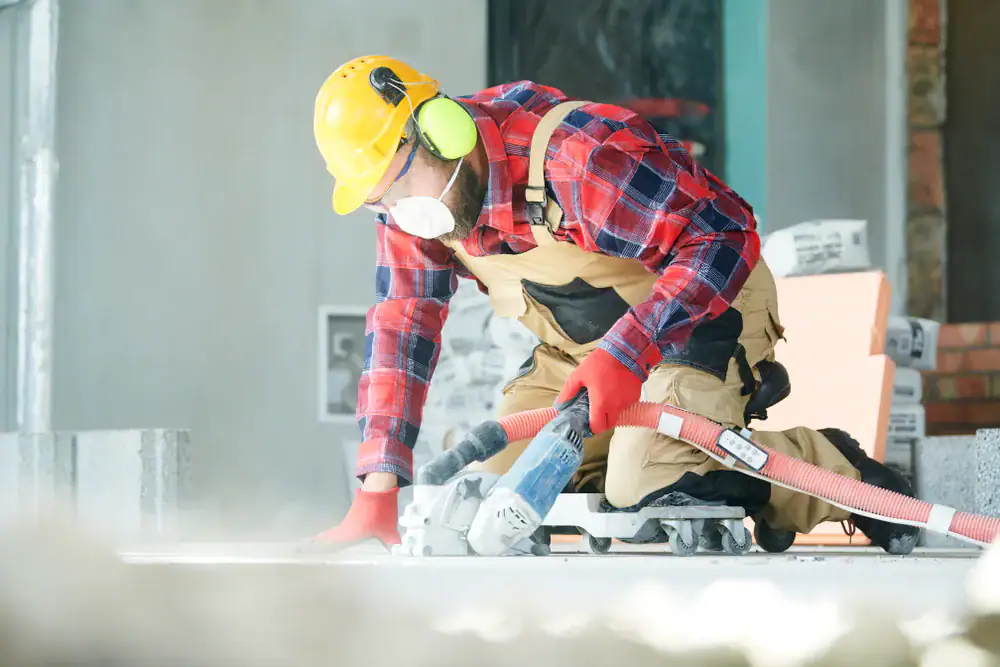
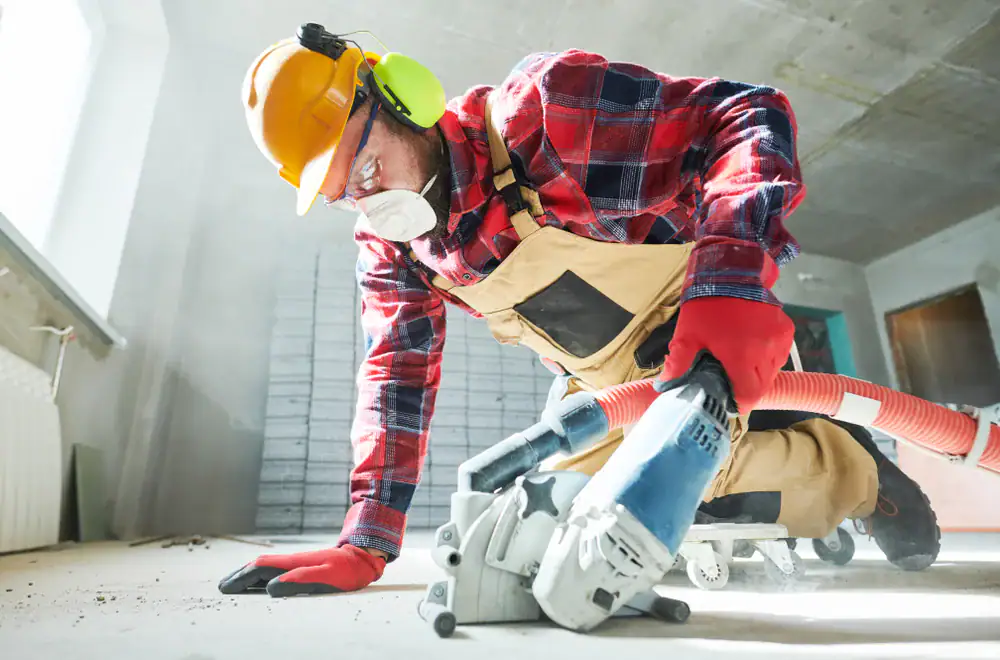
You also eliminate the dust problem. Standard concrete grinding kicks up clouds of silica dust that coat everything and create real respiratory risks for anyone in the building. Dustless diamond grinding contains it at the source, so your facility stays operational and your team stays safe. That matters in food production, medical spaces, schools, and anywhere air quality can’t be compromised.
Concrete Restoration Services Palm Beach Gardens
We’ve been serving Palm Beach Gardens and South Florida since 2020, working directly with property owners who need concrete work done right the first time. We’ve handled projects for the U.S. Military, Coast Guard facilities, the City of Doral, Sunny Isles, and county schools—places where shortcuts don’t fly and the work has to hold up under serious use.
We don’t subcontract. Every grind, every prep, every finish is done by our full-time crew using equipment we maintain ourselves. You’re not getting a different team every time or dealing with finger-pointing when something needs adjustment.
Palm Beach Gardens sits in one of the fastest-growing construction markets in Florida, which means there’s no shortage of concrete contractors. What’s harder to find is a team that shows up when they say they will, grinds to the profile you actually need, and doesn’t leave your space looking like a dust storm hit it.
Concrete Grinding Process and Methods
We start with a walkthrough of your space. You show us what’s uneven, where coatings failed, or where the surface just doesn’t work anymore. We measure the area, check for major cracks or structural issues, and talk through what profile depth you need based on what’s going on top—whether that’s epoxy, a sealer, or polished concrete.
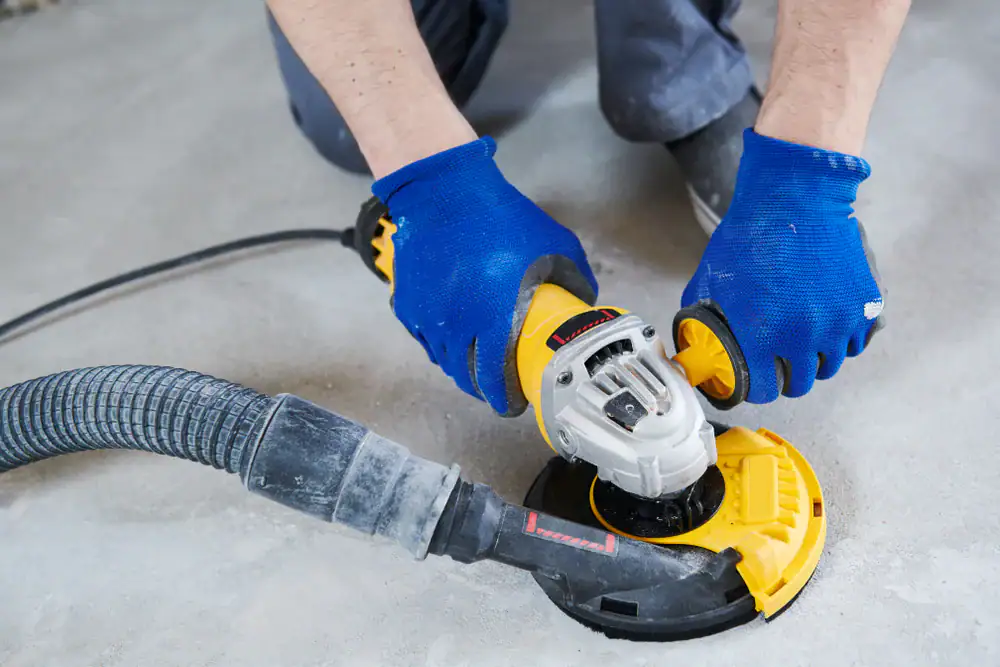
Once we’re clear on scope, we bring in diamond grinding equipment calibrated for your specific concrete hardness and the finish you’re after. The grind removes old coatings, levels out high spots, and opens up the pores in the concrete so the next layer actually bonds. If you’re in a facility that can’t shut down, we use dustless systems with HEPA filtration that capture 99% of airborne particles right at the tool.
After grinding, we clean the surface completely—no residue, no dust film. If you’re moving to polishing, we go through progressive grits until the concrete is smooth and reflective. If you’re applying a coating, we make sure the profile matches manufacturer specs so you’re not voiding warranties or dealing with delamination six months later. Then we’re out, and you’ve got a floor that’s ready to work.
Ready to get started?
Concrete Floor Grinding Contractors Near Me
You get full surface preparation, which means we’re not just running a grinder over the top and calling it done. We shot-blast or scarify where needed to remove stubborn coatings or adhesives. We repair cracks and divots before grinding so the finished surface is actually level, not just smooth over problems that’ll reappear in a few months.
In Palm Beach Gardens, humidity and temperature swings put extra stress on concrete floors, especially in warehouses and commercial kitchens where moisture is constant. We account for that during prep, making sure the concrete is dry enough for coatings and that any existing sealers that could trap moisture are fully removed.
You also get dustless operation as standard, not an upcharge. Our equipment connects to industrial vacuums with HEPA filters, so you’re not dealing with cleanup for days after we leave. If you’re in a food facility, pharmaceutical space, or anywhere with air quality standards, that’s not optional—it’s the only way to do the job without contaminating your operation.
We work with Sherwin-Williams and Fosroc products exclusively, which means you’re getting coatings and sealers that are backed by the best warranties in the industry. We follow manufacturer training to the letter, so when they say a product will last 10 years under heavy traffic, it actually does.
How long does concrete grinding take for a typical commercial space?
It depends on square footage, how damaged the surface is, and what you’re prepping for. A 5,000-square-foot warehouse floor with moderate wear usually takes two to three days—one day for grinding, one for cleanup and inspection, and another if we’re moving into polishing or coating application.
If the concrete has heavy coatings or multiple layers of old epoxy, add time for removal. Some coatings come up easily with diamond grinding; others need shot-blasting or chemical stripping first, which extends the timeline. We’ll tell you upfront during the walkthrough so you can plan around downtime.
For spaces that can’t close, we can work in sections or off-hours. We’ve done 24-hour turnarounds for commercial kitchens in Palm Beach Gardens that needed floors ground and recoated between Friday close and Monday open. It’s not ideal for every project, but it’s possible when the schedule demands it.
What’s the difference between concrete grinding and polishing?
Grinding is the prep work—it removes coatings, levels the surface, and opens up the concrete so whatever you apply next actually sticks. Polishing is the finish work that takes raw concrete and turns it into a smooth, reflective surface that doesn’t need additional coatings.
If you’re applying epoxy or a sealer, you stop after grinding. The goal is to create the right texture (called a profile) so the coating can bond into the concrete pores. Too smooth and it won’t stick. Too rough and you’ll see the texture through the coating.
If you want polished concrete, grinding is the first step, but then we keep going with finer and finer diamond grits—sometimes up to eight passes—until the surface is glass-smooth and reflects light like a mirror. Polished concrete is popular in Palm Beach Gardens retail spaces and showrooms because it’s low-maintenance, doesn’t need waxing, and holds up under foot traffic without showing wear patterns the way vinyl or tile does.
Can you grind concrete that already has epoxy or coatings on it?
Yes, and that’s one of the most common reasons people call us. Old epoxy fails—it bubbles, peels, or just wears through in high-traffic lanes. You can’t put new epoxy over failing epoxy. It has to come off completely, and grinding is the most reliable way to do that without damaging the concrete underneath.
We use diamond tooling that cuts through the coating and into the top layer of concrete, which gives you a clean surface and the profile depth you need for the new system. Some coatings are harder to remove than others—polyurethane and polyaspartic systems are tougher than water-based epoxy—but the equipment handles it.
Once the old coating is off, we inspect for cracks or spalling that might’ve been hidden. We repair those, then grind the entire surface to a uniform profile so the new coating goes down evenly. Skipping that step is why you see so many floors where the new epoxy only lasts a year before it starts lifting again.
Is concrete grinding going to create a huge dust problem in my facility?
Not if it’s done right. Standard grinding creates massive amounts of silica dust that gets into HVAC systems, coats inventory, and creates respiratory hazards for anyone nearby. That’s why we only use dustless grinding systems that capture dust at the source with HEPA filtration.
The grinder connects directly to an industrial vacuum that pulls dust into a sealed container before it ever becomes airborne. You’ll see some fine residue immediately around the work area, but nothing like the clouds you get with traditional methods. We’ve ground concrete in active food production facilities and medical offices where air quality is monitored—it works.
In Palm Beach Gardens, where humidity is high, dust also turns into a sticky film that’s harder to clean up. Dustless systems eliminate that problem entirely. When we’re done, you’re looking at a standard cleaning process, not a multi-day decontamination project. If you’ve got sensitive equipment, inventory, or operations that can’t shut down, dustless grinding isn’t optional—it’s the only way to do the job without causing bigger problems than you started with.
How do I know if my concrete needs grinding or if it needs to be replaced?
If the concrete is structurally sound—no major cracking, no sinking or heaving, no crumbling edges—it can almost always be ground and restored instead of replaced. Surface damage like pitting, spalling, uneven wear, or failed coatings are all fixable with the right grinding and resurfacing process.
Replacement only makes sense if the slab itself is failing. That means deep cracks that go all the way through, sections that have settled unevenly and created trip hazards that can’t be leveled, or concrete that’s so deteriorated it’s breaking apart when you walk on it. Even then, sometimes you can cut out and replace the bad sections and grind the rest to match.
We’ll tell you honestly during the walkthrough. If grinding and resurfacing will get you another 10 to 15 years, that’s a fraction of the cost of tearing out and pouring new concrete—especially in a commercial space where you’re dealing with downtime, dumpsters, and curing time before the floor is usable again. Palm Beach Gardens has plenty of 20- and 30-year-old slabs that just need proper prep and a modern coating system to look and perform like new.
Do you only work on large commercial projects or can you handle residential concrete grinding?
We handle both, and we actually prefer working directly with property owners whether that’s a homeowner with a garage floor or a facility manager with a 50,000-square-foot warehouse. The process is the same—grind the surface to the right profile, prep it correctly, and apply finishes that are spec’d for the use and environment.
Residential projects in Palm Beach Gardens are usually garage floors, patios, or basement slabs where the concrete has staining, cracks, or old coatings that need to come off before applying epoxy or a decorative finish. Those jobs are smaller in square footage but they require the same attention to detail. A homeowner is looking at that floor every day, so it needs to be done right.
We’ve also done residential driveways and pool decks where the concrete was pitted or had an old sealer that was trapping moisture and causing the surface to flake. Grinding removes the damaged layer and lets you start fresh with a breathable sealer that actually protects the concrete instead of sitting on top and peeling off every two years. If you’re in Palm Beach Gardens and you’ve got concrete that looks bad or isn’t performing, we’ll come take a look and tell you what’s fixable.
Other Services we provide in Palm Beach Gardens
Leave a Reply