


Concrete Grinding in Plantation, FL
Smooth Surfaces That Actually Hold Up
Hear from Our Customers
Concrete Floor Grinding Contractors Plantation
You’re not grinding concrete just to grind it. You’re fixing trip hazards that could cost you a lawsuit. You’re creating a profile that lets epoxy or sealer actually bond instead of peeling off in six months. You’re eliminating the weak spots and surface damage that come from Florida’s humidity, salt air, and constant temperature swings.
Proper concrete grinding removes old coatings, levels uneven slabs, and opens up the surface so whatever you’re applying next has something to grab onto. That means your investment in epoxy flooring, polished concrete, or protective coatings doesn’t fail prematurely because someone skipped the prep work.
The difference between a floor that lasts two years and one that lasts twenty often comes down to what happened before the coating ever touched the surface. If the concrete isn’t properly ground and profiled, nothing else matters. You’ll be calling someone back to redo it, and you’ll be paying twice.
Concrete Grinding Services Plantation FL
We’ve been serving Plantation and the greater South Florida market since 2020. We’ve handled concrete surface preparation for the U.S. Coast Guard, Army installations, the City of Doral, the City of Sunny Isles, and multiple county schools. That’s not the kind of work you get if you cut corners.
We don’t use subcontractors. Every grinder, every vacuum, every person on your site is a full-time SPF Industrial employee. We work directly with property owners and facility managers who want transparent pricing, clear communication, and a team that shows up when they say they will.
Plantation’s mix of commercial properties, municipal facilities, and residential spaces means we see everything from warehouse floors that need full restoration to garage slabs that just need leveling before epoxy goes down. We handle both, and we handle them the same way: dustless equipment, proper profiling, and a process that doesn’t leave you dealing with a mess after we’re gone.
Professional Concrete Grinding Process Plantation
First, we assess the surface. That means checking for existing coatings, cracks, spalling, or uneven areas that need attention. We’re looking at what needs to be removed, what needs to be leveled, and what kind of profile your next coating or finish requires.
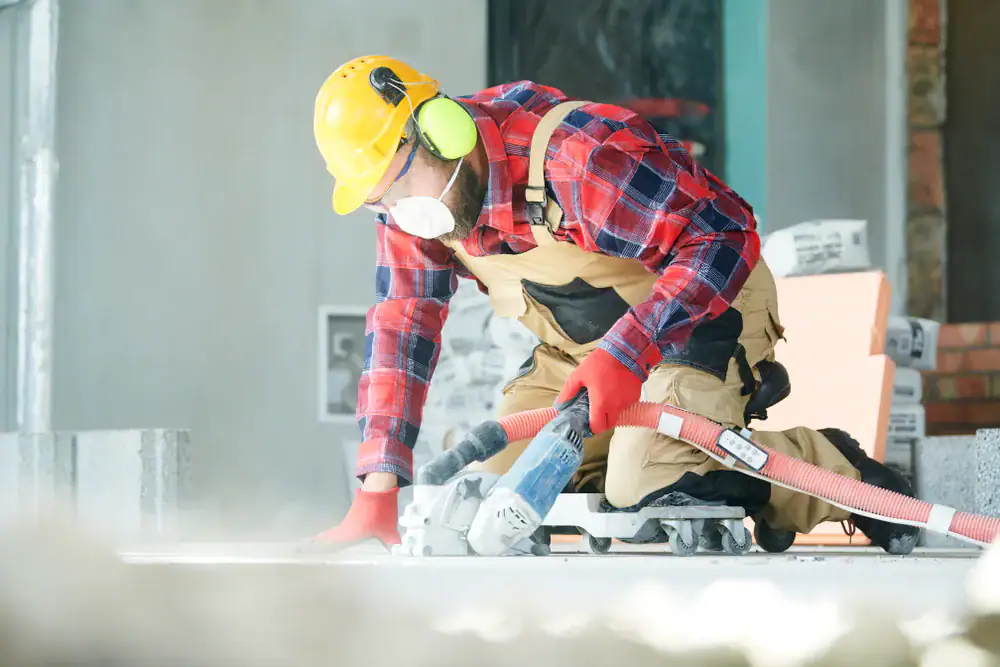
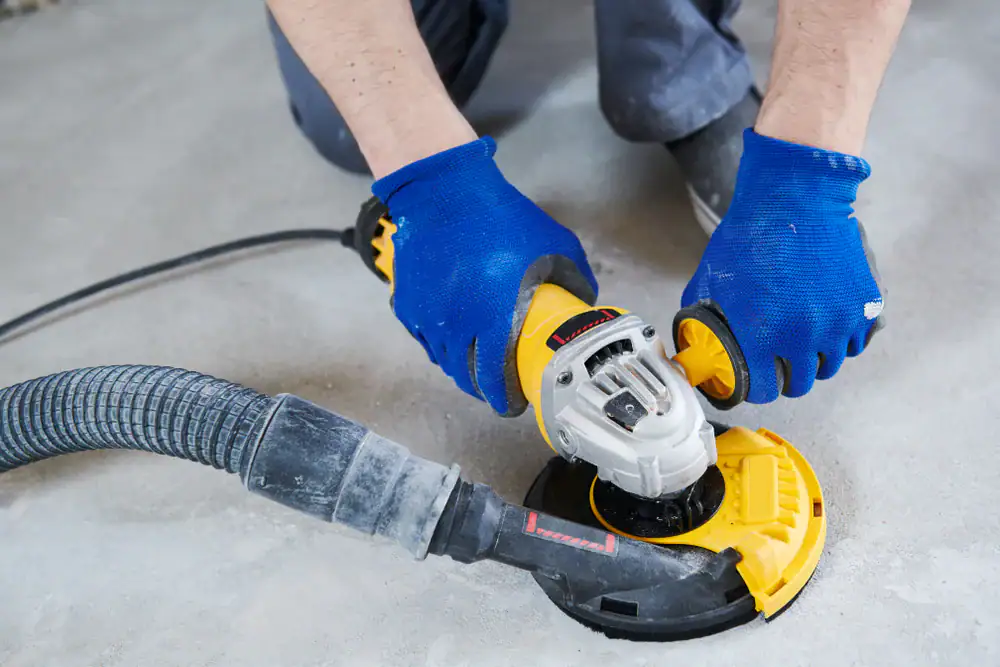
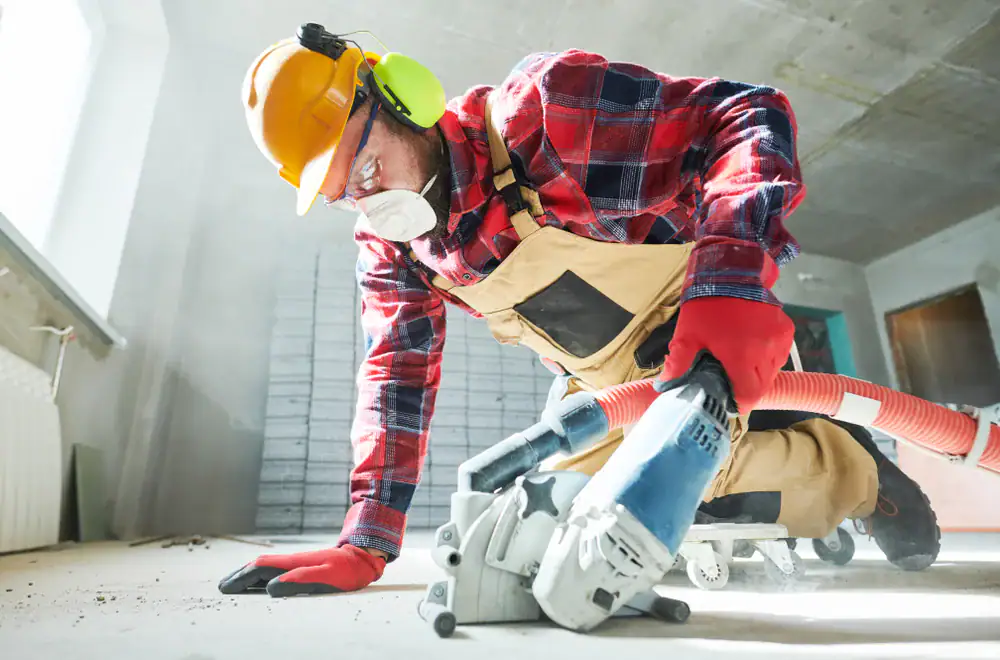
Then we grind. We use diamond grinding equipment paired with industrial vacuums and HEPA filtration, which means the dust you’d normally expect from concrete work doesn’t happen. This matters in food facilities, medical spaces, or anywhere you can’t shut down operations for a week to clean up silica dust. The grinding itself corrects surface irregularities, removes old materials, and creates the texture needed for proper adhesion.
After grinding, we handle repairs. If there are cracks, divots, or weak spots, we fill and level them so the surface is uniform. Then we clean everything thoroughly, because any dust or debris left behind will compromise whatever coating or sealer comes next.
Finally, we confirm the profile. Depending on what you’re applying afterward—whether it’s epoxy, polyurethane, or a polished finish—the concrete needs a specific texture. We make sure it’s right before we leave, so the next phase of your project doesn’t run into problems because the prep wasn’t done correctly.
Ready to get started?
Concrete Restoration Services Plantation FL
You get dustless grinding using industrial vacuums that capture 99% of airborne particles. That’s critical in South Florida, where humidity already makes dust control harder, and where indoor air quality matters for commercial and residential spaces alike.
You get surface leveling that eliminates trip hazards and creates a uniform plane for coatings. Plantation’s older commercial properties and municipal sidewalks often have uneven concrete from settling or poor initial pours. Grinding fixes that without the cost and downtime of full replacement.
You get coating removal when old epoxy, paint, or sealers need to come off. Florida’s heat and moisture cause coatings to fail faster than in other climates, and trying to apply new material over old, failing coatings is a waste of money. We strip it down to clean concrete so the new application actually works.
You also get concrete repair integrated into the process. Minor cracks, spalling from salt exposure, and pitting from age all get addressed during grinding, not after. That means one mobilization, one timeline, and a finished surface that’s ready for whatever comes next—whether that’s polished concrete, epoxy flooring, or an industrial coating system.
How much does concrete grinding cost in Plantation, FL?
Concrete grinding costs in Plantation typically range from $2 to $6 per square foot, depending on the condition of your surface, how much material needs to be removed, and what profile you need for your next coating. If you’re just doing light surface prep for a sealer, you’re on the lower end. If we’re removing thick epoxy, leveling major uneven areas, or dealing with heavily damaged concrete, costs go up.
The real cost question isn’t the per-square-foot number. It’s whether the grinding is done right so your coating doesn’t fail. Cheap grinding that leaves dust, doesn’t create proper profile, or misses repairs will cost you more in the long run when you’re paying to redo the entire floor. We give transparent pricing upfront after assessing your specific surface, so you know what you’re paying for and why.
For commercial facilities in Plantation, especially those near the coast or in high-humidity areas, we also factor in the condition impact from Florida’s climate. Salt air, moisture intrusion, and temperature cycling all affect how much prep work your concrete actually needs.
Is concrete grinding really dustless, or is that just marketing?
Dustless concrete grinding isn’t zero dust—it’s controlled dust. We use industrial grinders with shrouds connected to high-performance vacuums and HEPA filters that capture the vast majority of airborne silica particles as they’re created. What you don’t get is a cloud of dust settling over everything in the building or drifting into adjacent spaces.
This matters in Plantation for a few reasons. If you’re grinding concrete in a commercial kitchen, medical facility, or any space that can’t have contamination, traditional grinding methods aren’t even legal in some cases. Dustless systems let you prep floors without shutting down operations for days or risking health code violations.
For residential projects, it means you’re not dealing with dust infiltrating your HVAC system or coating everything in your home. Florida’s humidity makes dust stick to surfaces and creates more cleanup work if it’s not controlled at the source. Our equipment handles that upfront, so you’re not spending days cleaning after we’re done. It’s not marketing—it’s a different process that uses better equipment, and yes, it costs slightly more, but the alternative is a mess you’ll regret.
Can you grind concrete that already has epoxy or coating on it?
Yes, and that’s one of the most common reasons people call us. Old epoxy, paint, sealers, and even tile adhesive all need to come off before you can apply new coatings. Grinding removes those materials down to bare concrete, which is the only way to ensure proper adhesion for whatever you’re putting down next.
In Plantation and across South Florida, we see a lot of failed coatings because of heat, moisture, and UV exposure. When epoxy starts peeling or bubbling, you can’t just coat over it. You have to remove it completely, assess the concrete underneath, make any necessary repairs, and then start fresh. Grinding handles all of that in one process.
The thickness and type of existing coating affects how long the job takes and what equipment we use. Thin sealers come off quickly. Thick industrial epoxy or multiple layers of old coatings take more passes and more aggressive diamonds. We assess your specific situation and give you a realistic timeline. Trying to shortcut this step is how you end up with new coatings failing within a year, and nobody wants to pay for the same floor twice.
How long does concrete grinding take for a typical project?
A standard two-car garage in Plantation takes about four to six hours for grinding, not including repairs or additional prep. A 5,000-square-foot commercial space might take two to three days, depending on the surface condition and what needs to be removed. Larger warehouse floors or facilities with extensive damage take longer.
The timeline depends on what we’re starting with and what you need as the end result. Light surface prep for a sealer is faster than removing old coatings and leveling a badly damaged slab. If we’re also handling crack repairs, spall correction, or trip hazard mitigation, that adds time but it’s time well spent. Skipping those steps just means problems later.
For commercial clients in Plantation, we coordinate around your operations. If you need us to work nights or weekends to avoid disrupting business, we do that. If you need a rapid turnaround for an emergency repair or time-sensitive project, we’ve completed projects in 24 to 48 hours when necessary. The key is communication upfront so you know what to expect and can plan accordingly. We’re not going to tell you three days and then show up for a week—you get an accurate timeline based on your actual project, not a generic estimate.
What’s the difference between grinding and polishing concrete?
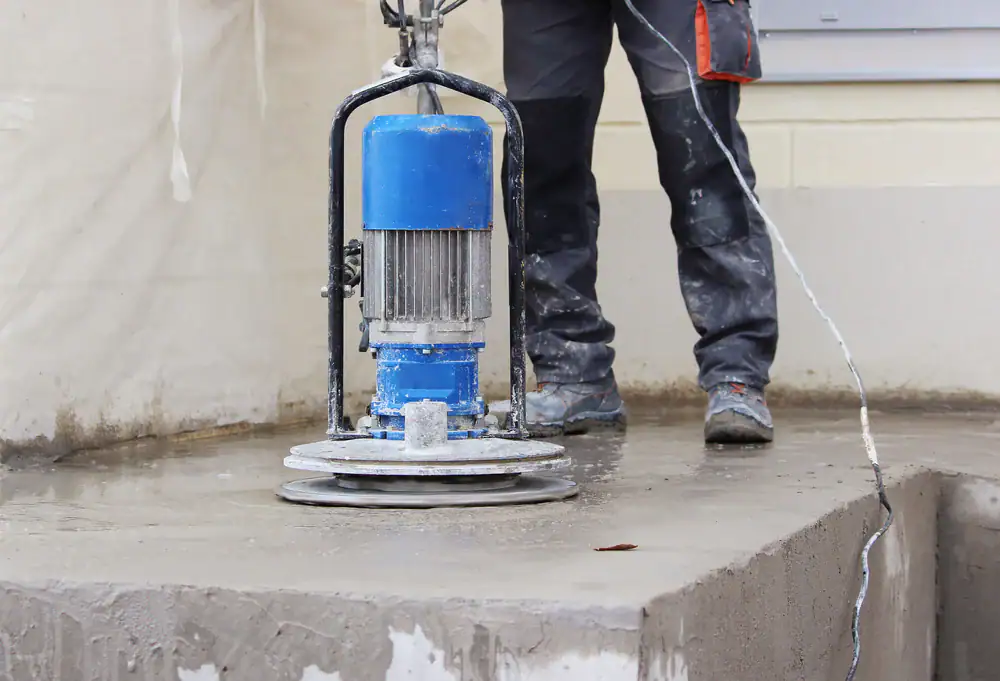
Grinding is surface preparation. Polishing is a finish. Grinding removes material, levels surfaces, and creates texture for coatings to bond. Polishing refines the surface through progressively finer grits to create a smooth, reflective finish that doesn’t need additional coatings.
If you’re planning to install epoxy flooring, you need grinding to create the right profile so the epoxy bonds properly. If you want polished concrete as your final floor, you start with grinding to level and clean the surface, then move through polishing steps with finer and finer diamond pads until you get the sheen level you want—matte, satin, or high-gloss.
In Plantation’s commercial and industrial facilities, we see both applications. Warehouses and manufacturing spaces often want polished concrete because it’s durable, easy to clean, and improves lighting by reflecting more light. Retail spaces, restaurants, and residential garages often want grinding as prep for decorative epoxy or coating systems. The equipment looks similar, but the process and outcome are completely different. Knowing which one you actually need—and which one achieves your goals—is where experience matters. We walk you through that decision based on your space, your budget, and how you actually use the floor.
Does concrete grinding fix cracks and uneven surfaces?
Grinding levels uneven surfaces and removes high spots, but it doesn’t fix cracks by itself. If you have a slab with one section higher than another—common in Plantation due to soil settling or poor initial installation—grinding brings everything to the same plane. That eliminates trip hazards and creates a flat surface for coatings.
Cracks, spalling, and pitting require actual repair. We handle that as part of the grinding process, filling cracks with epoxy or polyurethane compounds and patching damaged areas so the surface is structurally sound and visually uniform. Grinding then smooths those repairs flush with the surrounding concrete.
Florida’s climate accelerates concrete damage. Humidity causes moisture intrusion, which leads to spalling. Salt air near the coast corrodes rebar and creates surface pops. Temperature swings cause expansion and contraction that worsens existing cracks. If you’re grinding concrete in Plantation, you’re almost always dealing with some level of repair work alongside the grinding itself. We assess all of that upfront and include it in the scope so there are no surprises. A properly ground and repaired slab performs better and lasts longer than one where someone just ground the surface and ignored the underlying damage.
Other Services we provide in Plantation
Leave a Reply