


Concrete Grinding in Roosevelt Gardens, FL
Surface Prep That Actually Lasts
Hear from Our Customers
Professional Concrete Floor Grinding Contractors
Most concrete coatings fail because the surface wasn’t prepared correctly. You can have the best epoxy or sealer in the world, but if the concrete underneath isn’t ground, cleaned, and profiled the right way, you’re looking at peeling, bubbling, or complete failure within a year or two.
Proper concrete grinding removes old coatings, smooths out uneven areas, opens up the pores of the concrete, and creates the mechanical bond that makes coatings stick. It’s not the exciting part of the job, but it’s the part that determines whether your floor lasts 2 years or 15.
When the prep work is done right, your concrete becomes a stable, clean canvas. Coatings adhere properly. Moisture stays where it belongs. Trip hazards disappear. And you’re not calling someone back in 18 months wondering why everything’s peeling up.
Concrete Grinding Services in Roosevelt Gardens
We’ve been handling concrete grinding and polished concrete work across South Florida since 2020. We’re veteran-owned, and everything we do happens in-house with our own full-time crew. No subcontractors showing up with questionable skills or cheap equipment.
We’ve worked with the Coast Guard, US Army, City of Doral, City of Sunny Isles, and multiple high schools and county facilities. Those clients don’t hire based on the lowest bid. They hire based on who shows up, does the work right, and doesn’t create problems down the line.
Roosevelt Gardens sits in a dense, working-class area of Broward County where property owners need value, not gimmicks. You’re not looking for the cheapest option that fails in a year. You’re looking for someone who understands Florida’s humidity, knows how to handle moisture issues, and uses commercial-grade equipment that actually profiles concrete correctly.
How Concrete Grinding Works
First, we assess the slab. We’re looking at the condition of the concrete, any existing coatings, cracks, moisture issues, and what the end goal is. A floor getting polished needs different prep than a floor getting epoxy. We test for moisture if needed, especially in Florida where humidity loves to ruin coatings from underneath.
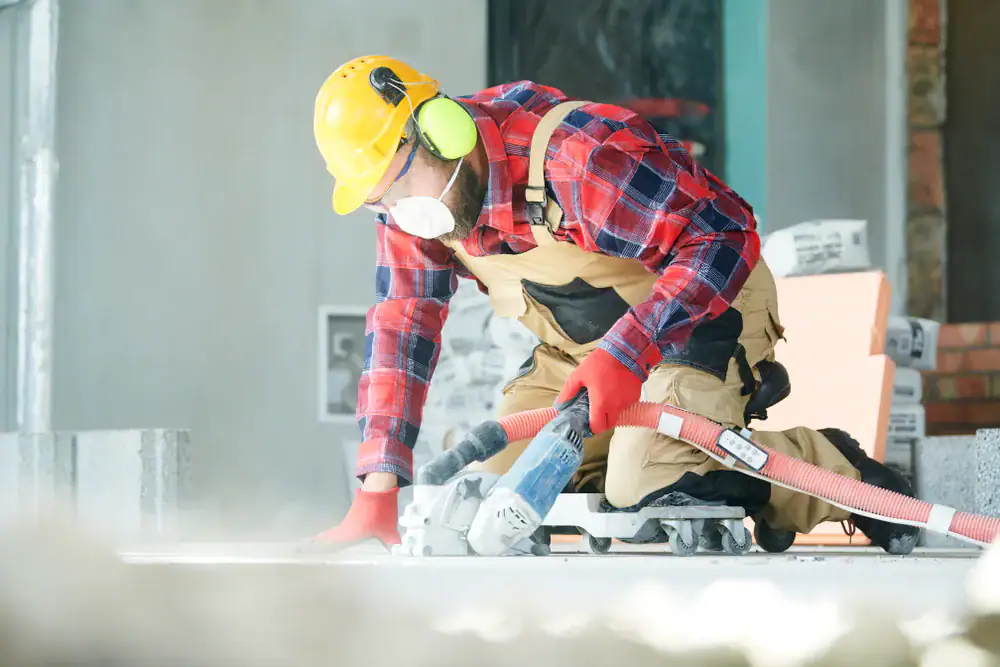
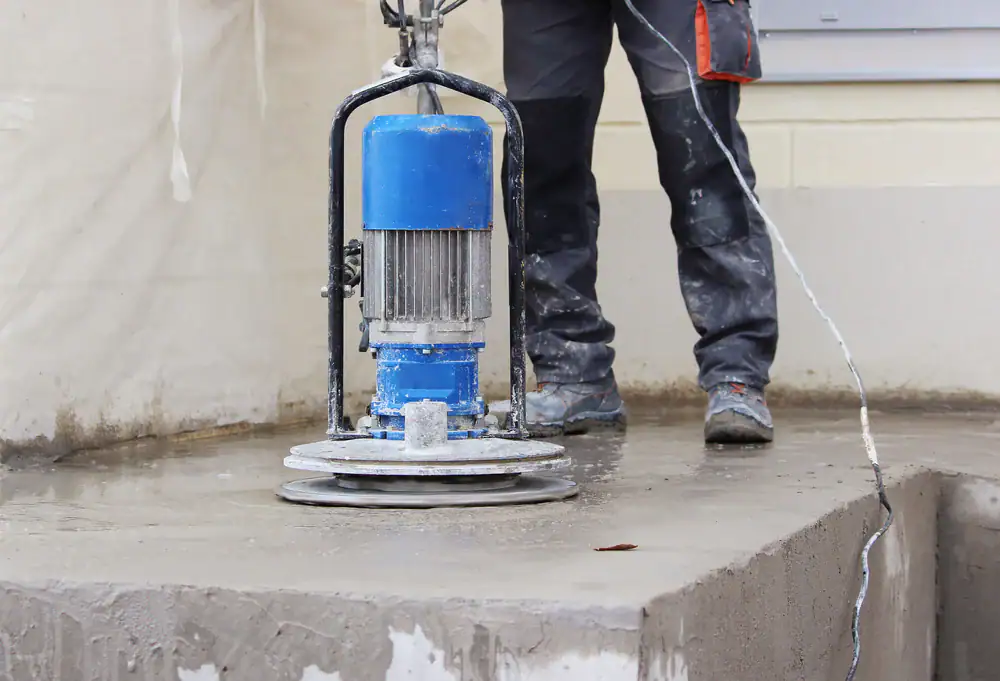
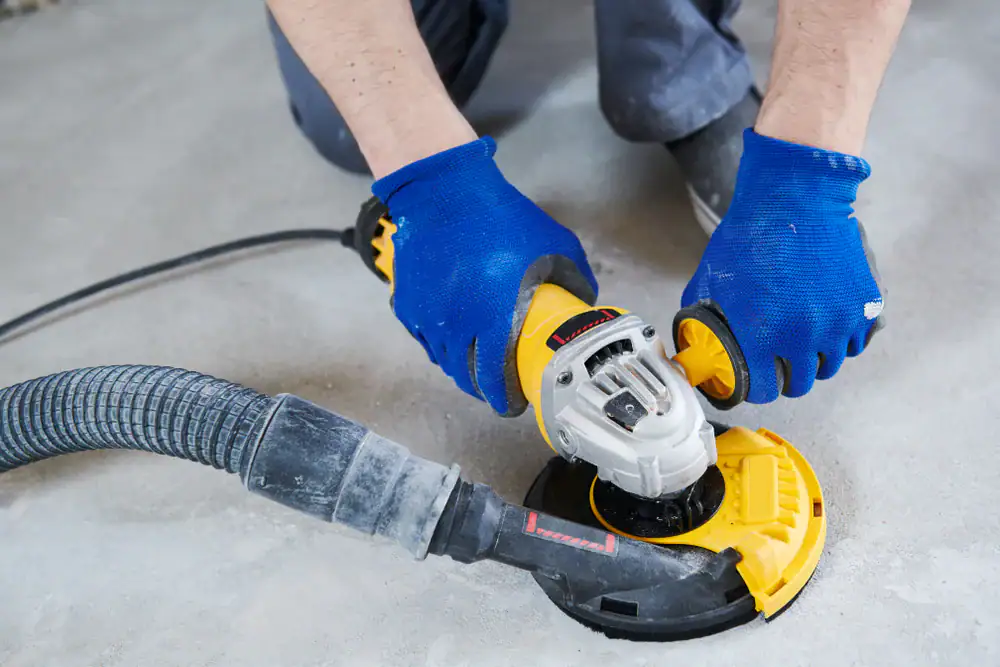
Then we grind. We use diamond grinding equipment that removes old sealers, smooths high spots, and opens up the concrete surface so coatings can bond. If there are cracks or chips, we repair those first. If the floor has serious unevenness, we may shot-blast or scarify depending on what the slab needs. The goal is a clean, level, properly profiled surface.
After grinding, we clean everything thoroughly. Dust, debris, anything that could interfere with adhesion gets removed. Then we move into whatever comes next—whether that’s polishing, sealing, or applying an epoxy system. The grinding is what makes everything else possible. Skip it or do it halfway, and the rest of the job is already compromised.
Ready to get started?
Concrete Restoration Services Roosevelt Gardens
You’re getting a full-time crew with commercial-grade diamond grinding equipment, not a guy with a rented machine from Home Depot. We handle surface profiling, crack repair, old coating removal, and moisture testing when the project calls for it. If your concrete has issues, we address them before we grind—not after.
Roosevelt Gardens properties deal with the same challenges as the rest of Broward County: high humidity, older concrete slabs, and previous coatings that were applied over poorly prepped surfaces. We account for that. If moisture is a concern, we test and recommend vapor barriers or moisture mitigation systems. If the concrete has structural cracks, we repair them properly so they don’t telegraph through your new coating.
We also coordinate the timeline around your schedule. Commercial clients often need work done overnight or on weekends to avoid disrupting operations. Residential clients want to know exactly when we’re starting and finishing. We offer 24-48 hour turnaround on certain projects, and we’re available for emergency response if something needs immediate attention. Everything is transparent—you’ll know what we’re doing, why we’re doing it, and what it costs before we start.

How long does concrete grinding take for a typical floor?
It depends on the size of the space, the condition of the concrete, and what we’re prepping it for. A residential garage might take a day. A 5,000-square-foot commercial space could take two to three days, especially if there’s old coating removal or significant crack repair involved.
The real variable is the condition of the slab. If the concrete is relatively new and clean, grinding goes faster. If we’re removing multiple layers of old epoxy or dealing with uneven surfaces, it takes longer. We don’t rush it, because rushing surface prep is how coatings fail early.
We’ll give you a realistic timeline during the consultation. If you need the space back quickly, we can often work overnight or over a weekend to minimize downtime. For kitchen floors or other high-priority areas, we’ve turned projects around in 24-48 hours when needed.
Can you grind concrete without creating a huge dust problem?
Yes, but it requires the right equipment. We use dust-control systems that capture most of the silica dust during grinding. For interior spaces—especially food service, pharmaceutical, or any facility where dust contamination is a problem—we use equipment with integrated vacuums and HEPA filtration.
Standard concrete grinders produce a massive amount of dust. That’s fine for outdoor work or empty warehouses, but it’s not acceptable for occupied buildings or spaces with sensitive products. OSHA has strict silica dust limits now, and we follow them.
If you’re in a situation where dust control is critical, let us know upfront. We’ll bring the right equipment and take the extra steps to contain the mess. It’s not always the fastest method, but it’s the right one for spaces that can’t afford contamination or extensive cleanup afterward.
What’s the difference between grinding and polishing concrete?
Grinding is surface preparation. Polishing is a finish. Grinding removes material, levels the surface, and creates the profile needed for coatings to bond. Polishing takes concrete through progressively finer grits to create a smooth, reflective surface that doesn’t need a coating.
If you’re getting epoxy or a sealer applied, you need grinding first. The concrete has to be profiled correctly so the coating can mechanically bond to the surface. If you’re going for polished concrete as the final finish, grinding is the first phase, but then we keep going with finer and finer diamond pads until the concrete is smooth and glossy.
Polished concrete is popular in commercial spaces because it’s durable, low-maintenance, and looks clean. It’s also a good option in Florida because there’s no coating to peel or bubble from moisture. But it only works if the concrete is in decent shape to begin with. If the slab is heavily cracked or damaged, polishing might not be the best choice. We’ll walk you through what makes sense for your specific floor.
Will grinding fix uneven or sunken concrete slabs?
Grinding can smooth out minor high spots and level small inconsistencies, but it’s not a solution for major settling or structural issues. If you have a slab that’s sunk several inches or has significant voids underneath, that’s a foundation problem that needs to be addressed before we grind.
For minor unevenness—like lippage between panels or small ridges—grinding works well. We can take down high spots and create a more uniform surface. But there’s a limit to how much material we can remove without compromising the integrity of the slab.
If your concrete has serious settling, you might need mudjacking or polyurethane foam injection to lift and stabilize it first. Once the slab is structurally sound, we can grind it smooth. We’ll be honest during the assessment if grinding alone won’t solve the problem. There’s no point in doing surface work if the foundation underneath is still moving.
How do you handle moisture issues in Florida concrete?
Florida humidity is a real problem for concrete coatings. Moisture vapor comes up through the slab, gets trapped under the coating, and causes bubbling, peeling, or complete delamination. We test for moisture before we start if there’s any concern, especially on ground-level slabs or older concrete.
If the moisture levels are too high, we recommend a vapor barrier system or moisture mitigation product before applying any coating. Products from manufacturers like Laticrete and Koster USA are specifically designed to handle high moisture levels. They create a barrier that stops vapor transmission so the topcoat can perform properly.
We’ve seen too many jobs fail because someone skipped moisture testing and just slapped epoxy over a wet slab. It might look fine for a few months, but eventually the moisture wins. We’d rather address it upfront with the right system than have you call us back in a year with a peeling floor. It’s not the cheapest approach, but it’s the one that actually works in Florida’s climate.
Do you only work with commercial clients or do you handle residential projects too?
We handle both. We’ve done plenty of government and commercial work—Coast Guard facilities, military bases, schools, municipal buildings—but we also work with homeowners who want their garage floors, patios, or driveways properly prepped and coated.
The process is the same regardless of project size. Concrete doesn’t care if it’s in a warehouse or a residential garage. It still needs proper surface preparation, moisture management, and the right materials. We don’t cut corners on smaller jobs just because they’re residential.
A lot of homeowners in Roosevelt Gardens and Broward County have dealt with cheap sealer jobs that failed quickly. They’re looking for someone who actually knows how to prep concrete correctly and uses commercial-grade materials that last. That’s what we do. Whether it’s a 200-square-foot garage or a 20,000-square-foot facility, the standard is the same: do it right the first time so it lasts 10-15 years, not 2.
Other Services we provide in Roosevelt Gardens
Leave a Reply