


Concrete Grinding in Royal Palm Estates, FL
Smooth, Level Floors That Actually Stay Fixed
Hear from Our Customers
Concrete Floor Grinding Contractors Near You
You’re not paying for grinding just to grind. You’re paying to fix what’s wrong so the next layer—epoxy, polish, coating—actually sticks and lasts.
Uneven slabs create trip hazards. Rough patches make coatings fail early. Lippage over a quarter inch puts you out of ADA compliance and opens the door to liability. Grinding levels it, smooths it, and gets rid of the stuff that causes problems later.
When the surface is prepped correctly, your epoxy doesn’t bubble. Your polish doesn’t wear unevenly. Your floor doesn’t crack six months in because someone skipped a step. You get a surface that works the way it’s supposed to—and stays that way.
Polished Concrete Contractors Royal Palm Estates
SPF Industrial is a veteran-owned concrete contractor serving Royal Palm Estates, FL and the surrounding Palm Beach County area. We specialize in concrete grinding, polished concrete, epoxy flooring, and resurfacing—nothing else.
We don’t use subcontractors. Everything is handled in-house by our full-time crew, so there’s no finger-pointing when something needs attention. We’ve worked with the Coast Guard, US Army, City of Doral, City of Sunny Isles, and local schools across South Florida.
Royal Palm Estates sits near Palm Beach International Airport in a blue-collar industrial corridor. That means warehouses, distribution centers, manufacturing floors, and garages that take a beating. We understand what concrete in this climate goes through—humidity, temperature swings, heavy traffic—and we prep accordingly.
Concrete Grinding Services That Work
First, we assess the slab. We’re looking at surface damage, lippage, cracks, pits, and anything that’ll interfere with the next step—whether that’s epoxy, polish, or another coating system. We don’t guess. We measure.
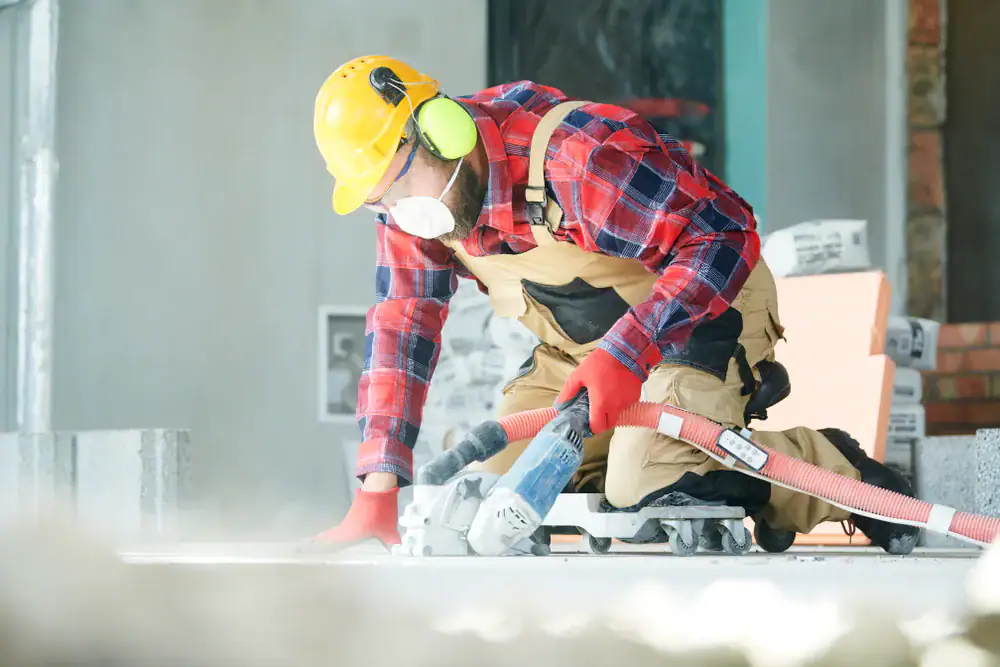
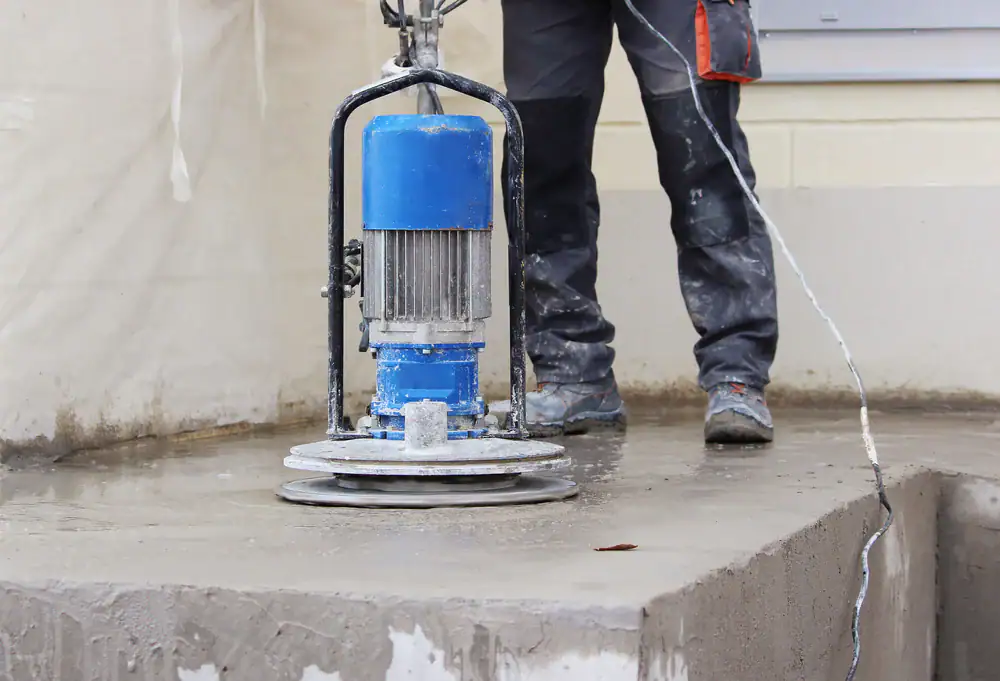
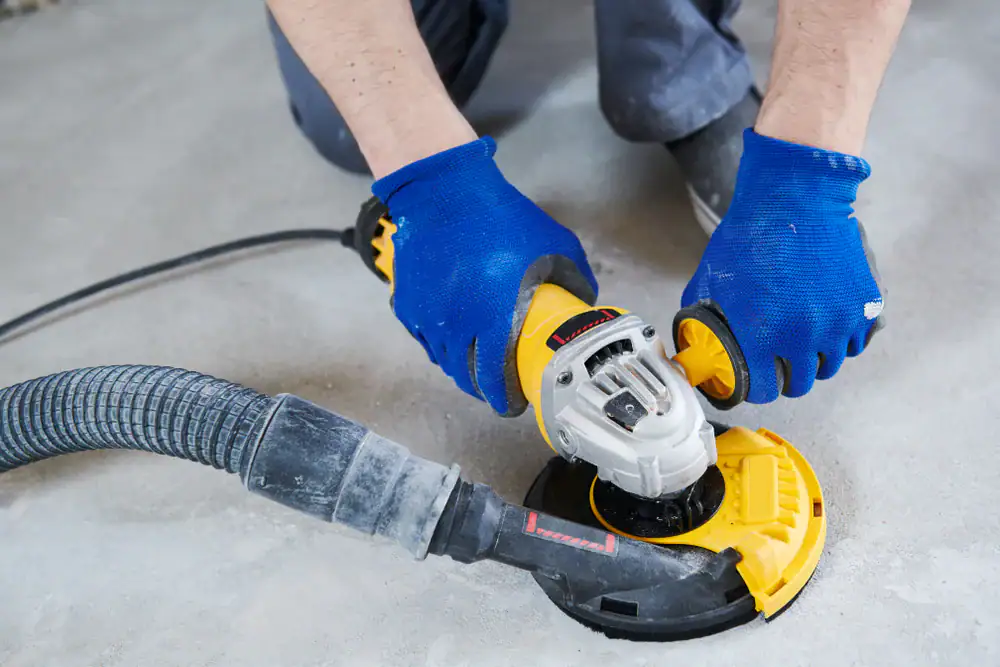
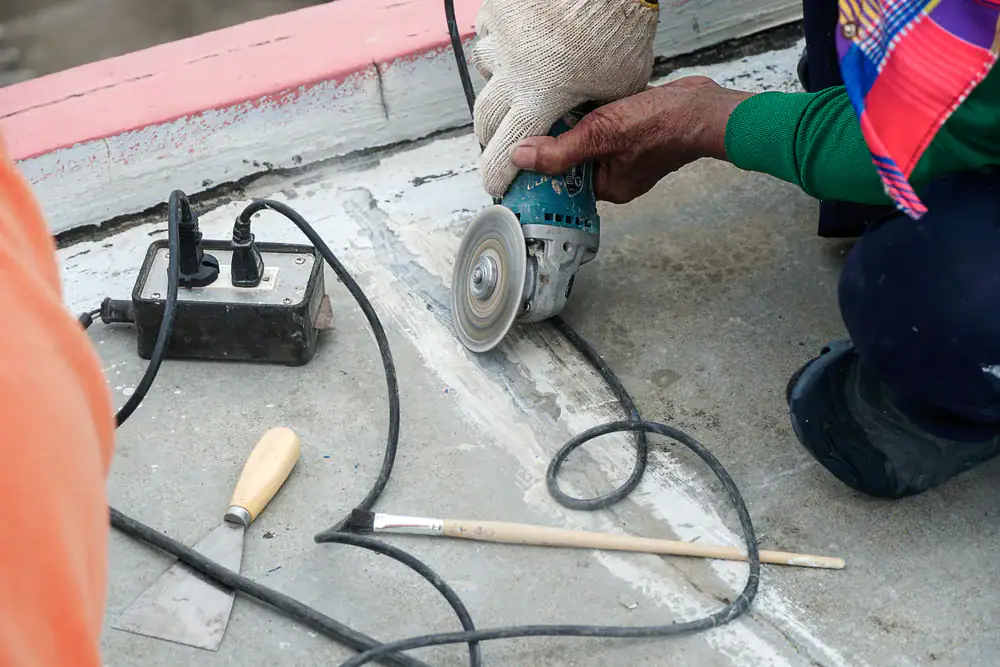
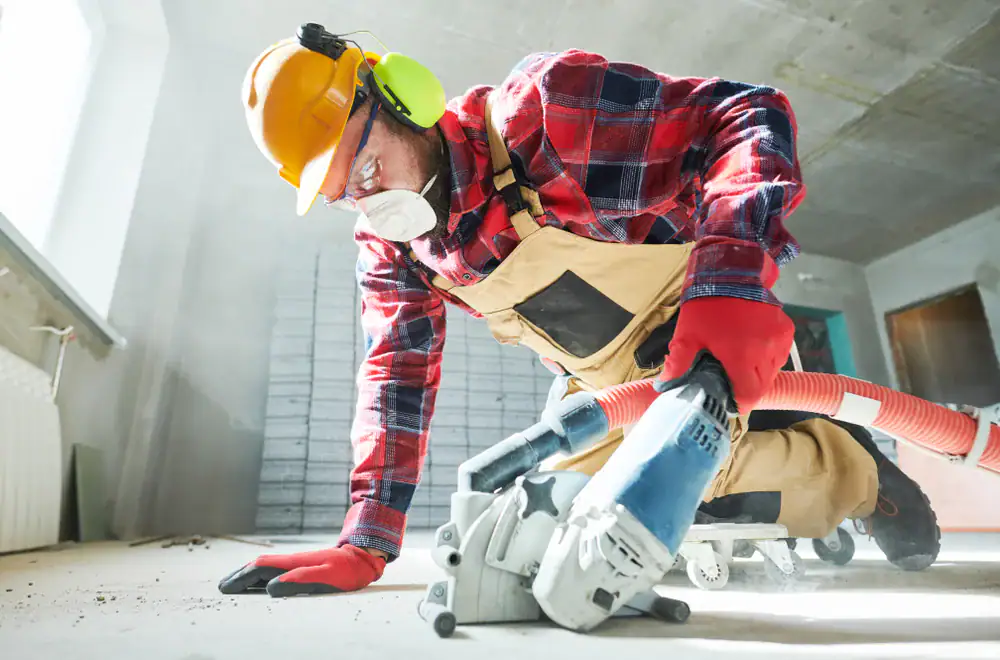
Then we grind. We use diamond grinding equipment to remove high spots, smooth rough patches, and level uneven joints. If you’ve got faulting where one slab sits higher than another, we bring it down to spec. For dustless jobs, we run equipment that captures particulate at the source—no cleanup nightmare, no respiratory issues for your crew.
After grinding, we handle repairs. Small divots get filled. Cracks get addressed. The goal is a uniform surface that’s ready for whatever comes next. If we’re doing the coating or polish ourselves, we move right into it. If another contractor is taking over, they’re getting a surface that’s actually ready to work with—not something they’ll have to fix before they start.
Ready to get started?
Concrete Restoration Services Royal Palm Estates
Concrete grinding isn’t cosmetic. It’s structural prep. You’re paying for a surface that meets the requirements of whatever system goes on top—and that means more than just “looking smooth.”
In Royal Palm Estates and the surrounding Palm Beach County area, Florida’s humidity and heat put extra stress on concrete. Moisture intrusion causes spalling. Temperature swings cause cracking. If the surface isn’t prepped to handle those conditions, your coating system fails early. We grind to remove compromised material, then treat and seal as needed so the next layer has something solid to bond to.
For commercial and industrial clients, we also handle ADA compliance. If your slab-to-slab height difference exceeds a quarter inch, it’s a violation and a liability. We level it. For residential clients in garages or patios, we focus on eliminating rough spots and creating a clean base for epoxy or decorative finishes.
You also get transparency. We walk the job with you, explain what needs to happen, and price it upfront. No surprises. No change orders unless the scope actually changes.
How long does concrete grinding take for a typical garage or warehouse floor?
It depends on square footage, surface condition, and what you’re prepping for. A residential two-car garage usually takes half a day to a full day if we’re grinding and doing minor repairs. A 5,000-square-foot warehouse floor might take two to three days, depending on how much lippage and damage we’re dealing with.
The timeline also shifts if we’re doing the full job—grinding plus epoxy or polish. For kitchen floors or fast-turnaround commercial projects, we’ve completed full installs in 24 to 48 hours. But that’s only possible when the surface condition allows it and scheduling aligns.
We don’t rush grinding to hit a deadline. If the prep isn’t right, the coating fails. You end up paying twice. We’d rather add a day to the schedule than cut corners and have you call us back in six months.
What’s the difference between grinding and polishing, and do I need both?
Grinding removes material. Polishing refines it. They’re related, but they serve different purposes depending on what you want the floor to do.
Concrete grinding uses coarse diamond tooling to level the surface, remove coatings, eliminate high spots, and open up the pores of the concrete so the next layer can bond. You grind when you need to fix something—uneven slabs, rough texture, old adhesive, failed epoxy. It’s prep work.
Polishing comes after grinding. It uses finer diamond abrasives in multiple passes to smooth and densify the concrete, creating a glossy, durable finish. Polished concrete is the end product—it’s what you walk on. Grinding is what makes polishing possible. If you want a polished concrete floor, you need grinding first. If you’re just prepping for epoxy or another coating, grinding alone is usually enough.
Will grinding fix cracks, or do I need to repair them separately?
Grinding levels the surface, but it doesn’t repair structural issues. If you’ve got cracks, they need to be addressed separately—either before or after grinding, depending on the type and severity.
Hairline cracks that aren’t moving can often be filled after grinding as part of the prep process. We use epoxy or polyurea crack fillers that bond to the concrete and prevent moisture from getting in. For larger cracks or ones that show signs of movement, you might need a deeper repair or even slab stabilization before we grind.
Grinding can sometimes make cracks more visible because we’re removing the top layer of concrete and exposing what’s underneath. That’s not a bad thing—it means you’re seeing the real condition of the slab, not just the surface. We’d rather find it during prep than have your coating fail six months later because a crack kept spreading.
Is dustless grinding worth the extra cost, or is it just marketing?
Dustless grinding isn’t marketing. It’s a different process that uses vacuum-equipped grinders to capture silica dust at the source instead of letting it go airborne. If you’re working in an occupied building, have inventory on-site, or just don’t want to spend two days cleaning up afterward, it’s worth it.
Concrete dust isn’t just messy—it’s a respiratory hazard. Silica particles are small enough to get deep into your lungs, and OSHA has strict limits on exposure. Dustless equipment keeps the air cleaner and the workspace safer, especially in commercial or industrial settings where people are still working nearby.
The cost difference is usually minimal compared to the time and labor you’d spend on cleanup with traditional grinding. You’re also avoiding downtime. A warehouse that can keep operating during the job is worth more than saving a few hundred dollars on the grind itself.
Can you grind concrete that already has epoxy or coating on it?
Yes. Grinding is one of the most effective ways to remove old epoxy, paint, or other coatings that have failed or need to be replaced. The diamond tooling cuts through the coating and grinds down to bare concrete, giving you a clean surface to work with.
How long it takes depends on the thickness and type of coating. Thin epoxy might come off in one pass. Thick industrial coatings or multiple layers might take longer. We adjust the tooling and technique based on what’s there.
One thing to watch for: if the existing coating is failing because the concrete underneath is damaged, grinding will expose that damage. You’ll see spalling, cracks, or weak spots that were hidden under the old layer. That’s actually a good thing—you want to know what you’re dealing with before you put down a new system. We handle those repairs as part of the process so the new coating has a solid foundation.
How do I know if my concrete needs grinding or if it’s ready for epoxy as-is?
If your concrete has any of these issues, it needs grinding before epoxy: rough or uneven texture, high spots or lippage between slabs, old coatings or sealers, surface contamination like oil or grease, or a smooth troweled finish that won’t let epoxy bond properly.
Epoxy needs a profile to grab onto. If your concrete is too smooth—like a garage floor that was finished with a steel trowel—the epoxy will sit on top instead of bonding into the surface. Grinding opens up the pores and creates the texture the epoxy needs to stick. It also removes anything that would prevent adhesion, like dirt, oil, or old sealers.
The easiest way to know for sure is to have someone who knows what they’re looking at take a look. We do free assessments. We’ll tell you if grinding is necessary, if you can skip it, or if there are other issues that need attention first. No pressure, no upsell—just a straight answer based on what the floor actually needs.
Other Services we provide in Royal Palm Estates
Leave a Reply