


Concrete Grinding in Sea Ranch Lakes, FL
Surfaces That Actually Hold Up to Florida Weather
Hear from Our Customers
Professional Concrete Floor Grinding Services
Your concrete doesn’t fail because it’s old. It fails because the surface was never prepped correctly in the first place.
When you grind concrete the right way, coatings actually bond. Uneven spots disappear. Trip hazards get leveled out before someone gets hurt. And if you’re dealing with an older slab that’s seen years of salt air and humidity, grinding removes the weak surface layer so you’re working with solid material underneath.
This matters in Sea Ranch Lakes because moisture doesn’t take days off. If your floor isn’t sealed properly after grinding, you’ll see delamination within months. Grinding creates the profile your coating needs to lock in—no peeling, no bubbling, no callbacks six months later wondering why it didn’t hold.
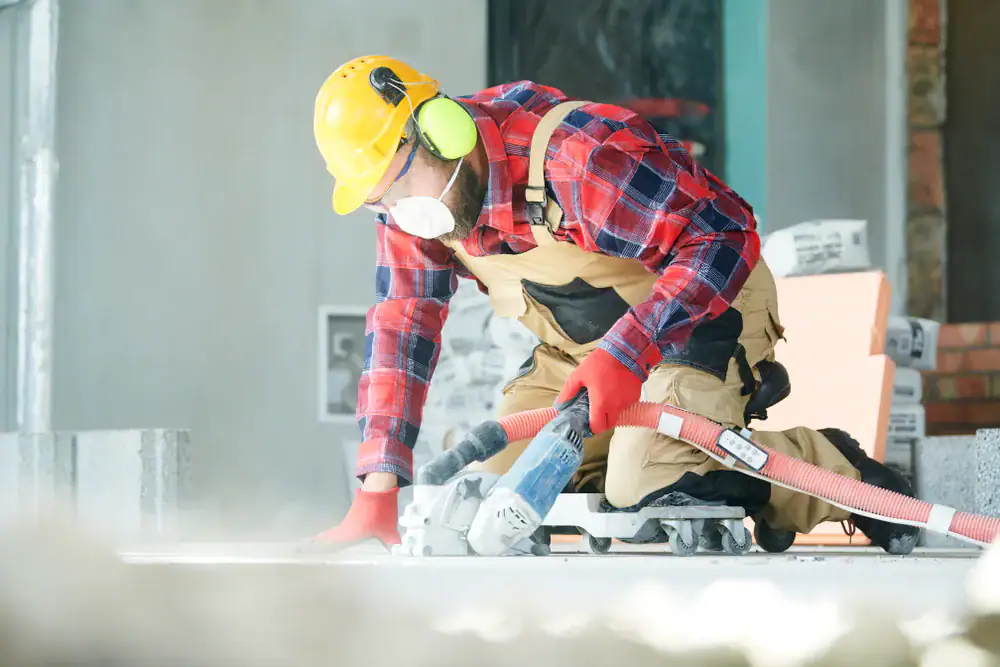
You also get a cleaner workspace during the process. Dustless concrete grinding equipment captures particles as they’re created, so your team isn’t breathing silica dust and you’re not spending two days cleaning afterward. The job gets done faster, safer, and without covering everything in your facility with a layer of fine powder.
Concrete Grinding Contractors Near Sea Ranch Lakes
We’ve been handling concrete grinding and polished concrete work across South Florida since 2020. We’ve worked with the Coast Guard, US Army, City of Doral, City of Sunny Isles, and county facilities that don’t have room for mistakes or delays.
Sea Ranch Lakes sits in a climate where concrete takes a beating—salt air, heavy rain, heat that doesn’t quit. We’re not grinding floors in a vacuum. We’re preparing surfaces that need to handle Florida’s reality, and we’re doing it with equipment and methods that match what your space actually needs.
We work directly with property owners and facility managers, not through layers of general contractors. That means transparent pricing, faster communication, and someone who shows up when they say they will.
Our Concrete Grinding Process
First, we assess your concrete. Not every floor needs the same level of grinding, and pushing too hard on a weak slab creates more problems than it solves. We check for cracks, moisture issues, and any existing coatings that need removal before we touch the surface.
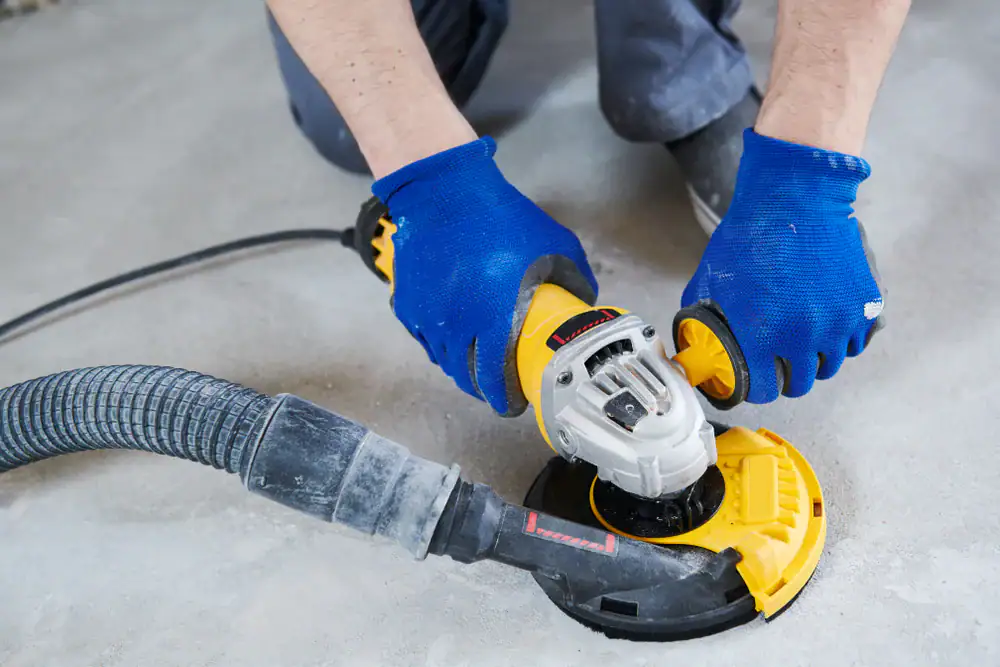
Then we grind using dustless equipment. This isn’t a marketing term—it’s a vacuum system built into the grinder that captures dust at the source. You’re not dealing with containment barriers or air scrubbers running for days. The work happens, the dust gets captured, and your facility stays functional.
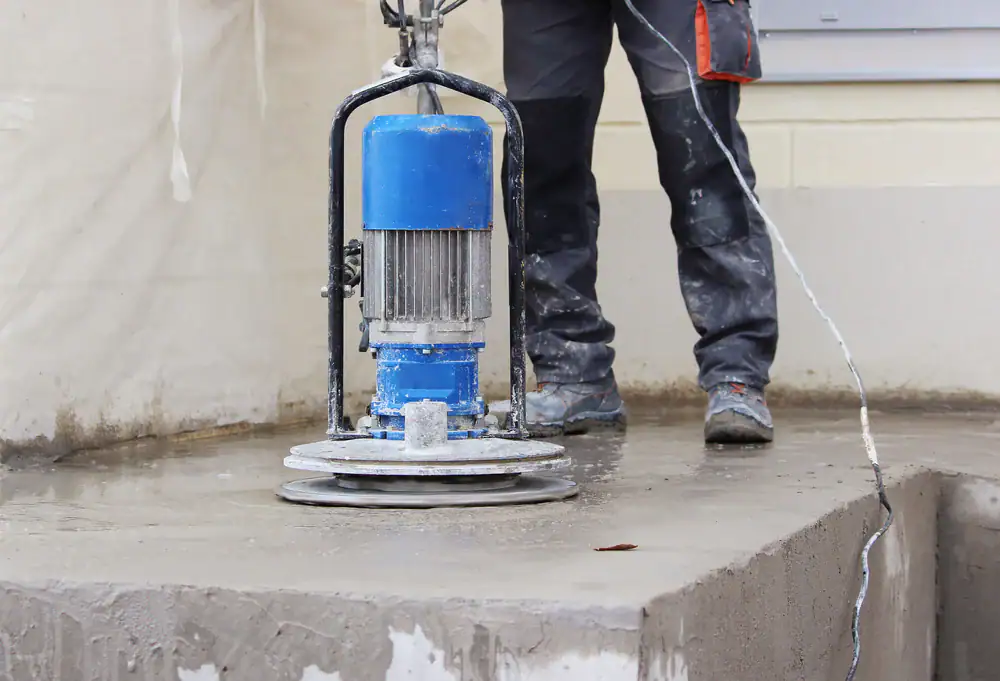
We grind in stages, typically starting with a coarser grit to remove imperfections and old coatings, then moving to finer grits depending on what’s going on top. If you’re getting a polished concrete finish, we keep going until the surface hits the shine level you need. If it’s epoxy or another coating, we stop at the profile that gives maximum adhesion.
After grinding, we clean the surface completely. Any residue left behind will interfere with your coating. Then we assess moisture levels one more time, because Florida humidity can shift between morning and afternoon, and we’re not sealing over a problem that’ll show up in three months.
Ready to get started?
Cement Grinding and Surface Prep Solutions
You get a full surface evaluation before we start. We’re looking at the condition of your concrete, any previous coatings, and whether there are underlying issues that grinding alone won’t fix. If there’s a crack that needs filling or a section that needs repair, we’ll tell you before we start the grinder.
The grinding itself is done with commercial-grade equipment that’s maintained and calibrated correctly. We’re not showing up with a rented machine and hoping for the best. Our grinders are built for concrete restoration work, and the dustless system isn’t optional—it’s standard on every job.
In Sea Ranch Lakes and throughout Broward County, we’re dealing with concrete that’s exposed to salt air and high moisture. That means we’re also checking for surface contamination that could interfere with coatings. Oil, grease, old sealers—they all get addressed during the grinding process so you’re starting with a clean slate.
After grinding, you get a surface profile report if you’re applying coatings. This tells you (and your coating installer, if that’s someone else) exactly what kind of texture we’ve created and whether it meets the manufacturer’s specs for adhesion. No guessing. No assumptions.

How long does concrete grinding take for a commercial space?
It depends on square footage, the condition of your concrete, and what you’re doing with the surface afterward. A typical warehouse floor might take two to three days for grinding and prep. Smaller retail or office spaces can often be done in a day.
The real variable is what we find once we start. If there’s an old coating that’s bonded hard, removal takes longer. If the concrete is uneven or has a lot of surface damage, we’re spending more time leveling it out. We’ll give you a timeline after the initial assessment, and we stick to it unless we uncover something that wasn’t visible before we started.
For spaces that can’t shut down completely, we can section the work. Grind one area, let you keep using another, then swap. It takes a bit longer overall, but it keeps your operation running.
Is dustless concrete grinding actually dust-free, or is that just marketing?
It’s not 100% dust-free, but it’s close enough that you won’t need to shut down your whole building or cover everything in plastic. The grinder has a vacuum system attached that pulls dust directly from the cutting surface as it’s created. What you’re left with is minimal—nothing like traditional grinding, which turns your space into a silica cloud.
This matters for two reasons. First, silica dust is a serious health hazard, and OSHA has strict limits on exposure. Dustless grinding keeps your team safe and keeps you compliant. Second, cleanup is faster. You’re not spending a full day afterward wiping down every surface and running air scrubbers.
In Sea Ranch Lakes, where you’ve got ocean air and open windows in a lot of facilities, dust control is even more important. You don’t want concrete particles settling on equipment, inventory, or getting tracked into other areas of your property.
Can you grind concrete that already has a coating on it?
Yes, but the existing coating has to come off first, and that’s part of the grinding process. We’re not just smoothing the surface—we’re removing whatever’s on top so the new coating bonds to actual concrete, not to old epoxy or sealer.
Some coatings come off easily. Others are bonded hard and require more aggressive grinding. If the old coating is failing or delaminating, that’s actually easier to remove than one that’s still stuck tight. Either way, we’re taking it down to bare concrete before we’re done.
This is common in facilities that had floors coated years ago and are now seeing peeling, discoloration, or wear patterns. Grinding resets the surface and gives you a fresh start. Just know that if the previous coating was thick or covered a large area, it adds time to the job.
What’s the difference between grinding and polishing concrete?
Grinding is surface prep. Polishing is a finish. They use similar equipment, but the goal is different.
When we grind, we’re removing imperfections, leveling the surface, and creating the right texture for whatever’s going on top—epoxy, sealer, or another coating. We stop once the surface is prepped correctly.
When we polish, we keep going. We use finer and finer grits, add densifiers to harden the concrete, and keep grinding until the surface is smooth and reflective. Polished concrete is the finished floor—nothing else goes on top. It’s durable, low-maintenance, and handles heavy traffic without wearing down.
Both processes start the same way, but polished concrete takes longer and requires more steps. If you want a shiny, finished floor that doesn’t need coatings, that’s polishing. If you’re prepping for epoxy or another system, that’s grinding.
How much does concrete grinding cost in Sea Ranch Lakes?
Most commercial concrete grinding runs between $2 and $6 per square foot, depending on the condition of your floor and how much prep is needed. If we’re just smoothing out a newer slab, you’re on the lower end. If we’re removing old coatings, repairing damage, and dealing with a surface that’s seen years of wear, you’re closer to the higher end.
Residential projects are usually smaller square footage but might have tighter access or more detailed work, which can adjust pricing. We give you a flat quote after we see the space—no hourly rates, no surprises.
What affects cost the most is the condition of your concrete and what’s currently on it. A clean slab with minor imperfections is straightforward. A floor with multiple layers of old coatings, cracks, or uneven settling takes more time and equipment wear. We’ll walk the space with you and give you an accurate number before any work starts.
Will grinding fix cracks or damage in my concrete?
Grinding levels the surface and removes the top layer, but it doesn’t repair structural damage. If you’ve got cracks, spalling, or sections where the concrete has broken down, those need to be filled and repaired before we grind.
We’ll identify those issues during the assessment and let you know what needs to be addressed. In some cases, we can handle the repairs as part of the project. In others, you might need a concrete contractor to come in first if the damage is extensive.
Once repairs are done and cured, we grind over them to blend everything into a uniform surface. The goal is a floor that looks and performs like one continuous piece, not a patchwork of old concrete and new fixes. Grinding is the final step that ties it all together.
Other Services we provide in Sea Ranch Lakes
Leave a Reply