


Concrete Grinding in Seminole Manor, FL
Floors That Work as Hard as You Do
Hear from Our Customers
Concrete Floor Grinding Contractors Seminole Manor
Your concrete doesn’t need another coating that’ll peel in two years. It needs proper grinding and polishing that works with Florida’s climate instead of against it.
Most businesses and homeowners in Seminole Manor deal with the same frustrating cycle. You invest in a floor treatment. It looks great for six months, maybe a year. Then the humidity kicks in, moisture gets trapped, and you’re watching coatings bubble and peel. You’re back to square one, except now you’re also out several thousand dollars.
Concrete grinding changes that equation entirely. We’re removing damaged surface layers and transforming the concrete itself into a dense, sealed, polished surface. No topical coating to fail. No repeated maintenance bills. Just a floor that gets more durable the more you use it.
The difference shows up fast. Commercial clients typically see maintenance costs drop 60-80% in the first year alone. Residential garages and interior floors that used to stain from every oil drip or spill? Now you wipe them clean in seconds. The concrete becomes virtually non-porous, which means moisture, mold, and bacteria don’t stand a chance.
Concrete Grinding Services Seminole Manor FL
We’ve been handling concrete restoration across South Florida since 2020, working with everyone from military facilities to municipal buildings to residential homeowners who just want a garage floor that actually lasts.
Our client list includes the U.S. Coast Guard, Army installations, City of Doral, City of Sunny Isles, and high schools throughout the region. Government contracts don’t go to companies that cut corners. They go to contractors who show up, do the work right, and stand behind it.
We’re veteran-owned, which means we operate with the same standards we learned in service. No surprises on pricing. No delays because we overbooked. No subcontractors you’ve never met showing up to your property. Every project gets handled by our full-time team, and you get a direct line to the people actually doing the work.
Seminole Manor sits right in the heart of South Florida’s coastal zone, which means your concrete faces the same challenges as properties five miles from the ocean. Salt particles travel farther than most people realize, and humidity here averages 75% year-round. We’ve been solving these exact problems for years, and we know which products and processes actually hold up in this environment.
Concrete Restoration Services Seminole Manor
First, we assess the concrete. Not every floor needs the same approach, and we’re not interested in selling you services you don’t need. We check for moisture issues, existing damage, surface contamination, and structural concerns. This consultation is always free, and it gives you a clear picture of what you’re working with.
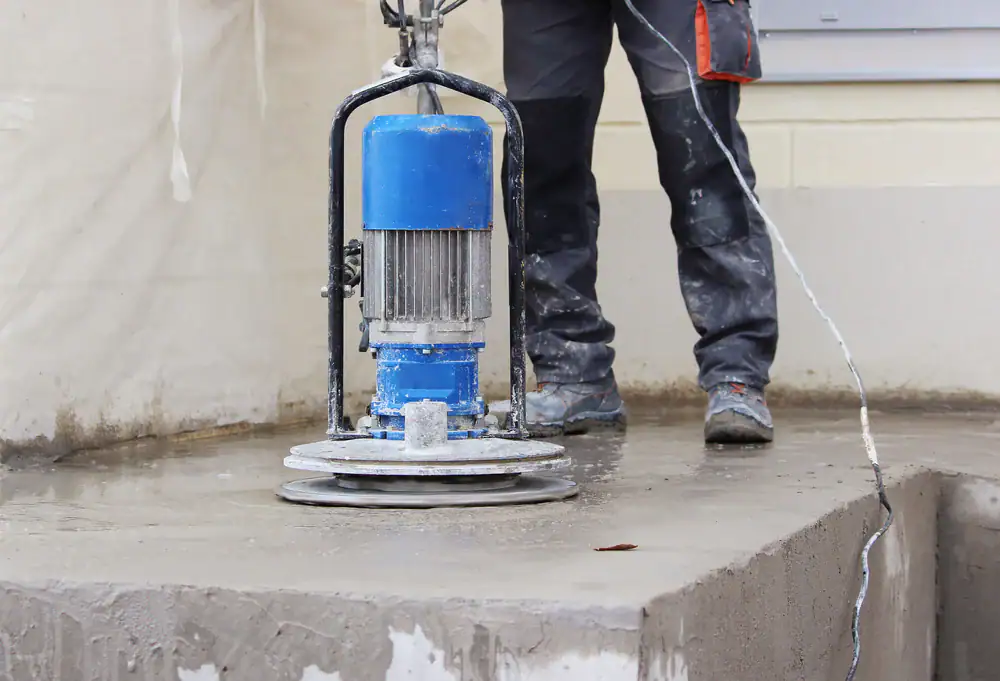
Once we start, the process moves in stages. We begin with surface preparation—removing old coatings, adhesives, or damaged concrete using diamond grinding equipment. This isn’t the kind of gear you rent at a hardware store. We’re talking commercial-grade machines that most contractors in Seminole Manor don’t have access to.
After the surface is prepped, we move into the actual grinding and polishing phases. Multiple passes with progressively finer diamond abrasives smooth and densify the concrete. Each pass makes the surface harder and more reflective. We’re not adding anything that can peel off later—we’re transforming the concrete itself.
The final step involves densification and sealing. We apply penetrating sealers that chemically react with the concrete to create a moisture barrier from within. This is critical in Florida. Surface sealers fail here because they trap moisture underneath. Penetrating systems let the concrete breathe while blocking water, oil, and stains.
Most projects allow you to resume normal operations within 24 to 48 hours. The actual grinding and polishing typically takes one to three days depending on square footage and existing conditions. You’re not looking at weeks of downtime.
Ready to get started?
Polished Concrete Contractors Seminole Manor
Concrete grinding and polishing delivers more than aesthetics. You get a floor that’s genuinely easier to maintain, safer to walk on, and built to handle Florida’s environment without constant intervention.
The reflective finish cuts lighting costs. Commercial spaces regularly see 20-30% reductions in energy bills because polished concrete bounces light back up instead of absorbing it. That’s real money back in your pocket every month.
Slip resistance improves, which matters if you’re running a business where liability is a concern. Polished concrete provides natural traction without the texture that traps dirt and makes cleaning harder. Food service facilities, medical offices, and retail spaces all benefit from surfaces that meet safety standards while staying genuinely clean.
In Seminole Manor specifically, you’re also getting protection against the coastal corrosion issues that plague untreated concrete. Salt air accelerates deterioration of the steel reinforcement inside concrete slabs. Left unchecked, you’re looking at cracking, spalling, and structural problems in as little as 15 years. Proper grinding, densification, and sealing stops moisture penetration before it reaches the rebar.
We handle everything in-house. Surface prep, diamond grinding, repairs, densification, polishing—it’s all done by our team using commercial-grade products from manufacturers like Laticrete, Koster USA, and Fosroc. No residential-grade shortcuts. No products designed for Arizona that fail in Florida humidity.
You also get transparent pricing from the start and a warranty that’s broader and longer than what most concrete contractors offer. We’re not trying to win your business with the lowest bid. We’re earning it by doing work that doesn’t need to be redone in two years.

How long does polished concrete actually last in Florida’s climate?
When done correctly with commercial-grade materials and proper moisture mitigation, polished concrete lasts 20-plus years in residential settings and 30-plus years in commercial environments. That’s not marketing talk—it’s what we’ve seen across hundreds of projects in South Florida’s coastal conditions.
The key difference is in the prep work and the products used. Most concrete failures in Florida happen because contractors use surface sealers designed for dry climates. Those products trap moisture underneath, which leads to bubbling, peeling, and coating failure within a few years. We use penetrating densifiers that chemically bond with the concrete and allow moisture vapor to escape while blocking liquid water and contaminants.
Florida’s humidity and salt air are real challenges, but they’re not insurmountable. The concrete in military facilities, food processing plants, and municipal buildings we’ve worked on faces the same conditions as your property. Proper grinding and densification creates a surface that actually gets harder over time as it’s used. Heavy foot traffic and equipment use polish the floor further instead of wearing it down.
What’s the difference between concrete grinding and just applying epoxy?
Concrete grinding transforms the concrete itself into a durable, sealed surface. Epoxy is a coating applied on top of concrete. Both have their place, but they solve different problems and perform very differently in Florida’s climate.
Epoxy coatings can look great initially, but they’re only as good as their bond to the concrete beneath them. In high-humidity environments like Seminole Manor, moisture vapor moving through the concrete slab can break that bond, causing bubbling and delamination. You’ll also see epoxy yellow under UV exposure and become slippery when wet unless additives are mixed in.
Grinding and polishing doesn’t add a layer that can fail—it works with the concrete you already have. We’re mechanically refining the surface and chemically densifying it to create a finish that’s part of the slab, not sitting on top of it. That means no peeling, no coating failure, and no need to strip and reapply every few years.
That said, epoxy absolutely has applications where it’s the right choice—high-chemical environments, specific aesthetic requirements, or situations where you need a thicker build to level an uneven surface. We offer both services and recommend whichever actually fits your situation. Sometimes that’s grinding, sometimes it’s epoxy, and sometimes it’s a combination.
Can you grind concrete that already has coatings or damage?
Yes. Removing failed coatings and repairing damaged concrete is actually a major part of what we do. Most floors we work on in Seminole Manor aren’t bare concrete—they’re concrete that’s been coated, sealed, painted, or patched multiple times by previous owners or contractors.
The process starts with stripping whatever’s currently on the surface. We use diamond grinding and shot-blasting equipment to mechanically remove old epoxy, urethane, paint, mastics, and adhesives. This is more thorough and less toxic than chemical strippers, and it preps the surface properly for the next steps.
If there’s structural damage—cracks, spalling, or areas where the surface has deteriorated—we address that before polishing. Cracks get routed and filled with appropriate repair materials. Spalled areas get ground down to sound concrete or filled and leveled. We’re not hiding problems under a shiny finish; we’re fixing them so they don’t come back.
Once repairs are done and the surface is clean, we proceed with the standard grinding and polishing process. The end result is a floor that looks and performs like new, regardless of what condition it started in. We’ve restored concrete in 40-year-old warehouses and brand-new construction that was installed poorly. Both can be brought to the same high standard.
How much does concrete grinding cost compared to replacing the floor?
Grinding and polishing existing concrete typically costs 40-60% less than tearing out and replacing a slab, and that’s before you factor in downtime and disposal costs. Replacement also doesn’t solve the underlying issues that caused problems in the first place.
Exact pricing depends on current floor condition, square footage, and the level of finish you want. A basic grind and seal runs less than a full polish to a high-gloss finish. But even high-end polished concrete costs significantly less per square foot than removing and repaving.
Here’s what most people don’t consider: replacement means jackhammering the existing slab, hauling away debris, regrading and compacting the base, pouring new concrete, waiting for it to cure, and then finishing it. You’re looking at weeks of downtime minimum, plus the risk that the new concrete develops the same moisture or cracking issues if the underlying problems aren’t addressed.
Grinding works with what you have. We’re typically in and out in a few days, and you can resume operations within 24-48 hours of completion. The floor you end up with is often more durable than new concrete because we’re densifying and sealing it properly from the start. Over a 20-year lifespan, the cost difference becomes even more dramatic when you factor in reduced maintenance and longer service life.
Will concrete grinding create a lot of dust in my building?
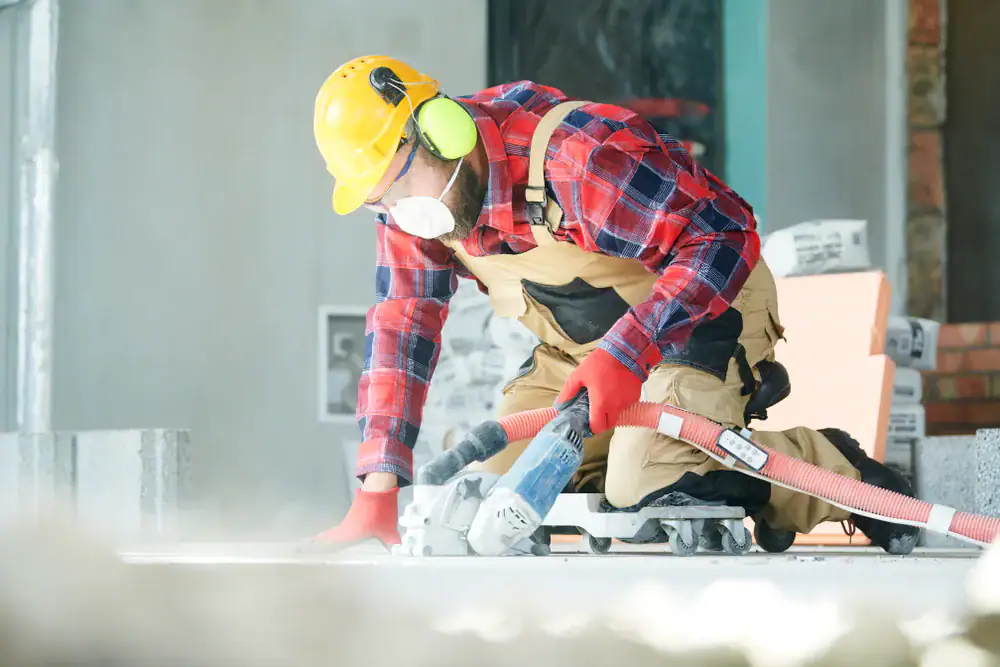
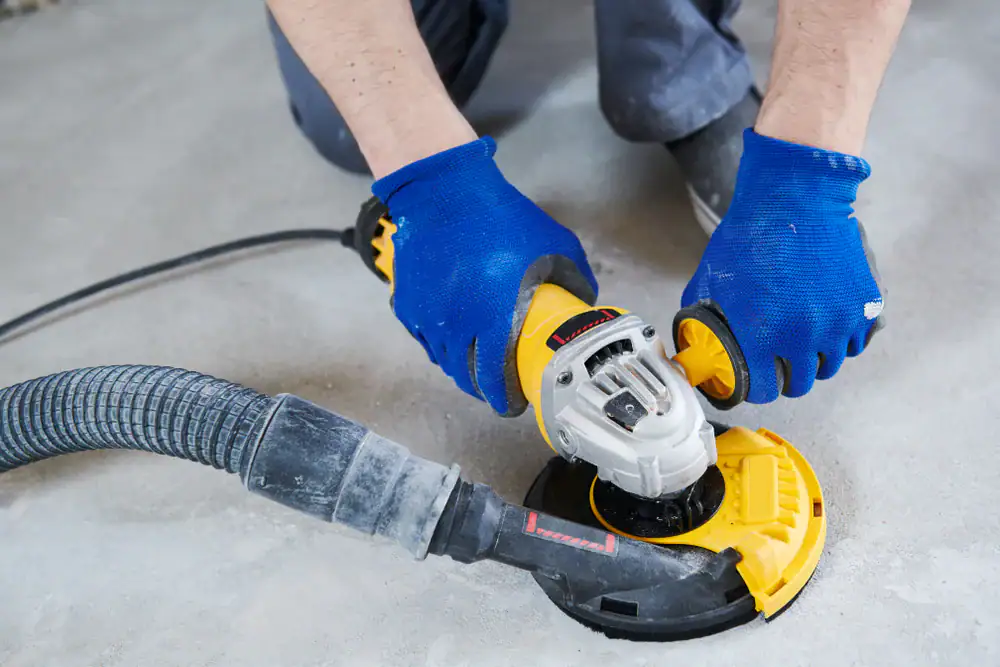
Not with the equipment we use. Our grinders are equipped with dust collection systems that capture 99% of the silica dust created during grinding. This isn’t optional for us—it’s standard on every job, commercial or residential.
Concrete dust contains crystalline silica, which is a serious respiratory hazard and a regulatory concern for commercial properties. We use HEPA-filtered vacuums attached directly to the grinding equipment, which pulls dust away at the source before it becomes airborne. What little escapes gets captured by secondary air filtration if we’re working in an enclosed space.
This matters for two reasons. First, it keeps your building usable during the work. We’ve polished floors in operating warehouses, retail spaces, and office buildings where other areas stayed open. Customers and employees aren’t breathing dust or tracking it throughout the property. Second, it’s a health and safety issue we take seriously. Our team isn’t exposed to silica, and neither is yours.
After we’re done, we do a thorough cleanup. You’re not left with a layer of dust on every surface. The floor is clean, sealed, and ready to use. Some contractors still use wet grinding to control dust, but that creates a slurry that’s messy, harder to clean up, and can actually introduce more moisture into concrete that’s already dealing with humidity issues in Florida.
Do you work on both commercial and residential concrete floors?
Yes. We handle everything from 50,000-square-foot warehouses to single-car residential garages. The equipment and process are the same—commercial-grade in both cases—but the timeline and logistics obviously differ.
Residential projects typically move faster simply because of square footage. A garage or basement floor might be completed in one to two days. We coordinate around your schedule, and most homeowners are surprised at how little disruption there is. You’re not dealing with weeks of contractors in your space.
Commercial projects require more planning, especially if you’re operating during the work. We’ll phase the job so you can keep using parts of the building, or we’ll work overnight and weekends if that’s what your business needs. We’ve polished floors in active retail stores, functioning kitchens, and operating warehouses where downtime wasn’t an option.
The other difference is in expectations and warranties. Commercial clients usually want detailed specs, timelines, and documentation for insurance or regulatory purposes. We provide all of that. Residential clients usually just want to know it’ll look good and last. It will, and we’ll explain exactly what you’re getting in plain terms during the free consultation. Whether you’re running a facility in Seminole Manor or just want a garage floor that doesn’t stain, we’re set up to handle it properly.
Other Services we provide in Seminole Manor
Leave a Reply