


Concrete Grinding in St Lucie West, FL
Floors That Handle Florida’s Toughest Conditions
Hear from Our Customers
Professional Concrete Grinding Services
Your existing concrete floor probably has years of life left in it. The surface might be damaged, stained, or uneven, but the slab underneath is still solid. Concrete grinding removes the compromised top layer and exposes fresh, dense material that can be polished to a high-performance finish.
This process costs 30-50% less than tearing out and replacing your floor. No demolition. No disposal fees. No extended downtime while crews install new materials.
You get a surface that’s harder, more reflective, and easier to maintain than what you started with. The densification process we use increases abrasion resistance by up to 400%, which matters if you’re running forklifts, heavy carts, or constant foot traffic. The reflective finish cuts your lighting costs by up to 30% and eliminates the need for waxing or special cleaners.
Florida’s climate accelerates wear on every surface. Salt air, UV exposure, and thermal expansion create specific challenges that require specific solutions. Concrete grinding addresses the root problem instead of covering it up with coatings that will fail in a few years.
Concrete Grinding Contractors St Lucie West
We’ve been serving commercial and industrial clients across St Lucie West and the Treasure Coast since 2020. We’re a veteran-owned operation that brings military precision to every project, which is why we’ve earned contracts with the Coast Guard, US Army, City of Doral, City of Sunny Isles, and multiple county facilities.
We handle everything in-house with full-time employees. No subcontractors. No surprises. When you call us, you’re talking directly to the people who will be on your site.
St Lucie West sits in one of Florida’s fastest-growing commercial corridors, and we understand the specific demands of this market. High humidity, intense UV exposure, and constant construction activity mean your floors take a beating. We’ve developed our concrete grinding and polishing process specifically for these conditions, using commercial-grade materials from manufacturers like Laticrete and Koster USA that are engineered for Florida’s climate.
Concrete Floor Grinding Process
We start with a site assessment to evaluate your concrete’s condition, identify any structural issues, and determine the right grinding approach for your space. This isn’t a one-size-fits-all process. Different facilities have different requirements based on traffic patterns, load demands, and aesthetic goals.
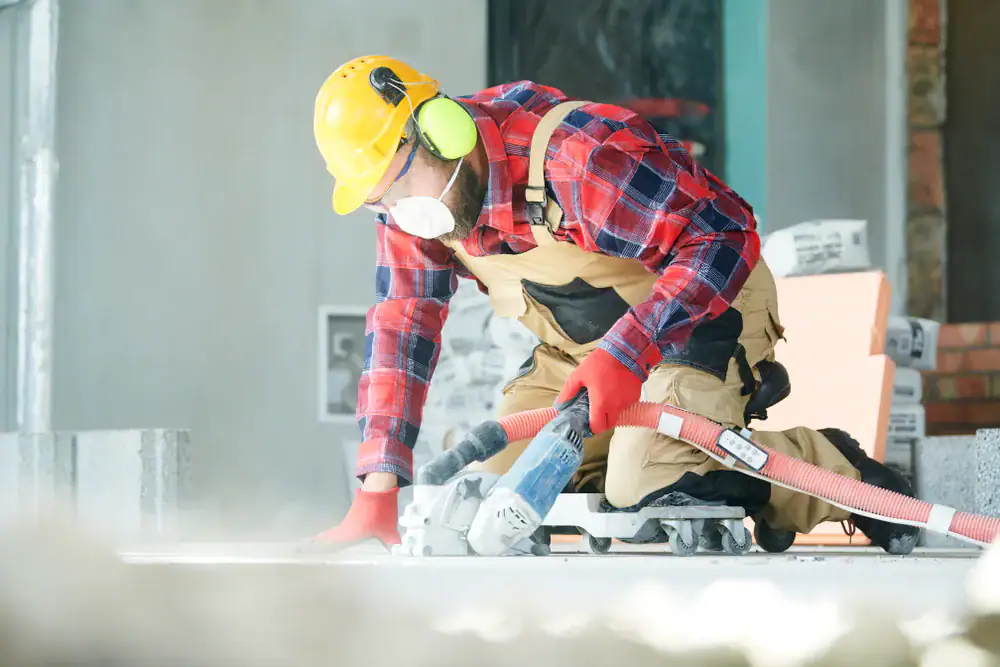
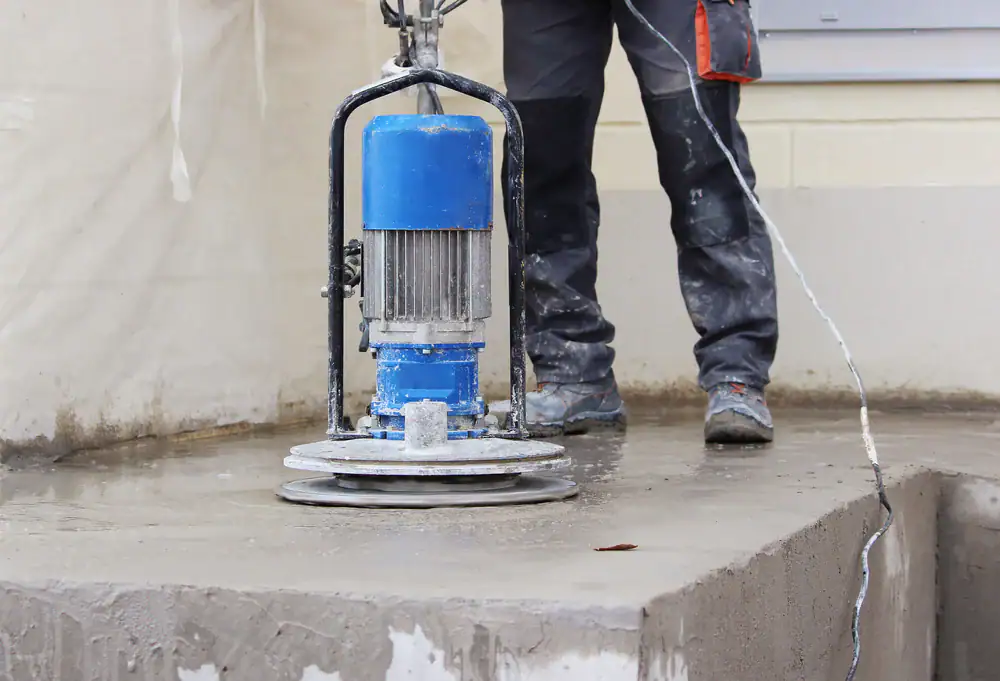
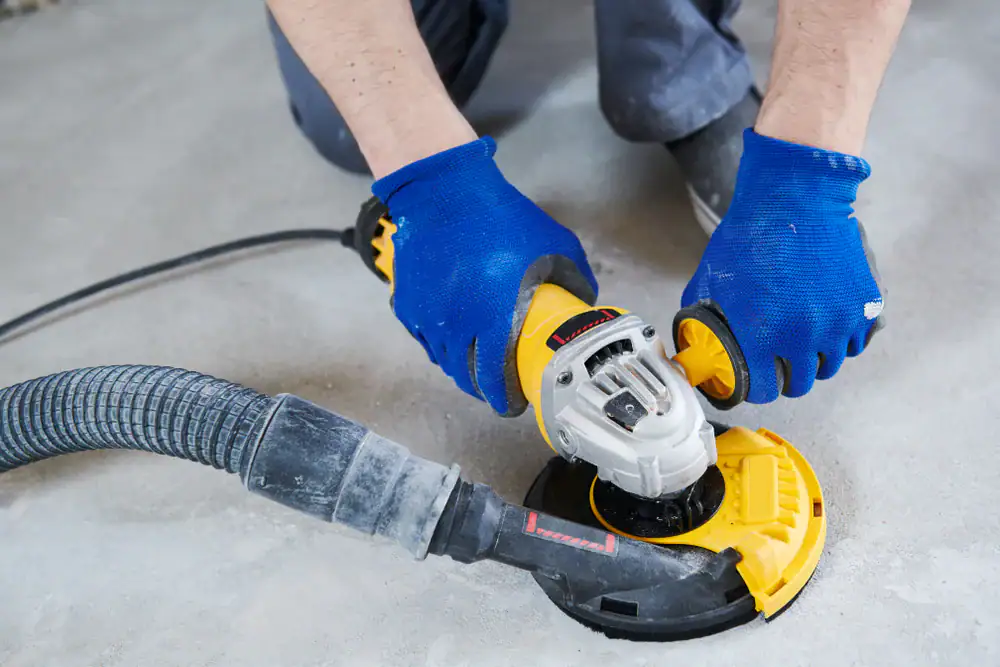
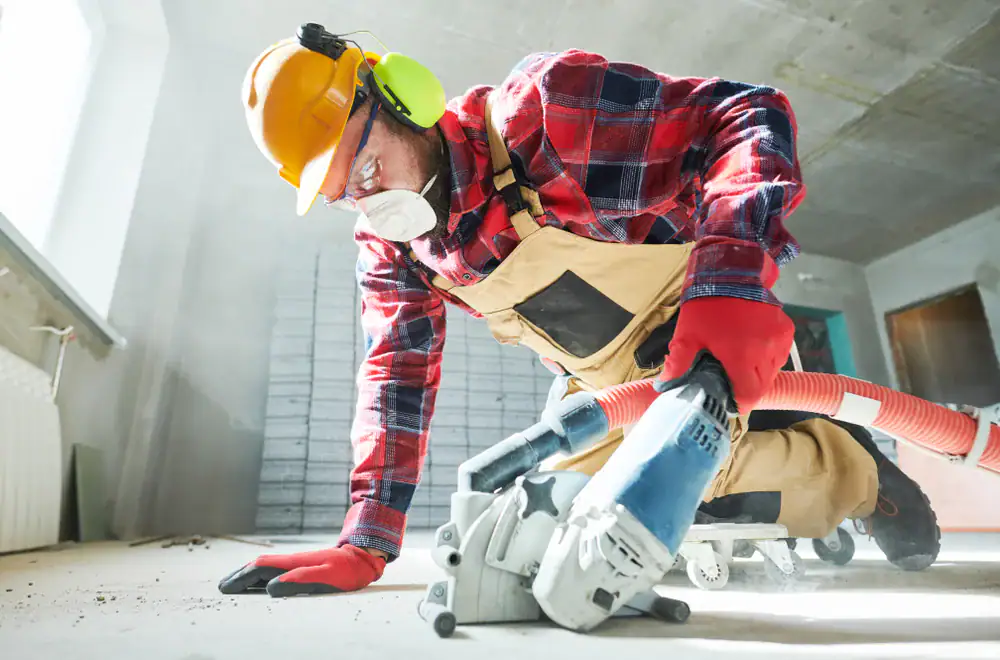
The grinding itself uses industrial diamond tooling to remove the damaged surface layer and expose fresh concrete. We work progressively through finer grits to achieve the finish level you need, whether that’s a matte surface for maximum traction or a high-gloss polish for reflectivity and appearance. Our equipment includes dust-containment systems, so you’re not dealing with concrete dust throughout your facility.
After grinding, we apply a densifier that penetrates the concrete and triggers a chemical reaction. This hardens the surface at a molecular level and creates a floor that’s significantly more durable than untreated concrete. The final polish brings out the natural aggregate and creates a reflective finish that’s easy to clean and maintain.
Most projects can be completed without shutting down your entire operation. We can work in phases, section by section, so you maintain functionality throughout the process. For urgent situations, we offer 24-48 hour turnaround on smaller areas like commercial kitchens or high-traffic zones that need immediate attention.
Ready to get started?
Concrete Restoration Services St Lucie West
Our concrete grinding service includes surface evaluation, diamond grinding to your specified finish level, densification treatment, and final polishing. We also handle surface repairs for cracks, spalls, or joint damage before grinding begins, because a polished floor is only as good as the substrate underneath it.
St Lucie West’s commercial and industrial facilities face specific challenges. The Treasure Coast’s proximity to salt air accelerates surface degradation. Temperature swings cause expansion and contraction that can crack poorly maintained concrete. High humidity creates moisture issues that affect adhesion and curing. We account for all of these factors in our process.
You’ll also get transparent pricing before we start. We provide detailed quotes after the site assessment so you know exactly what you’re paying for. No surprise charges. No hidden fees. We discuss timeline expectations upfront and stick to them.
The finished surface requires minimal maintenance compared to traditional flooring. Regular dust mopping and occasional damp mopping with a neutral cleaner are usually sufficient. No waxing. No stripping. No expensive specialty products. Properly maintained polished concrete in Florida’s commercial environments can last 30+ years, which makes it one of the most cost-effective flooring solutions available.
How long does concrete grinding take for a commercial facility?
Timeline depends on square footage, current condition, and the finish level you need. A 10,000 square foot warehouse with moderate surface damage typically takes 3-5 days from start to finish, including grinding, densification, and polishing.
Smaller areas move faster. We can complete a 2,000 square foot commercial kitchen in 24-48 hours if you need emergency service. Larger facilities over 50,000 square feet might take two weeks, but we can phase the work so you’re not shut down completely.
Surface condition matters more than size in some cases. Heavily damaged concrete with deep cracks, spalling, or previous coating failures requires more prep work before we can start grinding. We’ll identify these issues during the initial assessment and give you an accurate timeline based on what we find.
Will concrete grinding create dust throughout my facility?
Not with the equipment we use. Our grinding machines have integrated dust-containment systems that capture 99% of airborne particles at the source. You’ll see some fine dust immediately around the work area, but it won’t spread throughout your facility or coat your inventory, equipment, or merchandise.
This matters for facilities that need to stay operational during the project. Retail spaces, manufacturing plants, and warehouses can’t afford to have dust settling on products or interfering with machinery. Our containment systems let us work in one section while the rest of your facility operates normally.
We also clean as we go. Each day ends with a thorough cleanup of the work area so you’re not left with concrete residue or debris. For facilities with strict cleanliness requirements like food processing plants or medical facilities, we can implement additional containment measures including temporary barriers and negative air pressure systems.
How does polished concrete hold up to forklift traffic and heavy machinery?
Polished concrete is one of the most durable flooring options for heavy industrial use. The densification process we use increases the surface hardness significantly, creating a floor that resists abrasion, impact, and the constant wear from steel wheels and heavy loads.
Forklifts create two main types of damage: surface abrasion from turning and point loading from the weight concentration on small wheels. Properly ground and densified concrete handles both better than most alternatives. The surface won’t chip, peel, or delaminate like coatings do. It won’t compress or dent like softer materials.
You’ll eventually see wear patterns in high-traffic areas, but we’re talking about years of use before that becomes visible. When it does happen, the floor can be repolished to restore the finish without starting over from scratch. Compare that to epoxy coatings that fail within 2-3 years under heavy traffic, or tile floors that crack and require constant repairs. Polished concrete is a long-term solution for facilities that can’t afford frequent flooring replacements.
What’s the difference between concrete grinding and epoxy coating?
Concrete grinding works with your existing slab. We’re removing damaged material and polishing what’s underneath to create a durable, finished surface. Epoxy coating covers the concrete with a resin layer that sits on top of the slab.
Both have their place, but they solve different problems. Grinding is better for high-traffic areas, heavy machinery, and situations where you need maximum durability without ongoing maintenance. The floor becomes harder and more abrasion-resistant through the densification process. Epoxy is better when you need chemical resistance, specific color requirements, or a seamless surface for cleanroom environments.
Cost and longevity differ significantly. Grinding costs more upfront but lasts 30+ years with minimal maintenance. Epoxy costs less initially but typically needs replacement every 5-10 years, especially in Florida’s climate where UV exposure and temperature fluctuations cause coating failures. We offer both services and can recommend the right solution based on your specific needs, traffic patterns, and budget. Sometimes the answer is grinding in high-wear areas and epoxy in zones with different requirements.
Can you grind concrete that has old coatings or adhesive residue?
Yes, but it requires additional prep work. Old epoxy, paint, adhesives, or other coatings need to be removed before we can grind the concrete effectively. These materials clog the diamond tooling and prevent proper surface preparation.
We handle coating removal as part of the project. The method depends on what’s on your floor. Some coatings can be ground off. Others require chemical stripping or mechanical removal before grinding begins. Adhesive residue from old tile or carpet is common in commercial renovations, and we have specific processes for dealing with each type.
This prep work adds time and cost to the project, but it’s necessary for a quality result. Trying to grind through thick coatings or heavy adhesive contamination produces an inconsistent finish and damages equipment. We’ll assess your floor’s condition during the initial consultation and give you an accurate quote that includes all necessary prep work. The goal is a clean, properly prepared surface before we start the actual grinding process.
How soon can we use the floor after concrete grinding is complete?
Light foot traffic is usually fine within 2-4 hours after the final polish. Full operational use including forklifts and heavy equipment can resume within 24 hours. There’s no curing time like you’d have with coatings or overlays.
This quick turnaround is one of the main advantages of polished concrete for commercial facilities. You’re not waiting days or weeks for materials to cure before you can move equipment back in or resume normal operations. The grinding and polishing process creates a finished surface that’s ready to use as soon as we’re done.
We do recommend waiting 48-72 hours before implementing your regular cleaning routine. This gives the densifier time to fully react with the concrete and reach maximum hardness. During this period, just sweep or dust mop to remove any fine residue. After that, you can clean normally with a neutral pH cleaner and water. No special products required.
Other Services we provide in St Lucie West
Leave a Reply