


Concrete Grinding in Stacey Street, FL
Floors That Last Decades, Not Just Years
Hear from Our Customers
Concrete Floor Grinding Contractors Near Stacey Street
Your concrete doesn’t just look better. It performs better.
Grinding removes surface damage, levels uneven slabs, and creates the profile needed for epoxy, coatings, or polished finishes. You’re left with a floor that’s safer, easier to maintain, and built to handle years of foot traffic, forklifts, or whatever your space demands.
In Stacey Street and across South Florida, humidity and moisture are constant threats. Proper concrete grinding addresses surface deterioration before it spreads, stopping small cracks from becoming expensive problems. The process also improves traction, which matters in warehouses, garages, kitchens, and any space where slips or trips could mean liability.
Most jobs wrap in 24 to 48 hours. You’re not waiting weeks for a usable floor. And because grinding is dustless with the right equipment, there’s no cleanup nightmare or respiratory risk for your team.
Trusted Concrete Grinding Services in Stacey Street
We’ve been serving Stacey Street, FL and surrounding areas since 2020. We’ve handled concrete grinding and resurfacing for the U.S. Coast Guard, Army facilities, City of Doral, City of Sunny Isles, and multiple high schools across the region.
That’s not name-dropping. It’s proof that when precision, timeline, and safety matter, we deliver.
We don’t subcontract. Every grinder, every operator, every consultation comes directly from our team. You get transparent pricing up front, a 1-on-1 walkthrough of what’s happening, and follow-up calls to make sure the floor is holding up the way it should.
Our Concrete Grinding Process in Stacey Street
First, we assess your slab. That means checking for cracks, moisture issues, existing coatings, and the level of surface damage. This determines which diamond grit sequence we’ll use and whether any repairs need to happen before grinding starts.
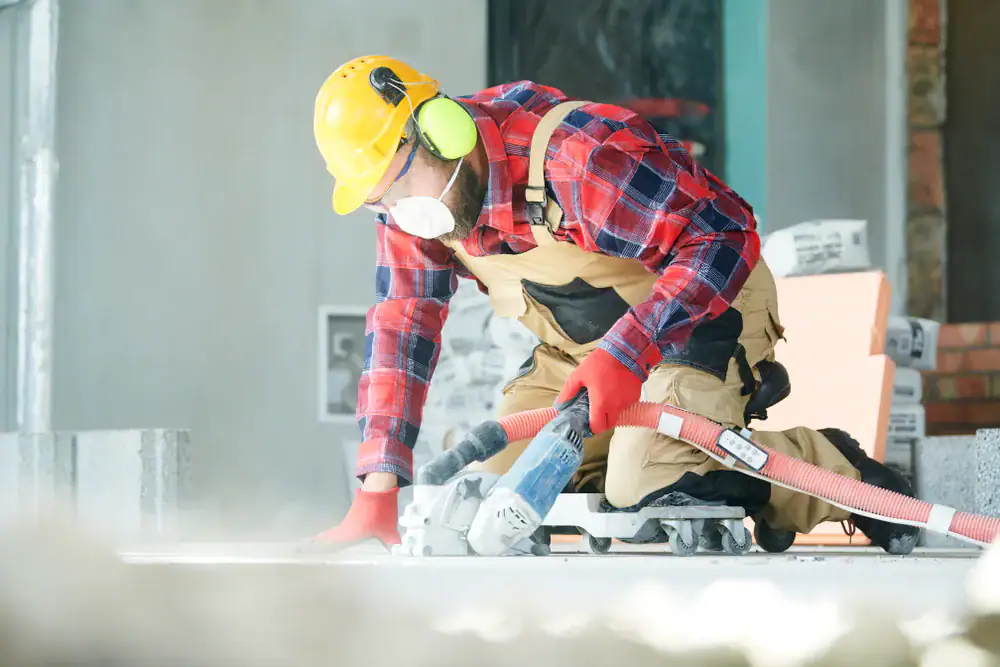
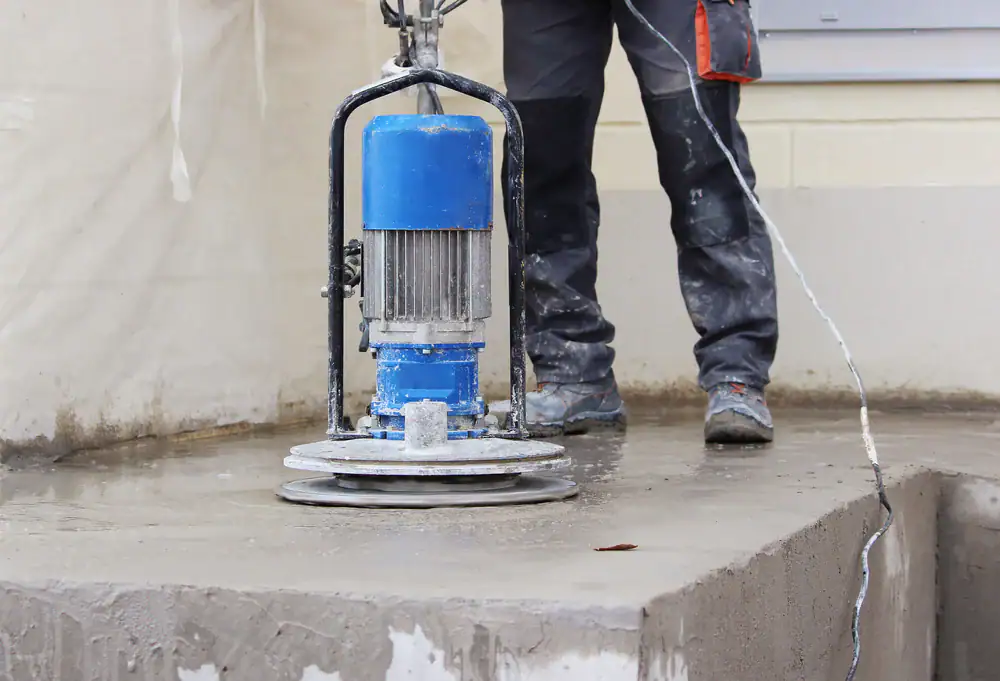
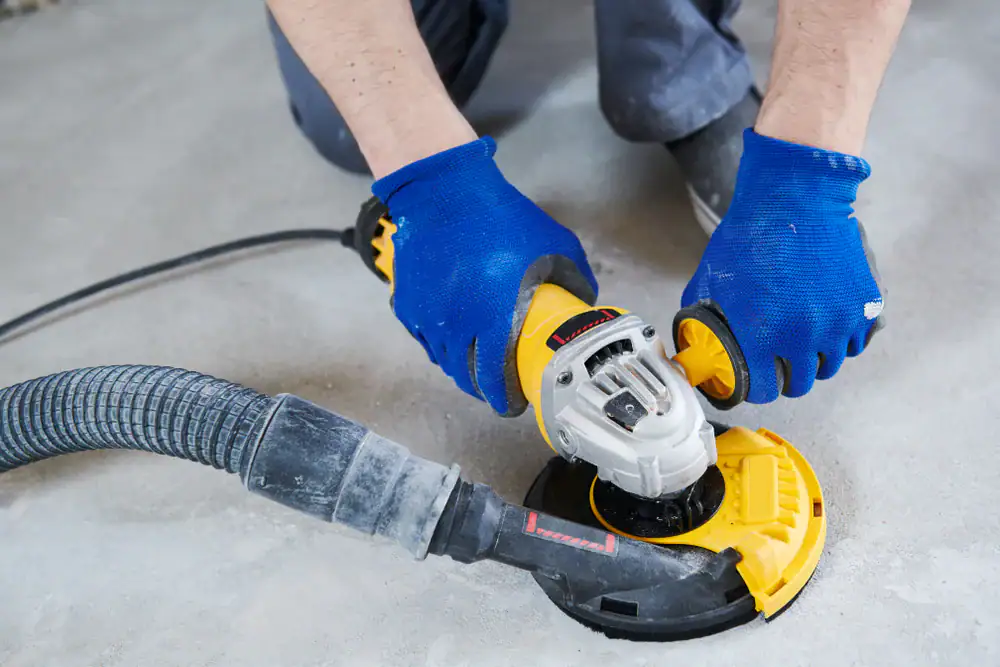
Next, we grind. Our equipment uses industrial diamond tooling to remove the top layer of concrete, exposing a clean, level surface. Depending on your goal—whether it’s prep for epoxy, polished concrete, or just leveling—we adjust the grit from coarse to fine. The process is dustless because we use HEPA-filtered vacuums that capture 99% of particles.
After grinding, we clean and inspect. Any remaining debris gets removed, and we check the surface profile to ensure it’s ready for the next step, whether that’s sealing, coating, or polishing. If you’re moving forward with a finish, we coordinate timing so there’s no gap between prep and application.
Most concrete grinding projects in Stacey Street wrap within 24 to 48 hours, depending on square footage and surface condition. You’re not losing days of productivity or dealing with extended shutdowns.
Ready to get started?
What’s Included in Concrete Grinding Services
Concrete grinding isn’t just running a machine across your floor. It’s surface preparation, damage removal, and creating the foundation for whatever comes next.
You’re getting dustless grinding with HEPA filtration, which matters in Florida where humidity already makes air quality a challenge. You’re also getting trip hazard elimination—those small lips and offsets that cause falls and liability claims get leveled out completely.
In Stacey Street and the surrounding area, moisture intrusion is a constant issue. Grinding exposes problem areas early, so you’re not sealing over hidden damage that’ll resurface in six months. We also handle concrete restoration services for spalling, surface pitting, and discoloration caused by Florida’s coastal climate.
If your floor needs polished concrete or epoxy afterward, grinding creates the mechanical bond that makes coatings stick. Skip this step or do it poorly, and your coating fails early. Do it right, and you’re looking at 20+ years of performance with minimal maintenance.

How much does concrete grinding cost compared to replacing the slab?
Grinding costs about one-tenth of full slab replacement. If you’re looking at $10,000 to tear out and repour, grinding typically runs $1,000 to $1,500 for the same area, depending on condition and square footage.
Replacement also means downtime. You’re waiting for demolition, hauling, new concrete to cure, and then whatever finish you’re applying. That’s weeks, not days. Grinding gets you back to operational in 24 to 48 hours in most cases.
The only time replacement makes sense is if your slab has structural failure—deep cracks, severe settling, or rebar corrosion. For surface damage, uneven wear, or prep work, grinding is faster and cheaper.
Is concrete grinding really dustless, or is that just marketing?
It’s dustless when the contractor uses proper equipment. We run HEPA-filtered vacuums that connect directly to the grinder, capturing 99% of silica dust before it enters the air.
This matters in Florida, where OSHA regulations around silica exposure are strict, especially in commercial and industrial settings. If you’re running a food facility, pharmaceutical space, or anywhere with sensitive products, dust contamination isn’t just inconvenient—it’s a shutdown risk.
Traditional grinding without dust control creates a respiratory hazard and a cleanup nightmare. Dustless systems eliminate both. You’re not dealing with powder covering every surface or workers needing respirators for days after the job wraps.
How long does concrete grinding take for a typical commercial space?
Most commercial concrete grinding projects in Stacey Street finish within 24 to 48 hours, depending on square footage and surface condition. A 2,000-square-foot warehouse floor with moderate wear usually takes one full day.
If your slab has heavy damage, multiple coatings to remove, or requires several grit passes for polished concrete, it might stretch to two days. But you’re not looking at week-long shutdowns.
Timing also depends on what’s happening after grinding. If we’re immediately applying epoxy or a sealer, we coordinate so there’s no gap. If you’re handling the next phase separately, we clean up and you’re ready to use the space as soon as the dust settles—which, with our equipment, is immediate.
Can you grind concrete that already has epoxy or coatings on it?
Yes. Grinding removes old epoxy, paint, sealers, and adhesives. That’s actually one of the most common reasons contractors call us—they need a clean surface for a new coating, and the existing finish is failing or incompatible.
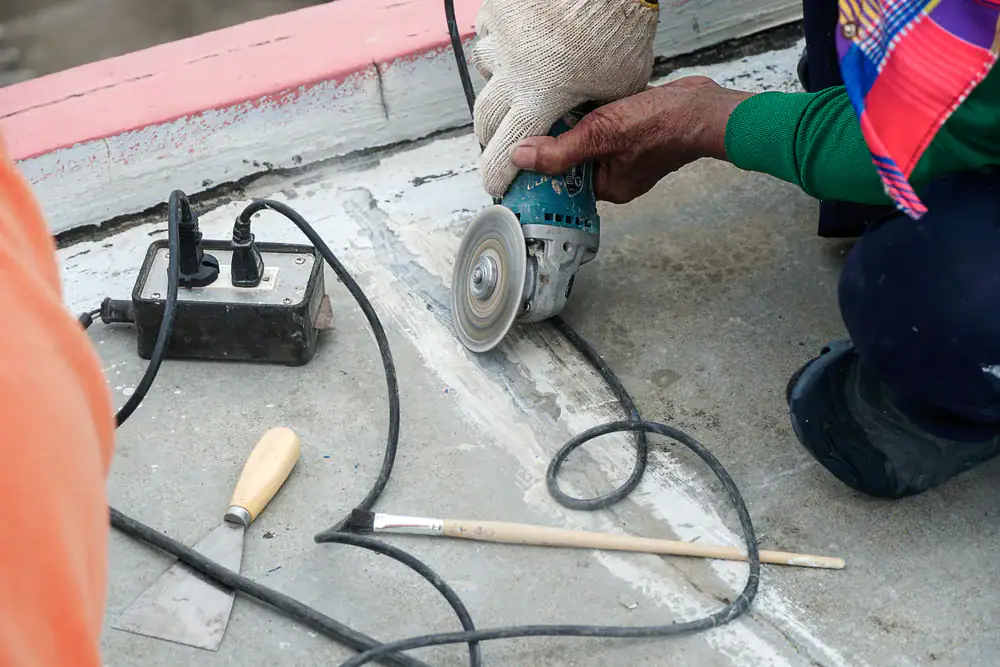
The process uses coarse diamond tooling to strip the old material down to bare concrete. Depending on how thick the coating is and how well it’s bonded, this might take a few extra passes, but it’s faster and cleaner than chemical stripping.
In South Florida, we see a lot of epoxy that was applied over improperly prepped concrete. It bubbles, peels, or debonds within a year. Grinding gives you a fresh start and the mechanical profile needed for the new coating to actually stick long-term.
What’s the difference between concrete grinding and polished concrete?
Grinding is the prep step. Polished concrete is the finish. You can’t get to polished without grinding first.
Concrete grinding removes the top layer, levels the surface, and exposes aggregate. Polishing takes that ground surface and refines it through progressively finer diamond grits, then applies a densifier and burnishes it to a shine. The result is a glossy, durable floor that reflects light and resists staining.
If you just need surface prep for epoxy or coatings, grinding stops after the profile is right. If you want polished concrete as the final finish, grinding is step one of a longer process. Both start the same way, but polished concrete adds several more phases and a higher cost per square foot.
Does concrete grinding fix cracks or just surface issues?
Grinding levels the surface and removes damaged concrete, but it doesn’t repair structural cracks. If your slab has cracks wider than a quarter-inch or signs of settling, those need to be filled and stabilized before grinding starts.
What grinding does fix: surface spalling, minor lips and offsets, coating residue, staining, and uneven wear. It also exposes hidden damage so you’re not sealing over problems that’ll worsen under a new finish.
In Stacey Street and across Florida, moisture intrusion causes a lot of subsurface damage that doesn’t show until you grind. We’ll catch that during the assessment and recommend crack repair or joint sealing if needed. Grinding alone won’t stop a crack from spreading, but it will remove the deteriorated concrete around it so repairs hold better.
Other Services we provide in Stacey Street
Leave a Reply