


Concrete Grinding in Tradition, FL
Surfaces That Actually Hold Up to Real Use
Hear from Our Customers
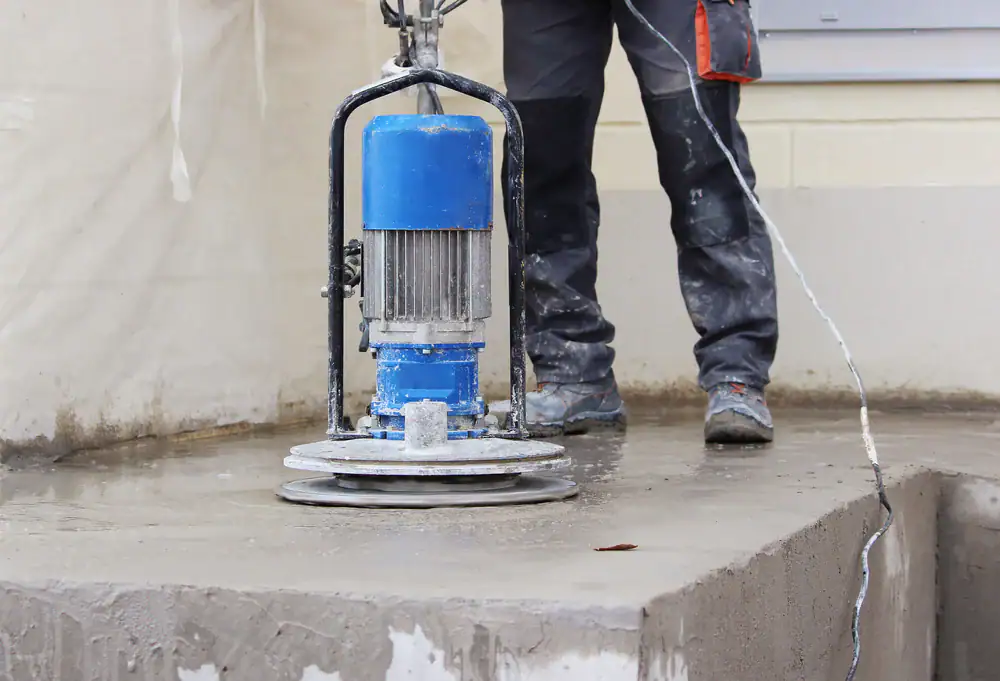
Concrete Surface Preparation in Tradition
You’re looking at a floor that won’t bubble, peel, or fail in six months because someone skipped the prep work. Concrete grinding removes the weak surface layer, eliminates contaminants, and creates the profile your coating needs to bond correctly.
Most coating failures trace back to surface prep. The concrete looked clean, but oils, curing compounds, or a weak top layer were still there. Grinding takes care of that. It also levels out minor pits, removes old coatings completely, and gives you a smooth, even base.
If you’re putting epoxy down, installing a polished system, or applying any kind of sealer, the surface profile matters. Too smooth and nothing sticks. Too rough and you’re burning through product trying to fill valleys. Proper grinding hits the middle—enough tooth for adhesion, smooth enough for a clean finish.
Concrete Grinding Contractors Serving Tradition
SPF Industrial is a veteran-owned concrete contractor based in South Florida. We’ve handled floors for the Coast Guard, US Army facilities, municipal buildings in Doral and Sunny Isles, and high schools across the region. Everything’s done in-house with our full-time crew—no subcontractors.
Tradition sits in a growing corridor where residential development and commercial expansion are both moving fast. You need contractors who show up on time, do what they said they’d do, and don’t disappear when there’s a problem. We’ve built our reputation on that baseline expectation, and we plan to keep it.
We work directly with property owners and facility managers whenever possible. That means transparent pricing, clear timelines, and someone who actually answers the phone when you call.
Our Concrete Grinding Process in Tradition
First, we assess the slab. We’re checking for cracks, spalling, moisture issues, and any existing coatings. If there’s a problem that grinding won’t fix, we’ll tell you before we start.
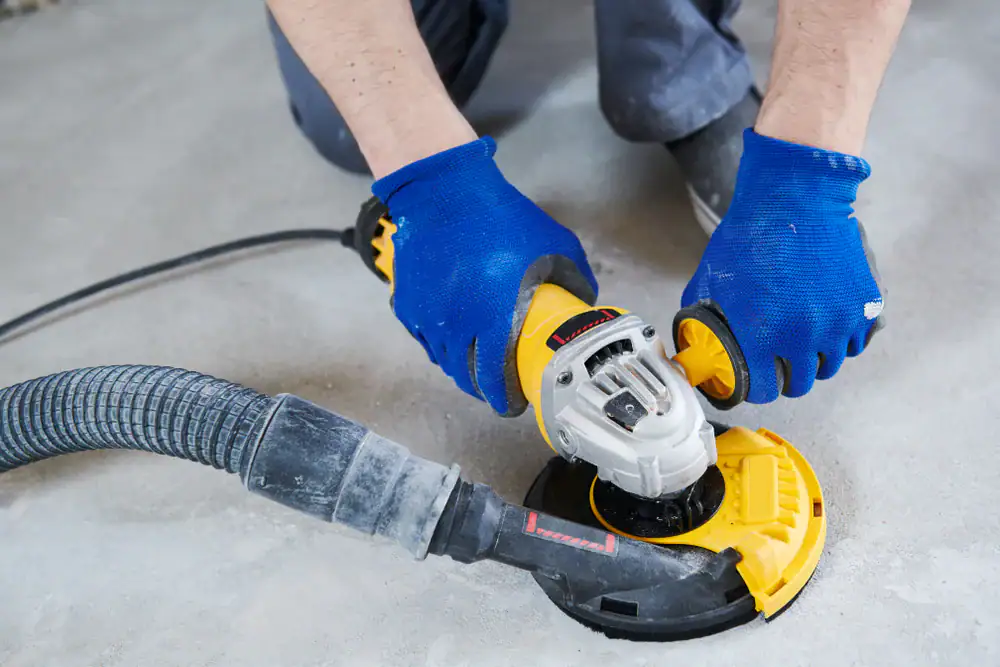
Next comes the actual grinding. We use diamond-bit grinders to remove the top layer of concrete, level out high spots, and eliminate surface contaminants. Depending on what’s going on top, we adjust the grit to create the right profile. For thin-mil coatings, we go finer. For thicker epoxy systems, we open it up a bit more.
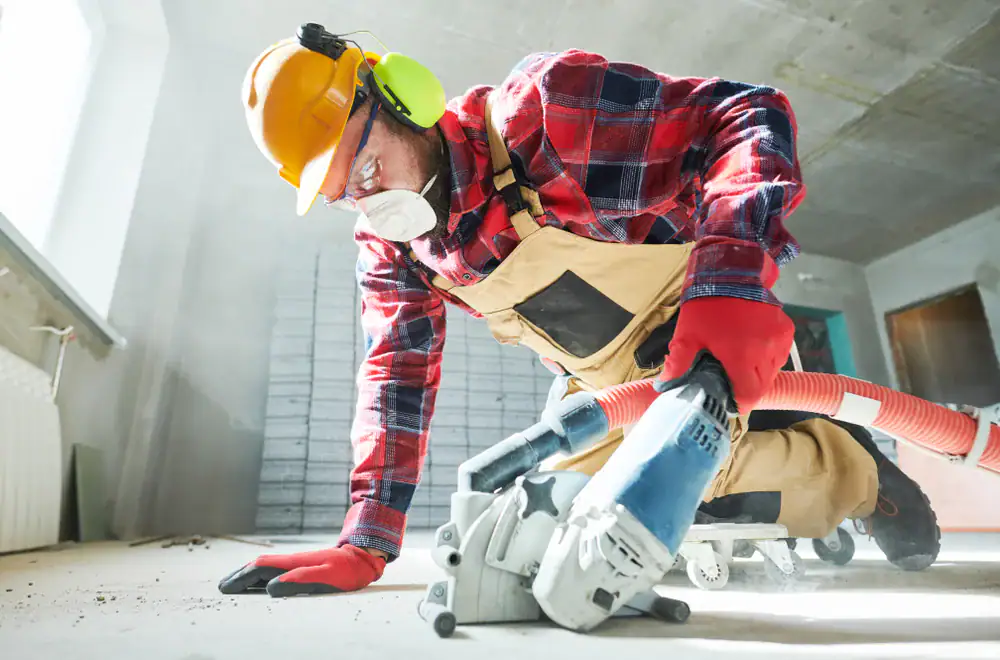
We offer dustless grinding for occupied spaces or projects where airborne silica is a concern. The equipment captures dust at the source using HEPA filtration, so you’re not dealing with a job site that looks like a sandstorm hit it. After grinding, we handle crack repairs and any patching that’s needed. Then we clean the surface completely—no dust, no residue. At that point, the slab is ready for whatever system you’re installing.
Ready to get started?
Concrete Grinding Services in Tradition, FL
You’re getting full surface preparation handled by people who do this every day. That includes diamond grinding to the profile your project requires, removal of old coatings or sealers, leveling of uneven areas, and elimination of surface contaminants that would cause adhesion failure.
Tradition’s construction activity has picked up significantly in the past few years. New residential communities, retail centers, and light industrial facilities are all going in. That means a lot of new concrete—and a lot of concrete that needs proper prep before coatings, polishing, or resurfacing happens. Florida’s climate also means moisture management matters. We’re checking for it before we grind, because putting a coating over a slab with moisture issues is just setting you up for failure.
We also handle repairs during the prep phase. Small cracks get filled, spalled areas get patched, and joints get addressed if needed. The goal is a surface that’s structurally sound and ready for the next step. If you’re doing epoxy, polished concrete, or any decorative system, this is the foundation that determines how the finished product performs. We use Sherwin Williams and Fosroc products when coatings go down, and we can turn around emergency projects in 24 to 48 hours if your timeline is tight.
How long does concrete grinding take for a typical commercial space?
It depends on square footage, slab condition, and what profile you need. A 5,000-square-foot warehouse floor in decent shape usually takes one to two days for grinding and cleanup. If there are old coatings to remove or significant leveling work, add another day.
Dustless grinding takes a bit longer than traditional methods because the equipment moves slower to maintain suction and capture dust. But you’re not spending extra days on cleanup, and the space stays usable for other trades if it’s an active job site. For residential garages or smaller areas, we’re typically in and out in a day. If you need a fast turnaround, we can often mobilize within 24 to 48 hours and work evenings or weekends to avoid disrupting your operations.
What’s the difference between concrete grinding and shot blasting?
Both remove the surface layer, but they do it differently. Grinding uses rotating diamond bits to cut into the concrete. It’s more precise, gives you better control over the profile, and works well for leveling uneven areas or removing thick coatings.
Shot blasting uses steel shot fired at high speed to fracture and remove the surface. It’s faster on large, open areas and creates an aggressive profile. But it’s louder, harder to control in tight spaces, and doesn’t level as effectively. For epoxy prep or polished concrete, grinding is usually the better choice. For big industrial floors where you need a rough profile fast, shot blasting makes sense. We do both, and we’ll recommend whichever method fits your project and budget.
Can you grind concrete that already has epoxy or coating on it?
Yes. That’s one of the main reasons people call us. Old epoxy that’s peeling, bubbling, or worn through needs to come off before you recoat. Grinding removes it completely and gives you a clean surface to start over.
Some coatings come off easier than others. Thin sealers usually grind off quickly. Thick epoxy systems or urethane coatings take more passes and more aggressive grit. If the existing coating is still bonded well, we can sometimes grind it down, profile it, and recoat over it—but only if the underlying concrete is sound and there’s no moisture issue. Most of the time, full removal is the safer bet. It takes longer, but you’re not gambling on whether the old coating will hold up under the new one.
Do I need dustless grinding, or is regular grinding fine?
If the space is occupied, you’re working inside an active facility, or you’re concerned about silica exposure, dustless grinding is worth it. The equipment costs more and the process takes a bit longer, but you’re not shutting down operations or dealing with dust that migrates into offices, inventory, or HVAC systems.
Regular grinding is fine for outdoor work, vacant buildings, or projects where dust containment isn’t a priority. You’ll still need to clean up afterward, but it’s faster and costs less. OSHA has tightened silica regulations in recent years, so if you have workers on-site or you’re in a commercial or industrial setting, dustless grinding often makes compliance easier. We carry both setups and can walk you through which one makes sense for your situation.
How smooth can you get concrete with grinding?
Smooth enough for thin coatings, but grinding alone won’t give you a polished finish. If you want that high-gloss, reflective look, you’re moving into polished concrete territory, which involves progressively finer grits and densifiers. Grinding gets you to a clean, level surface with a consistent profile.
For epoxy or urethane coatings, you don’t want it too smooth—the coating needs some tooth to grab onto. We typically stop at a medium grit that gives you a flat surface without over-polishing it. If there are small pits or aggregate exposure, we can patch those before coating. If you’re after a polished concrete floor, that’s a different process with more steps, but grinding is still the first phase. We handle both, so if you’re not sure which direction to go, we can look at the slab and talk through options.
What happens if the concrete has cracks or damage?
We assess that before grinding starts. Small hairline cracks usually get ground down and filled as part of the prep. Larger cracks or spalled areas need repair first—either with epoxy crack filler or a patching compound, depending on the width and depth.
If the slab has structural issues, grinding won’t fix that. We’ll point it out and recommend bringing in a structural engineer or concrete repair specialist if needed. Most of the time, though, we’re dealing with cosmetic cracks or surface damage that’s easily repairable. Once repairs cure, we grind over them to blend everything in and create a uniform surface. The goal is a floor that looks clean and performs well, not one that’s hiding problems under a coating.
Other Services we provide in Tradition
Leave a Reply