


Concrete Grinding in Viking, FL
Smooth, Durable Floors Without the Dust or Delays
Hear from Our Customers
Professional Concrete Grinding Services Viking
You get a surface that’s actually ready for what comes next. No high spots that’ll telegraph through your coating. No rough patches that wear through in six months. Just a clean, level profile that bonds properly and lasts.
Most concrete floor problems start with bad prep. Coatings fail because the surface wasn’t ground correctly. Polished floors look uneven because someone skipped steps or used worn equipment. You’re not just paying for the grinding itself—you’re paying to avoid having to redo the entire floor in a year.
The difference shows up in how your space looks and how long it holds up. Smooth concrete reflects light better, making warehouses and garages brighter. Properly ground floors resist moisture penetration and wear more evenly. You spend less time dealing with dust, cracks, and surface degradation.
Viking properties deal with humidity, temperature swings, and heavy use. Your concrete needs to handle all of it. Grinding done right strengthens the surface, opens the pores for proper coating adhesion, and removes the weak top layer that causes most durability issues.
Concrete Floor Grinding Contractors Viking
We’ve been handling concrete grinding and epoxy flooring across South Florida since 2020. We’ve worked on Coast Guard facilities, US Army projects, and municipal buildings in Doral and Sunny Isles. That’s not name-dropping—it’s proof that our work gets vetted at levels most contractors never see.
Viking sits in northern Broward County, where residential garages and small commercial spaces need the same attention to detail as government facilities. We bring that same standard whether we’re grinding a 5,000-square-foot warehouse floor or prepping your two-car garage for epoxy.
We’re not the biggest operation in South Florida, but we’re the one that shows up on time, prices things transparently, and finishes kitchen floors in 24 to 48 hours when you need it done fast. Most of our work comes from people who got burned by contractors who didn’t communicate or didn’t follow through.
Concrete Grinding Process Viking FL
First, we assess what you’re starting with. Old coatings, uneven pours, surface damage—it all determines how aggressive we need to be with the grind. We’re looking at the concrete’s condition and what you’re planning to do with it after we’re done.
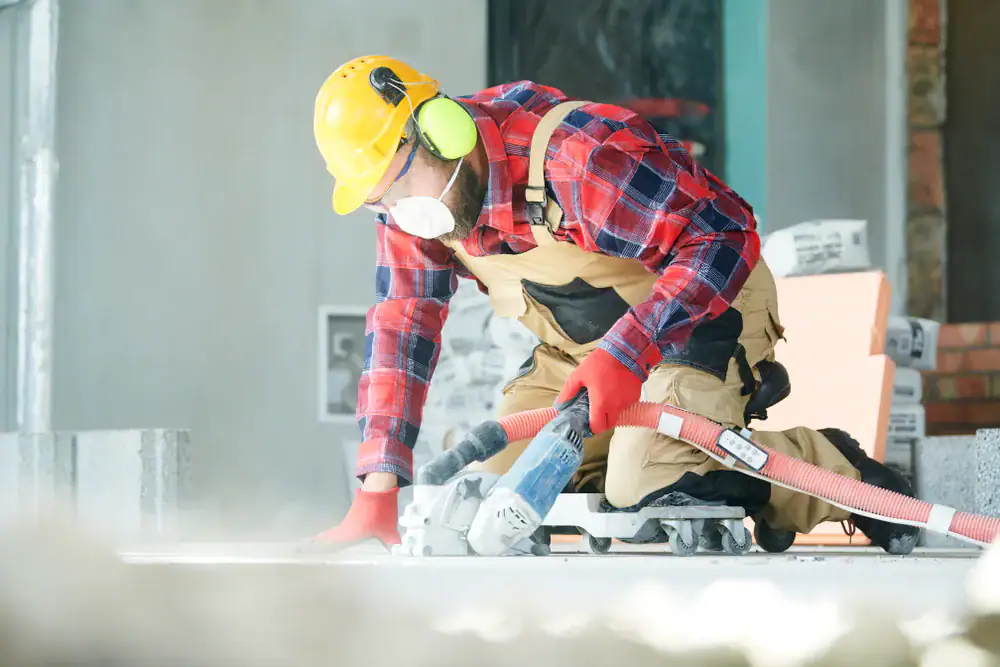
Then we set up dust containment. Our equipment uses HEPA filtration systems that capture virtually all the silica dust. You’re not dealing with a layer of powder covering everything in the room or breathing in particles for the next week. The space stays cleaner, and so do your lungs.
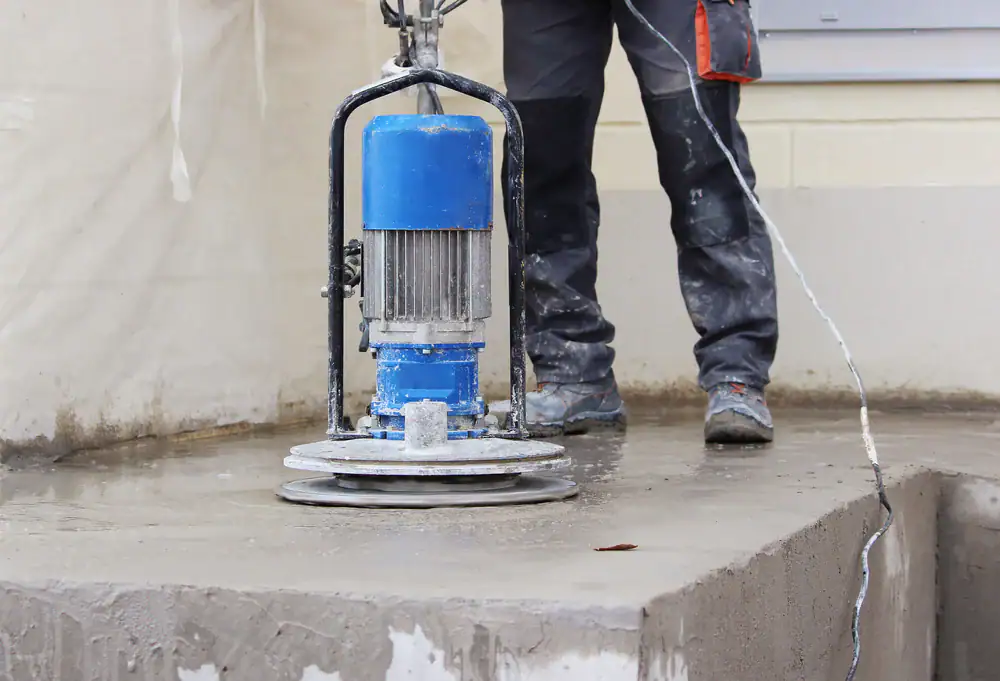
We grind in stages, starting with coarser diamonds to remove coatings and level the surface, then moving to finer grits to achieve the profile you need. For epoxy prep, that’s typically a rougher finish that gives the coating something to grab. For polished concrete, we keep going until the surface is smooth and reflective.
The timeline depends on square footage and what we’re removing. A standard two-car garage takes a day. Larger commercial spaces might take two to three days. We don’t rush it—grinding too fast leaves swirl marks and uneven spots that show up later.
After grinding, we clean everything thoroughly and inspect for any areas that need touch-up. You get a floor that’s ready for the next step, whether that’s epoxy, polishing, or another coating system.
Ready to get started?
Concrete Grinding Services Viking Florida
You get a full surface assessment before we start. We’re checking for cracks, previous coatings, moisture issues, and anything else that’ll affect the grind. If there’s a problem, you hear about it upfront—not halfway through the job.
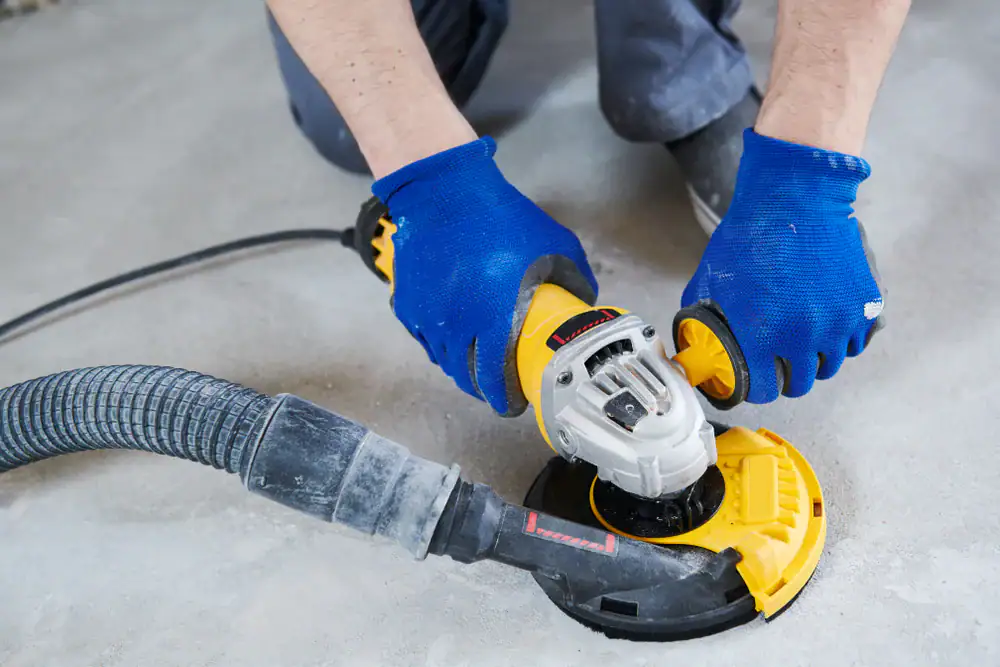
Dustless grinding equipment is standard, not an upcharge. We use professional-grade grinders with built-in dust collection that connects to HEPA-filtered vacuums. The difference between our setup and a basic grinder with no dust control is massive. Your space stays functional, and you’re not dealing with cleanup for days afterward.
Viking’s mix of residential and light industrial properties means we handle everything from garage floors to retail spaces to small warehouses. Concrete here deals with Florida humidity, occasional flooding, and the thermal stress of going from air-conditioned interiors to hot outdoor temps. Proper grinding removes the weak surface layer and opens the concrete’s pores so sealers and coatings actually penetrate instead of just sitting on top.
We work with Sherwin Williams and Fosroc products when you’re ready for the next step. If you’re just grinding for a polished concrete finish, we take it all the way to the sheen level you want. If you’re prepping for epoxy, we create the profile that gives you maximum bond strength.
Turnaround is fast. Most residential projects finish in one to two days. Commercial spaces depend on size, but we’re not the crew that drags a three-day job into two weeks.

How much dust does concrete grinding actually create?
Traditional concrete grinding creates a massive amount of silica dust. It coats everything in the room, seeps into adjacent spaces, and poses real respiratory risks. That’s why OSHA has strict regulations about silica exposure on job sites.
We use dustless grinding systems that capture 99% of the dust at the source. The grinder connects directly to a HEPA-filtered vacuum that pulls the dust into a containment system before it ever becomes airborne. You’ll see some fine residue, but nothing like the thick layer that standard grinding leaves behind.
This matters for two reasons. First, it’s healthier—you’re not breathing in crystalline silica, which causes serious lung problems with repeated exposure. Second, it’s cleaner—you don’t spend days wiping down every surface in your facility or home after we leave. The space is usable much faster.
What’s the difference between grinding for epoxy versus polished concrete?
The end profile is completely different. When we’re grinding for epoxy or coating prep, we’re creating a rough surface texture—called a profile—that gives the epoxy something to mechanically bond to. Think of it like roughing up a surface before gluing something down. The coating needs that texture to grab and hold.
For polished concrete, we’re doing the opposite. We start with aggressive grinding to level everything and remove any coatings, then progressively move through finer and finer diamond grits. Each pass makes the surface smoother until it’s reflective. The final result looks almost like polished stone.
The equipment is similar, but the process and timeline are different. Epoxy prep is faster—we’re not chasing a mirror finish. Polished concrete takes longer because we’re going through multiple grit stages and often applying densifiers that harden the concrete chemically. Both require skill to do right, but they’re solving different problems.
How do I know if my concrete needs grinding?
If you’re applying any kind of coating—epoxy, polyurethane, polyaspartic—you need grinding. Coatings don’t bond to smooth concrete or old sealers. They need a clean, profiled surface. Skipping this step is why most DIY epoxy jobs fail within a year.
You also need grinding if your concrete has an old coating that’s failing, high spots from an uneven pour, or surface damage like spalling or scaling. Grinding removes the compromised layer and gets you down to sound concrete. It’s the only way to truly level a floor without pouring a new overlay.
For polished concrete, grinding is the entire process. You’re not adding anything—you’re refining what’s already there. If you want that high-gloss, reflective look without coatings, grinding and polishing is how you get it. It’s also a good option if your concrete is stained or discolored and you want to expose fresh material underneath.
How long does concrete grinding take for a typical garage?
A standard two-car garage takes about a day, sometimes less if the concrete is in good shape and we’re just doing basic prep. Larger three-car garages or spaces with heavy coatings might stretch into a day and a half.
The variables are how much old coating we’re removing, how uneven the floor is, and what profile you need. Thick epoxy or multiple layers of paint take longer to grind through. Badly poured concrete with lots of high and low spots requires more passes to level out.
We don’t rush it. Grinding too fast leaves swirl marks, burns the concrete, or creates an uneven profile. You want consistent results across the entire floor, and that takes the time it takes. Most residential projects finish in one to two days total. We’re usually done and cleaned up faster than you expect.
Can you grind concrete that already has epoxy on it?
Yes, and we do it regularly. Old epoxy, paint, sealers—grinding removes all of it. The key is using the right diamonds and enough passes to get through the coating and into the concrete underneath.
Some coatings are harder to remove than others. Thick industrial epoxies take more time than a basic garage floor paint. If the coating is failing and peeling, that actually makes it easier—we’re just cleaning up what’s already letting go. If it’s still well-adhered, we’re grinding through the full thickness.
Once the coating is off, we keep grinding to create the profile you need for whatever comes next. You end up with a clean surface that’s ready for a new coating system. This is way more cost-effective than tearing out and replacing the concrete, and it gives you a better result than trying to coat over old, failing material.
Do you offer concrete grinding for commercial spaces in Viking?
Yes. We handle commercial concrete grinding for warehouses, retail spaces, restaurants, and light industrial facilities throughout Viking and northern Broward County. The process is the same as residential, just scaled up.
Commercial projects usually involve more square footage, tighter timelines, and specific performance requirements. You might need a certain slip resistance rating, a specific profile depth for your coating system, or compliance with local codes. We work with you to meet those specs.
We’ve done concrete grinding for government and military facilities, so we understand documentation, scheduling around business hours, and maintaining safety standards on active job sites. Most commercial grinding projects take two to five days depending on size and complexity. We’ll walk the space, give you a realistic timeline, and price it transparently before we start.
Other Services we provide in Viking
Leave a Reply