


Concrete Grinding in Wellington, FL
Floors That Last Decades, Not Just Years
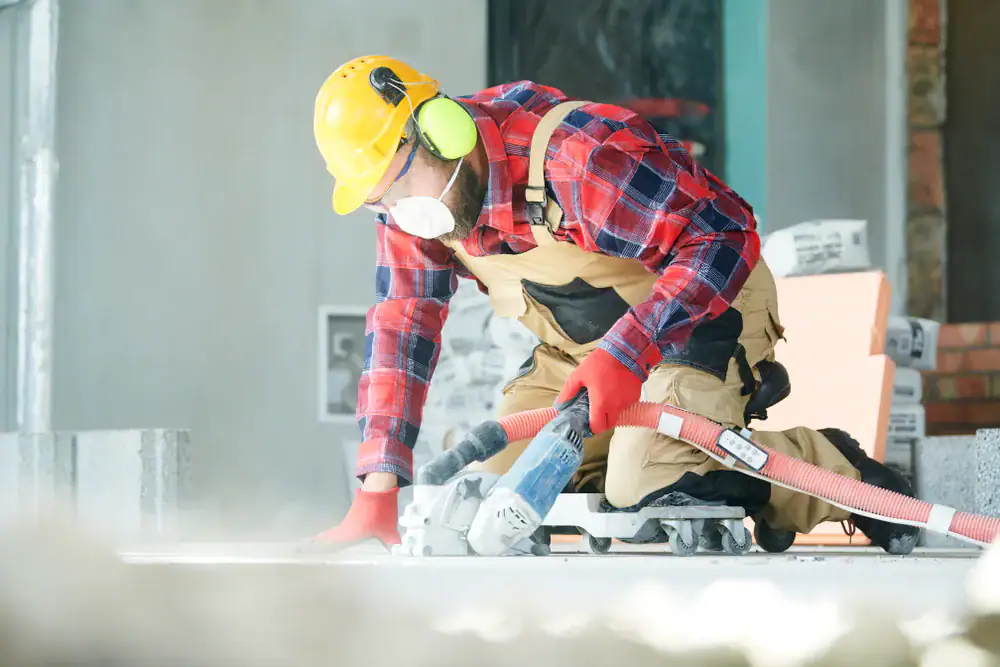
Hear from Our Customers
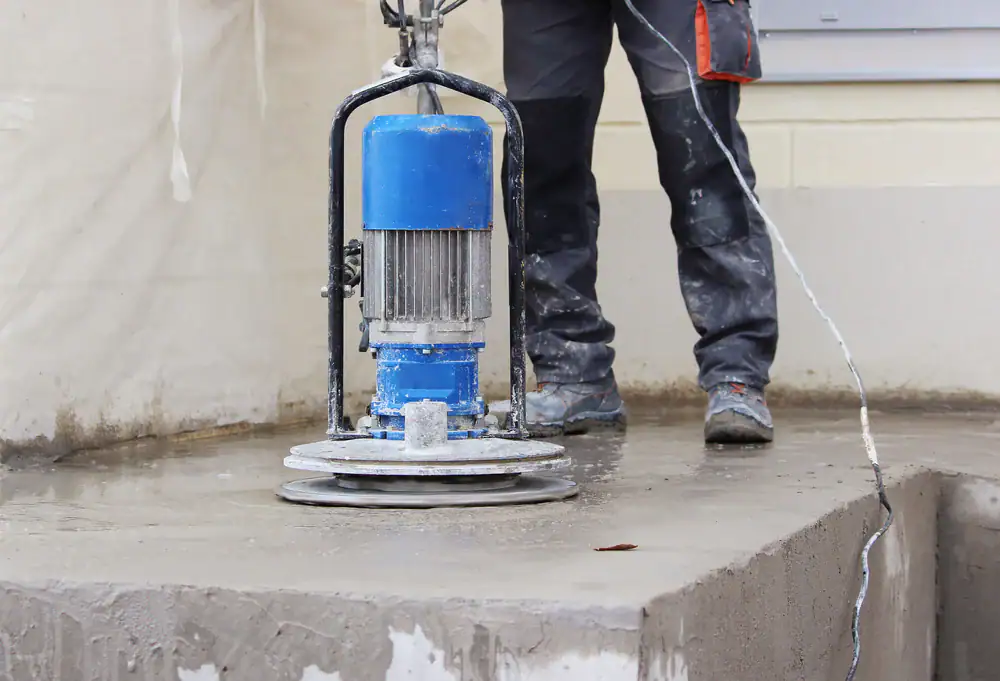
Professional Concrete Grinding Services Wellington
Your floor won’t bubble, peel, or fail in six months because someone skipped the moisture test or used a consumer-grade grinder. That’s what happens when concrete grinding contractors cut corners in Wellington’s climate.
Proper concrete surface preparation means your coating bonds at the molecular level. It means contaminants, oils, and weak surface layers are completely removed before anything gets applied. It means the concrete is profiled to the exact depth your coating system requires.
The result is a floor that handles forklift traffic, resists chemical spills, and looks sharp for 20+ years instead of needing a redo in two. You’re not paying for the grinding itself. You’re paying to avoid the $30,000 mistake of doing it twice.
Concrete Grinding Contractors Near Wellington
We’ve been handling concrete grinding and epoxy flooring projects across South Florida since 2020. We work with the same clients the government trusts: Coast Guard facilities, Army installations, City of Doral, City of Sunny Isles, and county projects that can’t afford to fail.
Wellington’s commercial and industrial properties face unique challenges. High water tables, humidity that never quits, and salt air that accelerates concrete degradation. We test for moisture vapor emissions before grinding, not after, because we’ve seen what happens when contractors skip that step in Palm Beach County.
Our equipment isn’t what most residential contractors bring to a job site. We use commercial-grade diamond grinding systems with HEPA filtration that captures 99.97% of silica dust. That matters when OSHA can shut down your facility for concrete dust violations, and it matters when your employees are breathing that air.
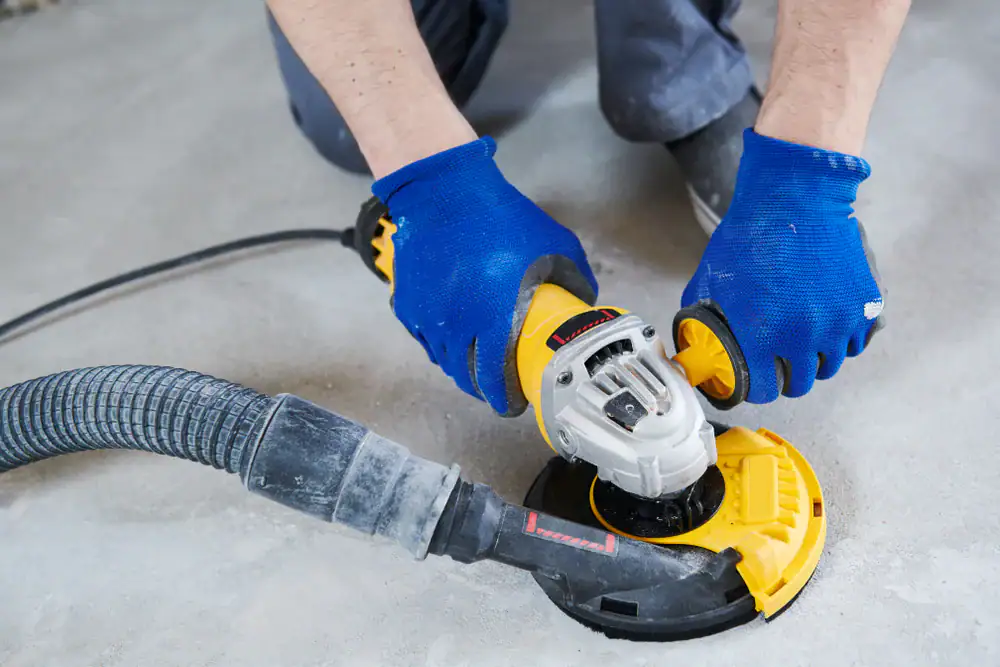
Concrete Floor Grinding Process Wellington
First, we test the slab. Moisture meters, calcium chloride tests, and visual inspection for cracks, spalling, or previous coating failures. If your concrete is pushing moisture, we know before we start grinding, not after your new floor fails.
Then we profile the surface. Diamond grinding removes the top layer of concrete, eliminates imperfections, and creates the anchor pattern your coating needs to bond. Dustless systems mean your facility stays operational. No shutting down adjacent areas, no concrete dust settling on inventory or equipment.
We’re removing laitance, oils, curing compounds, and any contamination that would prevent adhesion. The concrete gets opened up so coatings can penetrate and lock in. For polished concrete, we’re working through progressively finer grits until the surface hits the gloss level you specified.
Final step is cleanup and inspection. The slab gets vacuumed, any remaining dust is removed, and we verify the profile depth matches your coating manufacturer’s requirements. Then you’re ready for whatever system goes on top, or the polished surface is sealed and you’re done.
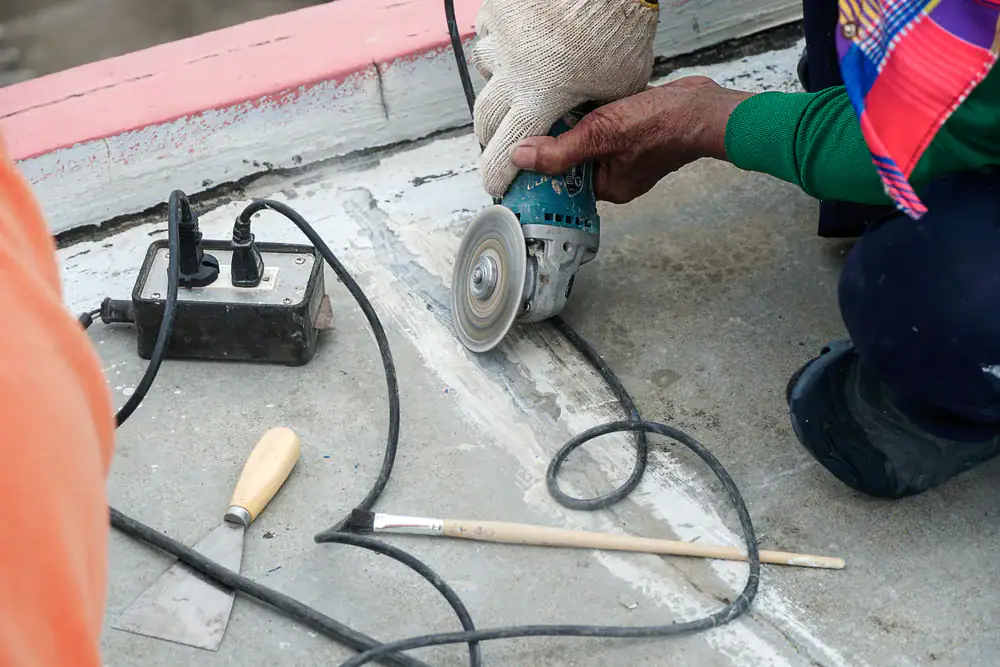
Ready to get started?
Concrete Restoration Services Wellington FL
You get commercial-grade equipment most concrete grinding contractors in Wellington don’t own. We’re talking planetary grinders for large areas, edge grinders for perimeter work, and HEPA filtration systems that meet OSHA silica dust standards. This isn’t a rental from Home Depot.
Moisture testing is standard, not optional. Wellington sits in an area with high water tables and seasonal flooding. We use calcium chloride testing to measure moisture vapor emission rates. If your slab is pushing more than 3 pounds per 1,000 square feet per 24 hours, we’re telling you before grinding starts, and we’re recommending moisture mitigation systems if needed.
Surface profile verification means we’re hitting ICRI CSP standards for whatever coating system you’re installing. CSP 1-2 for thin epoxies, CSP 3-4 for thicker systems or high-build coatings. We’re not guessing. We’re measuring and confirming before we leave.
You also get transparent pricing and realistic timelines. Most commercial projects in Wellington take 1-3 days depending on square footage. We’re not disappearing for two weeks or showing up whenever we feel like it. You get a start date, a completion date, and we hit both.

How long does concrete grinding take for a commercial warehouse in Wellington?
Most commercial warehouse projects in Wellington take between one and three days, depending on square footage and the condition of your existing concrete. A 10,000 square foot warehouse with relatively clean concrete typically takes two full days with our crew and equipment.
The timeline changes if we’re removing old coatings, dealing with significant surface damage, or working around your operational schedule. Some facilities need us to work nights or weekends to avoid disrupting business. We can do that, but it extends the calendar time even if the actual grinding hours stay the same.
Weather doesn’t usually impact indoor grinding, but humidity levels in Wellington can affect when coatings get applied after grinding. We’re not grinding on Monday and coating on Tuesday if the humidity is 85% and your slab is still releasing moisture. We’ll tell you the realistic timeline based on actual conditions, not what sounds good in a sales pitch.
What’s the difference between dustless and regular concrete grinding?
Regular concrete grinding creates silica dust that can exceed OSHA exposure limits by 50 times or more. That dust settles on everything, creates respiratory hazards, and can shut down your facility if an inspector shows up. It’s also nearly impossible to clean up completely without professional equipment.
Dustless concrete grinding uses integrated vacuum systems with HEPA filtration that captures 99.97% of particles as they’re created. The grinder has a shroud that connects directly to industrial vacuums, so dust never becomes airborne. Your facility stays cleaner, your employees stay safer, and you stay compliant with OSHA silica dust regulations.
The grinding results are also better with dustless systems. When dust isn’t covering the surface, we can see exactly what we’re doing in real time. We catch low spots, identify problem areas, and adjust our approach immediately instead of discovering issues after the dust settles. It’s not just safer – it’s more precise.
Why do concrete coatings fail in Florida, and how does grinding prevent that?
Coatings fail in Wellington and throughout South Florida primarily because of moisture vapor transmission and inadequate surface preparation. Florida’s high water tables and humidity mean concrete slabs are constantly dealing with moisture pressure from below. If that moisture can’t escape, it pushes coatings off from underneath, causing bubbling, peeling, and delamination.
Proper concrete grinding removes the contaminated surface layer and opens the concrete’s pore structure so moisture issues become visible before coating. We test for moisture vapor emission rates after grinding. If your slab is pushing too much moisture, we know to install a moisture mitigation system before any coating goes down. Most contractors skip this test and hope for the best.
The grinding process also removes oils, curing compounds, old sealers, and laitance that prevent chemical bonding. Even new concrete has a weak surface layer that needs to come off. Without proper grinding and profiling, coatings are basically sitting on top of concrete instead of bonding into it. The first time a forklift makes a hard turn or something heavy gets dragged across the floor, that coating is coming up. Grinding done right prevents all of that.
Can you grind concrete in an occupied building without shutting down operations?
Yes, if we’re using dustless grinding systems and you can section off the work area. Our equipment captures dust at the source, so adjacent spaces stay clean enough to keep working. We’ve ground floors in active warehouses, retail spaces that stayed open, and government facilities that couldn’t shut down.
The noise is the bigger issue than dust. Concrete grinders aren’t quiet. If you’ve got office staff working 30 feet away, they’re going to hear it. For those situations, we typically work nights, weekends, or during your slowest operational hours. A 5,000 square foot section can usually be ground in one overnight shift.
Some projects genuinely need a full shutdown. If we’re grinding your entire facility, dealing with major surface repairs, or working in a space where dust contamination would be catastrophic (like food processing or clean rooms), you’ll need to clear out. We’ll tell you upfront which scenario applies to your project. Most Wellington commercial clients can stay partially operational, but we’re not going to promise something that isn’t realistic for your specific situation.
How much does professional concrete grinding cost in Wellington?
Professional concrete grinding in Wellington typically runs between $2 and $6 per square foot, depending on the condition of your concrete, what needs to be removed, and the profile depth required. A straightforward grind on clean concrete sits at the lower end. Removing thick epoxy coatings, dealing with damaged concrete, or grinding to a deep profile for heavy-duty coatings pushes costs higher.
Most commercial projects we handle in Wellington fall in the $3.50 to $4.50 per square foot range when you include surface preparation, grinding, and cleanup. That’s using commercial-grade equipment with dustless systems and proper moisture testing. You’ll find cheaper quotes from contractors using consumer equipment without dust control, but you’re also finding the people who create the problems we get called to fix.
The real cost comparison isn’t quote to quote – it’s what you pay now versus what you pay over the floor’s lifetime. Proper grinding adds maybe $5,000 to a mid-size commercial project. Coating failure from inadequate prep costs $30,000+ to fix because you’re tearing everything out and starting over. We give you transparent pricing upfront, and we explain exactly what you’re paying for. No surprises, no change orders unless you change the scope.
Do you need to grind concrete before applying epoxy in Florida?
Yes, absolutely. Florida’s climate makes proper concrete grinding non-negotiable before epoxy application. The humidity, moisture vapor transmission, and temperature swings in Wellington mean epoxy needs the strongest possible mechanical bond to survive. Without grinding, you’re relying on adhesion to a contaminated, weak surface layer that’s already compromised.
Grinding removes the laitance layer on concrete – that’s the weak, chalky surface that forms during curing. It also eliminates oils, dirt, old sealers, and curing compounds that act as bond breakers. Even pressure washing doesn’t remove these contaminants at the molecular level. Epoxy applied over unground concrete in Florida typically fails within 6 to 18 months.
The grinding process also creates the surface profile that epoxy needs to lock into the concrete. We’re opening up the pore structure so the epoxy can penetrate and create a mechanical bond, not just sit on top. In Wellington’s environment where moisture is constantly trying to push coatings off from below, that mechanical bond is the only thing standing between a successful floor and a $30,000 failure. Any contractor who tells you grinding is optional in Florida is someone you don’t want touching your concrete.
Other Services we provide in Wellington
Leave a Reply