


Concrete Grinding in West Little River, FL
Smooth, Safe Floors Without the Replacement Cost
Hear from Our Customers
Professional Concrete Floor Grinding Services
Uneven concrete doesn’t just look bad. It creates liability, fails inspections, and makes any coating you apply look like garbage within months.
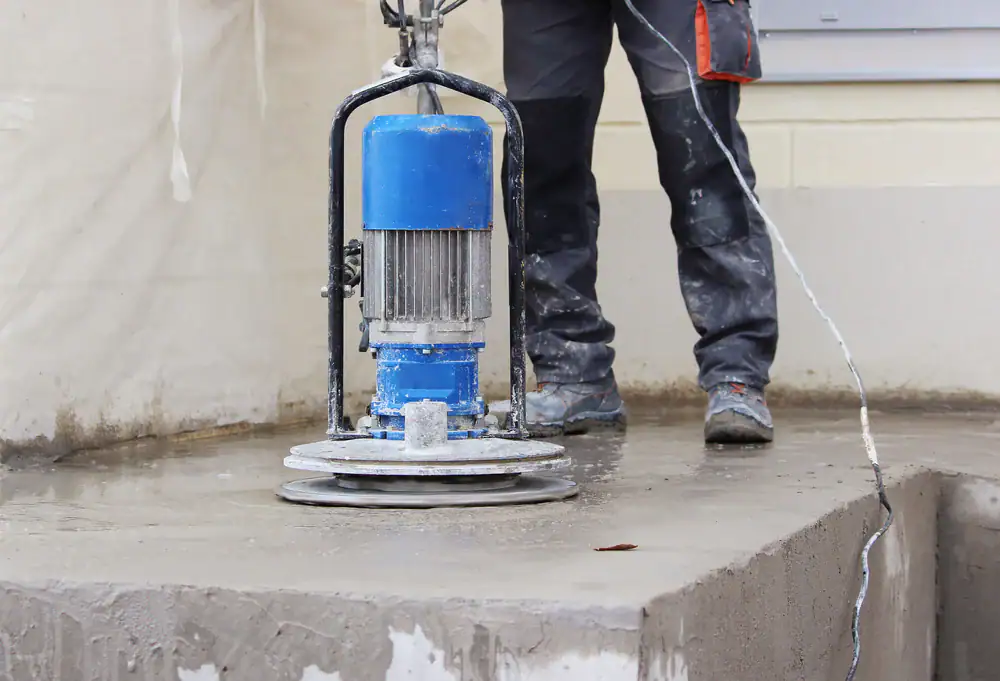
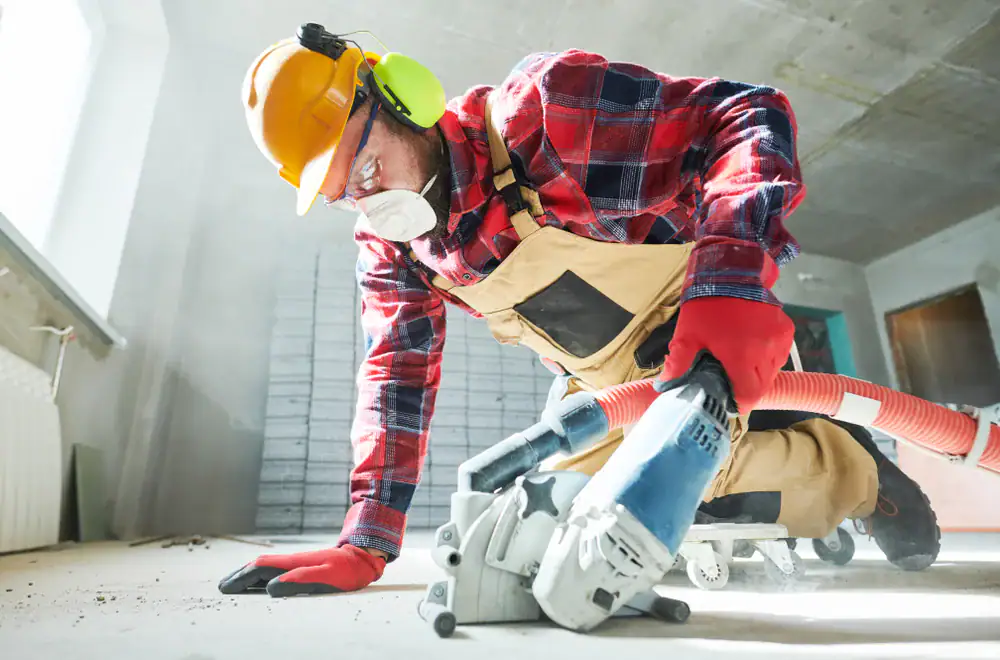
Concrete grinding corrects those surface issues. We use diamond-bit equipment to remove high spots, smooth out rough patches, and eliminate the small pits and faulting that cause coatings to fail early. The result is a clean, level profile that’s ready for sealers, epoxy, or polished finishes.
If you’re dealing with old adhesive residue, failed coatings, or concrete that’s just aged poorly in Florida’s humidity, grinding resets the surface. You’re not covering up problems—you’re removing them. That means better adhesion, longer-lasting results, and floors that actually look professional when the job is done.
This is also how you handle trip hazards without ripping out entire slabs. Smooth the transition, level the fault line, and move on.
Concrete Grinding Contractors in West Little River
We’ve been operating out of South Florida since 2020. We’re veteran-owned, which means we show up on time, do what we say we’ll do, and don’t waste your time with vague estimates or delays.
We’ve worked with the Coast Guard, the U.S. Army, the City of Doral, Sunny Isles, and multiple county school projects. If government contracts trust us with their concrete work, you can too. We’re licensed, bonded, and insured across the state.
West Little River sits in the heart of Miami-Dade, where heat, humidity, and heavy use all take a toll on concrete. We’ve been grinding, polishing, and restoring floors in this area long enough to know what works and what doesn’t. You’re not getting a national franchise or a crew learning on your dime—you’re getting people who do this every day.
Our Concrete Grinding Process
First, we assess the surface. That means checking for cracks, spalling, old coatings, contaminants, and any structural issues that grinding alone won’t fix. If something needs repair first, we’ll tell you up front.
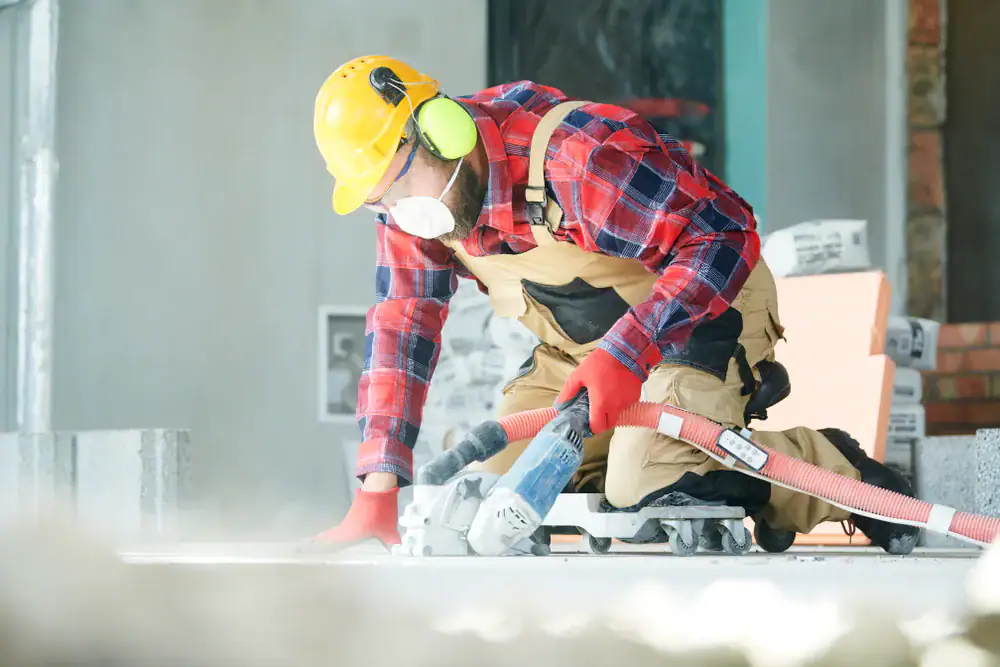
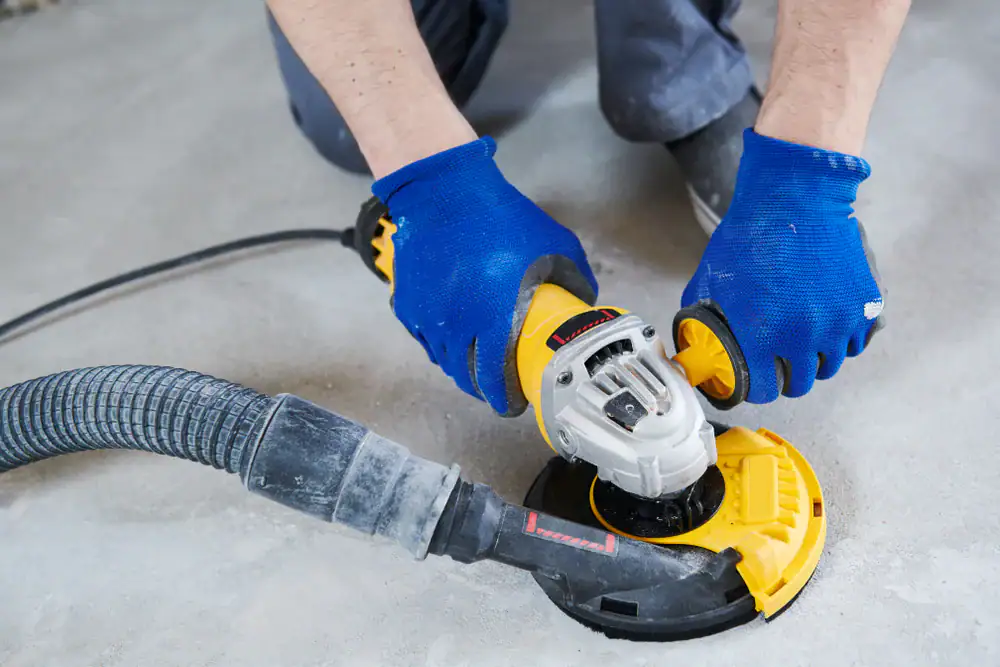
Once the surface is ready, we use industrial diamond grinding equipment to remove the top layer of concrete. This eliminates surface damage, levels out uneven areas, and opens up the pores of the concrete so coatings or sealers can bond properly. We run dustless systems whenever possible, which keeps the air clean and the site safer for everyone nearby.
The depth of the grind depends on what you’re prepping for. A light grind works for most sealer applications. A deeper grind is needed if you’re applying epoxy or dealing with heavy contamination. We adjust based on the end goal, not a one-size-fits-all approach.
After grinding, the surface is cleaned, inspected, and ready for whatever comes next—whether that’s a coating, a polish, or just leaving it as-is. If we’re doing the next step, we move right into it. If another contractor is taking over, they’ll have a surface that’s actually ready to work with.
Ready to get started?
Concrete Restoration Services in West Little River
Every concrete grinding project starts with surface prep and ends with a clean, level finish. We handle the setup, the grinding, the dust control, and the cleanup. You’re not coordinating multiple crews or dealing with equipment rentals.
In West Little River and across Miami-Dade, we see a lot of the same issues: spalling from salt exposure near the coast, cracking from ground settlement, and surface contamination from old flooring or coatings. Florida’s humidity accelerates a lot of these problems, especially in older commercial buildings or warehouses that weren’t sealed properly to begin with.
Concrete grinding removes those surface-level problems and gives you a stable base to work from. If you’re in a facility that handles food production, pharmaceuticals, or any other dust-sensitive operation, we can discuss alternatives or schedule the work during off-hours. Dustless systems help, but some environments require extra planning.
We also work with Sherwin Williams and Fosroc products, so if you’re moving into coatings or sealers after the grind, we’re using materials that are built for Florida’s climate. That matters more than most contractors will admit.
How much does concrete grinding cost in West Little River, FL?
Pricing depends on the size of the area, the condition of the concrete, and how deep the grind needs to go. A light surface grind for sealer prep costs less than a heavy grind to remove old epoxy or level out major faulting.
Most residential projects fall between a few hundred and a couple thousand dollars. Commercial jobs vary more widely based on square footage and site access. We give transparent estimates after seeing the space—no ballpark guesses over the phone that turn into surprise costs later.
If you’re comparing quotes, make sure you’re comparing the same scope. Some contractors lowball the estimate and then upsell once they’re on-site. We walk the job, explain what’s needed, and price it honestly from the start.
Is concrete grinding loud and messy, or can it be done indoors?
Concrete grinding does produce noise and dust, but we use dustless systems that capture most of the debris at the source. That makes indoor work possible in most settings, though some facilities—like food production or pharmaceutical operations—may still need to schedule around production hours.
The equipment is industrial-grade, so yes, it’s loud. If you’re in a multi-tenant building or near residential units, we can schedule work during off-peak hours to minimize disruption. We’ve done plenty of jobs in active facilities where timing mattered as much as the work itself.
Dust control isn’t perfect, but it’s significantly better than it used to be. If you’ve seen concrete grinding done ten years ago, the process has improved. We’re not leaving a layer of dust over everything in the building.
How long does a concrete grinding project take?
Most residential concrete grinding jobs take one to two days, depending on the size and condition of the surface. Commercial projects can take longer, especially if we’re working around your operating hours or dealing with a large footprint.
Surface prep and cleanup are part of that timeline. We’re not rushing through the grind and leaving you with a mess to deal with afterward. The goal is to finish the job correctly, not quickly.
If you need a faster turnaround for an emergency repair or a project with a hard deadline, we can often accommodate that. We’ve handled 24-to-48-hour turnarounds before, particularly for commercial clients who can’t afford extended downtime. Just let us know the timeline up front.
Can concrete grinding remove old epoxy or tile adhesive?
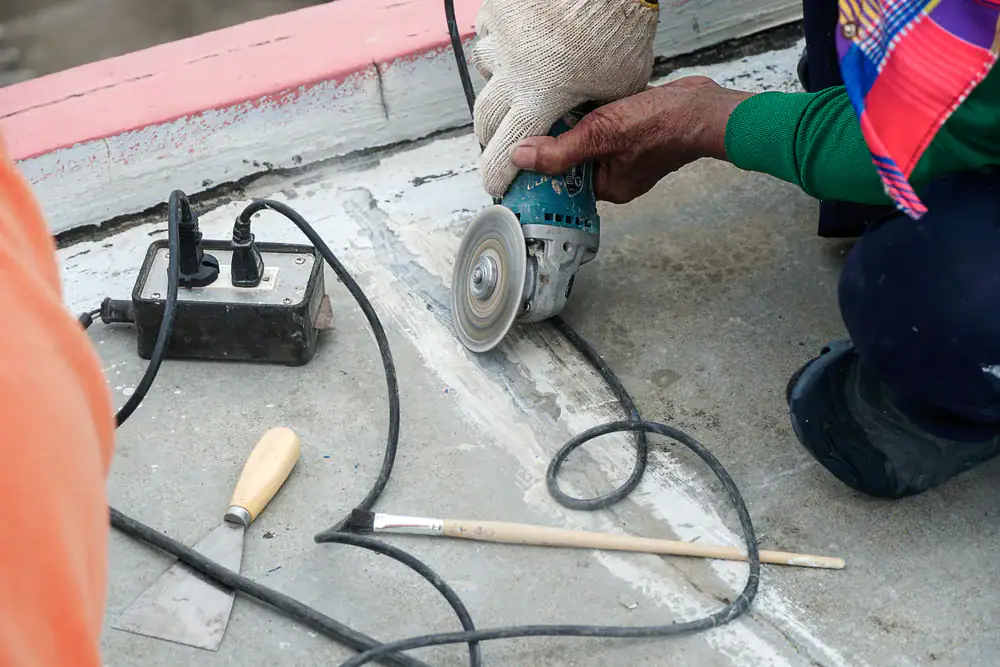
Yes. Concrete grinding is one of the most effective ways to remove old coatings, adhesives, and surface contaminants. Whether it’s failed epoxy, tile glue, or old sealers that are peeling, grinding takes it down to clean concrete.
The depth of the grind depends on how thick the old material is and how well it’s bonded. Some coatings come up easily. Others require multiple passes and more aggressive equipment. We adjust the approach based on what’s actually there, not what we hoped would be there.
This is especially common in older commercial spaces in West Little River, where floors have been patched, coated, and recoated over the years. Grinding resets the surface so you’re starting fresh, not layering new work over old problems.
Will grinding fix cracks or structural issues in my concrete?
Grinding smooths and levels the surface, but it doesn’t repair cracks or structural damage. If your concrete has cracks, spalling, or underlying issues, those need to be addressed separately before or after grinding.
We’ll identify those problems during the initial assessment. In many cases, we can handle the repairs as part of the same project—filling cracks, injecting epoxy or polyurethane, and then grinding the surface smooth once everything is stable.
If the damage is more extensive, we’ll let you know what’s needed and whether grinding even makes sense at that point. Some floors are better off resurfaced or replaced. We’re not going to grind a floor that’s going to fail in six months just to get the job.
Do I need to seal or coat the concrete after grinding?
It depends on where the floor is and how it’s used. Grinding opens up the pores of the concrete, which improves bonding for coatings but also makes the surface more vulnerable to staining and moisture if left untreated.
For most commercial and high-traffic residential applications, sealing or coating after grinding is the right move. It protects the surface, makes it easier to clean, and extends the life of the floor. We work with Sherwin Williams and Fosroc products, so if you want us to handle the coating, we can do that as part of the same project.
If you’re grinding purely for aesthetic reasons or prepping for a decorative finish like polished concrete, sealing might not be necessary right away. We’ll walk through the options based on your specific situation and what you’re trying to accomplish with the floor.
Other Services we provide in West Little River
Leave a Reply