


Concrete Grinding in West Miami, FL
Floor Prep That Actually Holds Up
Hear from Our Customers
Concrete Floor Grinding Contractors
When concrete grinding is done correctly, coatings bond the way they’re supposed to. No peeling. No bubbling. No callbacks.
The difference shows up in how long your floor lasts. Proper grinding removes contaminants, levels uneven surfaces, and opens the concrete pores so epoxy or polish can actually penetrate. Skip this step or rush through it, and everything that comes after is compromised.
Most coating failures trace back to poor surface preparation. You’re not just paying for someone to run a grinder across your slab. The profile matters. The cleanliness matters. The consistency matters. Get it right once, and your floor performs for years without the headaches.
West Miami Concrete Grinding Services
We’ve been serving West Miami and the broader Miami-Dade area since 2020. We’ve handled concrete grinding and floor prep for the Coast Guard, US Military facilities, City of Doral, City of Sunny Isles, and county projects across South Florida.
That track record matters because government work requires precision, accountability, and zero room for shortcuts. We bring that same standard to every commercial warehouse, industrial facility, and residential garage we work on.
We don’t subcontract. The crew that shows up is our crew. The equipment is ours. The results are ours to stand behind. West Miami’s construction market is competitive and fast-moving, so we’ve built our reputation on transparent pricing, direct communication, and turnaround times that keep projects on schedule.
Professional Concrete Grinding Process
First, we assess the slab condition. Existing coatings, contaminants, cracks, and surface irregularities all affect the grinding approach. We’re looking at what needs to come off and what profile depth your next layer requires.
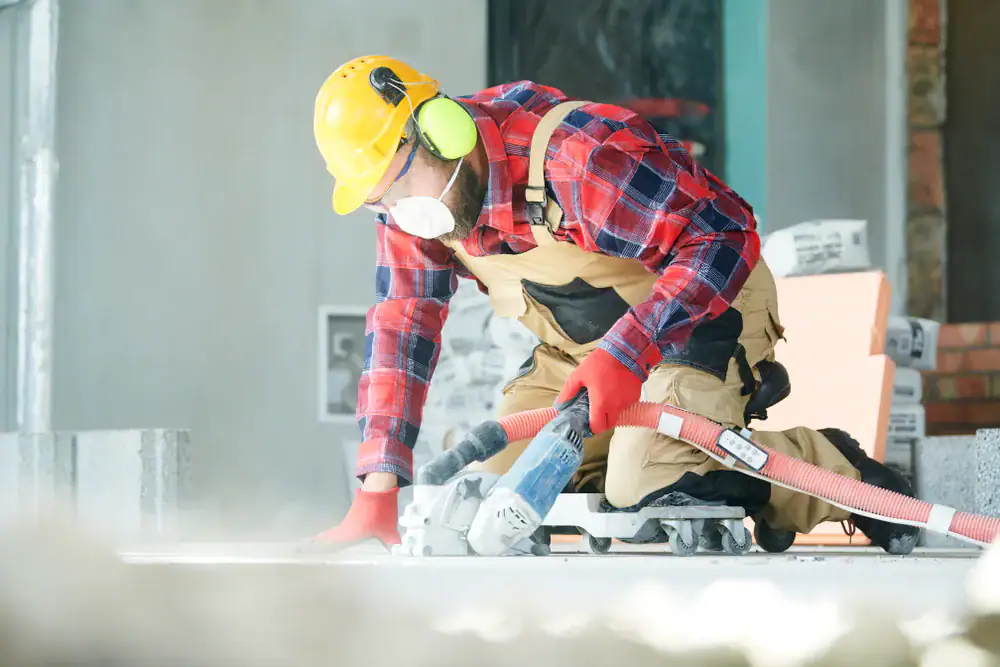
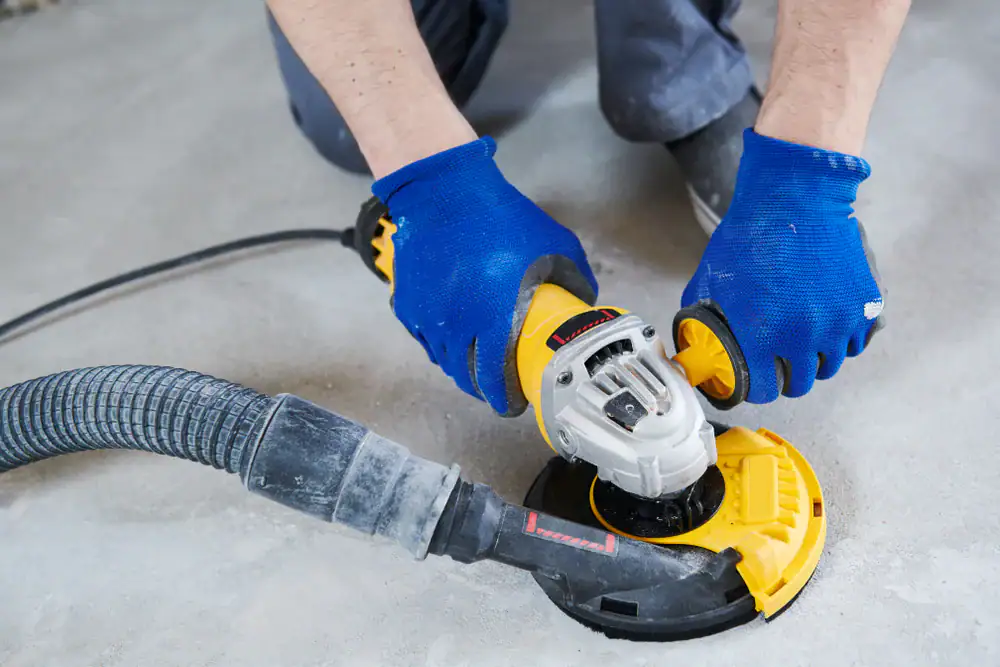
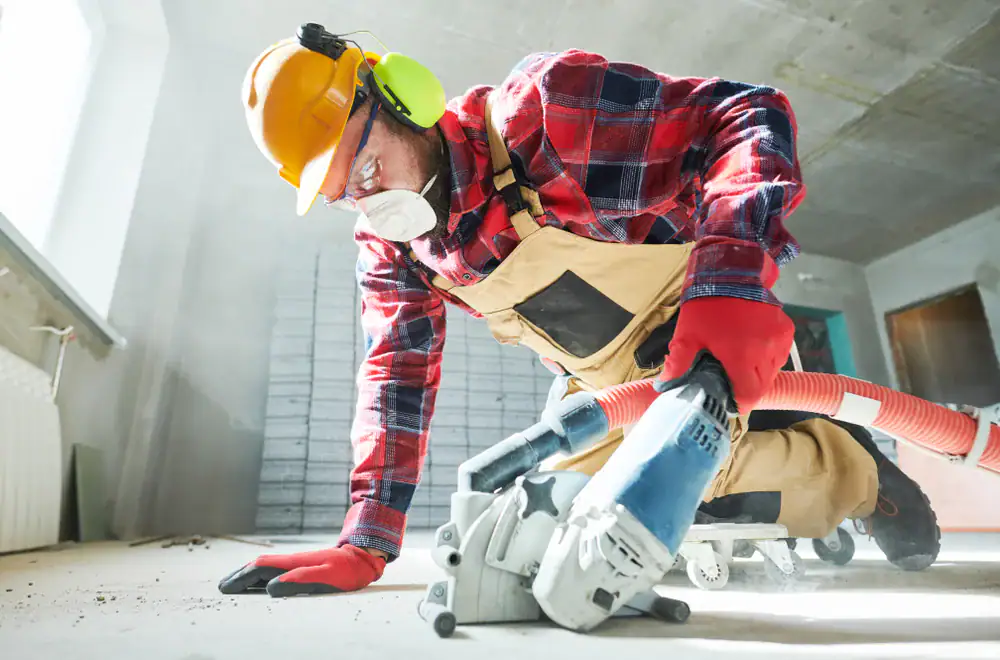
Then we grind. We use diamond tooling matched to your concrete hardness and the finish you need. For epoxy prep, that usually means a coarser profile. For polished concrete, we’re working through progressively finer grits. Our equipment runs dustless systems, so airborne silica stays contained instead of coating everything in your facility.
After grinding, we clean the surface completely. Any residue left behind compromises adhesion. Then we check the profile to make sure it meets spec for whatever coating or polish comes next. If you’re moving straight into epoxy or resurfacing, we coordinate timing so the prepared surface doesn’t sit exposed longer than necessary.
Ready to get started?
Concrete Grinding Services West Miami
Surface grinding removes old coatings, adhesives, paint, and surface contaminants that prevent new materials from bonding. We also level uneven areas, grind down high spots, and eliminate trip hazards that create liability issues in commercial spaces.
West Miami’s industrial and warehouse districts see heavy equipment traffic, which means floors take a beating. Concrete grinding restores those surfaces so they’re ready for high-performance coatings that can handle forklifts, pallet jacks, and constant foot traffic. Residential clients in the area typically need grinding for garage floors, patios, or interior concrete that’s being prepped for polishing or decorative finishes.
We work with both commercial and residential projects. Turnaround depends on square footage and slab condition, but we’ve completed urgent jobs in 24 to 48 hours when timing is critical. For larger facilities or multi-phase projects, we coordinate scheduling to minimize disruption to your operations. Miami-Dade’s construction activity has been climbing steadily, and demand for polished concrete and high-performance epoxy floors continues growing across retail, industrial, and residential properties.
How long does concrete grinding take for a typical project?
Timing depends on square footage, slab condition, and what you’re prepping for. A standard two-car garage usually takes four to six hours. A 5,000-square-foot warehouse might take one to two days.
If we’re removing thick coatings or dealing with heavily damaged concrete, that adds time. If the slab is relatively clean and we’re just creating a profile for epoxy, the process moves faster. We can often complete smaller residential jobs in a single day.
For commercial projects where downtime costs money, we’ll work nights or weekends to keep your operations running. We’ve turned around urgent projects in 24 to 48 hours when scheduling allowed. The key is surface preparation can’t be rushed if you want coatings that last, so we balance speed with doing it right.
What’s the difference between concrete grinding and concrete polishing?
Grinding is surface preparation. Polishing is a finish. They use similar equipment but serve different purposes.
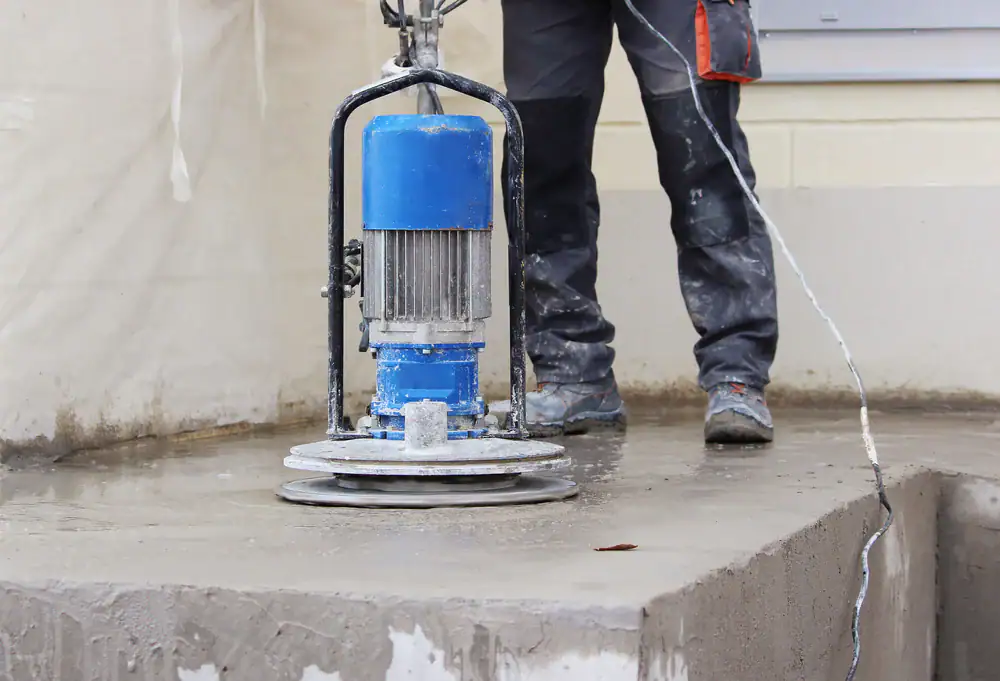
Concrete grinding removes material to create the right surface profile for coatings, level uneven areas, or strip away old finishes. We’re typically using coarser diamond tooling to open up the concrete pores so epoxy or other coatings can bond properly. The result is a rough, textured surface.
Polishing takes concrete through progressively finer grinding stages to create a smooth, reflective finish. It’s a multi-step process that densifies and hardens the surface while bringing out a shine. Polished concrete is the finished floor, not the prep work. Many projects start with grinding for prep, then move into polishing if that’s the desired finish. Others grind for profile, then apply epoxy or urethane coatings instead.
Will concrete grinding create a lot of dust in my facility?
Not if it’s done with proper equipment. We use dustless grinding systems that capture silica dust at the source.
Concrete dust isn’t just messy—it’s a health hazard. Silica exposure causes serious respiratory problems, and OSHA has strict regulations around it. Our grinders connect to industrial vacuums with HEPA filtration that pull dust directly from the grinding surface before it becomes airborne.
You’ll still want to protect sensitive equipment or inventory if we’re working in an active facility, but the dust control is significant compared to older grinding methods. For residential projects, that means we’re not coating your cars, tools, or belongings in concrete powder. For commercial spaces, it means less downtime for post-job cleanup and safer conditions for anyone working nearby. Dustless grinding costs more in equipment investment, but it’s the standard for any contractor who takes safety and cleanliness seriously.
Can you grind concrete that already has epoxy or coatings on it?
Yes. Removing old coatings is one of the most common reasons to grind concrete.
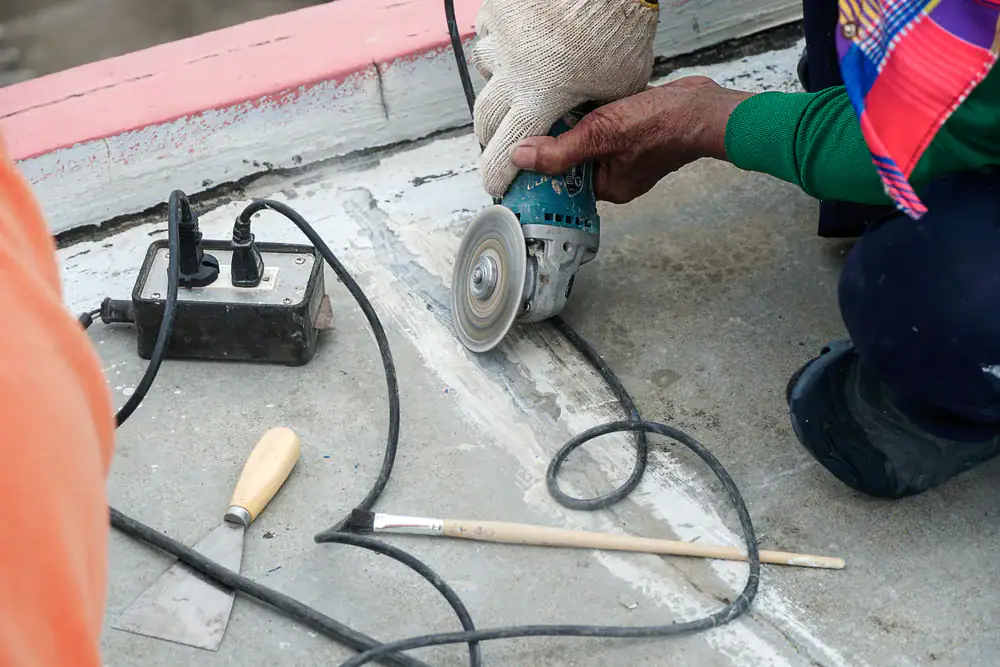
Failed epoxy, worn-out paint, adhesive residue—it all has to come off before you can apply new coatings. Grinding strips those layers down to bare concrete so the new material has a clean surface to bond to. Trying to coat over old, failing finishes just means your new floor will fail too.
The thickness and type of existing coating affect how long removal takes. Thin paint comes off faster than thick epoxy or urethane. Some coatings are harder than others. We adjust tooling and technique based on what we’re removing. Once the old coating is gone, we continue grinding to create the proper profile depth for whatever comes next. This is standard prep work for any concrete restoration or refinishing project.
How much does concrete grinding cost in West Miami?
Pricing depends on square footage, slab condition, and what you’re preparing for. Simple surface prep for a residential garage might run a few hundred dollars. Large commercial projects with coating removal and extensive surface work cost more.
We price based on what the job actually requires, not a one-size-fits-all rate. Factors include existing coatings that need removal, how uneven the surface is, accessibility, and timeline. A straightforward grind on open, accessible concrete costs less than working around equipment, in tight spaces, or under rush conditions.
We provide transparent pricing upfront after assessing the slab. No surprises, no hidden fees. For commercial projects, that pricing conversation happens during the initial walkthrough so you can budget accurately. For residential work, we can often quote over the phone with photos and measurements. The goal is to give you a clear number before we start, not after.
Do I need concrete grinding before applying epoxy flooring?
Yes, if you want the epoxy to stay down. Surface preparation is the most important factor in coating performance.
Epoxy needs a clean, profiled surface to bond properly. Concrete straight out of the forms has a smooth, dense surface layer that prevents penetration. Grinding opens up the pores and creates texture that gives epoxy something to grip. Without that profile, coatings can peel or delaminate, especially under traffic or moisture exposure.
Grinding also removes any contaminants—oils, dirt, old sealers, curing compounds—that act as bond breakers between concrete and epoxy. Even concrete that looks clean often has invisible residue that compromises adhesion. Professional grinding ensures the surface is both profiled and contaminant-free. Most epoxy failures trace back to inadequate surface prep, not the coating itself. Spending the time and money to grind properly means your epoxy floor lasts years instead of months.
Other Services we provide in West Miami
Leave a Reply