


Concrete Grinding in White City, FL
Surface Prep That Actually Holds Up
Hear from Our Customers
Concrete Floor Grinding Contractors
You’re not grinding concrete for fun. You’re doing it because something needs to stick, something needs to look better, or something’s creating a safety issue you can’t ignore anymore.
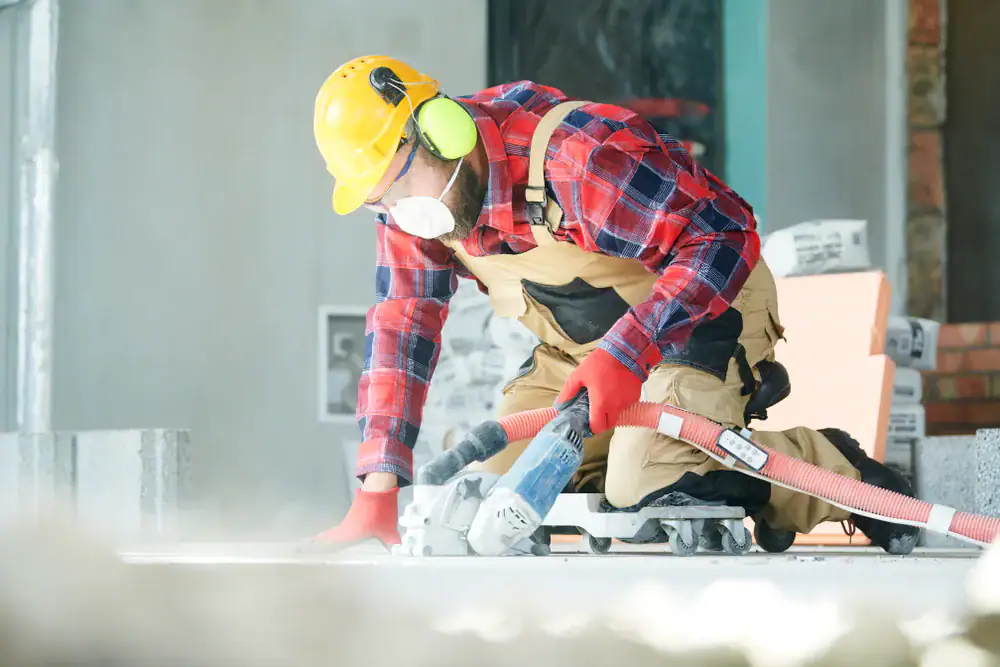
When we grind your floor in White City, you’re getting a surface that’s smooth enough for coatings to bond properly, level enough that nothing pools or shifts, and clean enough that you’re not dealing with dust for the next three days. We use dustless equipment with HEPA filtration, so your space stays functional while we work.
The difference shows up later. Coatings don’t bubble. Sealers don’t peel. Trip hazards disappear. And if you’re polishing afterward, the grind is what determines whether that shine lasts two years or ten.
Concrete Grinding Services White City
How Concrete Grinding Works
We start by walking the space with you. We’re looking at what’s on the surface now—old coatings, adhesive, stains, high spots—and what you need it to look like when we’re done.
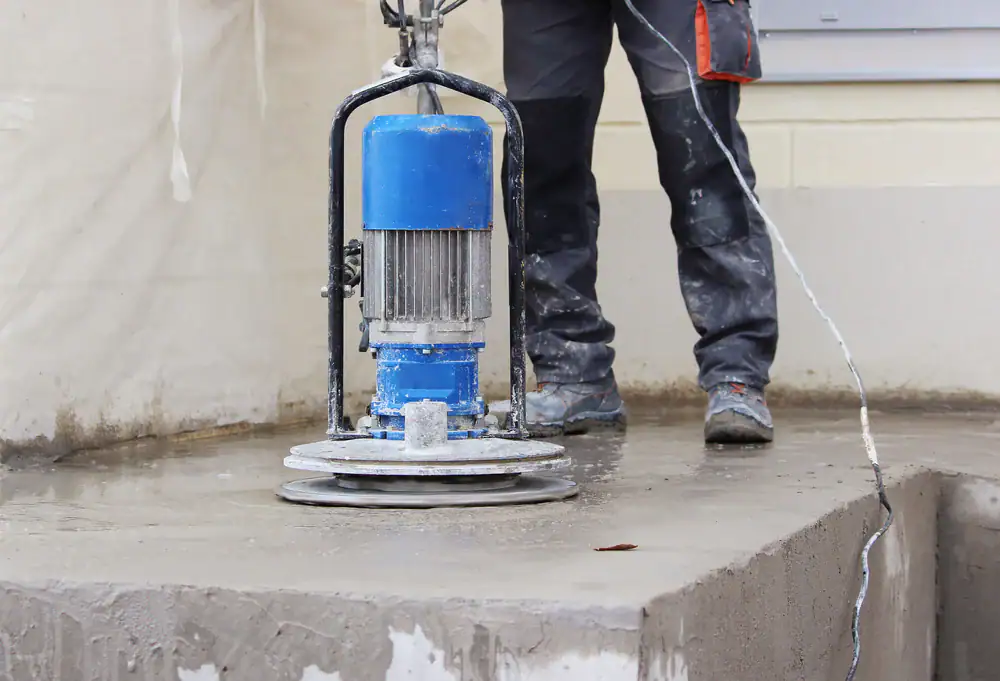
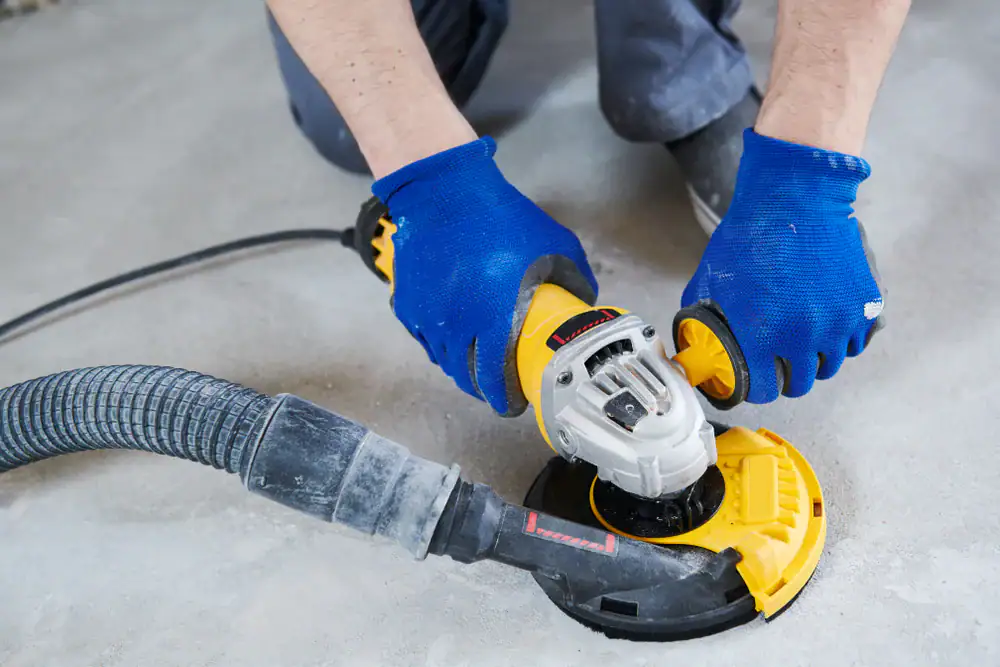
Then we bring in diamond-grit grinders matched to your concrete and the profile you need. If you’re coating afterward, we grind to create the right texture for adhesion. If you’re polishing, we start coarse and work finer until the surface is where it needs to be. Our equipment connects to industrial vacuums, so the dust gets captured as we go.
Once the grinding’s done, we clean the surface and check it. If there are low spots or damage that grinding won’t fix, we’ll tell you before you move to the next phase. You’re not finding out after the sealer goes down.
Turnaround depends on square footage and surface condition, but we’ve handled emergency projects in 24 to 48 hours when timing mattered.
Ready to get started?
Concrete Restoration Services White City
Concrete grinding in White City covers a range of situations. You might need old epoxy or glue removed before installing new flooring. You might have uneven sections causing trip hazards in a commercial space. Or you’re prepping for a polished concrete finish and need the surface profiled correctly from the start.
We handle all of it. That includes removing surface coatings that failed, leveling faulted slabs, eliminating rough patches, and grinding down high spots that prevent proper drainage or installation. If your floor has minor pitting or small divots, grinding can smooth those out depending on depth.
Florida’s climate and construction activity mean concrete here deals with moisture, heavy use, and temperature swings. A proper grind accounts for that. We’re not just making it look better—we’re making sure the next layer actually sticks and performs the way it’s supposed to.
We work with Sherwin Williams and Fosroc products when coatings or sealers follow the grind, so you’re getting materials that are warrantied and proven in commercial and industrial settings across the state.

How long does concrete grinding take for a typical commercial floor?
It depends on square footage, surface condition, and what you’re prepping for. A small warehouse bay might take a day. A larger space with heavy coatings or adhesive could take two to three days.
We’re not rushing it. Grinding too fast leaves inconsistencies that show up later when you coat or polish. We move at the pace that gets the profile right the first time.
If you’re on a tight timeline, let us know upfront. We’ve handled emergency projects in 24 to 48 hours when scheduling allowed, but that requires coordination on your end to keep the space clear and accessible.
Is concrete grinding really dustless, or is that just marketing?
It’s not completely dustless—nothing is—but it’s close enough that you won’t shut down operations or spend hours cleaning afterward. Our grinders connect to high-performance vacuums with HEPA filters that capture the dust as we grind.
You’ll see some fine residue near the work area, but it’s not the cloud of silica dust that older methods create. That matters if you’re in a food processing facility, pharmaceutical space, or anywhere that can’t tolerate airborne contamination.
We’ve worked in active facilities where other trades were still on-site. The dust control is good enough that it doesn’t become everyone else’s problem.
Can grinding fix uneven concrete or do I need to replace it?
Grinding can fix minor unevenness—things like lippage between slabs, small high spots, or rough finishing errors. If you’ve got a quarter-inch height difference across a seam, we can grind that down and make it smooth.
But grinding doesn’t fill low spots or fix structural issues. If your slab has settled, cracked badly, or has deep pitting, you’ll need patching or resurfacing before we grind. We’ll tell you that upfront during the walkthrough.
A lot of times, grinding saves you from a full replacement. If the concrete itself is sound and you just need the surface corrected, grinding gets you there for a fraction of the cost.
What’s the difference between grinding for epoxy versus grinding for polished concrete?
The profile. When you’re prepping for epoxy or a coating, you need a rougher surface so the product can grip. We use coarser diamonds and stop once we’ve opened up the concrete enough for mechanical adhesion.
For polished concrete, we start coarse to remove imperfections, then move through finer grits until the surface is smooth and reflective. It’s a longer process because each pass refines the one before it.
If you’re not sure which direction you’re going, we can grind to a middle profile that keeps your options open. But if you know you’re polishing, we’ll plan the whole process from the start so you’re not paying for extra passes later.
How much does concrete grinding cost in White City?
Pricing depends on square footage, what’s on the surface now, and what profile you need. Removing thick adhesive or multiple coating layers costs more than grinding bare concrete. Tighter spaces or areas with obstacles take longer and affect labor.
We don’t do estimates over the phone because we’d be guessing. We’ll come out, look at the floor, and give you a number based on what’s actually there. No surprises, no upselling once we start.
Most commercial projects in White City fall somewhere between $2 and $6 per square foot depending on complexity, but that’s a rough range. If you’ve got a specific budget or timeline, tell us upfront and we’ll let you know if it’s realistic.
Do I need to move everything out before you start grinding?
Yes. The floor needs to be clear. We can’t grind around equipment, pallets, or stored materials. Anything that’s bolted down or too heavy to move, we’ll work around, but the more access we have, the better the result.
If you’re in an active facility and can only clear sections at a time, we can phase the work. We’ll grind one area, let you move operations back, then shift to the next section. It takes longer, but it keeps your business running.
Plan for the space to be off-limits while we’re grinding. Even with dust control, you don’t want people walking through the work area until we’ve finished and cleaned up.
Other Services we provide in White City
Leave a Reply