


Concrete Repair in Boulevard Gardens, FL
Fix It Right Before It Gets Worse
Hear from Our Customers
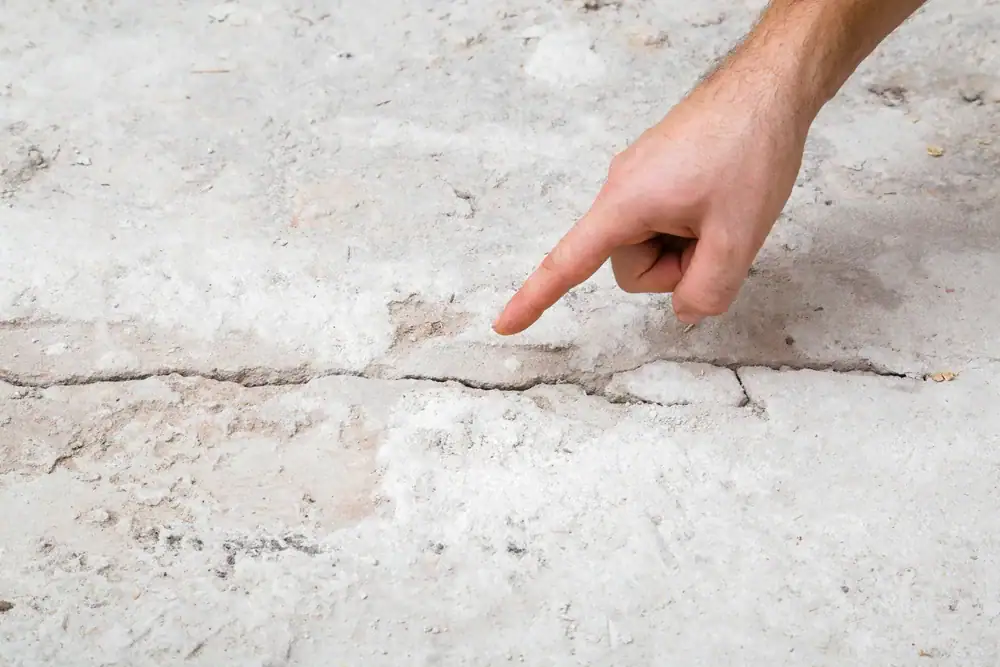
Concrete Crack Repair Boulevard Gardens
That crack in your driveway isn’t just ugly. It’s letting water underneath, washing out the base, and setting you up for a much bigger repair bill down the road.
Florida’s climate makes this worse. The humidity gets in, the ground shifts, and what started as a hairline crack turns into a safety hazard. You’ve probably noticed it getting wider. That’s not going to stop on its own.
We assess the actual cause, not just the surface symptom. If your slab is sinking because the soil underneath washed out, we address that. If your foundation is cracking because of settlement, we fix it at the source. You get a repair that lasts because it’s done right the first time.
Concrete Foundation Contractors Boulevard Gardens
We started SPF Industrial in July 2020, and we’ve spent the last few years building a reputation with clients who needed concrete work done correctly. We’ve handled projects for the US Coast Guard, the Army, and municipal clients throughout South Florida.
Boulevard Gardens has a lot of homes from the 1950s. That means older concrete dealing with decades of Florida weather, soil movement, and wear. We’ve seen what happens when repairs are done cheap or fast, and we’ve fixed plenty of those jobs for frustrated homeowners.
Everything happens in-house with our full-time team. No subcontractors. No delays. No finger-pointing when something needs attention.
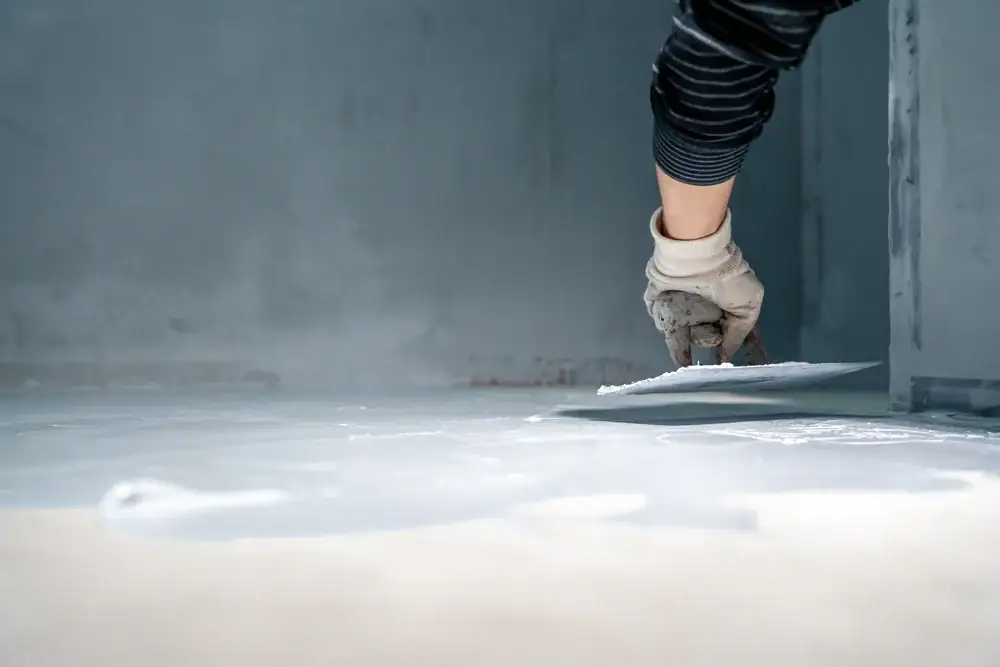
Concrete Slab Repair Process Boulevard Gardens
We start with a free assessment. You show us the problem, we evaluate what’s causing it, and we explain exactly what needs to happen. No pressure. No upselling. Just a straight answer about what’s wrong and what it’ll take to fix it.
Once you’re ready to move forward, we prep the area. That might mean shot-blasting, diamond grinding, or scarifying depending on the surface and the repair type. We’re not skipping steps to save time.
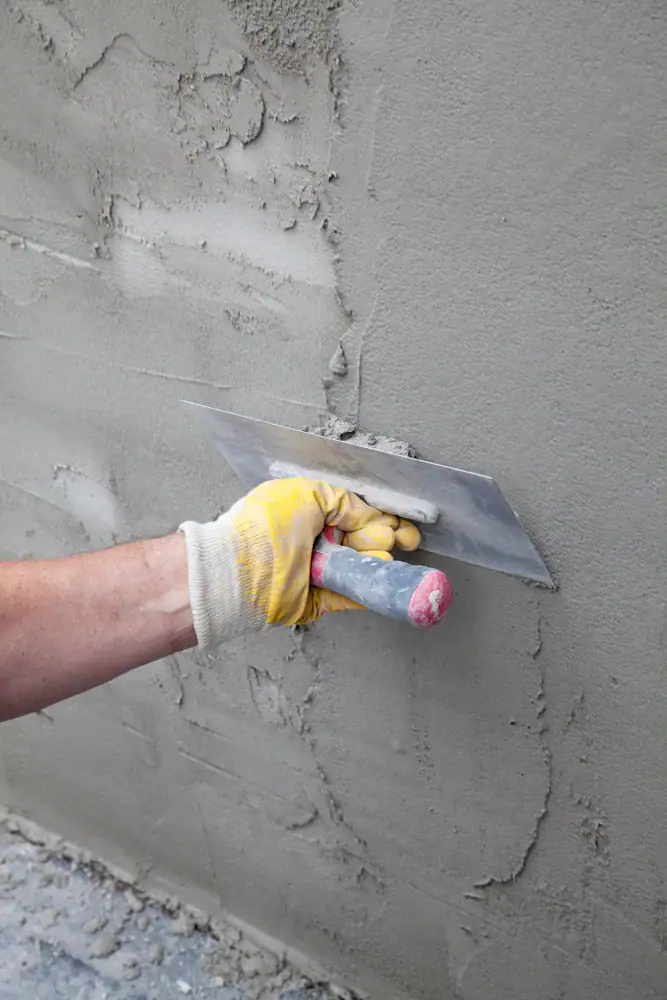
Then we handle the actual repair. If it’s a crack, we’re sealing it with materials that can handle Florida’s heat and moisture. If it’s a sinking slab, we’re stabilizing the base and leveling it. If it’s a foundation issue, we’re using epoxy or polyurethane injections to restore structural integrity.
After the repair, we make sure the surface is protected. That means sealing, coating, or resurfacing depending on what you need. The goal is a repair that lasts 15 to 20 years, not 15 months.
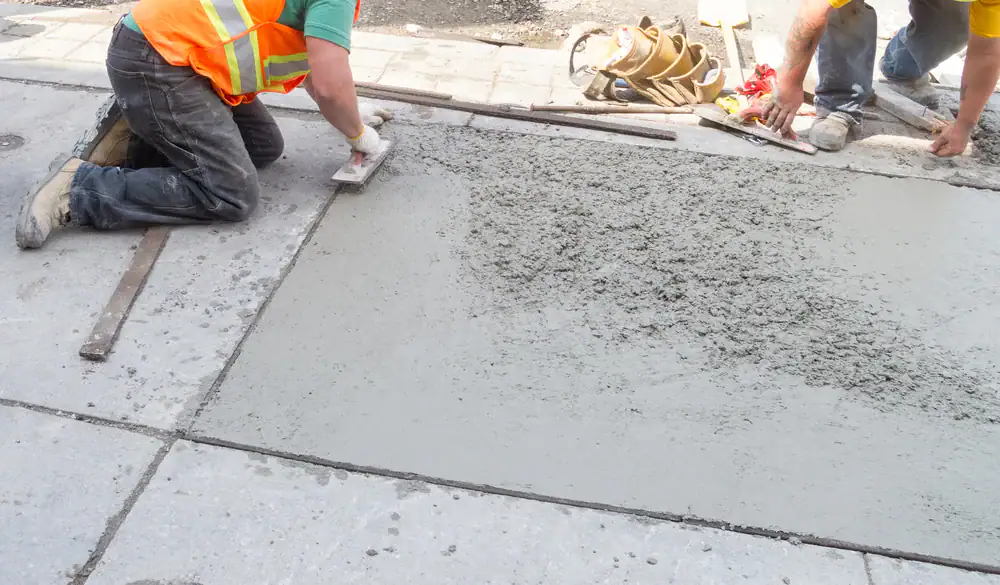
Ready to get started?
Epoxy Concrete Repair Boulevard Gardens FL
You’re getting an honest assessment first. We’re not going to tell you that you need a full replacement when a targeted repair will do the job. We’re also not going to patch something that needs a deeper fix just to get you off the phone.
Boulevard Gardens sits in Broward County, where the soil is a mix of sand and clay. That clay swells when it rains and shrinks when it’s dry. Your concrete moves with it. We account for that when we’re planning the repair, because a fix that works in another state won’t necessarily hold up here.
We use materials from manufacturers like Laticrete, Koster USA, Flowcrete, and Fosroc. These aren’t bargain products. They’re designed for commercial and industrial applications, which means they hold up under stress, moisture, and time.
You also get a team that shows up when we say we will. If it’s an emergency repair that’s creating a safety hazard, we respond fast. If it’s a planned project, we give you a realistic timeline and stick to it. No surprises halfway through.
How long does a concrete repair actually last in Florida?
If it’s done right, you’re looking at 15 to 20 years or more. That depends on the type of repair, the materials used, and how much traffic or stress the area gets.
The key is using materials that are built for Florida’s coastal environment. Standard concrete repair products can break down faster here because of the humidity, salt air, and temperature swings. We use epoxy and polyurethane systems that create a moisture barrier and can flex slightly with ground movement.
The other factor is whether the root cause gets addressed. If your slab is cracking because the soil underneath is washing out, just filling the crack won’t fix anything. You need to stabilize the base, level the slab, and then seal it. That’s what actually lasts.
Can you repair a concrete foundation crack or does it need replacing?
Most foundation cracks can be repaired. Full replacement is rarely necessary unless the damage is severe or the foundation has failed structurally.
We use epoxy and polyurethane injection systems to fill foundation cracks. These materials bond to the concrete and restore the structural integrity of the wall or slab. Epoxy is stronger and works well for cracks that aren’t actively moving. Polyurethane is flexible and better for cracks that might shift slightly with soil movement.
The repair process involves cleaning out the crack, injecting the material under pressure, and allowing it to cure. Once it’s set, the repair is often stronger than the surrounding concrete. If the crack is caused by ongoing settlement or drainage issues, we’ll identify that during the assessment so you can address it before it causes more damage.
What causes concrete to crack and sink in Boulevard Gardens?
Soil movement is the main culprit. Boulevard Gardens sits on a mix of sandy and clay-rich soil that shifts when moisture levels change. When it rains, the clay swells. When it dries out, it shrinks. That constant movement creates voids under your concrete, and eventually the slab sinks or cracks.
Poor drainage makes it worse. If water is pooling around your foundation or driveway, it’s washing out the soil underneath. That’s what causes those uneven sections where one side of the slab is lower than the other.
Tree roots can also be a factor, especially with older properties. As roots grow, they push against the concrete from below. Combine that with Florida’s heavy rains and you’ve got a recipe for damage. The good news is that most of this is fixable if you catch it before the damage gets too extensive.
How much does concrete repair cost compared to full replacement?
Repair is almost always cheaper than replacement, sometimes by half or more. The exact cost depends on the size of the area, the type of damage, and what’s causing it.
A typical crack repair or slab leveling job costs a fraction of what you’d pay to tear out and repour an entire driveway or patio. Replacement also means dealing with demolition, hauling, downtime, and waiting for new concrete to cure. Repair gets you back to normal faster and with less disruption.
That said, there are situations where replacement makes more sense. If the concrete is severely deteriorated, has multiple large cracks, or the base has completely failed, repair might just be a temporary fix. We’ll tell you honestly which route makes sense for your situation during the free assessment.
Do you offer emergency concrete repair in Boulevard Gardens?
Yes. If you’ve got a concrete issue that’s creating a safety hazard or affecting your ability to use your property, we respond quickly.
Emergency situations usually involve things like a large section of sidewalk that’s lifted and become a trip hazard, a driveway slab that’s sunk and is damaging vehicles, or a foundation crack that’s actively leaking water into your home. These aren’t problems you can wait on.
We keep our schedule flexible enough to handle urgent calls. Depending on the situation, we can often get someone out within 24 to 48 hours to assess the damage and start the repair. For commercial clients, we understand that downtime costs money, so we work fast without cutting corners.
What’s the difference between epoxy and polyurethane for concrete repair?
Epoxy is rigid and incredibly strong. It’s the better choice for cracks that aren’t moving and need maximum structural reinforcement. Once it cures, it’s harder than the concrete itself. We use it for foundation repairs, structural cracks, and situations where strength is the priority.
Polyurethane is flexible and expands as it cures. It’s better for cracks that might shift slightly due to soil movement or temperature changes. It also works well in wet conditions because it reacts with moisture, which makes it useful for active leaks or areas with drainage issues.
Both materials create a permanent bond and seal out water. The choice depends on what’s happening with your concrete and what kind of movement or stress it’s dealing with. We’ll recommend the right one based on the assessment, not based on what’s easier or cheaper for us to install.
Other Services we provide in Boulevard Gardens
Leave a Reply