


Concrete Repair in Brownsville, FL
Concrete That Holds Up in Florida’s Climate
Hear from Our Customers
Concrete Crack Repair Brownsville Residents Trust
You’re not looking for a quick patch job that fails in six months. You need concrete repair that actually holds up when Florida decides to test it.
Brownsville’s climate is brutal on concrete. Morning dew, afternoon thunderstorms, and relentless humidity create a cycle that most repair materials can’t handle. Moisture seeps in, temperatures swing 30 degrees in a day, and suddenly that crack you fixed last year is back—wider than before.
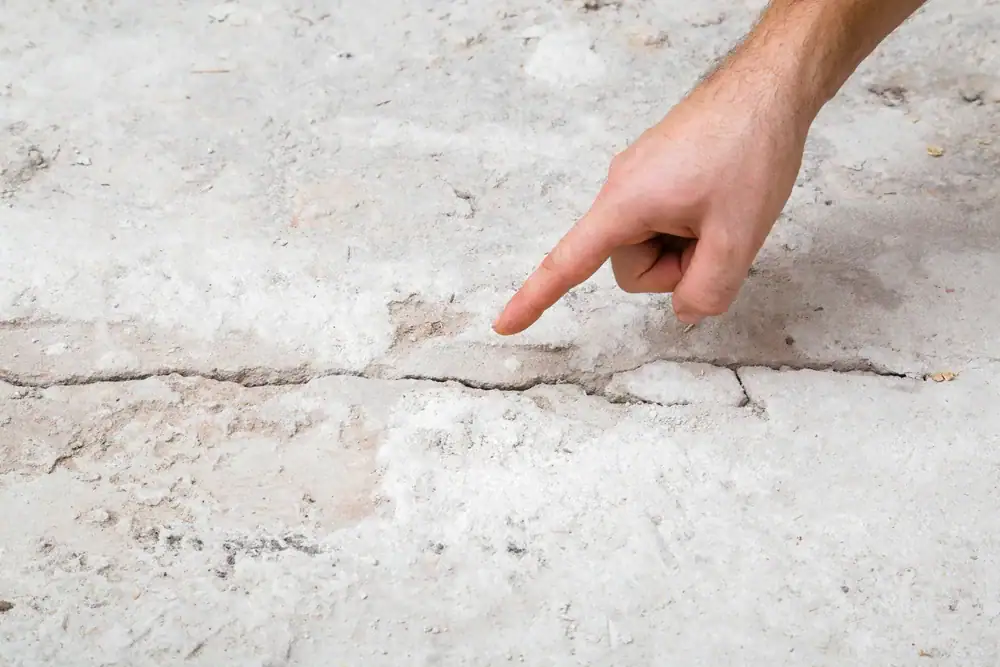
The difference comes down to preparation and materials designed for this environment. When concrete foundation repair is done right, it starts with understanding what caused the damage in the first place. Settling soil, water intrusion, thermal expansion—each one needs a different approach. Slapping epoxy over a crack without addressing moisture underneath just traps the problem. Within weeks, you’ll see bubbling, discoloration, or the coating peeling at the edges.
What you get with proper concrete floor repair is a surface that breathes where it needs to and seals where it must. The right moisture barriers, the correct curing time (30-60 days minimum in Florida), and materials that flex with temperature changes instead of fighting them. Your concrete stops being a constant worry and starts being what it should be—a solid foundation you forget about.
Concrete Repair Contractors Serving Brownsville
We specialize in concrete restoration and epoxy systems across South Florida. We’re not a general contractor trying to do everything—we focus on what we know: concrete surfaces that need to perform in challenging conditions.
Our work includes projects for the Coast Guard, US Army, City of Doral, and Sunny Isles, plus countless commercial and residential properties throughout the Brownsville area. When government facilities trust you with their concrete, you learn quickly that shortcuts don’t work. Everything we do is handled in-house by our full-time team—no subcontractors, no surprises.
Brownsville properties face specific challenges. The soil here shifts. Humidity averages 75% year-round. Salt air from the coast accelerates deterioration. We’ve been dealing with these conditions since we opened, and we’ve seen what fails and what holds up. That experience shows up in how we prep surfaces, which products we use, and how long we let things cure before calling a job done.
Our Concrete Slab Repair Process
First, we assess what’s actually wrong. Not every crack needs the same fix, and not every foundation issue requires a full tear-out. We’ll look at the damage, test for moisture, and figure out what’s causing it—not just what it looks like on the surface.
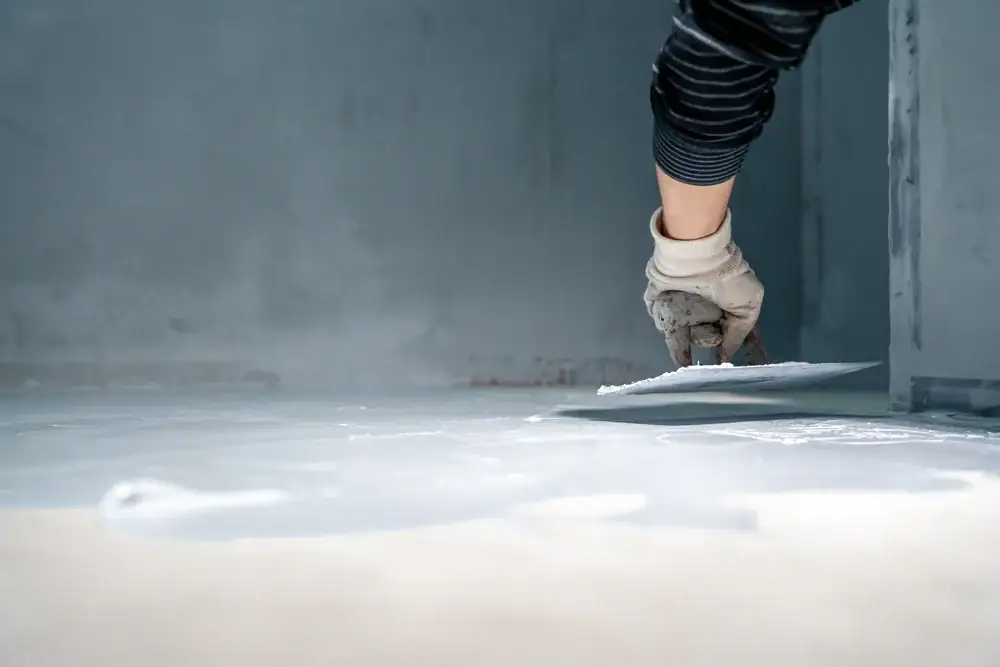
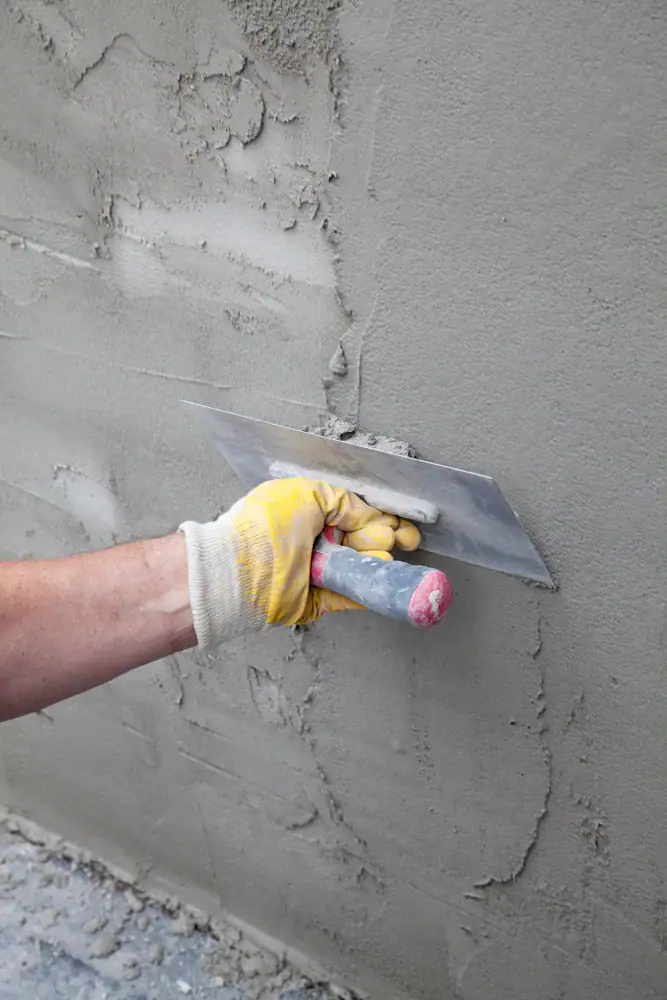
Once we know what we’re dealing with, we prep the area properly. For concrete driveway crack repair or floor restoration, that usually means shot-blasting or diamond grinding to get down to clean, sound concrete. We fill and patch any imperfections, then apply moisture barriers or vapor control primers if needed. This step takes time, but it’s what separates repairs that last from ones that fail.
Then comes the actual repair—epoxy injection for structural cracks, resurfacing for damaged slabs, or complete coating systems for floors that need protection. We use products from Sherwin Williams and Fosroc, materials designed specifically for high-humidity environments. Application happens in controlled conditions, and we don’t rush the cure time just to finish faster.
After everything’s cured, we do a final inspection and walk you through what we did and what to expect going forward. Most epoxy concrete repair systems last 5-15 years before needing a simple recoat. When that time comes, the process is quick and costs a fraction of the original work. You’re looking at a long-term solution, not a temporary fix.
Ready to get started?
Concrete Foundation Repair in Brownsville, FL
Concrete repair in Brownsville means accounting for conditions that don’t exist in most of the country. Daily temperature swings push moisture vapor upward three times faster than in northern states. That vapor gets trapped under coatings if you don’t plan for it. We handle that with proper moisture testing and vapor control systems before any topcoat goes down.
For foundation work, we’re looking at soil movement, water intrusion, and structural integrity. South Florida sits on limestone and sandy soil that shifts with water levels. When your foundation cracks, it’s often because the ground underneath is no longer supporting it evenly. We address the cause—whether that’s drainage, soil stabilization, or reinforcement—then repair the concrete itself.
Floor repairs include full surface preparation, crack filling, joint repair, and protective coating systems. For commercial spaces, that might mean heavy-duty epoxy that can handle forklift traffic. For residential concrete, it’s about durability and appearance—polished concrete, epoxy flake systems, or resurfaced slabs that look new and hold up to daily use.
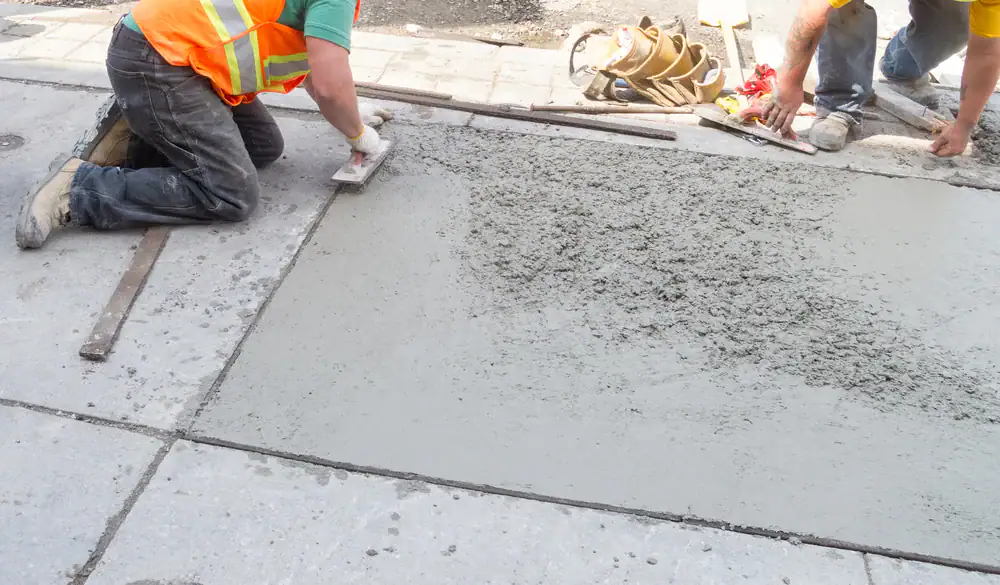
We also handle concrete step repair, pool deck restoration, and concrete sidewalk repair. Each application has different requirements based on exposure, traffic, and what the surface needs to do. Pool decks need slip resistance and chemical resistance. Steps need structural integrity and weather protection. We match the solution to the specific problem you’re facing, not the other way around.
How long does concrete repair last in Florida’s humid climate?
Properly done concrete repair in Florida typically lasts 5-15 years before needing any attention, and even then it’s usually just a recoat rather than a full repair. The key word there is “properly.”
Florida’s humidity is the biggest enemy of concrete repairs. Moisture vapor moves through concrete constantly, and if your repair system doesn’t account for that, you’ll see failure within months—bubbling, peeling, or discoloration. We use moisture barriers and vapor-permeable systems that let concrete breathe where it needs to while sealing out water and contaminants.
The other factor is curing time. Concrete in Florida needs 30-60 days minimum before you coat it. Rush that, and trapped moisture will destroy your coating from underneath. Most failures we see from other contractors come from skipping this step to finish faster. We don’t. The result is repairs that actually last through hurricane season, summer heat, and everything else this climate throws at them.
What causes concrete cracks in Brownsville, and can they be permanently fixed?
Concrete cracks in Brownsville for a few main reasons: soil movement, thermal expansion, moisture intrusion, and settling. Our limestone and sandy soil shifts with water levels, especially during rainy season. When the ground moves, concrete moves with it—and concrete doesn’t bend, it cracks.
Temperature swings cause expansion and contraction. A 30-degree difference between morning and afternoon is common here. Do that daily for years, and even properly installed concrete will develop stress cracks. Add in moisture that seeps into those tiny cracks, and they widen over time.
Can they be permanently fixed? Depends on the crack. Hairline surface cracks and minor settling cracks can be repaired permanently with proper crack injection and sealing. Structural cracks caused by ongoing soil movement need the underlying issue addressed first—that might mean drainage work or soil stabilization. Once the cause is handled, the crack can be repaired and will stay fixed. We assess each situation individually because there’s no one-size-fits-all answer. What we won’t do is patch a crack without addressing why it happened, because that’s just wasting your money.
How much does concrete foundation repair cost in Brownsville?
Concrete foundation repair costs vary widely based on what’s actually wrong. Minor crack repair might run a few hundred dollars. Significant foundation issues requiring stabilization and structural repair can reach several thousand. The average for most residential concrete repair projects in this area falls between $1,500 and $5,000.
Here’s what affects the price: the extent of damage, what’s causing it, accessibility, and what materials are needed. A single crack in an accessible area is straightforward. Multiple cracks, water intrusion issues, or foundation settling that requires underpinning—those are more involved. If we need to address drainage or soil problems before we can repair the concrete itself, that adds to the scope.
We provide transparent pricing after we’ve actually looked at your property. Anyone giving you a quote over the phone without seeing the damage is guessing. We’ll come out, assess what’s happening, explain what needs to be done and why, and give you a clear number. No surprises, no upselling. We also offer 5-10% discounts for new clients, military, and seniors. The goal is to fix your concrete right the first time, not to sell you the most expensive option.
What’s the difference between epoxy repair and traditional concrete patching?
Traditional concrete patching uses cement-based materials that match the original concrete composition. It works for certain applications—filling small holes, leveling minor surface damage, or repairing areas that don’t need high strength. The downside is that patches often crack again because they expand and contract at different rates than the surrounding concrete, especially in Florida’s temperature swings.
Epoxy concrete repair uses resin-based materials that are significantly stronger than concrete itself. Epoxy bonds at a molecular level, creates a waterproof seal, and flexes slightly with temperature changes instead of cracking. For structural repairs, crack injection, or anywhere you need a permanent fix, epoxy is the right choice. It’s also what we use for floor coatings because it resists chemicals, moisture, and heavy traffic better than any cement-based product.
The application process is different too. Epoxy requires precise surface preparation—the concrete needs to be completely clean, dry to the right moisture level, and properly profiled for the epoxy to bond. Temperature and humidity during application matter. This is why epoxy repairs cost more and take longer than quick cement patches. But you’re getting a repair that will outlast the surrounding concrete rather than failing in a year or two. For most applications in Brownsville’s climate, epoxy is worth the investment.
Can you repair concrete during Florida’s rainy season?
Yes, but with limitations. We can’t apply coatings or sealers during active rain, and we need the concrete surface to be dry before we start any repair work. That said, we work year-round in South Florida because waiting for perfect weather would mean waiting half the year.
The key is planning around the weather and controlling the environment where possible. Morning work often gives us a window before afternoon storms roll in. For interior concrete floor repair, weather isn’t an issue at all. For exterior work, we monitor forecasts closely and sometimes need to adjust schedules on short notice. It’s frustrating, but it’s better than doing the work in poor conditions and having it fail.
High humidity affects curing times and can cause problems with certain materials if we’re not careful. We use products specifically formulated for humid environments and adjust our process based on current conditions. Moisture testing is critical—we need to know what’s happening below the surface, not just whether it looks dry. We’ve worked through enough rainy seasons to know what works and what doesn’t. If conditions aren’t right for quality work, we’ll tell you straight and reschedule rather than push through and compromise the repair.
Do concrete repairs need maintenance, or are they truly permanent?
Most concrete repairs need minimal maintenance but aren’t completely maintenance-free forever. Epoxy coatings and sealed concrete should be cleaned regularly—just basic sweeping and occasional mopping with pH-neutral cleaner. That’s not really maintenance, that’s just not letting dirt and grime build up.
Over time, even the best concrete repair systems will show wear in high-traffic areas. Epoxy floor coatings typically last 5-15 years depending on use, then need a recoat. The good news is that recoating is simple and costs a fraction of the original installation. You’re not tearing anything out or starting over—just adding a fresh layer of protection. Same goes for sealed concrete or polished floors. Eventually they’ll need resealing or repolishing, but the underlying repair stays solid.
Structural repairs like foundation crack injection or slab stabilization are different. Once those are done correctly, they shouldn’t need ongoing maintenance. You’re fixing the problem, not just covering it up. We back our structural work because we know it’s going to hold. The only exception is if the underlying cause returns—like if drainage issues come back and start affecting the foundation again. That’s why we always address the root cause during the initial repair, not just the symptoms.
Other Services we provide in Brownsville
Leave a Reply