


Concrete Repair in Cashmere Cove, FL
Florida Concrete That Lasts Beyond the Next Storm
Hear from Our Customers
Concrete Crack Repair Cashmere Cove
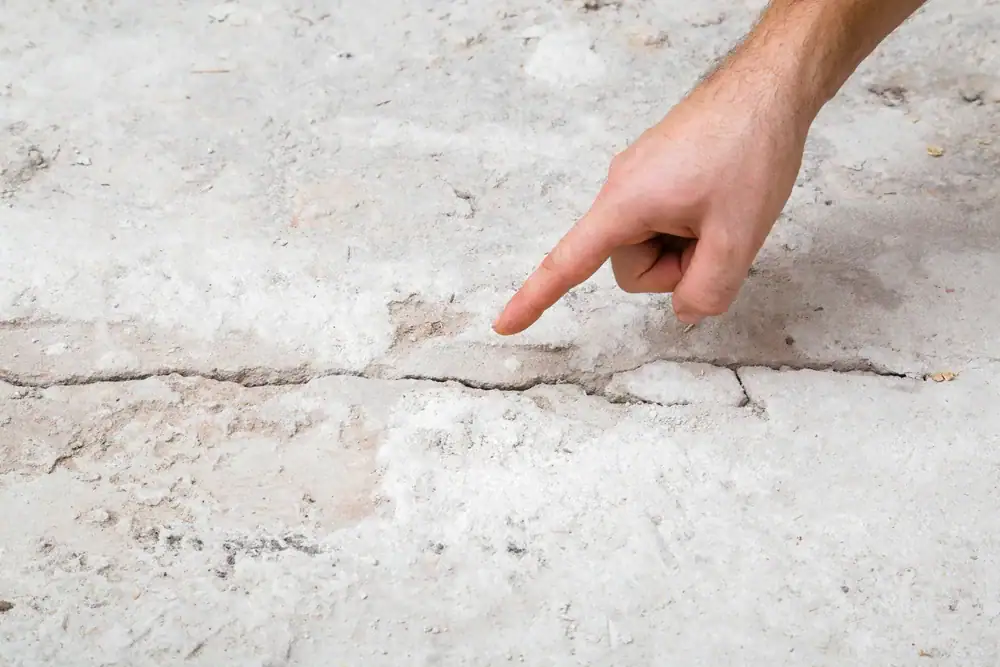
That hairline crack in your driveway isn’t staying small. Florida’s heat cycles and afternoon storms push water into every opening, and once it’s in there, the damage spreads fast. Steel inside the concrete starts corroding at up to a millimeter per year in our climate. What looks like surface damage today becomes a safety hazard and a property value issue tomorrow.
Proper concrete repair stops that progression. You get a stable surface that handles vehicle weight without settling. You eliminate tripping hazards before someone gets hurt. Your driveway, walkway, or pool deck looks clean again instead of like something you’ve been meaning to fix for two years.
The difference between a quick patch and actual repair comes down to understanding what Florida does to concrete. Surface temps here hit 140-158°F in summer. Humidity stays high year-round. If you’re near the coast, salt spray accelerates everything. Standard repair methods that work up north fail here within months. You need materials and techniques built for this specific environment, applied by people who’ve seen what works and what doesn’t across hundreds of properties in this area.
Concrete Foundation Contractors Cashmere Cove
We’ve handled concrete restoration for Coast Guard facilities, US Army installations, and municipal projects across South Florida since 2020. When government contracts require proven reliability and zero-failure tolerance, they call us. That same standard applies to your driveway or pool deck.
We’re based in Florida because this market demands specialization. The concrete challenges in Cashmere Cove—soil composition, water table fluctuations, salt exposure from coastal proximity—require specific knowledge. We’ve repaired foundations in neighborhoods where the ground shifts seasonally. We’ve restored driveways that see daily thermal expansion you don’t get in other states. We know which products hold up and which ones fail within a year.
You work directly with the people making decisions. No sales team, no runaround. You get transparent pricing, straight answers about what your concrete actually needs, and realistic timelines. We’re not the cheapest option in Port St. Lucie, and that’s intentional—you’re paying for work that doesn’t need redoing in 18 months.
Epoxy Concrete Repair Process Florida
First, we assess what’s actually broken. Most concrete problems in Cashmere Cove trace back to one of three causes: water intrusion causing steel corrosion, ground settlement creating voids underneath slabs, or thermal stress from Florida’s extreme temperature swings. We identify which one you’re dealing with because the fix changes based on the cause.
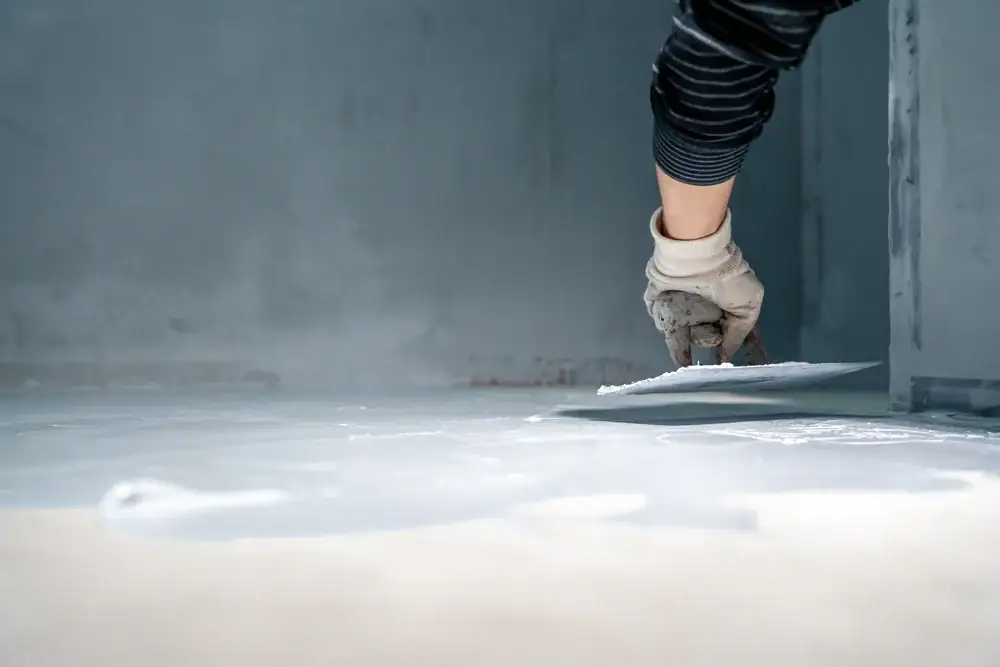
Next comes surface prep. This step separates repairs that last from repairs that fail. We remove all compromised material, clean down to sound concrete, and address any underlying moisture or structural issues. If your foundation has cracks from settling, we stabilize the base before touching the surface. If your driveway shows spalling from salt damage, we treat the exposed steel and seal against future intrusion.
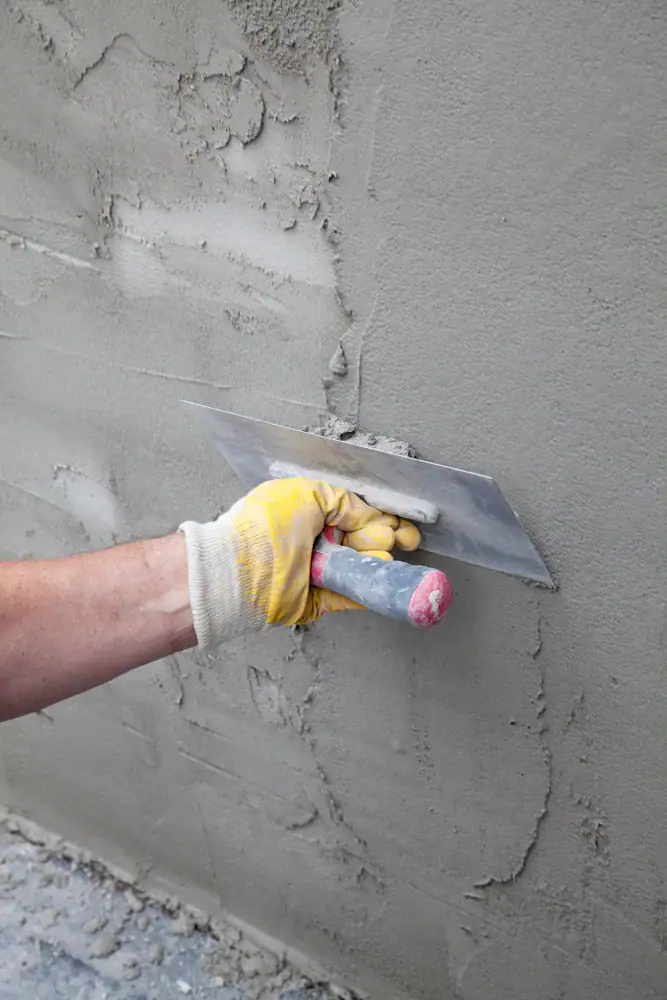
Then we apply the actual repair using commercial-grade materials from Sherwin Williams and Fosroc—products designed for Florida’s coastal environment. Epoxy injection for structural cracks. Polymer-modified overlays for surface restoration. Polyurethane sealants that flex with temperature changes instead of cracking. The specific material depends on your concrete’s condition and exposure level.
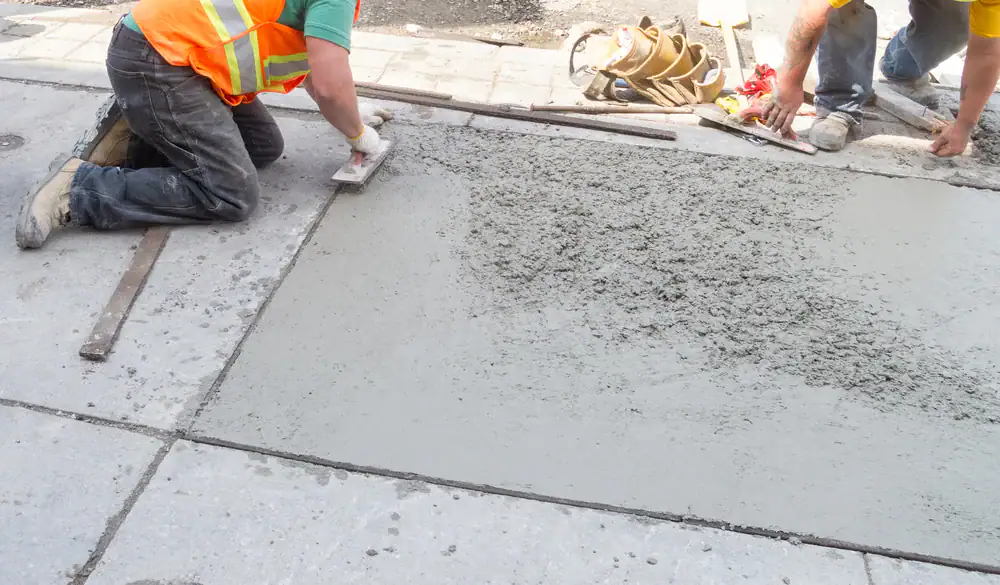
Final step is curing and protection. Concrete repair isn’t like paint—it needs time to reach full strength, especially in high humidity. We account for that in our timeline and protect the work area during cure time. You get a clear explanation of when you can walk on it, drive on it, or put furniture back on it. Most repairs are fully cured and ready for normal use within 24-48 hours depending on scope.
Ready to get started?
Pool Concrete Repair Cashmere Cove
Concrete repair in Cashmere Cove covers everything from foundation crack repair to complete driveway resurfacing. Your pool deck showing spalling around the coping? That’s a concrete restoration project. Your front walkway has settled two inches and creates a tripping hazard? That’s concrete leveling and repair. Your garage floor has stress cracks from years of thermal cycling? That’s structural repair with epoxy injection.
We handle residential and commercial concrete problems. Foundation issues get priority because they affect structural integrity. Driveways and walkways come next—these are liability concerns and curb appeal factors. Pool decks, patios, and decorative concrete get the same attention to detail but typically aren’t emergency situations unless safety is compromised.
Cashmere Cove properties built in the early 2000s are hitting the age where original concrete starts showing wear. You’ll see it first in high-traffic areas: driveway aprons where cars turn in, walkway sections near sprinkler zones, pool decks on the south-facing side that get maximum sun exposure. These aren’t defects—this is normal wear accelerated by Florida conditions. The key is catching it before minor surface damage becomes a structural issue.
We also handle concrete step repair, sidewalk leveling, and slab crack repair. If it’s concrete and it’s broken, we’ve likely fixed that exact problem dozens of times across Port St. Lucie and surrounding areas. You get the same materials and methods we use on government contracts, just scaled to residential scope.
How much does concrete crack repair typically cost in Cashmere Cove?
Concrete crack repair costs vary based on crack severity, location, and whether it’s structural or cosmetic. Simple surface cracks in a driveway might run a few hundred dollars for epoxy injection and sealing. Foundation cracks that require structural repair, underpinning, or extensive prep work can reach several thousand depending on linear footage and access difficulty.
The real cost question isn’t the repair itself—it’s what happens if you wait. A crack that costs $400 to fix today becomes a $3,000 problem next year when water intrusion causes the slab to settle or steel reinforcement to corrode. Florida’s climate accelerates concrete damage faster than almost anywhere else in the country.
We give you transparent pricing after assessing the actual damage. No surprise charges, no upselling services you don’t need. You’ll know exactly what the repair costs, why it costs that amount, and what happens if you choose to delay it. Most homeowners in Cashmere Cove find that addressing concrete problems early saves significant money compared to waiting until the damage spreads.
What causes concrete to crack so quickly in Florida?
Florida concrete faces a perfect storm of damaging conditions. Extreme heat causes expansion—surface temperatures regularly hit 140-158°F in summer, creating stress points where concrete meets immovable objects. High humidity and frequent rain drive moisture deep into any existing cracks, where it facilitates steel corrosion and freeze-thaw equivalent damage from thermal cycling.
Ground conditions in Cashmere Cove add another layer. Soil composition and water table fluctuations cause settling and shifting that concrete can’t flex with. When sections of your driveway or foundation settle even slightly, the rigid concrete cracks rather than bends. This is especially common in areas with sandy soil or properties near retention ponds where ground moisture varies seasonally.
Salt exposure accelerates everything if you’re within a few miles of the coast. Salt spray carries inland and deposits on concrete surfaces, where it attracts moisture and speeds up the corrosion of internal steel reinforcement. Once that steel starts corroding, it expands and creates pressure that cracks the concrete from the inside out. This process happens much faster in coastal Florida than in inland or northern climates.
How long does concrete repair last in Florida’s climate?
Properly executed concrete repair using Florida-appropriate materials typically lasts 10-15 years or longer, depending on exposure and maintenance. The key phrase is “properly executed”—quick patches using standard materials fail within 1-2 years here because they can’t handle the thermal stress, moisture intrusion, and salt exposure that define Florida’s environment.
Longevity depends on using the right repair method for the specific problem. Epoxy injection for structural cracks creates a bond stronger than the original concrete and flexes slightly with temperature changes. Polymer-modified overlays resist moisture intrusion and UV damage better than standard concrete. Polyurethane sealants stay flexible instead of becoming brittle and cracking within months.
We use commercial-grade products from Sherwin Williams and Fosroc specifically because they’re engineered for harsh environments. These aren’t Home Depot materials—they’re what we use on military and municipal projects where failure isn’t acceptable. You pay more upfront, but you’re not redoing the same repair every few years. Most of our residential concrete repairs in the Port St. Lucie area are still performing well five-plus years later with zero additional work needed.
Can you repair concrete pool decks without replacing the entire surface?
Yes, most pool deck concrete problems can be repaired without full replacement, saving you significant cost and disruption. Spalling around the pool coping, surface cracks from settling, and even moderate deterioration typically respond well to targeted repair and resurfacing techniques. Full replacement is only necessary when the underlying structure is compromised or more than 40-50% of the surface shows severe damage.
Pool deck repair usually involves removing damaged concrete down to sound material, treating any exposed steel reinforcement, and applying a polymer-modified overlay that bonds to the existing surface. This creates a new wear layer that handles foot traffic, pool chemicals, and UV exposure while addressing the underlying damage. The result looks uniform and lasts years, not months.
Cashmere Cove pool decks face specific challenges—constant moisture exposure, salt if you have a saltwater system, and intense sun on south-facing sections. We account for all of that in material selection and surface prep. Most pool deck repairs are completed in 1-3 days depending on size, and the deck is ready for use within 24-48 hours. You avoid the cost and hassle of full replacement while getting a surface that performs like new concrete.
What’s the difference between concrete leveling and concrete replacement?
Concrete leveling fixes slabs that have settled or sunk by raising them back to original height, while replacement involves tearing out the old concrete and pouring new. Leveling costs 50-70% less than replacement and takes hours instead of days. It’s the right choice when your concrete is structurally sound but has settled due to soil erosion, ground compaction, or voids underneath the slab.
We use polyurethane foam injection for most leveling work. This involves drilling small holes through the settled concrete and injecting expanding foam underneath that lifts the slab back into position. The foam fills voids, stabilizes the base, and provides long-term support. It’s waterproof, won’t wash out like mud jacking material, and cures in minutes. Your driveway or walkway is usable the same day.
Replacement makes sense when concrete is severely cracked, crumbling, or has structural damage beyond repair. If your driveway has deep cracks throughout, shows extensive spalling, or the surface is deteriorating from years of salt exposure, leveling won’t fix those problems. We’ll tell you honestly which approach your concrete needs—we handle both, so there’s no incentive to push one over the other. Most settling issues in Cashmere Cove respond well to leveling, especially when caught before the concrete itself deteriorates.
Do you offer emergency concrete repair services in Cashmere Cove?
Yes, we provide emergency concrete repair with 24-48 hour response for urgent situations. Emergency typically means safety hazards—a section of driveway that’s sunk and created a severe tripping risk, foundation cracks that are actively widening, or concrete damage that’s preventing access to your property. We prioritize these situations because they pose immediate liability or structural concerns.
Emergency response doesn’t mean rushed work. It means we adjust scheduling to address your problem quickly while maintaining the same quality standards we use on planned projects. You get the same materials, the same prep work, and the same attention to detail—just on an accelerated timeline. Most emergency repairs are stabilized within 48 hours, with final finishing completed shortly after.
If you’re dealing with concrete damage that’s gotten suddenly worse—maybe a crack that’s opened up after heavy rain, or a section of walkway that’s settled overnight—call us directly. We’ll assess whether it’s truly an emergency situation or if it can wait a few days for scheduled service. Either way, you get honest guidance about timeline and priority level. We’ve handled enough concrete emergencies across Port St. Lucie to know what needs immediate attention and what can be safely scheduled for next week.
Other Services we provide in Cashmere Cove
Leave a Reply