


Concrete Repair in Deerfield Beach, FL
Concrete That Lasts in Florida’s Toughest Climate
Hear from Our Customers
Concrete Crack Repair Deerfield Beach
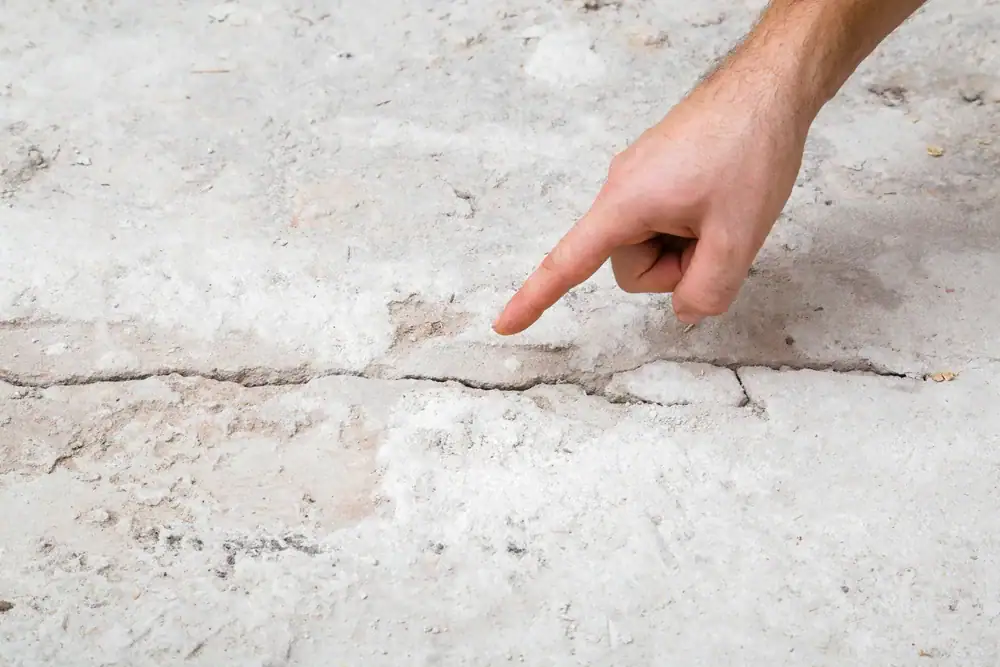
Cracks in your driveway aren’t just ugly. They’re letting water seep down to your foundation, creating bigger problems you can’t see yet. Every rainstorm makes it worse.
You need concrete that can handle Florida’s humidity, temperature swings, and that relentless sun. Not a quick fix that peels off in six months.
When we repair concrete foundation damage or resurface your cracked slab, you’re looking at a floor or surface that actually holds up. No more tripping hazards on your walkway. No more water pooling near your house. No more wondering if that crack is about to turn into a full replacement job.
Your property value stays intact. Your liability risk drops. And you stop thinking about your concrete every time it rains.
Concrete Repair Contractors Deerfield Beach
SPF Industrial is veteran-owned, and we’ve built our reputation on government and military projects across South Florida. Coast Guard facilities. City of Doral. Sunny Isles municipal work. High schools throughout Broward County.
That’s not luck. That’s because we show up, do the work right, and don’t disappear when the check clears.
Deerfield Beach properties face unique challenges—salt air from the coast, sandy soil that shifts, and drainage issues that most contractors ignore. We’ve seen it all here, and we know what actually works long-term versus what just looks good in photos.
Concrete Foundation Repair Process
First, we assess the damage. Not just the surface cracks you can see, but what’s causing them underneath. Poor drainage? Soil movement? Corrosion from moisture intrusion? You need to know what you’re actually dealing with.
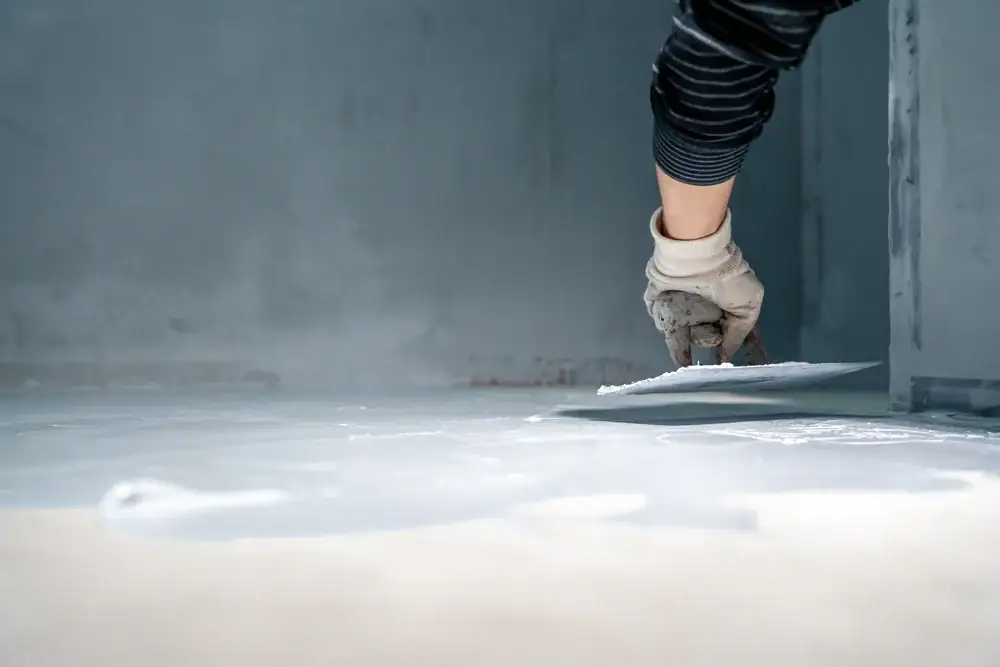
Then we prep the surface properly. That means shot-blasting or diamond grinding to remove any compromised concrete and create a clean bond. This step matters more than most people realize—it’s why DIY repairs fail and why cheap contractors cut corners here.
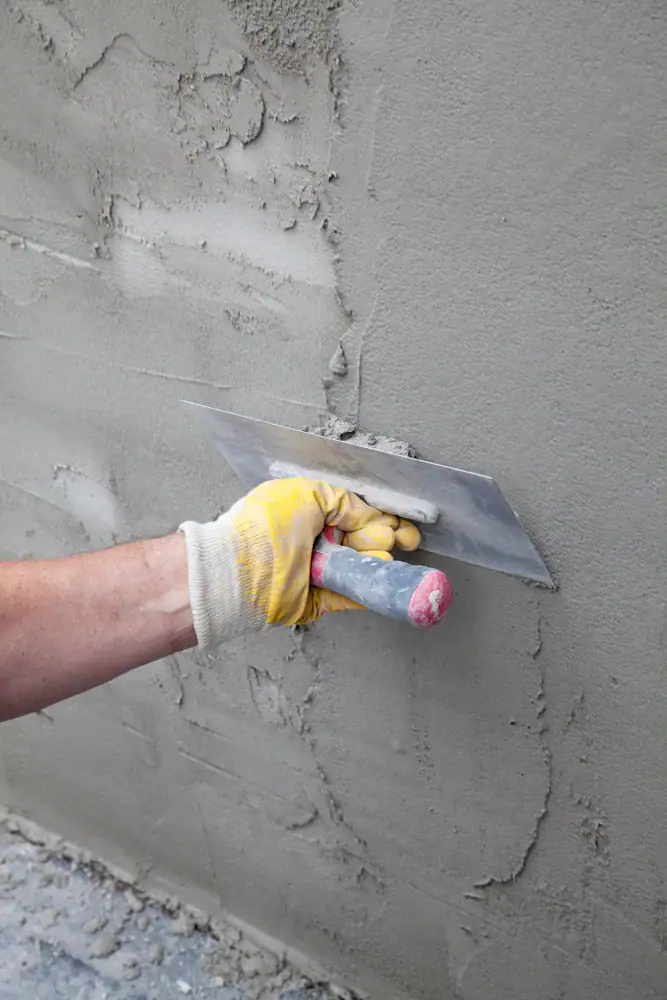
We use epoxy concrete repair systems or polymer-modified materials depending on what your specific situation needs. These aren’t the same products you’ll find at a big box store. We work with Sherwin Williams and Fosroc—commercial-grade materials designed for Florida’s climate.
After application, most repairs are ready for foot traffic in 12 hours. Full cure for vehicles takes about 72 hours. We follow up to make sure everything’s holding up exactly like it should.
Ready to get started?
Epoxy Concrete Repair Deerfield Beach
Concrete driveway crack repair that stops water from undermining your base. Pool concrete repair that handles constant moisture and chemical exposure without breaking down. Concrete step repair and sidewalk work that eliminates tripping hazards before someone gets hurt.
We handle concrete floor repair for garages and commercial spaces, concrete slab repair for foundations, and full resurfacing when the damage is too widespread for spot fixes. Every project includes proper surface preparation—because that’s where most repairs fail.
Deerfield Beach sits right on the coast, which means your concrete faces salt damage that accelerates deterioration. The humidity here never quits, and summer storms dump water faster than most drainage systems can handle. We account for all of that when we recommend a repair approach.
You’re not getting a one-size-fits-all solution. You’re getting a repair designed for your specific concrete problem, in this specific climate, with materials that can actually handle what Florida throws at them. And if we think a repair won’t hold up, we’ll tell you that too.
How long does concrete crack repair actually last in Florida?
It depends entirely on what caused the crack and how the repair is done. If you’re just filling a crack with basic cement and calling it a day, expect it to fail within a year—especially here in Deerfield Beach where moisture and temperature changes are constant.
Properly executed epoxy concrete repair or polymer-modified repairs can last 10-15 years or more. The key is addressing what caused the crack in the first place. If water drainage is the problem and you only fix the surface, you’re wasting money. If soil settlement is causing movement and you don’t stabilize it, the crack comes back.
We use materials specifically rated for Florida’s climate—high humidity, salt exposure, UV degradation. These aren’t the same products homeowners pick up at hardware stores. When we repair a concrete foundation crack or resurface a damaged slab, we’re treating the underlying issue and using commercial-grade materials that bond properly and flex with minor movement instead of cracking again immediately.
What’s the difference between resurfacing and replacing concrete completely?
Cost and disruption, mostly. Concrete resurfacing runs about $3 to $7 per square foot. Full replacement costs $20 to $30 per square foot—sometimes more if there are access issues or disposal complications.
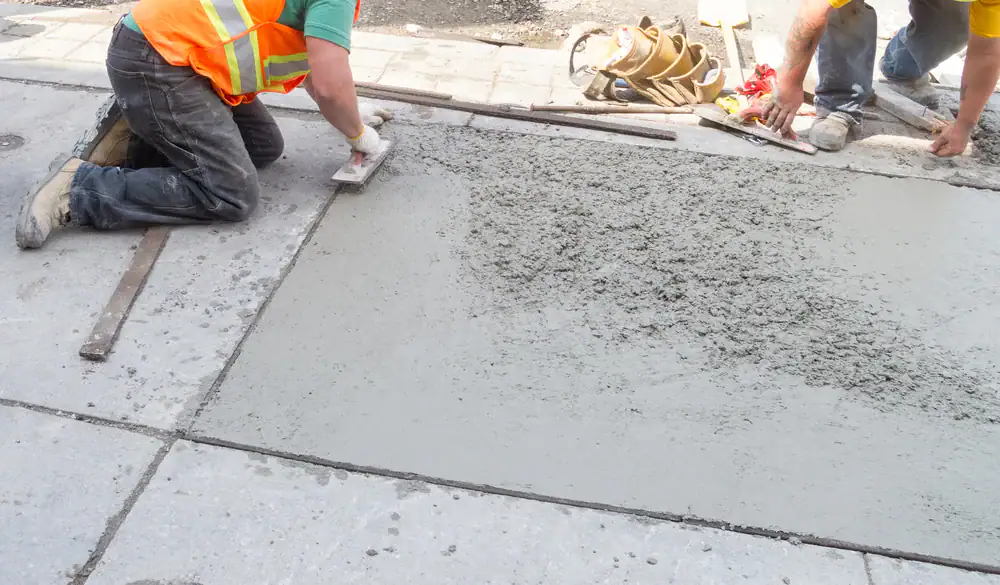
Resurfacing works when the underlying slab is still structurally sound but the surface is damaged—spalling, minor cracks, discoloration, surface scaling. We remove the compromised top layer, prep the base, and apply a new surface that’s typically stronger than the original concrete. It’s faster, cheaper, and you’re not dealing with jackhammers and dumpsters for days.
Replacement is necessary when the slab itself has failed—major structural cracks, severe settling, or damage that goes all the way through. If your foundation is compromised or the base has deteriorated beyond repair, resurfacing won’t fix it. We’ll tell you honestly which approach makes sense for your situation. There’s no point in resurfacing a slab that’s about to fail completely.
Can you repair concrete around pools without draining them?
Yes, in most cases. Pool concrete repair typically involves the deck area around the pool, not the pool structure itself. We can repair cracks, resurface worn areas, and fix trip hazards while your pool stays full and functional.
The concrete around pools takes a beating—constant moisture, pool chemicals splashing onto the surface, people tracking water across it all summer. That’s why pool decks crack and spall faster than other concrete surfaces. The repairs need to handle that same exposure without breaking down.
We use epoxy and polymer systems that bond to damp concrete and cure properly even in high-moisture environments. The key is proper surface prep and using materials rated for continuous water exposure and chemical contact. Most pool deck repairs are ready for foot traffic within 24 hours, though we recommend waiting 48-72 hours before the area gets heavy use. If you’re dealing with structural issues—cracks in the pool shell itself—that’s a different conversation and usually requires draining.
How do you handle concrete repairs during Florida’s rainy season?
Timing and planning. We can’t apply most concrete repair materials in active rain, but we can work around Florida’s afternoon storms if we start early and monitor weather closely.
Some epoxy systems and polymer-modified materials cure faster than traditional concrete, which gives us a wider weather window. If we start a repair at 7 AM, we can often get it to a rain-safe stage before the typical 2 PM thunderstorm rolls through. For larger projects, we sometimes use tenting or temporary covers to protect fresh repairs.
The bigger issue is moisture in the existing concrete. If your slab is saturated from days of rain, some repair materials won’t bond properly. We test moisture levels before starting work and sometimes need to delay a project if conditions aren’t right. Rushing a repair in bad conditions means it fails in six months—nobody wins in that scenario. We’d rather reschedule than do work that won’t last.
What causes concrete to crack so much faster here than other places?
Florida’s combination of factors creates a perfect storm for concrete damage. You’ve got high humidity year-round, which means moisture is constantly trying to penetrate your concrete. Salt air near the coast accelerates corrosion of any rebar or metal in the slab. Temperature swings—even though they’re not extreme—cause expansion and contraction that stresses the material.
Then there’s the soil. Sandy soil shifts and settles, especially when water saturates it during heavy rains. If your concrete slab isn’t properly supported or if drainage is poor, that movement translates directly into cracks. Poor drainage is probably the single biggest cause of concrete failure we see in Deerfield Beach—water pools, seeps under the slab, washes away supporting soil, and the concrete settles unevenly.
Add in the fact that a lot of concrete here was poured during Florida’s building booms without proper curing time or adequate reinforcement, and you’ve got surfaces that were compromised from day one. The UV exposure is also more intense here than most of the country, which degrades sealers and surface treatments faster. All of this means concrete that might last 30 years up north can start showing serious problems in 10-15 years here without proper maintenance.
Do concrete repairs really need to be done by a licensed contractor?
For anything structural or anything that affects your property value and safety—yes, absolutely. DIY concrete crack repair might seem straightforward, but if you don’t identify the underlying cause or use the wrong materials, you’re just delaying the inevitable failure and possibly making it worse.
Licensed concrete repair contractors understand building codes, proper drainage solutions, soil conditions, and which repair methods actually work long-term in Florida. We carry insurance that protects you if something goes wrong. And we pull permits when required, which matters when you sell your property or file an insurance claim.
There’s also the equipment factor. Proper concrete surface preparation requires shot-blasting or diamond grinding equipment that most homeowners don’t own. Mixing and applying epoxy systems correctly requires experience—the wrong ratio or application technique means the repair fails. For foundation issues, you need someone who can assess whether you’re dealing with minor settling or a more serious structural problem that requires engineering input. A bad DIY repair on a foundation crack can hide a problem that gets exponentially more expensive to fix later.
Other Services we provide in Deerfield Beach
Leave a Reply