


Concrete Repair in Fort Lauderdale, FL
Fort Lauderdale Concrete That Actually Lasts
Hear from Our Customers
Fort Lauderdale Concrete Crack Repair
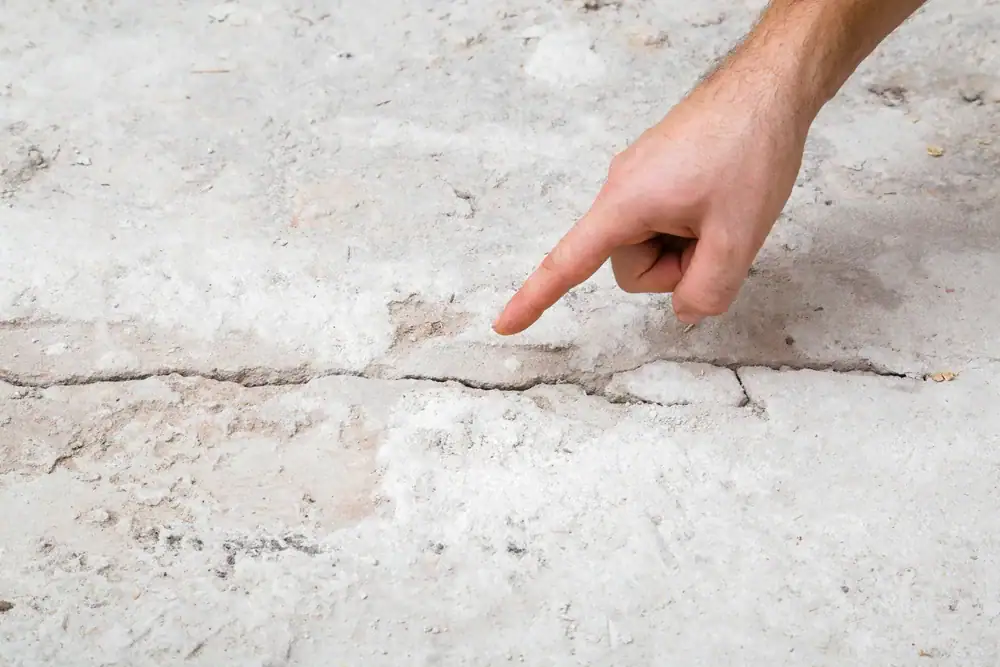
You’ve already patched that crack once. Maybe twice. And now it’s back, wider than before, letting water seep into places it shouldn’t be.
Here’s what’s actually happening: most concrete repair in Fort Lauderdale fails because it’s not designed for this climate. High humidity, salt air, and constant temperature swings make standard patching materials crack, peel, or wash out within months. You’re not getting bad luck—you’re getting the wrong solution.
When concrete repair is done right for South Florida, you’re looking at 10 to 15 years of protection. That means no more watching the same crack reappear after every rainy season. No more worrying about water damage spreading to your foundation or rebar. And no more throwing money at temporary fixes that don’t hold.
The difference comes down to materials that bond deep and flex with seasonal movement, plus moisture testing before anything gets sealed. Skip either one, and you’re back where you started in six months.
Trusted Concrete Repair Contractors Fort Lauderdale
We’ve handled concrete restoration for the U.S. Coast Guard, Army facilities, the City of Doral, the City of Sunny Isles, and county projects across South Florida. If those clients trust us with their concrete, you can too.
We’ve been doing this since 2013 under our Concrete Restoration Team, and launched SPF Epoxy in 2020 to focus specifically on epoxy flooring, polished concrete, and resurfacing. We’re veteran-owned, which means we show up on time, do what we say, and don’t overcomplicate things.
Fort Lauderdale’s climate is brutal on concrete—everyone here knows that. We’ve spent years figuring out what actually works in high humidity and salt air, and what’s just going to fail in a year. That’s the experience you’re getting when you call.
Our Concrete Foundation Repair Process
First, we come out and assess what’s going on. Not just the visible cracks—we’re looking at moisture levels, substrate condition, and whether there’s structural movement happening underneath. If engineering evaluation is needed, we’ll tell you upfront.
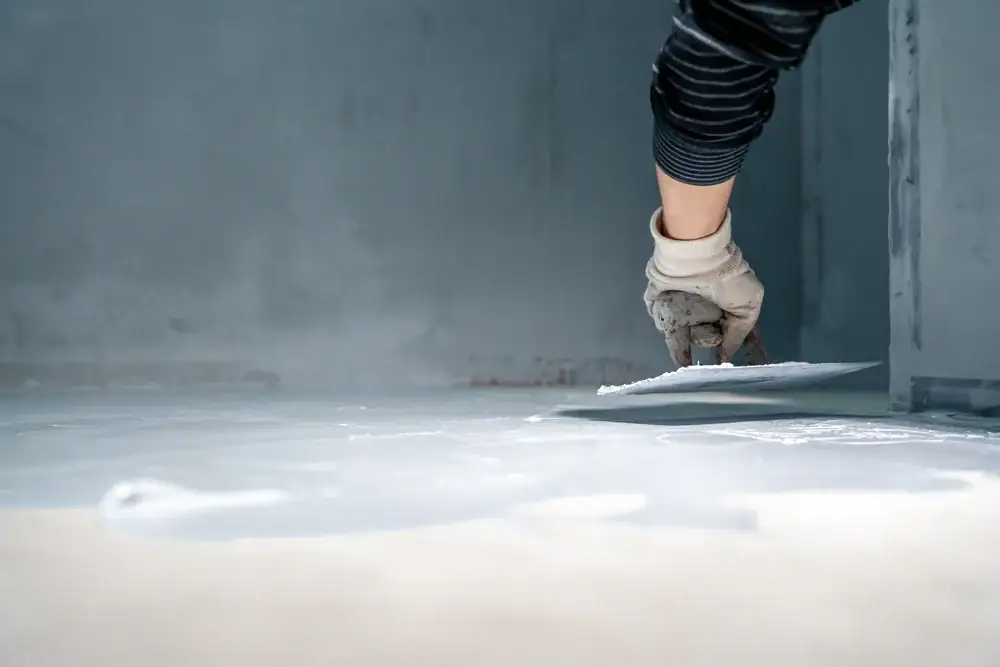
Next, we prep the surface. This isn’t optional and it’s not something you skip to save time. Proper surface prep means the repair actually bonds instead of just sitting on top waiting to peel off. We’re talking grinding, cleaning, and making sure the concrete is ready to accept the material.
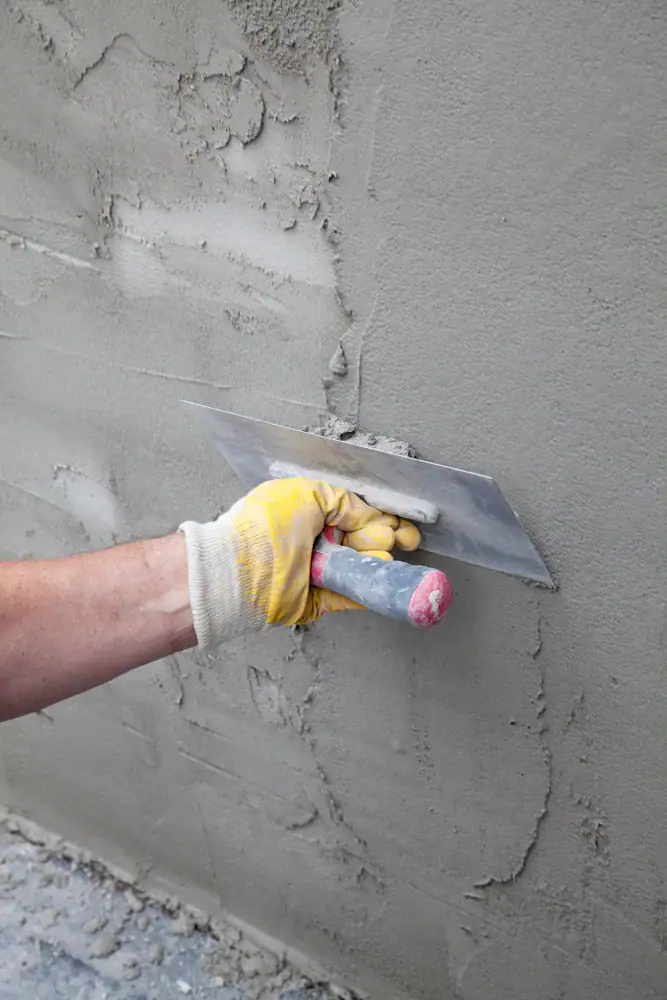
Then we apply the repair system—epoxy injection for cracks, structural patching for larger damage, or full resurfacing depending on what you need. We use Sherwin Williams and Fosroc products because they’re designed for industrial and marine environments, which is basically what Fort Lauderdale is.
Finally, we let it cure properly. Rushing this step is how most concrete repair fails. We follow manufacturer protocols, which usually means 24 to 48 hours before you’re back to normal use. Fast, but not reckless.
You’ll get a walkthrough at the end so you know what was done and what to expect going forward. No surprises, no upselling, no “we found ten more problems” after we started.
Ready to get started?
Epoxy Concrete Repair Fort Lauderdale Specialists
You’re getting a full concrete repair system designed for Florida’s conditions—not a generic patch job that works in Arizona but fails here in three months.
That includes moisture testing before we seal anything, because sealing over trapped moisture is the number one reason repairs fail in Fort Lauderdale. We’re also doing full surface preparation, crack routing and cleaning, epoxy or polyurethane injection depending on the crack type, and structural patching where needed. If it’s a slab issue, we handle concrete slab repair and leveling. If it’s a foundation concern, we bring in engineering support.
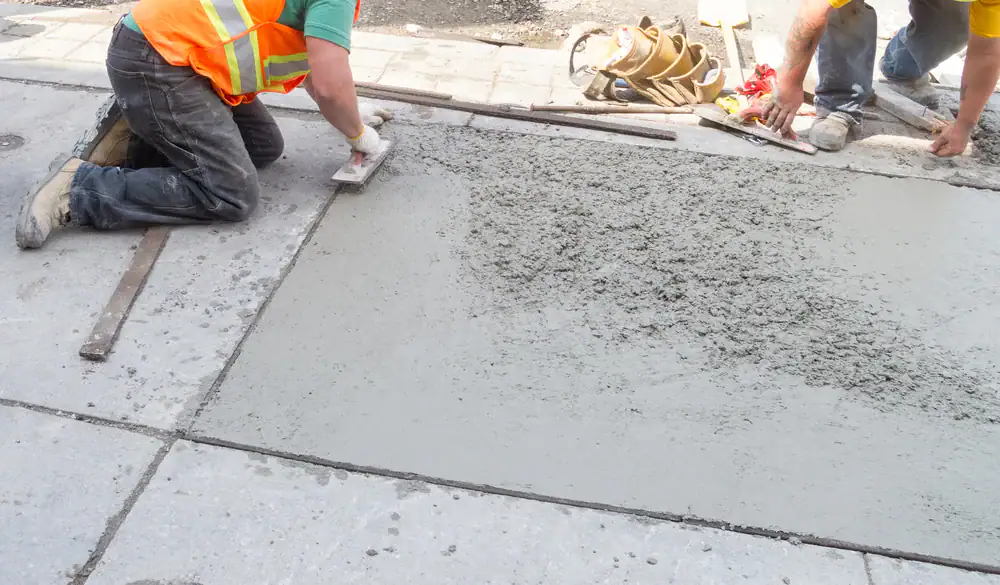
For commercial and industrial clients, we can work around your schedule. That means nights, weekends, or phased work so you’re not shutting down operations. We’ve done this for schools, municipal buildings, and military facilities—we understand that downtime costs money.
You’re also getting transparent pricing from the start. We’ll walk the site with you, explain what needs to happen and why, and give you a number before any work starts. If something changes, we talk about it before moving forward. This is a one-on-one consultation process, not a high-pressure sales pitch.
And if you’re dealing with an emergency—active water intrusion, structural concern, or safety hazard—we can mobilize in 24 to 48 hours. Not next month. Not when it’s convenient. When you actually need it fixed.
How long does concrete repair last in Fort Lauderdale’s climate?
If it’s done right, you’re looking at 10 to 15 years before you need to think about it again. That’s with proper surface prep, the right materials for high humidity, and correct curing time.
Most repairs fail early because they skip moisture testing or use materials that aren’t designed for South Florida. Humidity here sits above 70% most of the year, and salt air accelerates deterioration. Standard concrete patching compounds just don’t hold up.
We use industrial-grade epoxy and polyurethane systems that bond at the molecular level and flex with seasonal temperature changes. These are the same materials used in marine and coastal industrial applications—environments even harsher than your driveway or facility floor. When you factor in the cost of re-doing failed repairs every year or two, the investment pays for itself pretty quickly.
What’s the difference between epoxy injection and surface patching?
Epoxy injection fills the crack from the inside out, while surface patching just covers it from the top. For structural cracks or anything that goes deep, injection is the only real fix.
Here’s why that matters: when a crack goes through the full depth of the slab, water is getting in and reaching your subgrade or rebar. A surface patch might look fine for a few months, but water is still moving underneath, causing more damage. Epoxy injection actually bonds the concrete back together and stops water penetration at the source.
We use injection for active cracks, structural repairs, and anywhere water intrusion is a concern. Surface patching works for shallow spalling, cosmetic damage, or surface-level wear. During the assessment, we’ll tell you which approach makes sense for your situation—and if someone’s trying to sell you a surface patch for a deep structural crack, that’s a red flag.
Can you repair concrete pool decks and driveways?
Yes. Pool deck concrete repair and driveway crack repair are some of the most common calls we get in Fort Lauderdale, and both come with their own challenges in this climate.
Pool decks deal with constant water exposure, chlorine or salt, and foot traffic. The concrete around pools also tends to settle unevenly because of how the ground shifts with moisture. We handle crack repair, resurfacing, and leveling to get everything back to safe and functional. If the surface is too far gone, we can do a full overlay or polished concrete finish that holds up better long-term.
Driveways take a beating from vehicle weight, oil stains, and Florida’s UV exposure. Concrete driveway crack repair usually involves routing out the damaged areas, cleaning them properly, and filling with flexible epoxy that can handle expansion and contraction. If you’ve got spalling or surface deterioration, we can resurface the whole thing without tearing it out and starting over.
Both services can usually be done in 24 to 48 hours depending on size and scope, and we’ll walk you through maintenance tips to extend the life of the repair.
Do I need a structural engineer for foundation cracks?
Sometimes yes, sometimes no—it depends on whether the crack is structural or just cosmetic, and whether there’s active movement happening.
Hairline cracks that aren’t growing and don’t show signs of displacement are usually cosmetic. These happen as concrete cures and settles, and they’re not a structural concern. We can seal them to prevent water intrusion and stop them from getting worse.
Wide cracks, cracks that are getting bigger, or cracks with vertical or horizontal offset are a different story. These indicate foundation movement, settlement issues, or structural load problems. For those, we bring in a licensed engineer to evaluate what’s causing the movement before we do any repair work. Fixing the crack without addressing the cause is just going to result in the same crack reopening in a few months.
We’ve worked with engineers on projects for municipal buildings, schools, and military facilities across South Florida, so we know when to call one in and how to coordinate that process. If engineering is needed, we’ll tell you upfront—not after we’ve already started the work.
How soon can you start on an emergency concrete repair?
If it’s a true emergency—active water intrusion, safety hazard, or structural concern—we can usually mobilize within 24 to 48 hours. That’s not a marketing line, that’s how we’ve handled Coast Guard and municipal emergency calls.
Emergency concrete repair in Fort Lauderdale usually involves stopping water penetration before it causes more damage, stabilizing cracked or spalled areas that pose a trip hazard, or addressing structural issues that can’t wait. We keep materials and equipment staged specifically for these situations.
The process is the same as a scheduled job—assessment, proper prep, correct materials, proper curing—but we compress the timeline and work around your schedule. Nights, weekends, whatever it takes to get you back to safe and operational. You’ll still get the same quality and the same warranty, just on an accelerated schedule.
If it’s not a true emergency but you just want it done quickly, we can usually get you on the schedule within a week and complete most residential or small commercial jobs in one to two days.
Why does concrete repair cost more in Fort Lauderdale than other places?
Because doing it right here requires different materials, extra prep work, and moisture management that isn’t necessary in drier climates. If someone’s quoting you the same price as a job in Arizona, they’re probably not accounting for Florida’s conditions.
High humidity means we have to test moisture levels before sealing anything. If we don’t, trapped moisture will cause the repair to fail within months—and then you’re paying to fix it again. We also use epoxy and polyurethane systems rated for marine and high-humidity environments, which cost more than standard patching compounds but actually last.
Surface prep is more intensive here too. Salt air and moisture cause surface contamination that has to be ground off completely, or the new material won’t bond. Shortcuts at this stage are why you see so many failed repairs around Fort Lauderdale—the material just peels off because it was never properly adhered.
The cost difference usually works out to 20 to 30 percent more than a basic patch job, but you’re getting a repair that lasts 10 to 15 years instead of one that fails in under two. When you factor in not having to redo the work every year, the math makes sense pretty quickly.
Other Services we provide in Fort Lauderdale
Leave a Reply