


Concrete Repair in Glidden Park, FL
Concrete That Holds Up to Florida’s Coast
Hear from Our Customers
Concrete Crack Repair That Lasts
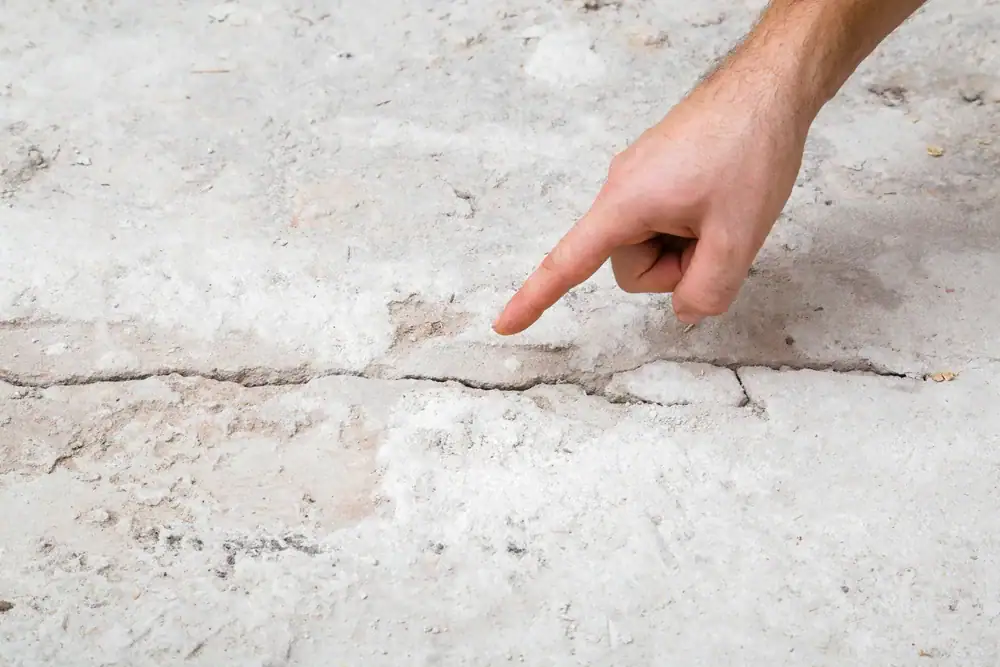
If you’ve patched the same driveway crack three times or watched your pool deck spall worse each summer, you already know cheap fixes don’t work here. The problem isn’t just the crack. It’s the salt air, the humidity pushing moisture deep into every pore, and the heat cycling that makes standard repair materials fail within two years.
Commercial-grade concrete repair uses different chemistry. The materials bond properly in humid conditions, resist salt intrusion, and flex with temperature changes instead of cracking again. That’s why floors we installed a decade ago for the Coast Guard and City of Doral still perform like new.
When your concrete is repaired correctly the first time, you’re not calling someone back next year. You’re not watching the same section crumble again. Your driveway handles daily traffic without new cracks spreading. Your pool deck stays smooth and safe through summer after summer. And you stop losing money on repeated Band-Aid fixes that never actually solve anything.
Concrete Foundation Contractors Glidden Park Trusts
We handle concrete and epoxy flooring for some of the most demanding clients in Florida: the U.S. Coast Guard, Army installations, City of Doral, City of Sunny Isles, and county facilities across the state. These aren’t clients who tolerate mediocre work or materials that fail early.
We’ve been serving Fort Pierce and the surrounding Glidden Park area since 2020, and we only use commercial-grade products from Sherwin Williams and Fosroc. No homeowner kits. No subcontractors. Everything is done in-house by our full-time crew, which means the people who assess your concrete are the same people who repair it.
If your property is near the water, you’re dealing with accelerated deterioration from salt exposure. We see it constantly in this area: concrete that looks fine on the surface but has moisture and chloride working underneath, weakening the structure from within. That’s exactly why we don’t use standard residential repair methods here.
Our Concrete Floor Repair Process
First, we assess the damage. Not just what’s visible, but what’s happening below the surface. Spalling and cracks usually signal deeper issues with moisture infiltration or rebar corrosion, especially in coastal areas like Glidden Park. We need to understand the root cause before we start any repair.
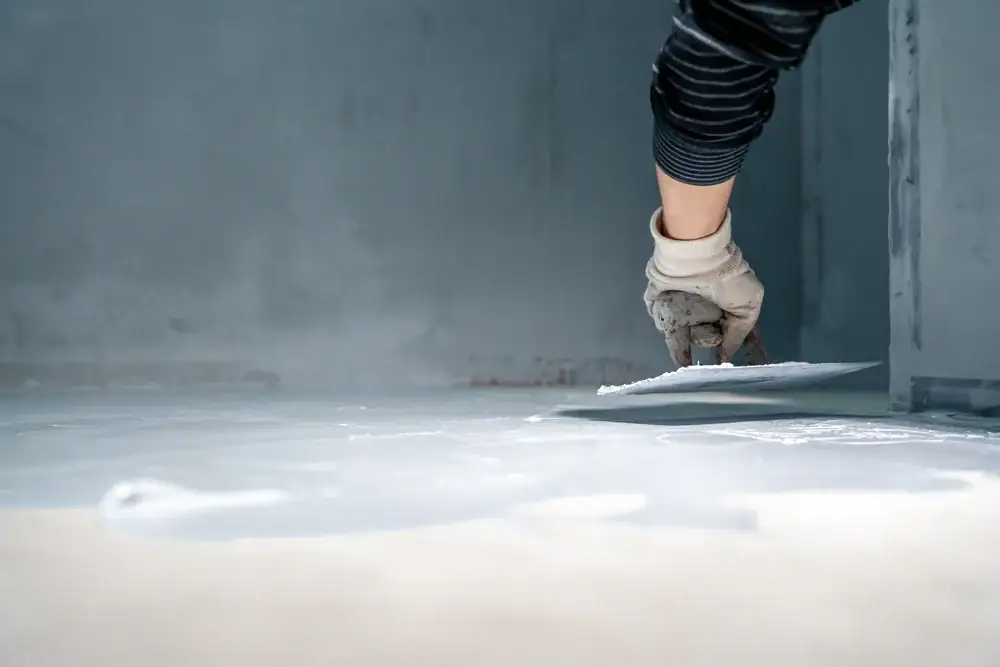
Next comes surface preparation. This is where most contractors cut corners, and it’s why their repairs fail. We shot-blast, diamond-grind, or scarify the concrete depending on the condition. This removes any weak or contaminated surface material and creates the profile needed for proper adhesion. If there are imperfections, low spots, or damaged sections, we repair those first. The slab has to be perfect before we apply anything.
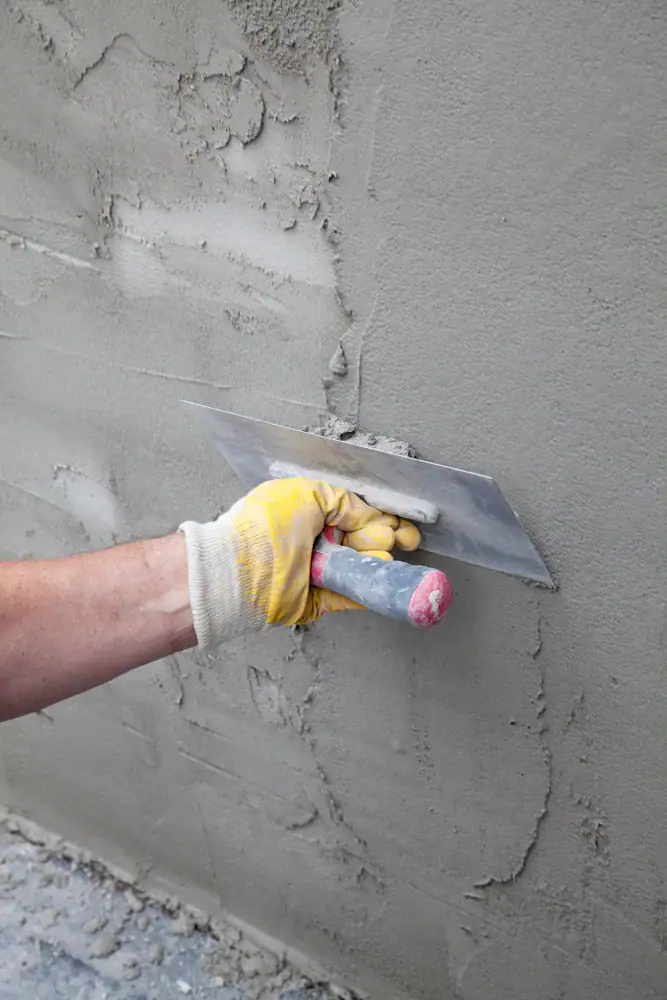
Then we apply the repair system. We’re using commercial-grade epoxy or polyurethane materials formulated specifically for high-humidity, high-heat, salt-exposed environments. These aren’t the same products you’ll find at a hardware store. They’re designed to bond in Florida’s conditions and resist the moisture, chemicals, and temperature swings that destroy standard repairs.
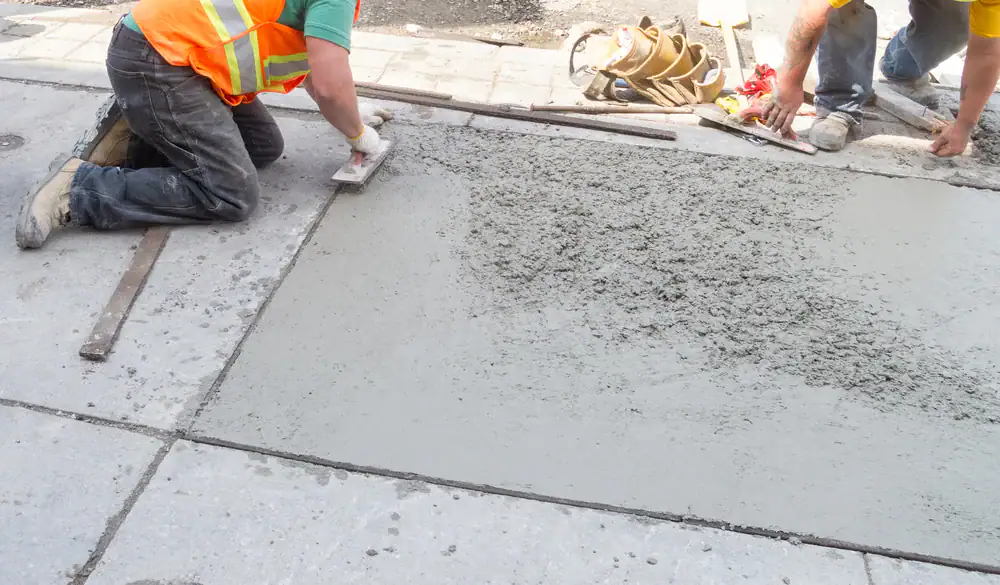
Finally, we finish and seal based on your specific needs. If it’s a driveway, we ensure proper texture for traction. If it’s a pool deck, we customize slip resistance. If it’s an industrial floor, we add chemical resistance. The goal is a repair that performs better than the original concrete and lasts years without requiring touch-ups.
Ready to get started?
Epoxy Concrete Repair for Glidden Park Properties
When we repair your concrete, you’re getting full surface preparation—not a quick patch over damaged material. That means shot-blasting or grinding to remove contamination, repairing any structural issues in the slab, and ensuring a clean, properly profiled surface before any product goes down.
You’re also getting commercial-grade materials that handle both vehicle traffic and Florida’s weather. Salt air accelerates concrete deterioration in Glidden Park, and humidity causes adhesion problems with inferior products. We only use systems designed for harsh coastal environments, which is why our repairs outlast standard contractor work by years.
For properties near the water or with heavy exposure, we address moisture and chloride intrusion directly. High humidity here saturates porous concrete, and salt-laden air promotes steel corrosion beneath the surface. If we don’t stop that process, any repair will fail. Our systems create a non-porous barrier that repels water, resists salt penetration, and protects the underlying structure from further damage.
And because we handle everything in-house with our own crew, there’s no coordination headache with subcontractors. One team assesses your concrete, completes the prep work, applies the repair system, and follows up after the job. If you have a question or concern, you’re talking directly to the people who did the work.
How long does concrete repair actually last in Florida’s coastal climate?
It depends entirely on the materials and prep work. Cheap epoxy kits or standard patching compounds fail within two to three years here because they can’t handle moisture and heat cycling. They weren’t designed for coastal environments.
Commercial-grade systems use different chemistry that bonds properly in humid conditions and resists salt intrusion. When the surface prep is done correctly—shot-blasting or diamond grinding to remove weak material and create proper adhesion—these systems last a decade or more under heavy use. We’ve installed floors for military and municipal clients that still look new after ten years of constant traffic.
The real difference is in how the repair handles Florida’s conditions. Standard products are porous, which means moisture gets underneath and breaks the bond. Salt accelerates that process. Commercial systems create a non-porous barrier that keeps water and salt out, so the repair stays intact instead of delaminating or cracking again.
What causes concrete to crack and spall so quickly in Glidden Park?
Salt air, humidity, and heat. Glidden Park sits right on the water, which means your concrete is constantly exposed to salt-laden air. That salt penetrates the surface and reaches the rebar inside, causing it to corrode and expand. When rebar expands, it cracks the concrete from within.
Humidity makes it worse. High moisture levels push water vapor into every pore and crack, increasing permeability and accelerating chloride infiltration. Once moisture is inside, the heat cycling we get in Florida causes expansion and contraction, which weakens the bond between concrete and rebar even further.
Spalling is what happens when that internal pressure finally breaks pieces of concrete away from the surface. It’s not just cosmetic damage. It’s a sign that the structural integrity is compromised. If you’re seeing spalling on your driveway, pool deck, or foundation, moisture and salt have already been working underneath for a while. Fixing it requires removing the damaged material, treating the rebar, and applying a system that stops further intrusion.
Can you repair concrete foundation cracks, or do I need a full replacement?
Most foundation cracks can be repaired if they’re caught early. The key is understanding what caused the crack. If it’s from settling or minor shifting, a proper epoxy or polyurethane injection will restore structural integrity and stop water infiltration.
If the crack is from ongoing moisture issues, poor drainage, or significant structural movement, we need to address the root cause first. Otherwise, you’re just patching a symptom, and the crack will reappear. We assess the foundation, identify what’s causing the damage, and recommend the right repair method based on the actual problem.
For hairline cracks or cracks under a quarter-inch, epoxy injection works well. For larger cracks or areas with active water intrusion, polyurethane foam injection is often better because it expands to fill voids and creates a waterproof seal. In cases where the foundation has severe structural damage or extensive corrosion, replacement might be necessary. But that’s rare. Most foundation cracks we see in Glidden Park are repairable with the right approach and materials.
How much does professional concrete repair cost compared to DIY kits?
Professional systems typically cost three to eight dollars per square foot, depending on the scope and condition of the concrete. DIY kits cost less upfront—maybe fifty to a hundred dollars for a small area—but they fail within two to three years in Florida’s climate. Then you’re paying to redo the work, and the underlying damage has usually gotten worse.
The real cost comparison isn’t just the initial price. It’s how many times you have to repair the same area. If you patch a driveway crack with a hardware store product and it fails in two years, you’ll spend more over a decade than if you’d used a commercial-grade system once.
Commercial repairs also add property value and reduce long-term maintenance costs. A properly repaired concrete floor, driveway, or pool deck doesn’t need constant touch-ups. It handles traffic, weather, and exposure without deteriorating. Most homeowners find the investment pays for itself through reduced maintenance, fewer safety hazards, and better curb appeal. And if you’re selling, buyers notice the difference between a cheap patch job and a professional repair that’s actually holding up.
What’s the difference between concrete resurfacing and concrete crack repair?
Concrete crack repair targets specific damage—filling and sealing cracks to restore structural integrity and stop water infiltration. It’s focused work on problem areas, and it’s what you need when the rest of your concrete is still in good shape but certain sections are failing.
Concrete resurfacing covers the entire surface with a new layer of material. It’s what you do when the concrete is worn, stained, discolored, or has surface damage across a large area. Resurfacing can also hide old repairs, improve slip resistance, and give you a completely refreshed look without tearing out and replacing the slab.
Sometimes you need both. If your driveway has a few deep cracks and the surface is also stained and rough, we’ll repair the cracks first to stabilize the slab, then resurface the entire area to create a uniform, durable finish. The crack repair ensures the structural issues are fixed. The resurfacing gives you a smooth, attractive surface that performs better than the original concrete.
Do you offer emergency concrete repair services in Glidden Park?
Yes. If you have a safety hazard—a trip hazard from a lifted slab, a large section of spalling that’s getting worse, or structural damage that’s putting your property at risk—we can respond quickly. For urgent situations, we typically turn around assessments and repairs within 24 to 48 hours.
Emergency repairs are common in coastal areas like Glidden Park because concrete deterioration accelerates fast once moisture and salt get into the structure. What looks like a small crack one month can turn into significant spalling or structural failure the next, especially during Florida’s rainy season.
We prioritize safety and structural integrity. If your concrete is creating a liability or the damage is spreading, waiting only makes the repair more expensive and complicated. Call us, and we’ll assess the situation, give you transparent pricing, and get the work scheduled as fast as possible. No subcontractors, no delays—our crew handles everything in-house, which means we can move quickly when you need us.
Other Services we provide in Glidden Park
Leave a Reply