


Concrete Repair in Golf, FL
Your Concrete Fixed Right the First Time
Hear from Our Customers
Concrete Crack Repair Golf FL
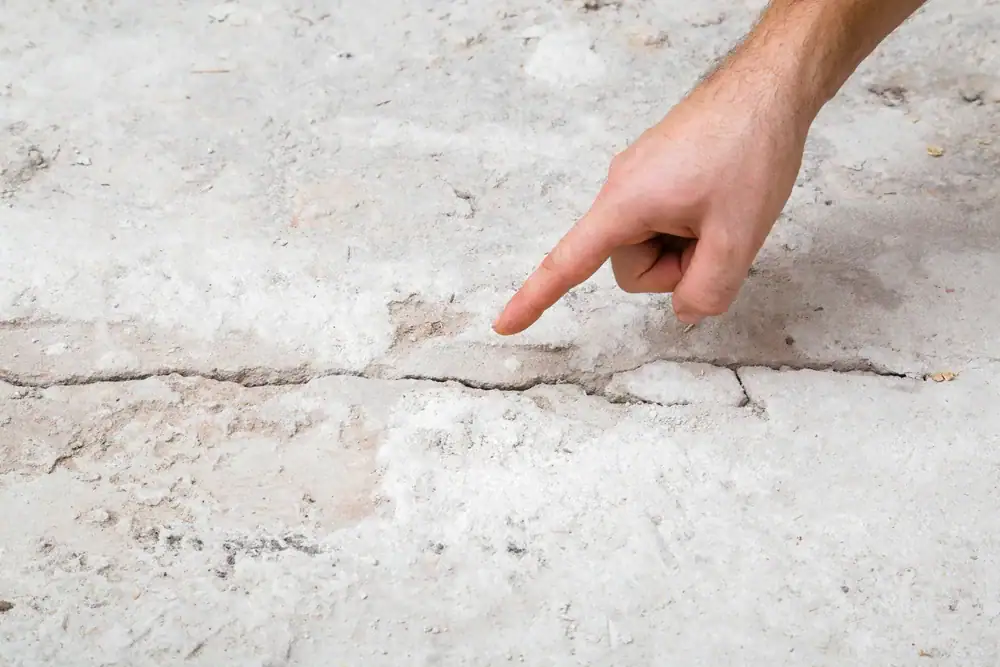
You’ve probably noticed the cracks getting wider. Maybe you’ve seen water pooling where it shouldn’t. Or your concrete slab has settled enough that it’s become a tripping hazard.
Here’s what most property owners in Golf don’t realize: about 90% of cracked driveways and foundation issues stem from poor initial work. Contractors who skip the compaction step or don’t pull proper permits leave you with problems that show up within two years. Then they’re nowhere to be found.
When concrete repair is done correctly, you’re looking at a surface that handles Florida’s afternoon storms, shifting soils, and heavy loads without falling apart. Your maintenance costs drop. Safety hazards disappear. And you’re not calling someone back out in six months because the same crack reappeared.
The difference is in the prep work and materials. Shot-blasting removes weak surface layers. Diamond grinding levels uneven sections. Epoxy injection fills cracks at the molecular level. Then high-grade polymer coatings from manufacturers like Sherwin Williams and Fosroc create a bond that’s 45% more durable than conventional materials.
Concrete Foundation Contractors Golf FL
We’ve handled concrete projects for the Coast Guard, US Army, City of Doral, and City of Sunny Isles. When government agencies need concrete work done right, they can’t afford to gamble on contractors who cut corners.
We’ve been operating in Florida since 2020, and every project is completed by our full-time crew. No subcontractors. No handoffs to people we don’t know. When you call, you’re talking to the same people who’ll be on your property.
Golf sits in an area where sandy and clay-rich soils shift constantly. Add heavy loads, heat, and Florida’s weather patterns, and you’ve got concrete that takes a beating. We’ve seen what works here and what fails within a year. That knowledge matters when you’re choosing between a quick patch job and a repair that actually holds up.
Concrete Foundation Repair Process
First, we come out for a consultation. You show us the damage, we assess what’s causing it, and we tell you exactly what needs to happen. No vague estimates or surprise costs later.
If it’s a crack, we determine whether it’s surface-level or structural. Surface cracks get cleaned, filled with epoxy, and sealed. Foundation cracks require injection techniques that reach deep into the concrete and address underlying soil issues. Settling slabs get leveled using polyurethane foam or mudjacking, depending on the situation.
Before any repair material goes down, we prep the surface. That means shot-blasting to remove contaminants, grinding down uneven spots, and making sure the concrete is ready to bond. Skipping this step is why most repairs fail.
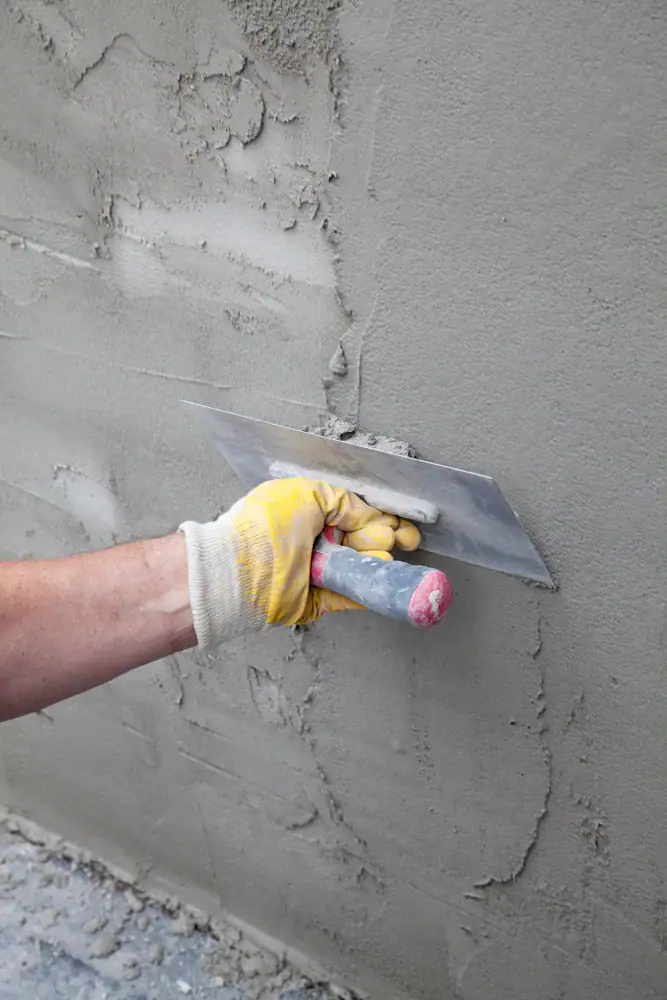
Once the surface is prepped, we apply the repair material. For epoxy concrete repair, that’s a two-part resin system that cures harder than the surrounding concrete. For resurfacing, it’s a polymer overlay that can handle traffic within 24 to 48 hours.
After the work is done, we follow up. You get a call to make sure everything’s holding up the way it should. And if something doesn’t look right, we come back.
Ready to get started?
Concrete Floor Repair Golf FL
Every concrete repair project starts with surface preparation. We use shot-blasting, scarifying, and diamond grinding to remove weak layers and create a clean bonding surface. This step alone separates repairs that last from ones that peel off in a year.
You’re getting materials from Sherwin Williams, Fosroc, and Laticrete. These aren’t hardware store products. They’re engineered for Florida’s climate and tested in commercial and industrial settings where failure isn’t an option.
For concrete step repair, pool concrete repair, or concrete sidewalk repair, we match the existing finish so the repair doesn’t stand out like a patch job. For concrete driveway crack repair, we address the root cause, whether that’s soil settlement, poor drainage, or inadequate base compaction.
Golf properties deal with specific challenges. The water table sits high in this area, which means hydrostatic pressure can push up through concrete slabs if they weren’t sealed correctly during installation. We account for that. Afternoon storms dump water fast, and if your concrete doesn’t have proper drainage channels, you’ll see erosion under the slab. We fix that too.
Commercial clients get the same attention to detail we bring to government projects. Your concrete floor repair includes safety line striping if needed, anti-slip coatings for high-traffic areas, and chemical-resistant sealers if you’re dealing with oils, solvents, or food-grade requirements.
How much does concrete repair cost compared to full replacement?
Concrete leveling and crack repair typically run about one-third the cost of tearing out and replacing a slab. If you’re looking at a 500-square-foot driveway, replacement could hit $3,000 to $5,000 once you factor in demolition, hauling, new base material, and pouring. Repair work on that same driveway usually lands between $1,000 and $1,800, depending on how much leveling and crack filling is needed.
The bigger cost difference shows up over time. A quality repair using polymer materials and proper surface prep can last 10 to 15 years. A cheap replacement with poor compaction might crack again in two years, and now you’re paying for another fix.
Here’s the part most contractors won’t tell you: if the underlying soil issue isn’t addressed, replacement won’t solve anything. You’ll have a brand-new slab sitting on the same unstable base, and it’ll settle just like the old one. Concrete repair that includes soil stabilization actually fixes the problem.
How long does concrete crack repair take to cure?
Epoxy crack injection cures in about 24 hours under normal conditions. You can walk on it within a few hours, but we recommend staying off it until the next day. For driveways or areas with vehicle traffic, wait 48 hours before driving on it.
Polyurethane foam leveling cures faster. The foam expands and hardens in about 15 minutes, and you can use the surface within an hour. That’s why it’s the go-to method for emergency repairs or situations where you can’t afford downtime.
Resurfacing overlays vary depending on thickness and temperature. A thin overlay might be ready for foot traffic in 12 hours and vehicle traffic in 24. Thicker applications or cooler weather can push that to 48 hours. Florida heat usually speeds things up, but high humidity can slow the cure, so we adjust the mix accordingly.
If you need faster turnaround, we can use rapid-set materials that cure in 2 to 4 hours. They cost more, but they’re worth it when you’re dealing with a commercial space that can’t shut down for two days.
What causes concrete to crack in Golf, FL?
Soil movement is the main culprit. Golf sits on a mix of sandy and clay-rich soils that shift when they get wet or dry out. Clay expands when it absorbs water and shrinks when it dries. Sand doesn’t hold compaction well unless it’s done right. Both create voids under your concrete, and once support disappears, the slab cracks or settles.
Poor initial compaction is the second biggest cause. Florida building code requires 95% compaction for the base layer under concrete. A lot of contractors skip this step or don’t have the equipment to verify it. Within two years, the base settles, and your concrete goes with it.
Tree roots, plumbing leaks, and drainage issues also cause cracks. A slow leak under a slab can wash away soil over months. Tree roots grow under concrete and lift it. Poor grading sends rainwater straight toward your foundation instead of away from it.
Temperature changes play a smaller role here than in northern climates, but Florida’s heat can still cause expansion cracks if control joints weren’t cut properly during installation. Afternoon storms that drop an inch of rain in 20 minutes create erosion under slabs if drainage wasn’t planned correctly.
Can you repair concrete pool decks and steps?
Yes. Pool concrete repair is one of the most common requests we get. Pool decks take a beating from constant moisture, chlorine exposure, and foot traffic. You’ll see surface spalling where the top layer flakes off, cracks from settling, and uneven sections that create tripping hazards.
For pool decks, we remove the damaged surface layer, stabilize any settling areas, and apply a polymer overlay that’s slip-resistant and chemical-resistant. The overlay bonds to the existing concrete and creates a waterproof barrier that holds up better than the original surface. You can choose textures and colors that match your current setup or go with something new.
Concrete step repair around pools follows the same process. We rebuild the edges if they’ve chipped away, level any settling, and apply a finish that matches the rest of the deck. Steps are high-liability areas, so we make sure the repair meets code for slip resistance and structural integrity.
The key with pool areas is using materials that won’t break down from chlorine, salt, or constant water exposure. Standard concrete repair products fail in these environments. We use epoxy and polymer systems specifically rated for wet, chemical-heavy conditions.
Do you offer emergency concrete repair services?
Yes. If you’ve got a safety hazard or a situation that can’t wait, we can usually get a crew out within 24 to 48 hours. Emergency concrete repair typically involves tripping hazards, structural damage that’s getting worse, or commercial spaces that need a fix before they can reopen.
We’ve handled emergency calls for restaurants with damaged kitchen floors that needed repair and reopening within two days to pass health inspections. We’ve leveled sunken sidewalk sections for property managers dealing with liability concerns. We’ve sealed foundation cracks that were letting water into buildings during storms.
Emergency work costs more because we’re bumping other projects and sometimes working outside normal hours. But if the alternative is shutting down your business, dealing with an injury lawsuit, or watching water damage spread through your property, the cost makes sense.
For true emergencies, we keep rapid-set materials on hand. These cure in 2 to 4 hours instead of 24, so you’re back in operation the same day. The trade-off is higher material cost and a shorter working window for our crew, but when time matters more than budget, it’s the right call.
How do I know if my concrete needs repair or replacement?
If the damage covers less than 30% of the surface and the concrete is structurally sound, repair almost always makes more sense. Cracks, surface spalling, minor settling, and isolated damage respond well to repair techniques. You’re fixing the problem areas without tearing out good concrete.
Replacement makes sense when the entire slab has failed. That means widespread cracking across more than half the surface, severe settling that’s dropped the slab several inches, or structural damage that’s compromised the load-bearing capacity. If the concrete was installed without proper base prep or reinforcement, sometimes starting over is the only real fix.
Here’s a simple test: if you can rock a section of concrete by stepping on it, the base has failed and that area needs attention. If cracks are wider than a quarter-inch and growing, that’s a sign of ongoing movement that repair can address. If the surface is flaking off in layers but the underlying concrete is solid, resurfacing works.
The honest answer is that most concrete problems in Golf don’t require full replacement. Soil stabilization, crack injection, and leveling solve about 70% of the issues we see. But we’ll tell you if replacement is the better move. Doing a repair that only buys you another year doesn’t help anyone.
Other Services we provide in Golf
Leave a Reply