


Concrete Repair in Homestead Base, FL
Concrete That Holds Up in Florida’s Climate
Hear from Our Customers
Concrete Crack Repair Homestead Base
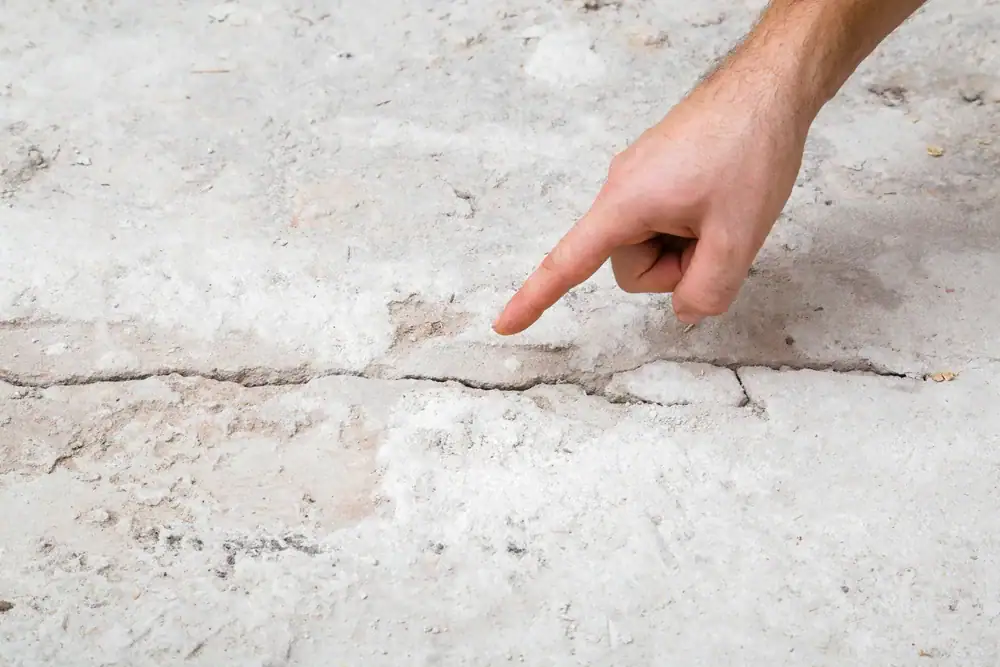
Most concrete problems in Homestead Base start small. A hairline crack in your driveway. A section of your pool deck that’s starting to sink. Maybe you’ve noticed your foundation showing stress lines after the last heavy rain.
Left alone, these turn into expensive replacements. Water gets in, the ground shifts, and what was a $300 repair becomes a $3,000 project.
The right concrete repair addresses what’s happening under the surface. That means proper moisture testing before any coating goes down. It means understanding how Florida’s soil moves and why your concrete is cracking in the first place. And it means using materials that can handle the temperature swings and constant humidity we deal with year-round.
When the repair is done right, you’re not calling someone back in six months. The surface stays level, the cracks don’t come back, and you’re not dealing with water intrusion or safety hazards.
Concrete Foundation Contractors Homestead Base
We handle concrete repair, epoxy flooring, and polished concrete for residential and commercial properties throughout Homestead Base, FL. We’ve worked with the Coast Guard, US Army, City of Doral, City of Sunny Isles, and county facilities across South Florida.
That experience matters when you’re dealing with foundation cracks or structural concrete issues. We know what Florida’s climate does to concrete, and we know how to fix it so it actually lasts.
We work directly with property owners. You get transparent pricing, a real consultation, and honest answers about what your concrete needs. If you’ve got an emergency situation, we can turn around most repairs in 24-48 hours.
Epoxy Concrete Repair Process
First, we come out and look at what’s going on. Not just the visible damage, but what’s causing it. We test moisture levels, check for movement, and figure out whether you’re dealing with a surface issue or something deeper.
Then we walk you through what needs to happen. If it’s a crack, we’ll explain whether it needs filling, grinding, or a full section replacement. If it’s a coating failure, we’ll tell you why it failed and what we’d do differently.
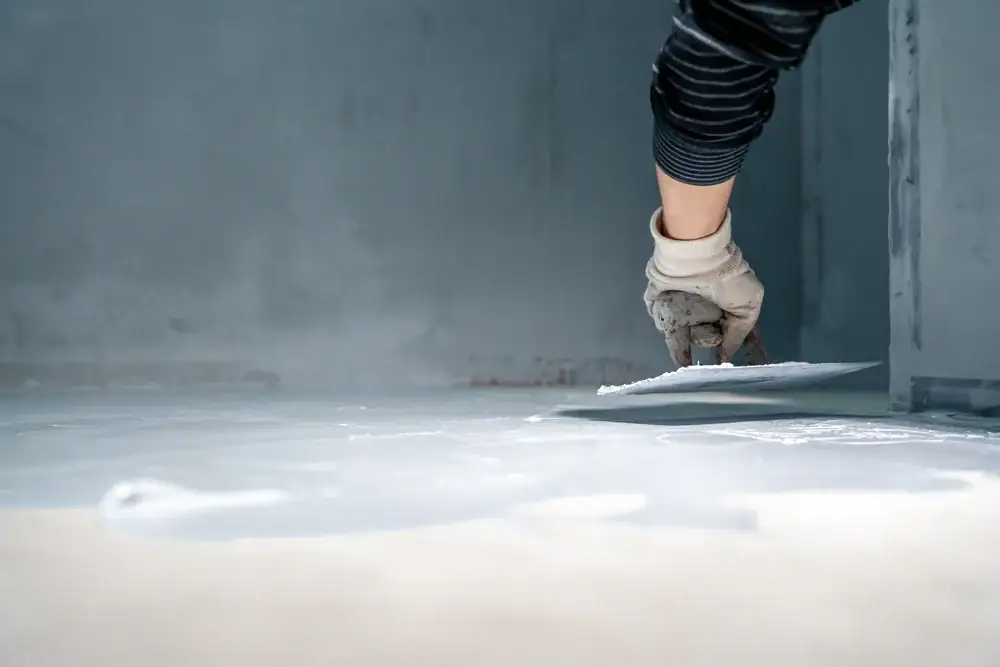
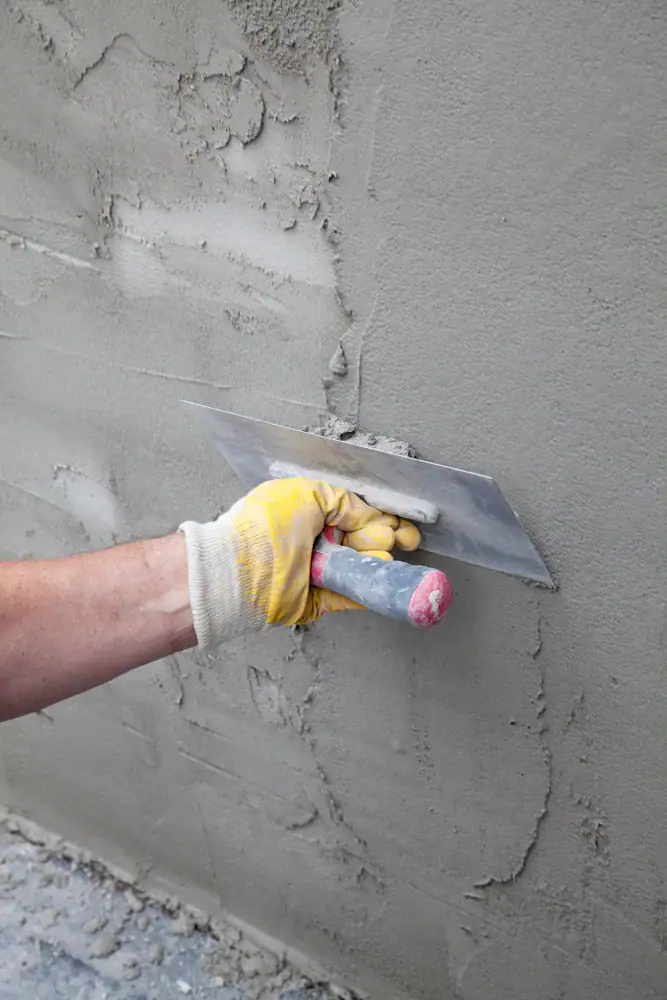
The actual repair depends on what your concrete needs. We might grind the surface, shot-blast it, or apply a moisture barrier before any coatings go down. For cracks, we use flexible fillers that move with your concrete instead of breaking apart the first time temperatures shift.
After the work is done, we give you a follow-up call to make sure everything is holding up. We use products from Sherwin Williams and Fosroc because they perform in Florida’s climate, and we stand behind the work.
Ready to get started?
Pool Concrete Repair Homestead Base
We handle concrete driveway crack repair, pool deck resurfacing, foundation repairs, sidewalk leveling, and epoxy floor coatings. If your concrete is cracked, sinking, spalling, or just failing under Florida’s weather, we can fix it.
In Homestead Base, we see a lot of foundation movement because of the soil composition and water table. Homes near the air base often deal with vibration-related cracking. Pool decks take a beating from constant moisture and UV exposure. Driveways crack from the heat and the weight of vehicles on softened asphalt base layers.
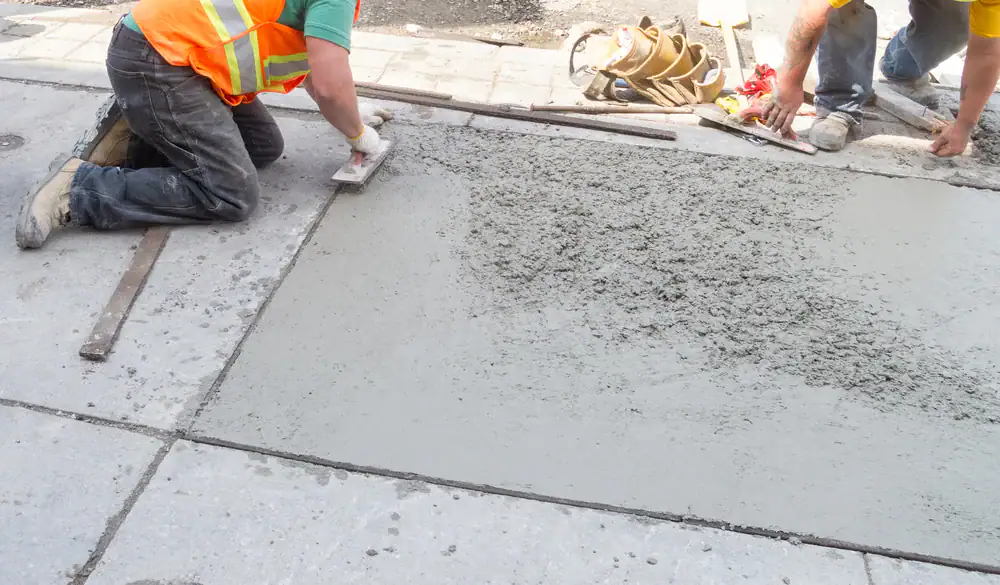
Each situation gets a different approach. Foundation cracks might need epoxy injection or polyurethane foam to stabilize the soil underneath. Pool decks often need a full resurface with a slip-resistant coating. Driveways might just need crack sealing and a protective overlay, or they might need sections replaced if the base has failed.
We don’t upsell you on work you don’t need. If a simple crack fill will hold, we’ll tell you. If you need something more involved, we’ll explain why and show you what happens if you wait.
How long does concrete need to cure before you can apply epoxy in Florida?
Concrete needs at least 30 days to cure in Florida before any epoxy or coating goes down. Most contractors will tell you 28 days, but in our climate, that’s cutting it close.
The issue is moisture. Fresh concrete holds a lot of water, and in Florida’s humidity, that water doesn’t evaporate as fast as it would in a dry climate. If you seal the surface before the concrete is fully cured, you trap moisture underneath. That moisture will eventually push the coating off, causing bubbling, peeling, or complete adhesion failure.
We test moisture levels before any coating work. If the concrete is reading too high, we wait. It’s not worth doing the job twice because someone rushed the timeline.
What causes concrete cracks to keep coming back after repair?
Most of the time, it’s because the underlying problem wasn’t fixed. Concrete cracks for a reason—usually soil movement, water intrusion, or structural stress. If you just fill the crack without addressing what caused it, it’ll reappear.
In Homestead Base, we see this a lot with foundation cracks. The soil shifts because of water table changes or poor drainage. If you fill the crack but don’t stabilize the soil or fix the drainage issue, the foundation will keep moving and the crack will come back.
The other common issue is using the wrong filler. Rigid fillers crack when the concrete moves. You need a flexible polyurethane or epoxy product that can handle expansion and contraction without breaking apart.
Can you repair concrete in the summer when it’s hot and humid?
Yes, but it takes more planning. Florida summers are tough on concrete work because of the heat, humidity, and afternoon thunderstorms. We adjust our process to work with the weather instead of fighting it.
We start early in the morning when temperatures are lower and humidity hasn’t peaked yet. We monitor dew point calculations to make sure coatings will cure properly. And we always have a weather contingency plan because summer storms can roll in fast.
Some repairs are easier in summer than others. Crack filling and grinding work fine in the heat. Epoxy coatings are trickier because they’re sensitive to temperature and moisture during application. If conditions aren’t right, we’ll reschedule rather than risk a bad result.
How much does concrete repair cost in Homestead Base?
It depends on what’s wrong and how much area we’re covering. Simple crack filling runs around $0.10 to $0.15 per linear foot. Epoxy repairs or resurfacing typically cost $4.50 to $6 per square foot. Full slab replacement can run $6 to $14 per square foot depending on thickness and site access.
For most residential jobs in Homestead Base, you’re looking at $500 to $2,000 for driveway crack repair and sealing. Pool deck resurfacing usually runs $2,000 to $5,000 depending on size and the coating you choose. Foundation crack repair can range from $400 for a simple epoxy injection to $3,000+ if we need to stabilize soil or replace sections.
We give you upfront pricing after we see the job. No surprises, no hidden costs. If there’s a cheaper option that’ll work, we’ll tell you about it.
What’s the difference between concrete resurfacing and full replacement?
Resurfacing means applying a new layer over your existing concrete. Replacement means tearing out the old concrete and pouring new. Resurfacing costs about a third of what replacement does, but it only works if your existing concrete is structurally sound.
If your concrete is cracked but still level and stable, resurfacing makes sense. We grind the surface, fill the cracks, and apply a new overlay. You get a fresh surface without the cost and mess of demolition.
If your concrete has sunk, the base has failed, or there’s significant structural damage, you need replacement. No amount of resurfacing will fix a slab that’s sitting on unstable soil or has deep structural cracks. We’ll tell you which situation you’re dealing with after we inspect it.
Do you offer emergency concrete repair services in Homestead Base?
Yes. If you’ve got a safety hazard or urgent damage, we can usually get to you within 24 to 48 hours. That includes trip hazards from lifted sidewalk sections, sudden foundation cracks, or structural damage from accidents or storms.
Emergency work costs more because we’re rearranging our schedule and potentially working outside normal hours. But if you’ve got a liability issue or something that’s getting worse by the day, waiting isn’t always the smart move.
Call us and describe what’s happening. We’ll tell you whether it’s truly urgent or if it can wait a few days for a scheduled appointment. Either way, you’ll know where you stand and what it’ll take to fix it.
Other Services we provide in Homestead Base
Leave a Reply