


Concrete Repair in Kendale Lakes, FL
Concrete Repairs That Actually Last in South Florida
Hear from Our Customers
Concrete Crack Repair Kendale Lakes
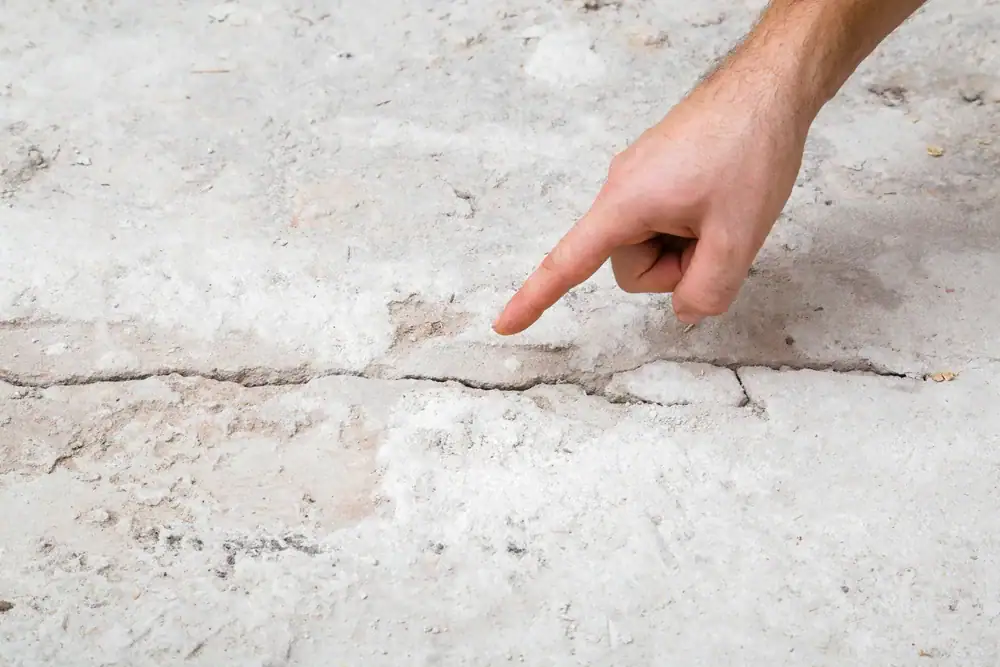
You’ve probably noticed it. A hairline crack in your driveway last month is now a quarter-inch wide. That’s Florida working against you—humidity seeps in, temperatures swing 30 degrees in a day, and suddenly you’re looking at a repair bill that’s tripled.
Concrete crack repair done right means addressing what’s underneath, not just what you see on top. We’re talking proper surface prep, moisture testing, and materials that actually bond in high humidity. The kind of work that holds up when the next storm rolls through.
When you catch foundation cracks early, you’re protecting your property value and avoiding the nightmare of structural issues down the road. A small concrete foundation repair now beats a full slab replacement later. That’s not a sales pitch—that’s just math.
Concrete Company Kendale Lakes FL
SPF Industrial started because too many concrete jobs in South Florida were failing within months. We’re veteran-owned, which means we show up when we say we will and we don’t cut corners to save time.
Our crew has handled everything from Coast Guard facilities to City of Doral projects to residential driveways in Kendale Lakes. We work with Sherwin Williams and Fosroc products because they’re engineered for climates like ours. No subcontractors, no runaround—just our full-time team doing the work right.
You’re dealing with people who understand that concrete in Kendale Lakes faces different challenges than concrete in Colorado. We prep for moisture, we time our pours around weather, and we use epoxy systems that won’t peel off in six months.
Concrete Foundation Repair Process
First, we assess the damage and test for moisture. That calcium chloride test and humidity probe reading tells us if your slab is ready for repair or if we need to address water issues first. Most contractors skip this step. That’s why their repairs fail.
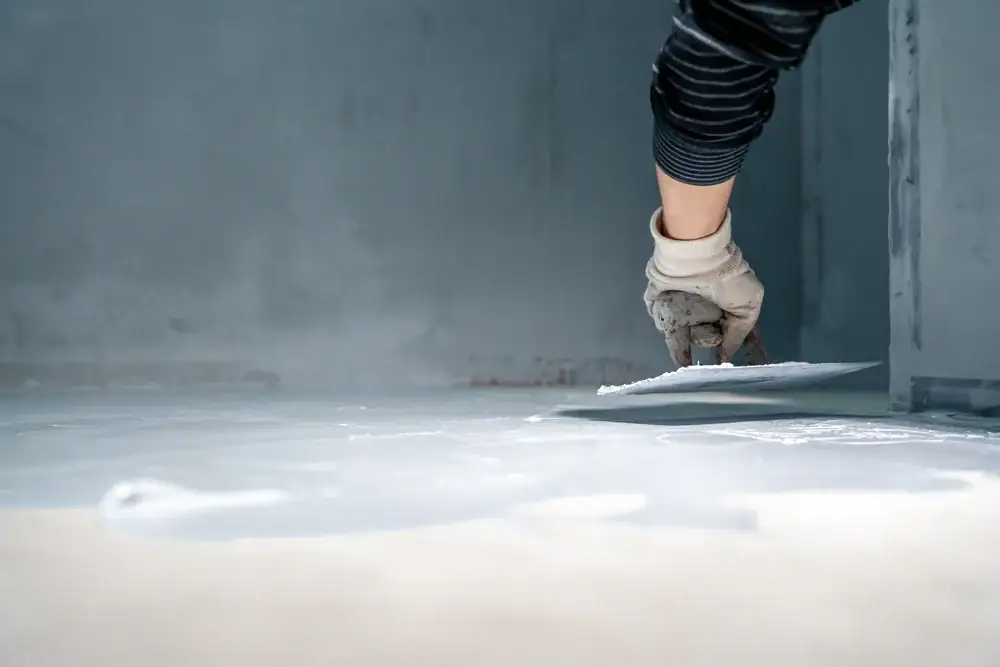
Next comes surface preparation. We shot-blast, diamond-grind, or scarify depending on what your concrete needs. This isn’t optional—it’s the difference between a repair that bonds and one that bubbles up in three months. We’re removing any contamination, opening the pores, and creating a surface that epoxy or resurfacing material can actually grip.
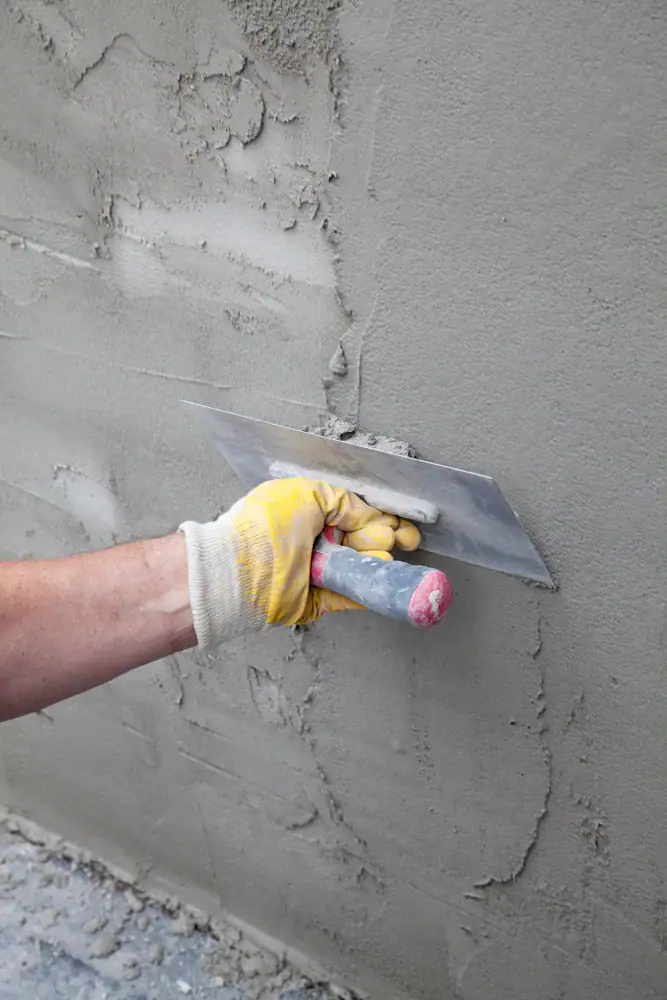
Then we repair. For concrete floor repair or concrete slab crack repair, we use climate-controlled methods to maintain that 45-55% humidity sweet spot during application. For concrete step repair or concrete sidewalk repair, we match the existing profile so you’re not left with an obvious patch job.
We time everything around Florida weather. Early morning applications when humidity drops, temperature monitoring throughout the cure, and protection from afternoon storms. The goal is a repair that looks clean and lasts years, not months.
Ready to get started?
Epoxy Concrete Repair Services
Every concrete repair job includes full surface preparation, moisture testing, and materials rated for South Florida conditions. We handle concrete driveway crack repair, pool concrete repair, cement crack repair, and concrete stair repair with the same attention to prep work and climate control.
In Kendale Lakes, you’re dealing with soil that shifts, humidity that averages 75%, and temperature swings that stress concrete daily. Our epoxy concrete repair systems are formulated to flex slightly with thermal expansion instead of cracking under pressure. That’s why we use advanced polymer technology and industrial-grade products instead of whatever’s cheapest at the supply house.
You also get transparent pricing upfront. No surprises, no change orders for “unexpected” issues we should have caught during the estimate. We walk the site with you, explain what needs fixing and why, and give you options based on your timeline and budget.
For emergency situations—like a concrete floor repair in a commercial kitchen that can’t stay closed—we offer 24-48 hour turnaround. We’ve done it for restaurants, schools, and facilities that can’t afford downtime. Fast doesn’t mean sloppy when you have the right crew and the right process.
How long does concrete crack repair actually last in Florida’s climate?
It depends entirely on the prep work and materials. A proper concrete crack repair using epoxy or polyurethane injection systems should last 10-15 years in South Florida if the underlying cause is addressed. That means checking for drainage issues, testing moisture levels, and making sure the crack isn’t actively moving due to foundation settlement.
The repairs that fail in 6-12 months? Those are usually surface patches applied over damp concrete or products that weren’t designed for high humidity. Florida’s moisture doesn’t just sit on top—it’s in the air, in the ground, and it’s constantly working against adhesion. We use moisture meters and relative humidity probes before any repair because guessing doesn’t work here.
If you’re seeing the same crack reopen, that’s a sign the root cause wasn’t fixed. Could be poor drainage, soil movement, or thermal stress that needs a different approach. A good concrete foundation contractor will tell you when a crack needs more than just filling—sometimes you need reinforcement, sometimes you need to address grading around the slab.
What’s the difference between epoxy repair and traditional cement repair for concrete?
Epoxy concrete repair creates a chemical bond that’s typically 3-4 times stronger than the concrete itself. Traditional cement-based repairs rely on a mechanical bond, which means they’re only as good as the surface texture and moisture conditions when applied. In Florida’s humidity, cement repairs often fail at the bond line because moisture prevents proper adhesion.
Epoxy also flexes slightly, which matters when your concrete is expanding and contracting with temperature changes. Cement is rigid—it cracks under the same stress that epoxy absorbs. For concrete floor repair in commercial spaces or pool concrete repair where water exposure is constant, epoxy systems hold up significantly better.
The tradeoff is cost and application requirements. Epoxy is more expensive and requires precise mixing, temperature control, and surface prep. But for concrete slab repair or concrete foundation repair where longevity matters, it’s worth the investment. We use cement-based products when they make sense—like certain concrete step repair applications—but for structural or high-stress repairs, epoxy is the better choice.
Can you repair concrete in summer, or is the heat a problem?
Summer concrete repair in Kendale Lakes is absolutely doable, but timing is everything. We schedule most summer repairs for early morning—between 7 and 10 AM—when air temperatures are cooler, humidity drops slightly, and the concrete surface hasn’t been baking in direct sun for hours. By noon, surface temps can hit 140°F, which causes epoxy to cure too fast and cement to dry before it properly bonds.
Afternoon thunderstorms are the other issue. We monitor weather closely and won’t start a repair if rain is likely within the cure window. A sudden downpour on fresh concrete repair work can ruin the finish, dilute materials, and compromise the bond. It’s not worth rushing a job just to meet a deadline if the weather isn’t cooperating.
For concrete driveway crack repair or concrete sidewalk repair during summer, we also use shade structures and cooling techniques to manage surface temperatures. Industrial fans, misters, and reflective coverings help maintain the conditions epoxy and resurfacing materials need to cure properly. It’s more work, but it’s the difference between a repair that lasts and one that fails the first time humidity spikes.
How much does concrete slab repair cost compared to full replacement?
Concrete slab crack repair typically runs $6-14 per square foot depending on the damage severity and repair method. Full slab replacement in Kendale Lakes averages $8-15 per square foot for removal, disposal, and new pour—but that doesn’t include the downtime, landscaping disruption, or the 28-day cure time before you can use the surface normally.
For most residential concrete repairs, you’re looking at a few hundred to a couple thousand dollars versus $5,000-15,000 for replacement. The math makes repair the obvious choice unless you’re dealing with widespread structural failure, severe settling, or damage across more than 40% of the slab. At that point, replacement often makes more sense long-term.
Commercial concrete floor repair costs vary widely based on square footage and facility requirements. A warehouse floor might need specialized coatings and faster turnaround, which affects pricing. We give transparent estimates after assessing the site—no ballpark guesses that turn into surprise bills later. The goal is helping you make an informed decision, not pushing you toward the most expensive option.
Why do some concrete repairs bubble or peel after a few months?
Moisture vapor is almost always the culprit. When humidity is trapped under a coating or repair material, it tries to escape as temperatures rise. That creates pressure under the surface, causing bubbling, peeling, or delamination. Studies show 60% of premature coating failures in Florida trace back to improper moisture testing or applying products when conditions weren’t right.
Concrete is porous—it breathes. If you seal it or apply epoxy over a slab that’s releasing moisture vapor, you’re creating a barrier that will eventually fail. That’s why we test vapor emission rates before any concrete repair work. Calcium chloride tests and relative humidity probes tell us if the slab is dry enough for the repair method we’re planning.
The other common cause is poor surface prep. If there’s dust, oil, old sealers, or weak surface concrete, nothing will bond properly no matter how good the product is. Shot-blasting and diamond grinding remove those contaminants and open the concrete’s pores so repair materials can actually penetrate and lock in. Skipping prep to save time or money guarantees you’ll be redoing the job within a year.
Do you offer warranties on concrete crack repair and foundation work?
Yes. Our warranties cover both materials and workmanship, and they’re longer than most concrete contractors offer because we control the entire process in-house. No subcontractors means no finger-pointing if something goes wrong. The specific warranty length depends on the repair type and conditions, but we stand behind our work.
For concrete foundation repair and structural concrete slab repair, warranties typically run 5-10 years assuming normal use and no major environmental changes like new drainage issues or soil erosion. For cement crack repair and surface-level concrete stair repair or concrete sidewalk repair, you’re looking at 3-5 years depending on traffic and exposure.
What voids a warranty? Ignoring drainage problems we identified, adding heavy loads we didn’t engineer for, or failing to maintain the surface as recommended. We’re clear about what’s covered and what’s not during the estimate. The warranty isn’t a marketing gimmick—it’s our commitment that the repair will perform as promised if you maintain reasonable conditions.
Other Services we provide in Kendale Lakes
Leave a Reply