


Concrete Repair in Lauderdale-By-The-Sea, FL
Concrete That Holds Up to Coastal Florida
Hear from Our Customers
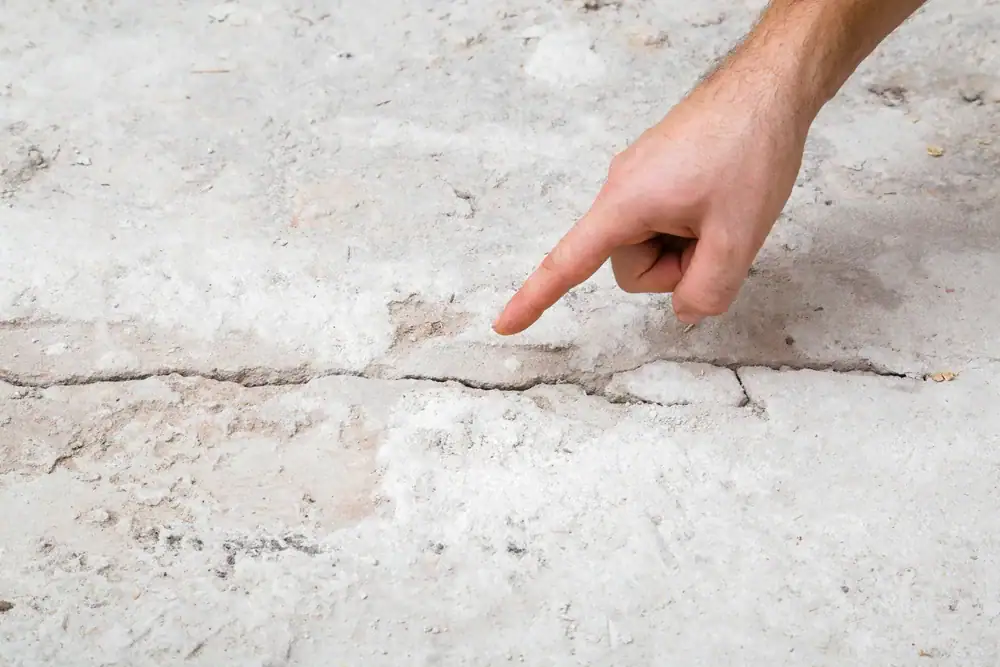
Concrete Crack Repair Lauderdale-By-The-Sea
That hairline crack in your driveway isn’t staying small. Florida’s humidity gets in, salt accelerates corrosion, and what started as a cosmetic issue becomes a structural problem. You’re looking at spalling, exposed rebar, and repair costs that multiply fast.
Concrete crack repair done right means addressing what’s underneath, not just filling the surface. We evaluate the cause—whether it’s moisture intrusion, foundation movement, or steel corrosion—and fix it so the crack doesn’t come back in six months.
The difference is in how the repair holds up. Our epoxy and polyurethane injection systems bond at the molecular level and flex with temperature changes instead of cracking again. Your concrete stays intact, your property value stays protected, and you’re not calling someone else in a year to redo the job.
Concrete Foundation Contractors Lauderdale-By-The-Sea
SPF Industrial has been repairing concrete across South Florida since 2020, working with everyone from Coast Guard facilities to homeowners in Lauderdale-By-The-Sea who refuse to settle for shoddy work. We’ve seen what happens when repairs are done cheap or fast, and we’ve fixed plenty of those failures.
Lauderdale-By-The-Sea sits right on the coast, which means your concrete faces constant saltwater exposure, tidal moisture, and humidity levels that most contractors outside Florida don’t understand. We do. Every project we take on accounts for those conditions, because a repair that works in Arizona won’t last here.
We don’t subcontract. Every person on your job works directly for us, uses commercial-grade materials, and knows how to prep concrete so coatings actually bond. You get the same quality we’ve delivered to military installations and municipal projects—just applied to your driveway, pool deck, or foundation.
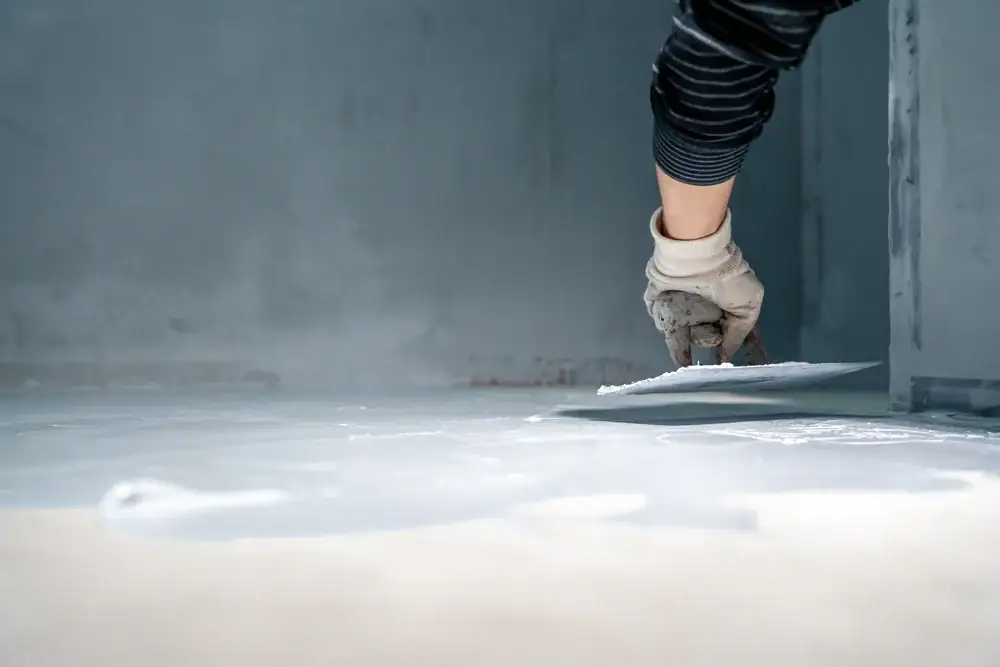
Epoxy Concrete Repair Process Florida
First, we assess what’s actually wrong. Not every crack needs the same fix, and throwing epoxy at a moisture problem just delays the inevitable failure. We identify whether you’re dealing with surface damage, structural movement, or corrosion, then recommend the right repair method.
Next comes prep work, which is where most companies cut corners. We shot-blast or diamond-grind the surface to remove contaminants, open up cracks for proper penetration, and create a profile that lets repair materials bond. If there’s moisture, we address it before any coating goes down.
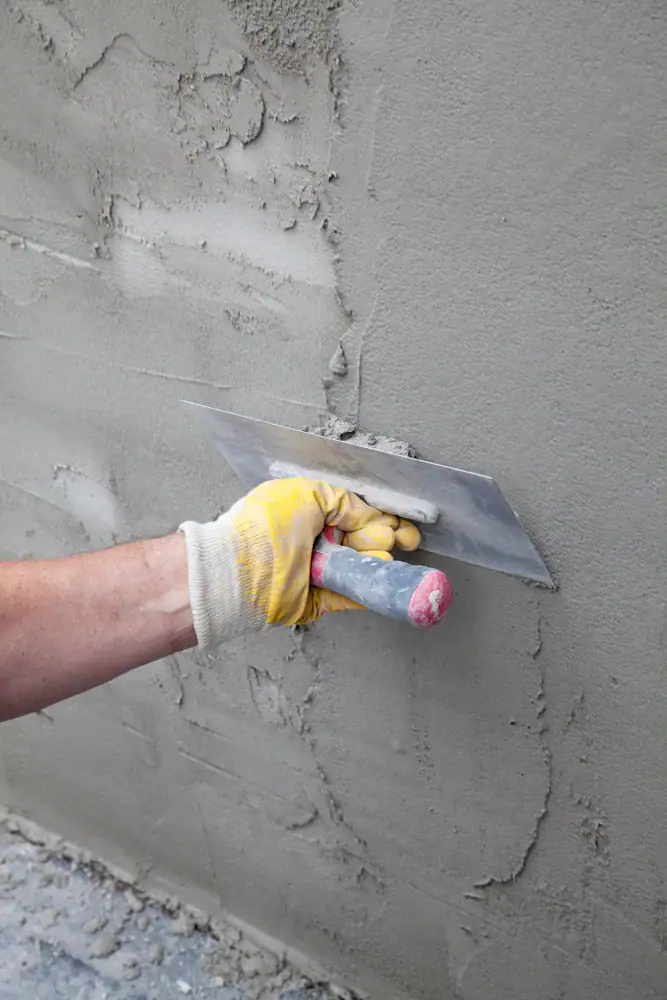
Then we apply the repair—epoxy injections for structural cracks, polyurethane for active leaks, overlayments for surface restoration. We’re using the same commercial-grade products specified for food processing plants and industrial facilities, not the stuff you’d find at a home improvement store. Cure times depend on the system, but most floors are ready for foot traffic in 12 hours and full use within 72.
Finally, we walk the job with you. You see what we did, understand how to maintain it, and get straight answers about how long it’ll last under your specific conditions.
Ready to get started?
Concrete Slab Repair Services Broward County
You’re getting a full evaluation of the damage, not a quote based on square footage alone. We measure moisture levels, check for underlying issues, and tell you if a repair will actually hold or if you’re better off with a different approach. Transparency up front saves you money later.
The repair itself includes complete surface preparation—shot-blasting, scarifying, or grinding depending on what the concrete needs. We remove any failing coatings, open cracks properly, and create the surface profile required for adhesion. Then we apply commercial-grade repair materials: epoxy or polyurethane injections for cracks, self-leveling overlays for surface damage, moisture-resistant systems for slabs with hydrostatic pressure.
In Lauderdale-By-The-Sea, most concrete issues trace back to saltwater and humidity. Your foundation, driveway, or pool deck is constantly exposed to conditions that accelerate deterioration. We account for that in every repair—using materials rated for chemical resistance, moisture exposure, and the thermal cycling that happens when concrete heats up during the day and cools at night. The repair is designed to outlast the conditions that caused the original damage.
How much does concrete crack repair cost in Lauderdale-By-The-Sea?
It depends entirely on what’s causing the crack and how far it’s progressed. A simple surface crack in a driveway might run a few hundred dollars if it’s caught early. A foundation crack that’s letting in water or showing signs of structural movement can cost several thousand, especially if it requires epoxy injection, underpinning, or drainage corrections.
Most contractors will quote by linear foot for crack repair, but that doesn’t tell the whole story. The real cost comes from prep work, the type of material used, and whether the underlying issue gets addressed. Cheap repairs that only fill the crack without bonding properly or stopping moisture intrusion fail within a year or two, and then you’re paying again.
We give you a free consultation and a transparent estimate that breaks down what you’re paying for. You’ll know if the repair is cosmetic or structural, what materials we’re using, and how long it should last under coastal Florida conditions. No surprises, no upselling—just the actual cost of doing it right.
What causes concrete to crack and spall in coastal Florida?
Saltwater and humidity are the main culprits. When salt gets into concrete—either from ocean spray, tidal flooding, or even salt-laden air—it accelerates the corrosion of the steel rebar inside. As that steel rusts, it expands, creating internal pressure that cracks the concrete from the inside out. That’s why you see spalling, where chunks of concrete flake off and expose the rusted rebar underneath.
Temperature swings make it worse. Concrete expands and contracts with heat, and Florida’s daily temperature cycling puts constant stress on any existing weaknesses. Add in heavy rain, ground movement from saturated soil, and poor drainage, and you’ve got the perfect conditions for cracks to form and spread.
The key is catching it early. Small cracks let in moisture, which leads to bigger cracks, which leads to spalling and structural damage. A repair that seals out moisture and bonds structurally—not just cosmetically—stops that cycle before you’re looking at major foundation work or full slab replacement.
Can you repair concrete without replacing the entire slab?
In most cases, yes. Full replacement is expensive, disruptive, and often unnecessary if the damage is localized. Concrete crack repair, epoxy injection, and overlay systems can restore both the structure and appearance of a slab without tearing it out. We’ve repaired driveways, pool decks, and foundation slabs that looked beyond saving and brought them back to full function.
The deciding factor is how much of the slab is compromised. If you’ve got isolated cracks, surface spalling, or even some minor settling, a targeted repair works. If the entire slab is heaving, has widespread corrosion, or was poured incorrectly to begin with, replacement might make more sense. We’ll tell you which situation you’re in.
Repairs also give you options replacement doesn’t. You can upgrade the surface with a decorative overlay, add a moisture barrier system, or apply a chemical-resistant coating—all while keeping the existing slab. It’s faster, less invasive, and costs a fraction of what you’d pay to demo and repour. And if it’s done right, it lasts just as long.
How long does concrete repair last in high-humidity areas like Lauderdale-By-The-Sea?
If it’s done with the right materials and proper prep, a concrete repair should last 10 to 20 years or more, even in coastal Florida. The key is using moisture-resistant, flexible systems that can handle humidity, salt exposure, and temperature changes without breaking down. Cheap epoxy kits from big-box stores fail in two to three years here because they’re not designed for this climate.
We use commercial-grade epoxy and polyurethane systems that are specified for industrial and marine environments. These materials bond at a molecular level, resist moisture intrusion, and flex slightly with thermal expansion instead of cracking. They’re the same products used in food processing plants, military facilities, and other high-demand applications where failure isn’t an option.
Maintenance matters too. Applying a penetrating sealer every few years, keeping drainage clear, and addressing new cracks early all extend the life of the repair. But the foundation of longevity is the quality of the initial work—surface prep, material selection, and application technique. Cut corners there, and it doesn’t matter what you do afterward. Do it right once, and you won’t be calling someone else to fix it again.
What’s the difference between epoxy and polyurethane for concrete crack repair?
Epoxy is rigid and strong—ideal for structural cracks where you need to restore load-bearing capacity. It bonds incredibly well to concrete, fills cracks completely, and essentially re-welds the slab back together. If the crack isn’t actively moving and you need maximum strength, epoxy is the right choice. It’s what we use for foundation repairs, structural slab cracks, and any situation where the concrete needs to support weight.
Polyurethane is flexible and hydrophobic, which makes it better for cracks that are actively leaking or in areas with ongoing moisture exposure. It expands slightly as it cures, filling voids and stopping water infiltration even under pressure. If you’ve got a crack that leaks during heavy rain or a slab with hydrostatic pressure from groundwater, polyurethane is the better option.
Sometimes we use both. Epoxy for structural integrity, polyurethane for moisture control. The decision depends on what’s happening with your concrete, not what’s easier or cheaper for us to install. We evaluate the crack, the surrounding conditions, and what the repair needs to accomplish, then recommend the system that’ll actually hold up long-term.
Do you offer concrete foundation repair for residential properties in Lauderdale-By-The-Sea?
Yes. We handle foundation crack repair, slab leveling, and structural concrete restoration for homes throughout Lauderdale-By-The-Sea and Broward County. Foundation issues are common here because of the high water table, sandy soil, and constant moisture exposure. Small cracks turn into big problems fast if they’re not addressed correctly.
We start with an assessment to determine whether the cracks are cosmetic, structural, or related to settlement or movement. If it’s a structural issue, we use epoxy injection to restore the integrity of the foundation. If there’s active water intrusion, we use polyurethane to seal it and prevent further damage. For slabs that have settled or become uneven, we offer leveling solutions that stabilize the foundation without the cost and disruption of replacement.
Most residential foundation repairs are more straightforward than homeowners expect, especially if caught early. You’re not looking at jacking up the house or pouring a new foundation in most cases. A targeted repair with the right materials stops the damage, prevents future movement, and costs a fraction of what you’d fear. We give you a free consultation and a clear recommendation based on what your foundation actually needs.
Other Services we provide in Lauderdale-By-The-Sea
Leave a Reply