


Concrete Repair in Margate, FL
Concrete That Lasts in Florida’s Toughest Climate
Hear from Our Customers
Professional Concrete Repair Services Margate
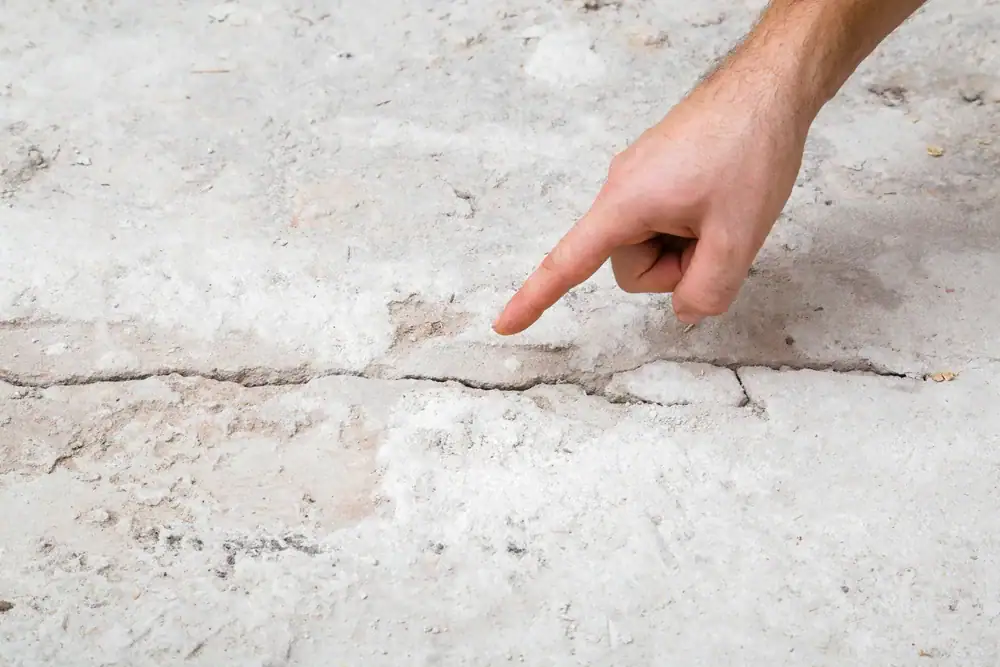
You’ve probably noticed the cracks getting worse. Maybe you’ve patched them before, or you’re dealing with uneven surfaces that create tripping hazards. Florida’s climate doesn’t give concrete a break—high humidity sneaks moisture through porous surfaces, ground movement from settling creates new stress points, and temperature swings make existing damage spread faster.
When concrete repair is done right, you’re looking at 15-20 years of performance, sometimes longer. That means no recurring costs, no safety concerns, and no constant monitoring to see if the problem’s coming back. The difference is in the prep work and materials—most failures happen because someone skipped steps or used products that weren’t designed for this environment.
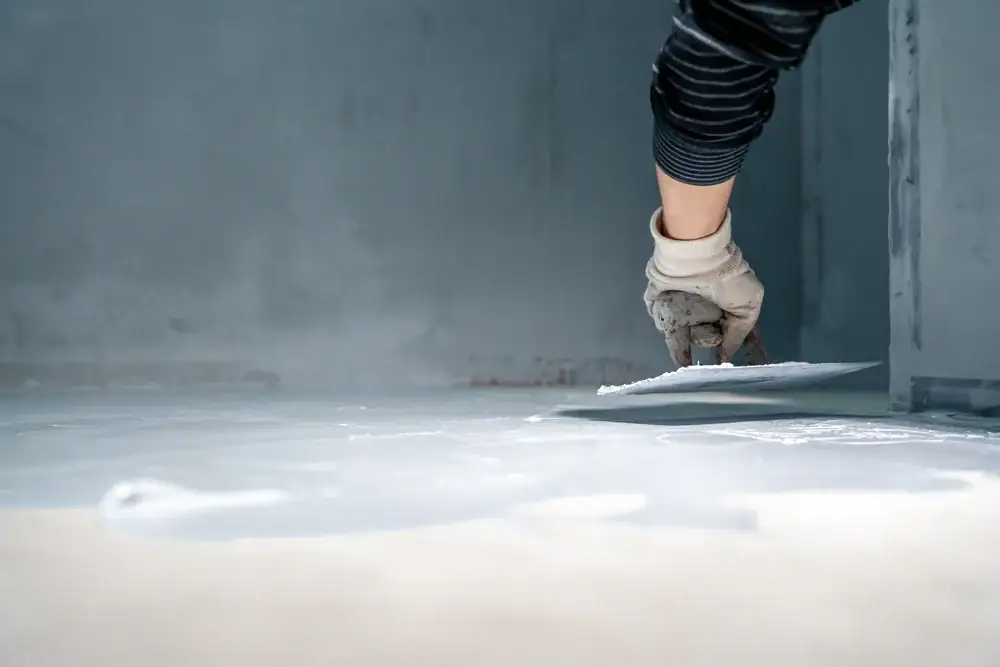
Your driveway, patio, sidewalk, or foundation gets restored to structural integrity. Surfaces become level and safe again. The repair blends in, and more importantly, it holds. You’re not wondering when the next crack will show up because the underlying issues got addressed, not just covered.
Margate Concrete Foundation Contractors
Concrete Crack Repair Process Margate
First, we assess the damage and what caused it. A crack in your driveway might be from ground settlement, tree roots, or water intrusion—each requires a different fix. We’re looking at the whole picture: drainage patterns, moisture levels in the slab, and whether there’s ongoing movement that needs to be stabilized first.
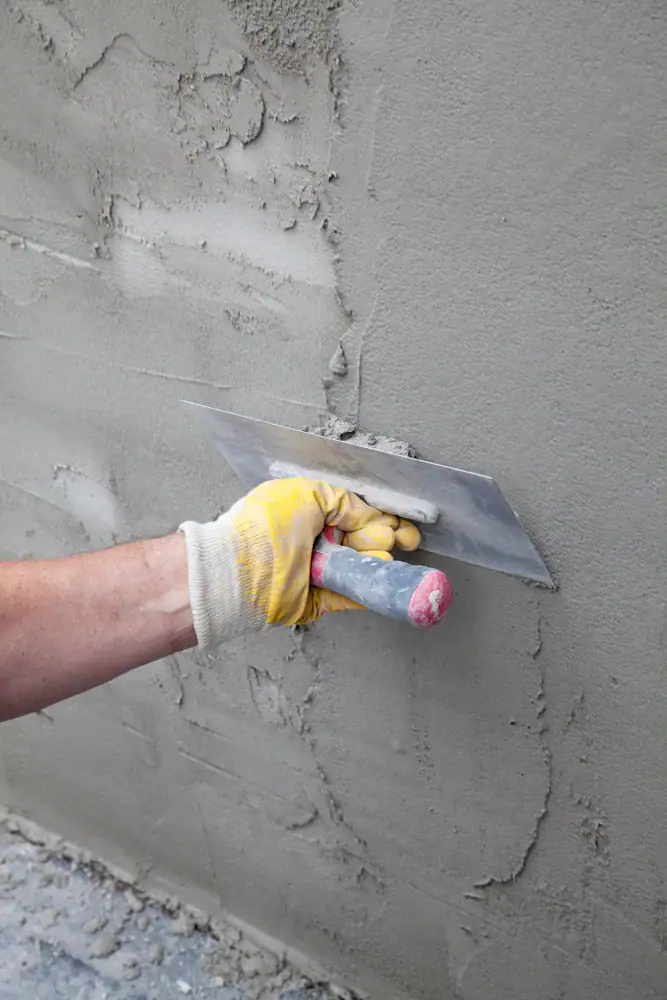
Next comes surface prep, which is where most DIY and budget repairs fail. We shot-blast or diamond-grind the concrete to remove any weak surface material, old coatings, or contaminants. This creates the profile needed for proper adhesion. If there are voids underneath or significant cracks, we address those structurally before moving to resurfacing.
The repair itself uses commercial-grade materials matched to your specific situation—epoxy injection for structural cracks, polymer-modified overlays for surface restoration, or specialized sealants for expansion joints. In Florida’s humidity, cure times matter. We don’t rush it. Concrete needs 30-60 days minimum before certain coatings can be applied, and we follow those timelines.
You get a final walkthrough where we explain what was done and what to expect. Most repairs are ready for light traffic within 24-48 hours, full traffic within a week, depending on the scope.
Ready to get started?
Concrete Slab Repair Services Margate
Your concrete repair starts with moisture testing and surface evaluation—not just a visual inspection. In Margate’s climate, moisture is the silent killer of concrete repairs. We measure it, document it, and plan around it. If your slab is retaining too much moisture, we’ll tell you before we start, not after the repair fails.
Surface preparation is done in-house with professional equipment: shot-blasting for heavy prep, diamond grinding for precision work, and scarifying when we need aggressive material removal. This isn’t a rental-grade grinder from a big box store. The equipment and the crew running it make the difference between a repair that lasts two years and one that lasts twenty.
Materials come from manufacturers who back their products with actual performance data in coastal environments—Laticrete for cementitious repairs, Advanced Polymer Technology for epoxy systems, Koster USA for moisture mitigation. These products cost more, but they’re engineered for Florida’s conditions: high humidity, salt exposure, thermal cycling, and UV degradation.
You also get direct communication throughout the process. No project manager middleman, no subcontractor confusion. The people doing the work are the people you talk to, and we coordinate around your schedule—not the other way around.
How long does concrete repair actually last in Florida’s climate?
Properly executed concrete repair in Margate should give you 15-20 years or more, depending on traffic levels and maintenance. The key word is “properly.” Most failures happen within the first two years because moisture wasn’t controlled, surface prep was inadequate, or the wrong materials were used.
Florida’s humidity is the biggest variable. Concrete is porous, and moisture migrates up through slabs—especially ground-level floors. If you apply a coating or overlay before the concrete has cured properly, or before moisture levels are acceptable, the repair will fail. We use moisture meters and follow manufacturer guidelines for acceptable levels before any topical application.
The other factor is material quality. Consumer-grade sealers and patching compounds aren’t designed for this environment. Commercial products from manufacturers like Laticrete or Fosroc include additives for moisture resistance, flexibility, and UV stability. They cost more upfront, but you’re not redoing the work in three years.
What causes concrete cracks to keep coming back after repair?
Recurring cracks usually mean the underlying cause wasn’t addressed—just the symptom. Concrete cracks because of movement: ground settlement, tree root growth, water erosion underneath the slab, or thermal expansion. If you fill the crack without stabilizing what’s causing the movement, it’ll reappear.
In Margate, soil conditions and the high water table create unique challenges. Ground shifts as moisture levels change seasonally. Tree roots are aggressive in this climate. Poor drainage can wash out material from under your concrete, creating voids that eventually lead to cracking and sinking.
A proper repair identifies why the crack formed. Sometimes that means mudjacking or slab stabilization before crack repair. Other times it’s addressing drainage issues or installing control joints to manage expansion. Epoxy injection works for structural cracks, but only if the slab is stable. Otherwise, you’re just filling a crack that will reopen as soon as the ground moves again.
Can you repair concrete pool decks and patios, or do they need replacement?
Most concrete pool decks and patios can be repaired and resurfaced rather than replaced—saving you significant money and time. Replacement makes sense when the structural integrity is completely compromised, but that’s less common than you’d think. Surface cracks, spalling, discoloration, and even moderate unevenness are all repairable.
Pool decks take extra abuse: constant moisture exposure, chlorine or salt water, UV bombardment, and barefoot traffic that makes any rough spot noticeable. We resurface these with polymer-modified overlays that create a new wearing surface—slip-resistant, UV-stable, and available in colors or textures that match your aesthetic.
The process involves removing any loose or delaminated concrete, repairing structural cracks, and applying an overlay system that’s typically 1/4″ to 3/8″ thick. This gives you essentially a new surface bonded to the existing concrete. Cure time is usually 3-5 days before you can use the pool area again. It’s a fraction of the cost of demo and replacement, and when done with commercial-grade materials, it performs just as well.
How much does concrete foundation repair cost in Margate?
Foundation crack repair in Margate typically ranges from $400-$1,500 for straightforward epoxy injection work, depending on crack length and accessibility. More extensive foundation issues—settlement, bowing walls, or structural movement—can run $3,000-$10,000+ depending on the stabilization method required.
The wide range comes down to what’s actually wrong. A hairline crack from concrete shrinkage is a simple epoxy injection. A crack that’s widening due to ongoing settlement requires stabilization first—possibly helical piers or mudjacking—before the crack itself can be permanently repaired. We don’t quote foundation work over the phone for this reason.
Most foundation repairs in this area relate to soil movement and moisture. The ground expands and contracts with seasonal water table changes, creating stress on your foundation. Tree roots can also cause localized movement. A proper evaluation identifies whether the movement is ongoing or if it’s stabilized. If it’s still moving, we address that first. If it’s stable, we repair and seal the cracks to prevent water intrusion and further damage.
Why do DIY concrete sealers fail so quickly in Florida?
Consumer-grade concrete sealers aren’t formulated for Florida’s humidity and moisture levels. Most fail within 6-18 months because they don’t have adequate moisture vapor transmission resistance. Concrete naturally releases moisture vapor—especially in our climate—and if your sealer can’t handle that vapor pressure, it bubbles, peels, or turns cloudy.
The products available at retail stores are designed for drier climates where concrete moisture isn’t as aggressive. They might work fine in Arizona or Colorado, but in Margate, where humidity regularly hits 80-90% and ground moisture is constant, they’re outmatched. You’ll see the coating start to fail at the edges first, then spread.
Commercial sealers and coatings from manufacturers like NeoGard or Carboline include moisture mitigation technology and higher solids content. They’re also applied at specific thicknesses and require proper surface prep—shot-blasting or grinding—to achieve the surface profile needed for adhesion. A roller and a clean surface isn’t enough. The difference in performance is dramatic: a DIY sealer might last a year, while a properly applied commercial system lasts 10-15 years.
How soon can I use my concrete after repair?
Light foot traffic is usually fine after 24-48 hours for most concrete repairs. Vehicle traffic depends on the repair type—typically 3-7 days. Full cure, where the concrete reaches maximum strength and is ready for coatings or sealers, takes 30-60 days in Florida’s climate.
The timeline varies based on what we’re doing. Epoxy crack injection can handle traffic sooner because the epoxy cures chemically and isn’t moisture-dependent. Cementitious overlays or resurfacing need more time because they cure through hydration—a process that’s slower in high humidity but also critical for long-term strength.
We’ll give you specific timelines based on your project. If you need faster turnaround—like a commercial space that can’t afford downtime—we have rapid-setting materials that can be back in service within hours. These cost more and aren’t always the best long-term solution, but they’re available when timing is critical. For residential work, we typically recommend patience. Rushing cure times is one of the top reasons repairs fail prematurely.
Other Services we provide in Margate
Leave a Reply