


Concrete Repair in North Bay Village, FL
Your Concrete Gets Fixed Right the First Time
Hear from Our Customers
Concrete Crack Repair North Bay Village
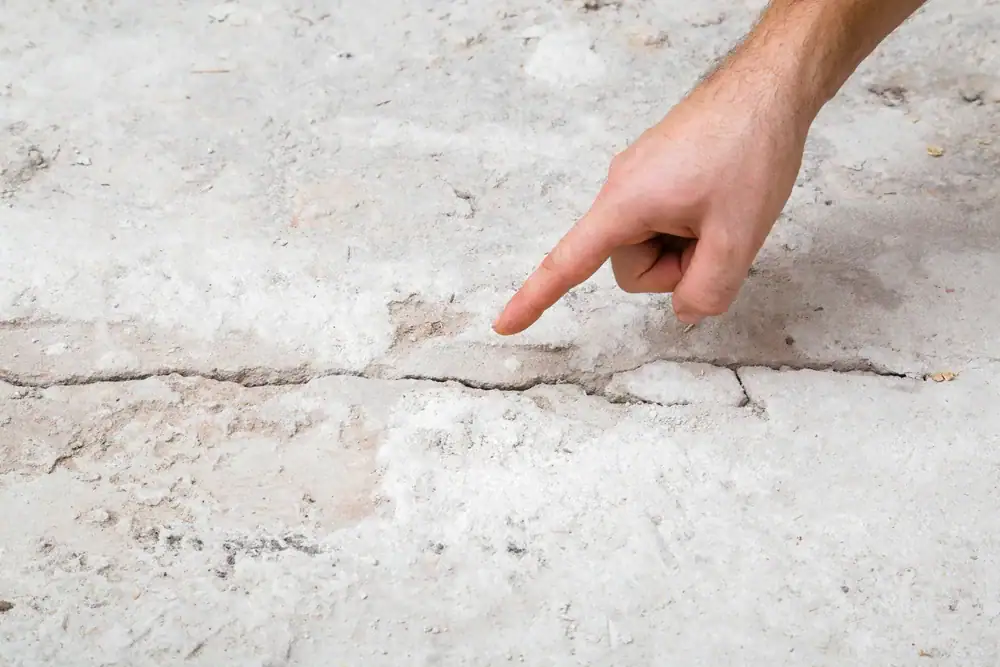
You’ve noticed the cracks widening in your driveway. Maybe your pool deck has settled unevenly, or water’s pooling where it shouldn’t. Those aren’t just cosmetic issues—they’re warnings that Florida’s sandy soil and moisture are doing exactly what they do best: destabilizing your concrete.
North Bay Village sits surrounded by water, which means salt air accelerates deterioration faster than most inland areas. What starts as a hairline crack becomes a trip hazard within months. What looks like minor settling can signal voids forming underneath, waiting to collapse under weight.
Concrete repair means you’re not replacing entire slabs when targeted fixes will do the job. It means your foundation stays level, your walkways stay safe, and you’re not bleeding money into emergency replacements down the road. You get your property back to stable, safe, and functional—without the downtime or cost of starting from scratch.
The difference between repairing now and replacing later is usually about five figures and several weeks of your life.
Concrete Foundation Contractors North Bay Village
We’ve been repairing concrete across South Florida since 2020, working with everyone from homeowners in North Bay Village to the U.S. Coast Guard and Army installations. We’ve handled municipal projects for the City of Doral and City of Sunny Isles, plus county facilities and high schools where failure isn’t an option.
That government and military work matters because it means we’ve been vetted, background-checked, and held to standards most residential contractors never see. When you’re working on Coast Guard facilities, you don’t get second chances to do it right.
We’re veteran-owned, which means we show up when we say we will and we don’t disappear mid-project. Everything’s done in-house with our own crew—no subcontractors, no finger-pointing when something needs attention. You call us, you get us, and we’re accountable from start to finish.
North Bay Village’s waterfront location creates specific challenges with salt exposure and water table issues. We’ve seen what works here and what fails in six months, and we only use commercial-grade materials from manufacturers like Laticrete, Sherwin Williams, and Carboline that can handle coastal conditions.
Concrete Foundation Repair Process Florida
First, we come look at what you’re dealing with. Not a sales pitch—an actual assessment of whether you need repair, resurfacing, or something else entirely. We’ll tell you if the problem is surface-level or if there’s structural movement happening underneath that needs addressing first.
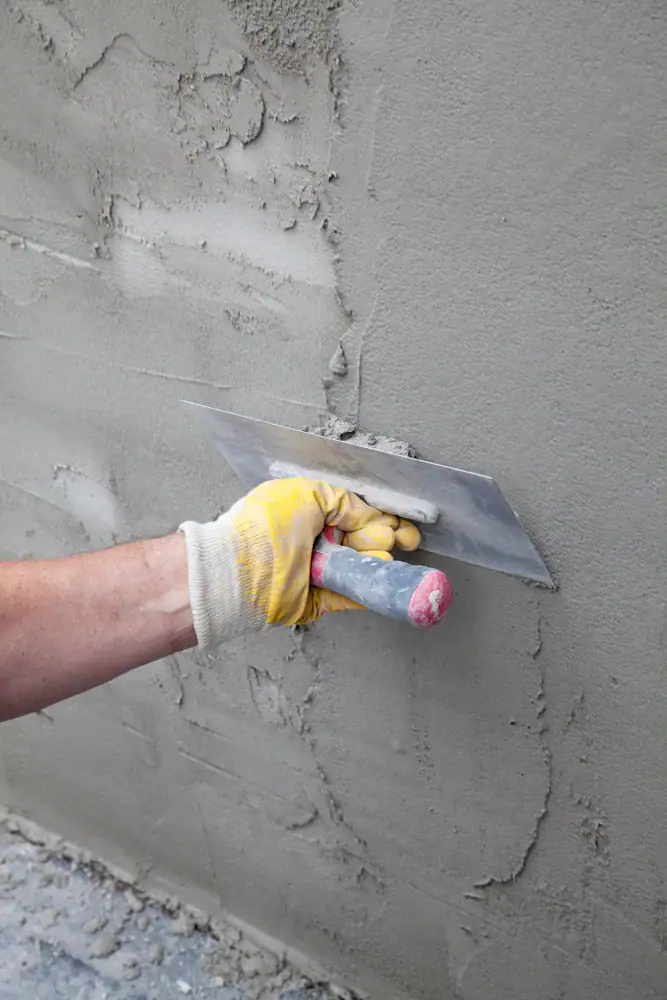
If there are voids under your slab, we fill them with polyurethane or epoxy injection to stabilize the base before touching the surface. Skipping that step is how repairs fail in a year. Once the foundation is solid, we prep the concrete surface—shot-blasting or diamond grinding to remove any deteriorated material and create proper adhesion for whatever comes next.
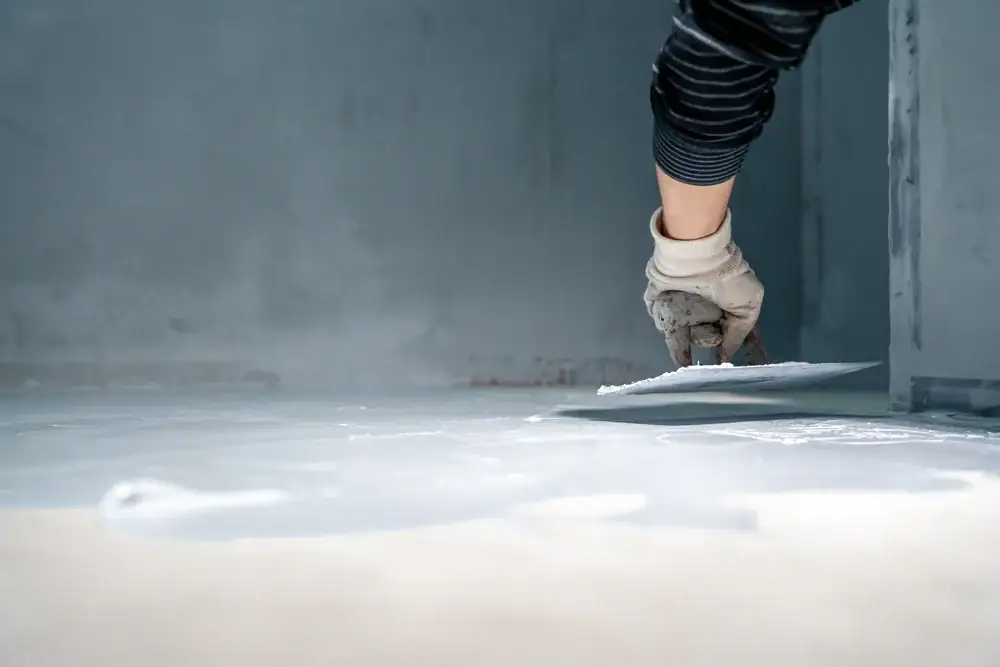
For cracks, we route them out and fill them with epoxy or polyurethane compounds that flex with Florida’s temperature swings instead of cracking again in three months. For larger damaged areas, we apply concrete overlayments or resurfacing systems that bond to the existing slab and restore structural integrity. If you’ve got settlement issues causing uneven surfaces, we level everything before sealing.
The final step depends on what you need: epoxy coating for garage floors, decorative staining for patios, or industrial-grade sealers for high-traffic areas. We don’t leave until the surface is cured, sealed, and ready for whatever you’re throwing at it.
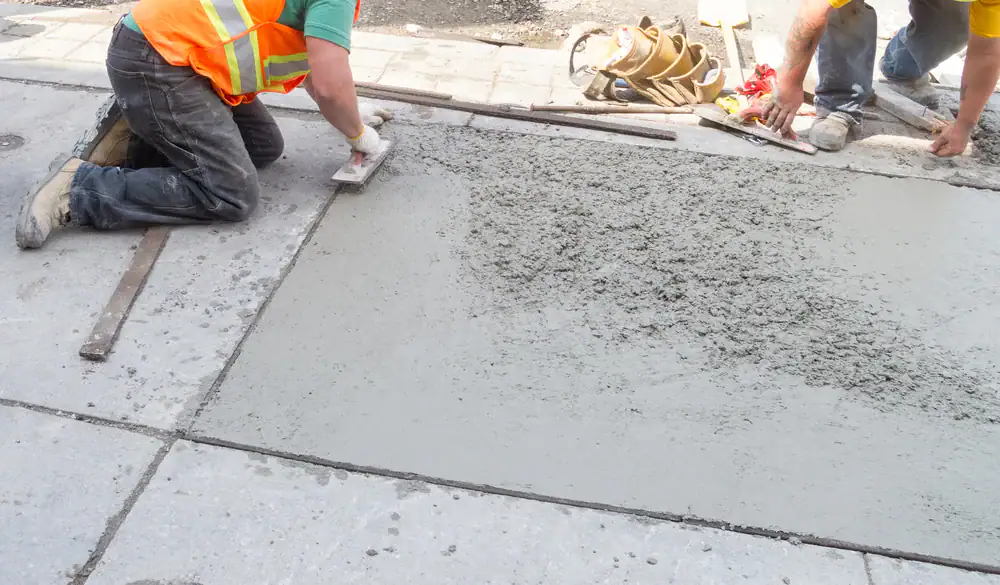
Most residential concrete repairs in North Bay Village take 24-48 hours from start to finish, depending on size and complexity. Commercial or foundation work can run longer, but you’ll know the timeline before we start.
Ready to get started?
Epoxy Concrete Repair Services Florida
Concrete repair in North Bay Village isn’t one-size-fits-all because the problems aren’t either. You might need crack repair for your driveway, foundation leveling for your home, or full resurfacing for a commercial parking area. We handle all of it, but here’s what’s included regardless of scope.
Full surface preparation comes standard—shot-blasting, scarifying, or diamond grinding to remove weak material and create the profile needed for proper bonding. We repair all imperfections before applying anything on top, because covering up problems doesn’t fix them. If there’s settlement or voids underneath, we inject polyurethane or epoxy to fill gaps and stabilize the base before moving forward.
For concrete crack repair, we use commercial-grade epoxy and polyurethane systems that are rated for Florida’s heat, humidity, and salt exposure. These aren’t hardware store products—they’re the same materials we use on military and municipal projects where longevity matters. For concrete floor repair in garages or warehouses, we apply epoxy coatings or polished concrete finishes that stand up to traffic, chemicals, and impact.
North Bay Village’s coastal location means moisture management is critical. We account for drainage issues and apply sealers that prevent water intrusion, which is what causes most concrete failures here in the first place. You’re not just getting a patch job—you’re getting a repair designed to last in this specific environment.
Pricing depends on square footage, damage severity, and materials, but expect concrete repair to cost a fraction of replacement while delivering comparable longevity when done correctly.

How much does concrete crack repair cost in North Bay Village?
Concrete crack repair typically runs $3-6 per square foot depending on crack severity, location, and the repair method required. Small cosmetic cracks in a driveway might cost a few hundred dollars, while structural foundation cracks requiring epoxy injection and stabilization can run $1,200-1,800 or more.
The cost difference comes down to what’s causing the crack. Surface cracks from shrinkage or minor settling are straightforward—clean them out, fill with epoxy or polyurethane, seal and move on. Cracks that indicate foundation movement or voids underneath require more involved work: injection to fill gaps, leveling compounds, and sometimes drainage corrections to prevent recurrence.
In North Bay Village, you’re also paying for materials that can handle salt air and moisture. Cheap crack fillers break down in months here, which means you’re paying twice. Commercial-grade epoxy systems cost more upfront but they’re designed for coastal conditions and won’t need redoing in a year.
Most concrete repair contractors will give you a free estimate after seeing the damage in person. Anyone quoting over the phone without looking at your property is guessing, and that guess usually ends up wrong.
Can you repair concrete without replacing the entire slab?
Yes, and in most cases that’s exactly what you should do. Full slab replacement costs $4-8 per square foot and requires demolition, disposal, new pour, and curing time that leaves areas unusable for days. Concrete repair addresses the actual problem—cracks, settlement, surface damage—without tearing out material that’s still structurally sound.
Concrete overlayments, resurfacing, and epoxy injection can restore a damaged slab to like-new condition for a fraction of replacement cost. If the underlying base is stable and the damage is localized, there’s no reason to replace the whole thing. Even slabs with multiple cracks or surface spalling can be repaired if the foundation underneath is solid.
The exception is when the entire slab has failed—massive heaving, complete deterioration, or structural damage throughout. That’s rare, and usually the result of years of ignored maintenance or serious foundation issues. In North Bay Village, most concrete problems we see are fixable with targeted repair, especially if you catch them before minor cracks turn into major settlement.
We’ll tell you honestly whether repair makes sense or if replacement is the smarter move. If someone’s pushing full replacement without explaining why repair won’t work, get a second opinion.
How long does concrete repair last in Florida’s climate?
Properly done concrete repair should last 10-20 years in Florida, assuming you’re using commercial-grade materials designed for heat, humidity, and salt exposure. The longevity depends more on the quality of prep work and materials than the repair method itself.
Florida’s climate is brutal on concrete. You’ve got temperature swings, heavy rain followed by drought, high humidity, and in coastal areas like North Bay Village, constant salt air that accelerates deterioration. Repairs done with residential-grade products or inadequate surface prep fail quickly because they’re not bonded properly or the materials break down under UV and moisture exposure.
Commercial epoxy systems, polyurethane crack fillers, and concrete overlayments rated for exterior use hold up significantly longer. We use products from manufacturers like Laticrete, Carboline, and Sherwin Williams that are tested in coastal environments and used on government projects where failure means liability.
The other factor is addressing the root cause. If you repair cracks but don’t fix the drainage issue causing water to pool and erode the base, those cracks will return. If you resurface a slab but ignore the void underneath causing settlement, the new surface will crack too. Proper concrete repair in Florida means fixing what’s causing the damage, not just covering it up.
What’s the difference between epoxy and polyurethane for concrete repair?
Epoxy is rigid and incredibly strong—it’s ideal for structural crack repair, bonding concrete sections, and filling gaps where you need maximum strength and durability. It cures hard, doesn’t flex, and creates a bond stronger than the concrete itself. For foundation cracks, structural repairs, or high-load areas, epoxy is usually the right call.
Polyurethane is flexible, which makes it better for cracks that experience movement or expansion. It’s also hydrophobic, meaning it repels water, which is critical in Florida where moisture intrusion is constant. For active cracks that open and close with temperature changes, or for areas with ongoing water exposure, polyurethane prevents re-cracking because it moves with the concrete instead of fighting it.
In North Bay Village, we often use both depending on the situation. Foundation cracks that aren’t moving get epoxy injection for maximum strength. Driveway cracks that expand in heat get polyurethane so they don’t split again in six months. Concrete floor repair in garages or warehouses usually involves epoxy coatings because you need impact resistance and chemical tolerance.
The wrong choice means the repair fails prematurely. Epoxy in a moving crack will eventually fracture. Polyurethane in a structural application won’t provide adequate support. We know which product works for which scenario, and we don’t just use whatever’s cheapest or easiest.
How do I know if my concrete needs repair or replacement?
If the damage is localized—cracks, surface spalling, minor settlement—repair is almost always the right move. If the entire slab is heaving, sinking unevenly across large areas, or structurally compromised throughout, replacement might be necessary. The key is whether the underlying base is still stable.
Concrete cracks are normal and don’t automatically mean replacement. Hairline cracks from shrinkage, isolated cracks from minor settling, or surface damage from impact can all be repaired effectively. Even multiple cracks across a slab can be addressed with crack routing, epoxy injection, and resurfacing if the base underneath is solid.
Warning signs that point toward replacement: the entire slab has dropped several inches, there are widespread voids underneath causing instability across the whole area, or the concrete has deteriorated so badly that there’s not enough sound material left to bond a repair. In North Bay Village, severe foundation issues caused by soil erosion or water table problems sometimes require full replacement because the base itself has failed.
The honest answer is you need someone to look at it in person. We’ll tell you if repair makes sense or if you’re throwing money at something that needs replacing. Most contractors would rather sell you a full replacement because it’s more profitable, so if we’re recommending repair instead, that’s a good sign we’re being straight with you.
Do you offer emergency concrete repair in North Bay Village?
Yes. If you’ve got a safety hazard—trip hazards from lifted slabs, sudden settlement creating dangerous gaps, or structural damage that’s getting worse—we can typically respond within 24-48 hours depending on crew availability and project scope.
Emergency concrete repair usually involves temporary stabilization first, then permanent fixes once the immediate danger is handled. For example, if a section of your driveway has sunk and created a 3-inch drop that’s a liability, we’ll level it quickly to eliminate the hazard, then come back to address the underlying void and apply a permanent surface solution.
North Bay Village’s waterfront location means storm damage and flooding can cause sudden concrete issues—erosion under slabs, washout of base material, or rapid deterioration from saltwater exposure. We’ve handled emergency calls after hurricanes and heavy rain events where concrete infrastructure failed quickly and needed immediate attention.
Not every concrete problem is an emergency, and we won’t pretend it is just to upsell you. But if there’s genuine risk of injury or property damage, we prioritize those calls. We’re a veteran-owned company with crew members on standby, and we’ve done enough government and municipal work to understand what “urgent” actually means versus what can wait a week for scheduling.
Other Services we provide in North Bay Village
Leave a Reply