


Concrete Repair in North Miami Beach, FL
Concrete That Lasts in Coastal Conditions
Hear from Our Customers
Concrete Crack Repair North Miami Beach
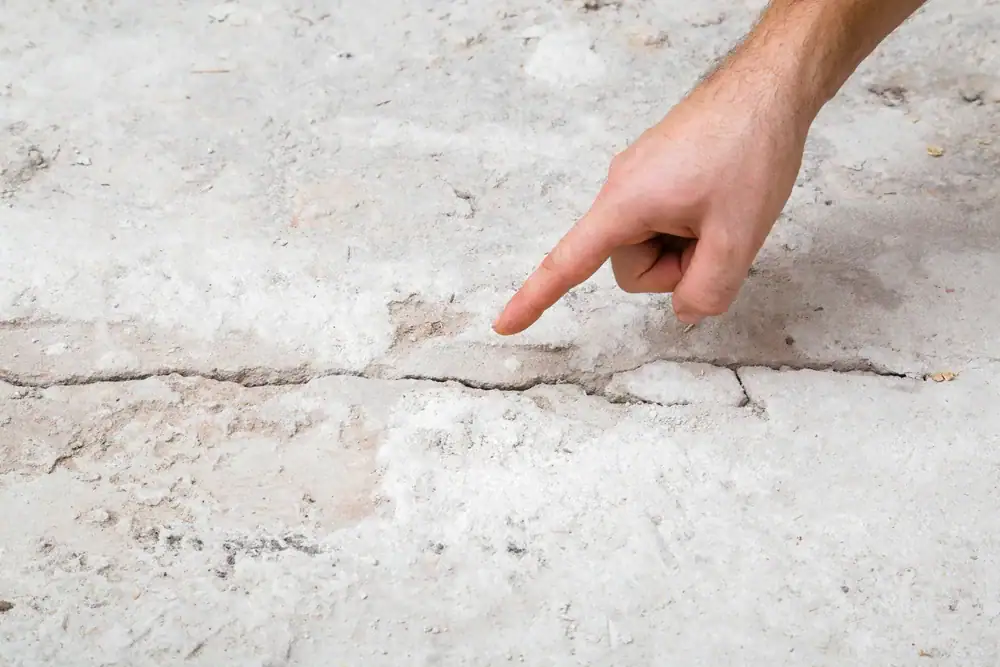
That hairline crack in your driveway isn’t staying small. Water gets in, salt follows, and before long you’re looking at spalling concrete and exposed rebar. It happens fast here.
Concrete repair done right means you’re not patching the same spot every year. You get a surface that handles the humidity, the salt, and the sun without breaking down in six months. Your property looks clean, stays safe, and you’re not dealing with trip hazards or water intrusion.
The difference is in how the repair is done and what products get used. Standard concrete patch jobs fail in coastal climates because they’re not designed for the conditions. You need epoxy-based systems and resurfacing methods that bond properly and flex with temperature changes. That’s what actually lasts.
Concrete Foundation Contractors North Miami Beach
We handle concrete repair, epoxy flooring, and resurfacing across North Miami Beach, FL and surrounding areas. We work directly with property owners, which means you’re talking to the people doing the work—not a sales team.
We’ve completed projects for the Coast Guard, US Military, City of Doral, and City of Sunny Isles. Government contracts require a different level of accountability, and that’s the standard we bring to every job. If your building needs milestone inspection repairs or you’re dealing with foundation cracks, we know what’s required.
North Miami Beach properties face constant exposure to salt air and moisture. Concrete deteriorates differently here than it does inland, and repair methods have to account for that. We use Sherwin Williams and Fosroc products because they’re formulated for harsh environments.
Concrete Foundation Repair Process
First, we assess the damage. Cracks, spalling, and discoloration all point to different underlying issues. Sometimes it’s surface-level wear, sometimes it’s structural. You need to know which one you’re dealing with before any work starts.
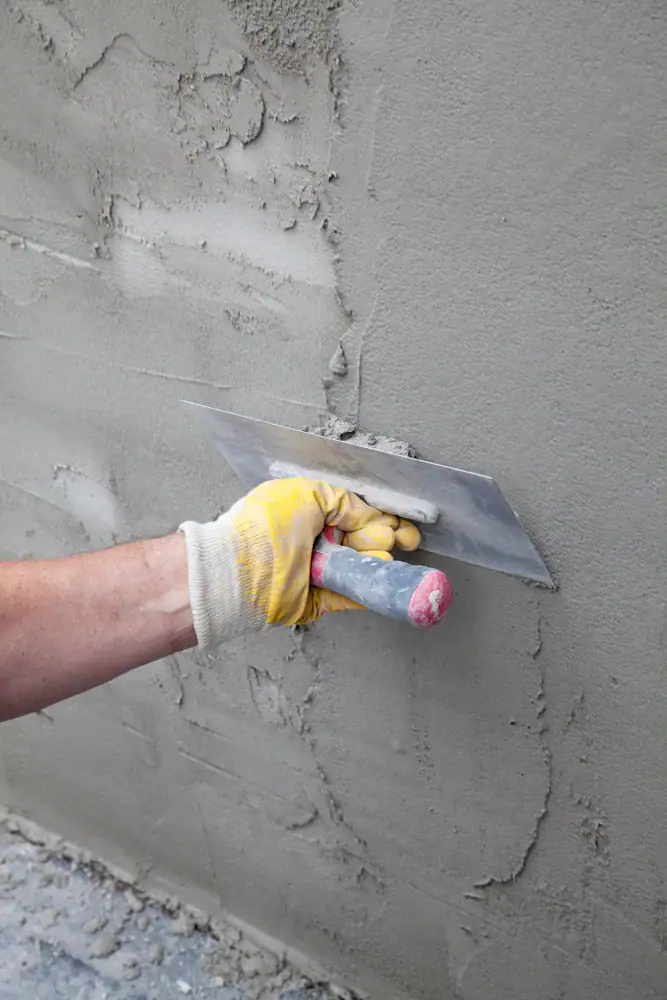
Once we understand what’s failing and why, we prep the surface. That means removing loose material, cleaning out contaminants, and making sure the repair product can actually bond. Skipping this step is why most DIY repairs and cheap contractor work fails within a year.
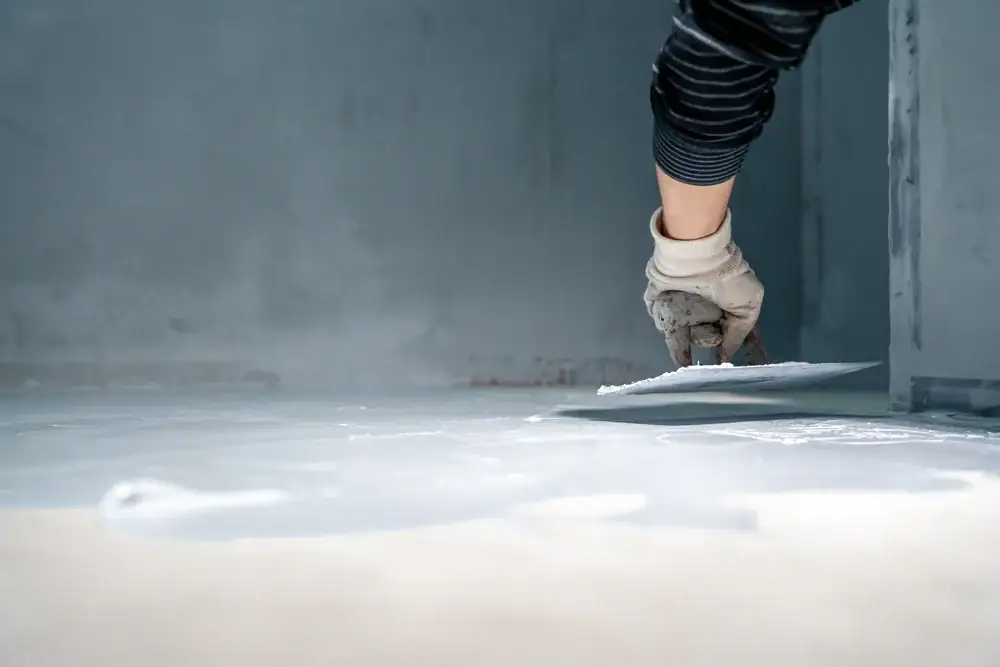
Then we apply the repair system—epoxy injections for cracks, resurfacing for spalling, or structural reinforcement if the foundation is compromised. The products we use are designed for coastal climates, so they handle salt intrusion and temperature swings without breaking down. We’re not just filling holes. We’re restoring integrity.
After the repair cures, we follow up. You shouldn’t have to wonder if the work is holding. We check in to make sure everything is performing the way it should.
Ready to get started?
Epoxy Concrete Repair North Miami Beach
You get concrete crack repair that addresses the root cause, not just the visible damage. If water is getting into your foundation or salt is corroding rebar, we fix that—not just the surface crack. That’s the difference between a repair that lasts and one that fails.
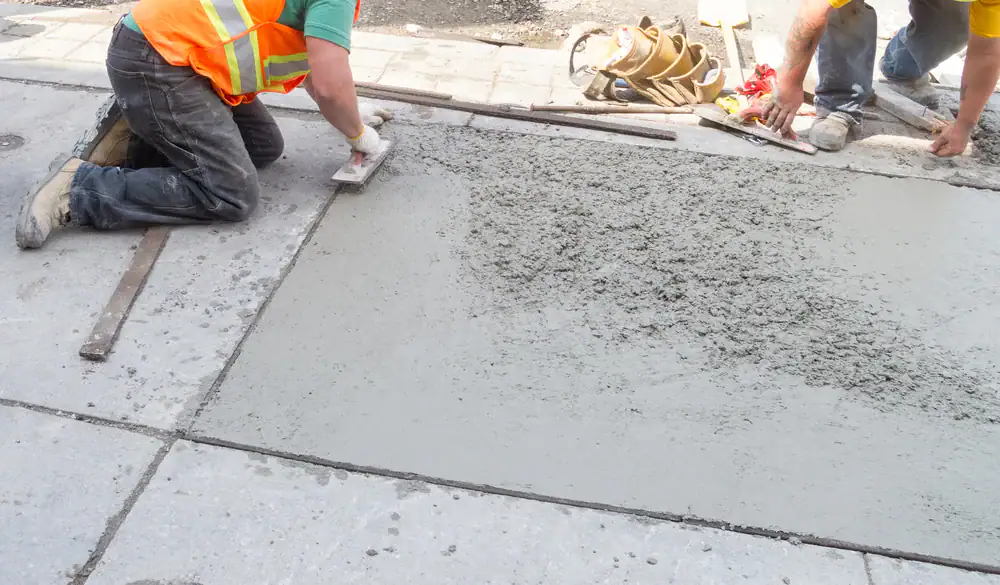
For driveways, sidewalks, and pool decks, we offer concrete resurfacing that restores the look and function without full replacement. You’re saving thousands compared to tearing everything out, and the finished surface is actually more durable than what was there before. Epoxy-based coatings resist staining, UV damage, and chemical exposure better than standard concrete.
If you’re dealing with structural concerns—foundation cracks, spalling on load-bearing walls, or concrete slab damage—we handle that too. Buildings in North Miami Beach, FL are subject to milestone inspections at 40 and 50 years, and concrete issues are one of the most common failure points. We’ve worked with condo associations and property managers to get buildings compliant and safe.
Turnaround depends on the scope, but for smaller jobs like garage floors or kitchen resurfacing, we can often complete the work in 24 to 48 hours. Larger structural repairs take longer, but we’re transparent about timelines before we start.
How long does concrete repair last in North Miami Beach’s coastal climate?
It depends entirely on the repair method and materials. Standard concrete patching compounds break down fast here because they’re not designed for salt exposure and constant moisture. You’ll see the same cracks reappear within a year or two.
Epoxy-based concrete repair systems last significantly longer—often 10 to 15 years or more—because they bond at a molecular level and resist water intrusion. They also flex slightly with temperature changes, which prevents new cracks from forming at the repair site. That’s critical in Florida where concrete expands and contracts constantly.
The other factor is surface prep. If the damaged area isn’t cleaned and prepped correctly, even the best products won’t bond properly. That’s where most cheap repairs fail. You’re not just paying for materials—you’re paying for the process that makes those materials work.
Can you repair concrete foundation cracks or do I need to replace the whole slab?
Most foundation cracks can be repaired without replacing the entire slab. The question is whether the crack is structural or just cosmetic. Hairline cracks that aren’t moving usually just need epoxy injection to seal them and prevent water intrusion.
Wider cracks or cracks that are actively shifting indicate a bigger problem—usually soil settlement or water damage underneath the slab. In those cases, we stabilize the foundation first, then repair the crack. If the slab has extensive damage across multiple areas, replacement might make more sense, but that’s rare.
We assess the foundation, tell you what’s actually needed, and give you options. A lot of contractors push full replacement because it’s more profitable. We’d rather fix what can be fixed and save you the cost of tearing out concrete that’s still structurally sound.
What causes concrete to crack and spall so quickly near the beach?
Salt. It’s the biggest enemy of concrete in coastal areas like North Miami Beach, FL. Salt particles get into the concrete through tiny pores, and once they reach the rebar inside, they cause it to corrode. Corroded rebar expands, which cracks the concrete from the inside out. That’s spalling—when chunks of concrete break off and expose the rusted metal underneath.
The sun and heat accelerate the process. Concrete expands when it’s hot and contracts when it cools, and that constant movement creates stress fractures. Add moisture from humidity and rain, and those small cracks turn into bigger problems fast.
Standard concrete isn’t sealed well enough to keep salt out, which is why repairs fail if you’re just using basic patching products. You need coatings and repair systems that create a barrier against salt intrusion and handle the expansion and contraction without cracking. That’s what epoxy and polymer-based systems do.
How much does concrete crack repair cost in North Miami Beach?
Small crack repairs—like a single hairline crack in a driveway or sidewalk—usually run a few hundred dollars. Larger structural repairs, like foundation cracks or extensive spalling, can range from $1,000 to $5,000 or more depending on the scope and access.
Concrete resurfacing for driveways or pool decks typically costs less than half of what full replacement would run, and you’re getting a more durable finish. Epoxy flooring for garages or commercial spaces varies based on square footage and the coating system, but it’s almost always cheaper than tearing out and re-pouring.
We give transparent pricing after we assess the damage. You’re not getting a ballpark estimate that doubles once we start working. You’ll know what the job costs and what’s included before we do anything. If you want to move forward, great. If not, no pressure.
Do you offer emergency concrete repair services?
Yes. If you have a structural issue that’s creating a safety hazard—like a collapsing step, a major foundation crack, or concrete that’s actively breaking apart—we can respond quickly. We’ve handled emergency repairs for commercial properties, government facilities, and residential clients who needed immediate solutions.
For less urgent repairs, we still move fast. Smaller jobs like garage floors or kitchen resurfacing can often be completed in 24 to 48 hours from the time we start. Larger projects take longer, but we’re upfront about the timeline.
The key is getting the damage assessed as soon as possible. Concrete problems don’t fix themselves, and waiting usually makes the repair more expensive. If you’re seeing cracks, spalling, or water intrusion, it’s worth having someone look at it now rather than six months from now when it’s worse.
Will concrete repair affect my building’s milestone inspection compliance?
Properly done concrete repair can actually help you pass milestone inspections. Buildings three stories or higher in Florida are required to undergo structural inspections at 40 and 50 years, and concrete deterioration is one of the most common issues that come up. Spalling, exposed rebar, and foundation cracks all need to be addressed to meet code.
We’ve worked with condo associations and property managers in North Miami Beach, FL to complete repairs that satisfy inspection requirements. That includes documentation and using materials that meet structural standards. If your building is coming up on a milestone inspection, it’s worth getting the concrete assessed early so you’re not scrambling to fix issues on a tight deadline.
Inspectors are looking for structural integrity and safety. If your concrete is compromised, it has to be repaired or replaced. We handle the repairs so you can check that box and move forward with certification.
Other Services we provide in North Miami Beach
Leave a Reply