


Concrete Repair in North Miami, FL
Salt Air Eating Your Concrete? We Fix It Right
Hear from Our Customers
Concrete Crack Repair North Miami
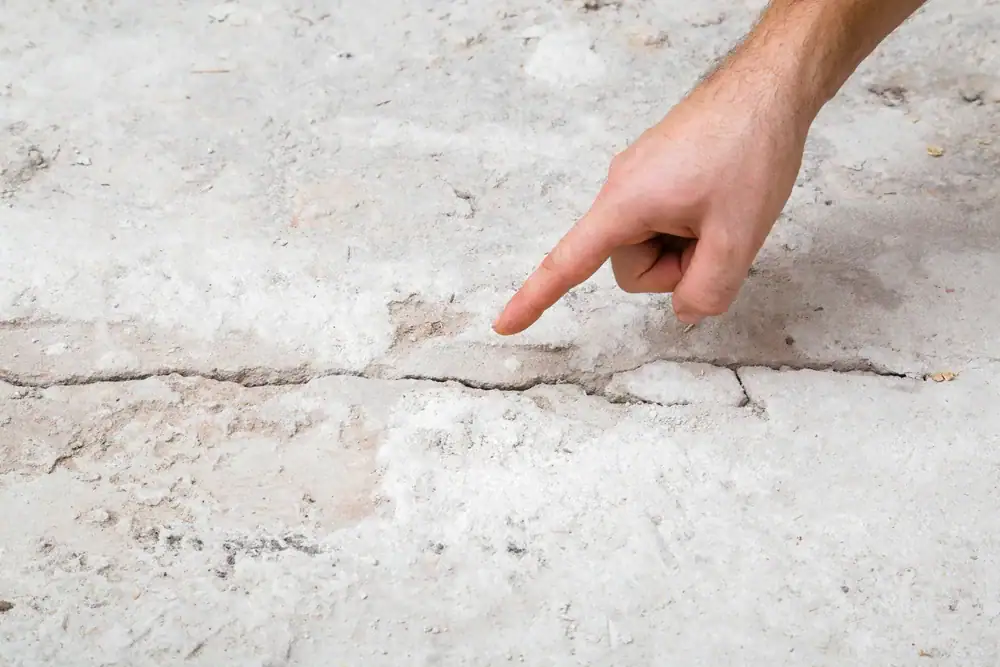
That crack in your driveway or those chunks falling off your pool deck aren’t just ugly. They’re getting worse every day.
In North Miami, salt air doesn’t take breaks. Chlorides work their way into concrete, rust the rebar underneath, and cause the kind of damage that spreads like an infection. What starts as a hairline crack becomes a spall. Then another. Then you’re looking at structural issues that cost ten times what early repair would’ve run you.
We stop that cycle. Concrete crack repair, epoxy reinforcement, foundation stabilization, resurfacing—whatever your property needs to stay safe and functional. You get transparent pricing up front, a crew that’s worked on everything from residential driveways to Coast Guard facilities, and repairs built to handle Florida’s brutal coastal environment. No sales pitch. No hidden fees. Just straight answers and work that lasts.
Concrete Repair Contractors North Miami
We handle concrete and epoxy work across North Miami and South Florida. We’ve done projects for the U.S. Military, Coast Guard, City of Doral, City of Sunny Isles, and dozens of commercial and residential properties dealing with the same issues you’re facing right now.
We’re not the biggest name out there. But we’re the ones who show up, give you a real price, and do the work without the runaround. Our crew knows how salt air, heat, and moisture destroy concrete differently here than anywhere else. That’s why we use Sherwin Williams and Fosroc products—materials designed for environments that don’t forgive shortcuts.
You’ll talk to us directly. Not a sales team. Not a general contractor playing middleman. If your concrete’s failing, we’ll tell you why, what it takes to fix it, and how long it’ll hold up.
Concrete Foundation Repair Process
First, we come out and assess the damage. We’re looking at cracks, spalls, surface deterioration, and what’s happening underneath. If rebar’s exposed or rusted, we need to know. If the slab’s settled or shifted, that changes the approach.
Then we give you a price. One number. No “depends on what we find” nonsense unless there’s genuinely something hidden we can’t see until we start. Most of the time, we know what we’re dealing with from the inspection.
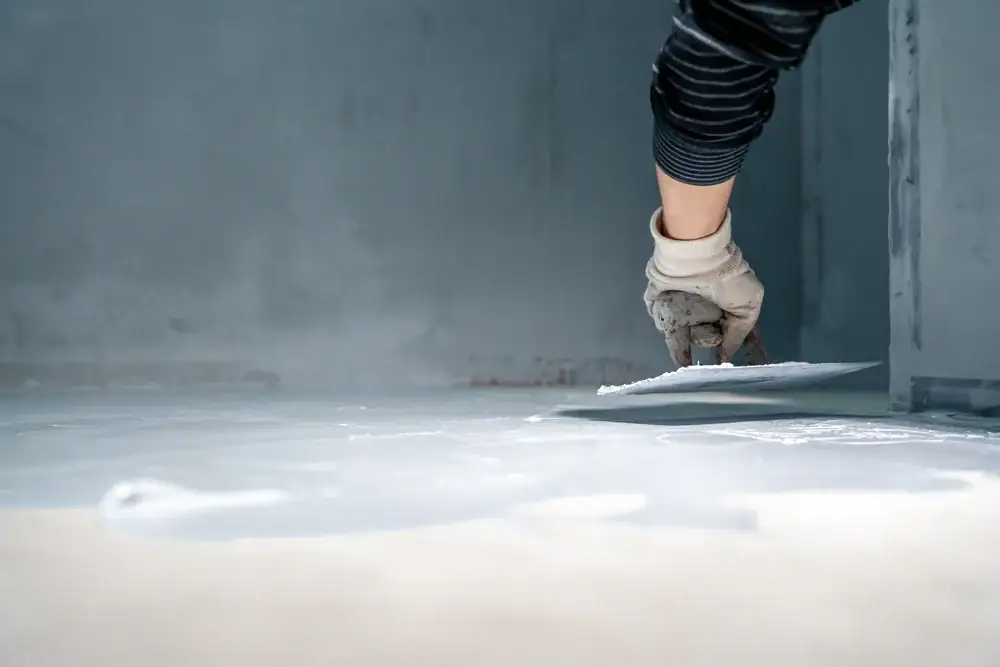
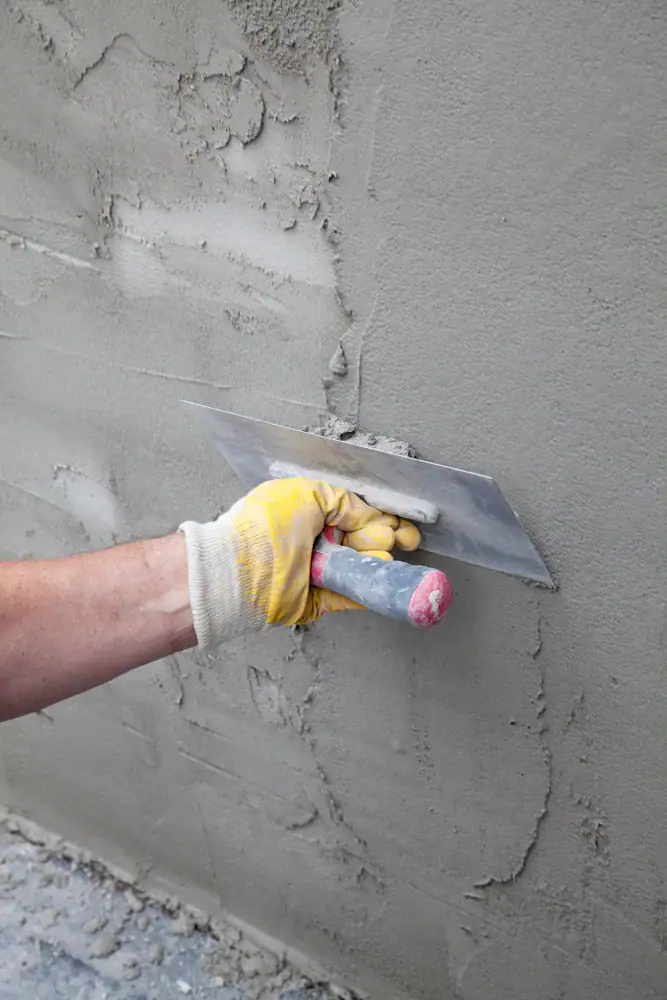
Once you approve, we prep the area, remove damaged concrete, treat any rebar corrosion, and apply the repair—whether that’s epoxy injection for cracks, resurfacing for worn floors, or full structural reinforcement for foundation issues. We can turn around smaller jobs in 24 to 48 hours if it’s urgent. Bigger projects get a clear timeline before we start.
After the work’s done, we follow up. You shouldn’t have to chase us down if something doesn’t look right.
Ready to get started?
Epoxy Concrete Repair North Miami
We handle concrete crack repair, epoxy floor coatings, polished concrete, resurfacing, pool deck restoration, driveway repair, sidewalk leveling, foundation work, and safety line striping. If it’s concrete or epoxy, we do it.
In North Miami, most of the damage we see comes from salt air and water intrusion. Your concrete’s constantly exposed to chlorides that penetrate the surface and corrode rebar from the inside out. That’s why we don’t just patch the surface—we address what’s causing the failure. Corroded rebar gets treated or replaced. Cracks get filled with epoxy that bonds stronger than the original concrete. Spalled areas get rebuilt with materials that resist moisture and salt.
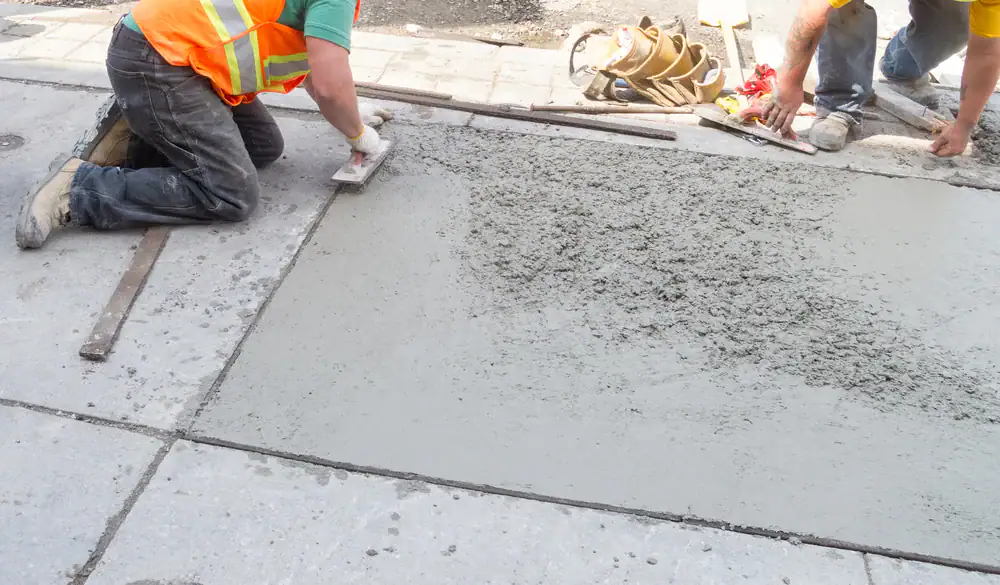
For commercial properties, we’ve worked with municipal buildings and military installations that can’t afford downtime or half-done work. For homeowners, we’ve restored driveways, patios, and pool decks that were falling apart. Same process either way: figure out what failed, fix it right, and make sure it holds up in this climate.
You’re not paying for the cheapest fix. You’re paying for one that actually lasts in an environment where most repairs fail within a few years.
How long does concrete crack repair take in North Miami?
Depends on the size and severity of the damage. Small cracks—hairline or surface-level—can usually be repaired in a few hours. We inject epoxy, let it cure, and you’re done.
Larger structural cracks, spalling, or foundation issues take longer. If we’re removing damaged concrete, treating rebar, and rebuilding sections, you’re looking at a day or two minimum. For emergency repairs—like something that’s creating a safety hazard—we can mobilize in 24 to 48 hours.
Weather affects timing too. We can’t pour or apply certain materials in heavy rain. But we’ll give you a realistic timeline during the estimate, not some vague “we’ll see how it goes” answer.
Why does concrete fail so fast near the coast in North Miami?
Salt air. That’s the short answer. Chlorides in the air penetrate your concrete and reach the rebar inside. Rebar rusts when exposed to salt and moisture. Rust expands. That expansion cracks the concrete from the inside out.
Once a crack forms, more water and salt get in. The damage accelerates. You get spalling—chunks of concrete breaking off and exposing more rebar. It spreads fast, especially on surfaces that face the ocean or get constant sun and heat.
Poor construction makes it worse. If the concrete wasn’t mixed right, poured correctly, or sealed properly, it fails even faster. We see it all the time—driveways, pool decks, and building facades that look fine for a few years, then fall apart because the materials or workmanship weren’t up to the job.
Can you repair concrete without replacing the whole slab?
Most of the time, yes. Full replacement is expensive and usually unnecessary unless the entire slab has failed or settled beyond repair.
For cracks, we use epoxy injection. It bonds the concrete back together and stops water intrusion. For spalling or surface damage, we remove the compromised areas, treat the rebar, and rebuild with high-strength repair mortar. For settlement issues, we can lift and level slabs with polyurethane foam injection or mudjacking.
Replacement makes sense when the damage is too widespread, the base underneath has failed, or the concrete’s so deteriorated that patching won’t hold. We’ll tell you straight up if that’s the case. But in most situations, a proper repair costs a fraction of replacement and lasts just as long if done correctly.
What’s the difference between epoxy repair and regular concrete patching?
Regular concrete patching—using standard cement or mortar—doesn’t bond well to existing concrete. It shrinks as it cures, cracks along the edges, and eventually pops out. It’s a temporary fix at best.
Epoxy repair uses resin-based materials that bond at a molecular level to the existing concrete. It’s stronger than the concrete itself, doesn’t shrink, and resists water and chemical intrusion. For structural cracks, epoxy injection is the only repair method that actually restores the slab’s integrity.
We use epoxy for cracks, high-traffic floors, and anywhere the repair needs to hold up under stress or moisture. For resurfacing or cosmetic work, we use polymer-modified concrete or specialty overlays depending on what the surface needs. It’s not about upselling you—it’s about using the right material for the job so the repair doesn’t fail in six months.
Do you offer emergency concrete repair in North Miami?
Yes. If you’ve got a safety hazard—exposed rebar, a collapsed section, trip hazards on a commercial property—we can get out there fast.
We’ve handled emergency calls for businesses that needed floors repaired overnight and residential properties with pool decks that became dangerous after a storm. Depending on our schedule, we can mobilize within 24 to 48 hours for urgent situations.
Emergency work costs more because we’re rearranging jobs and crews to prioritize your project. But if the alternative is someone getting hurt or your property failing inspection, it’s worth it. Call us, explain what’s happening, and we’ll tell you if it’s something we can jump on or if it can wait a few days without getting worse.
How much does concrete repair cost in North Miami?
There’s no one-size-fits-all number. A small crack repair might run a few hundred dollars. Full foundation work or extensive spalling repair on a commercial building can run into the thousands.
What drives cost: size of the damaged area, type of repair needed, accessibility, materials required, and how much prep work is involved. If we’re just filling cracks, it’s straightforward. If we’re removing sections, treating corroded rebar, rebuilding, and resurfacing, the price goes up.
We give you a firm quote after the inspection. No ballpark guesses. No “it could be anywhere from X to Y” ranges that mean nothing. You’ll know what it costs before we start, and that number doesn’t change unless you approve additional work. If you’ve been burned by contractors who lowball the estimate and then hit you with change orders, we’re not that company.
Other Services we provide in North Miami
Leave a Reply