


Concrete Repair in Ocean Ridge, FL
Your Foundation Doesn’t Have to Be Replaced
Hear from Our Customers
Concrete Foundation Repair Ocean Ridge
Cracks don’t heal themselves. In Ocean Ridge, saltwater and shifting sand make things worse fast.
What starts as a hairline crack becomes a structural issue. Water gets in, rebar corrodes, slabs settle unevenly. Before long, you’re looking at trip hazards, drainage problems, or worse—foundation failure that tanks your property value by 20% or more.
Concrete repair stops that progression. It seals out moisture, stabilizes what’s moving, and restores structural integrity before the damage spreads. You’re not just patching a crack—you’re protecting your investment and keeping your property safe for the people who use it every day.
The difference between a $2,000 repair and a $40,000 replacement usually comes down to timing. If you’re seeing cracks, settlement, or spalling, now’s the time to address it.
Trusted Concrete Company Ocean Ridge
We’ve been repairing concrete across South Florida since 2020. We’re veteran-owned, and we’ve worked on projects for the U.S. Military, Coast Guard, City of Doral, City of Sunny Isles, and multiple county facilities.
That’s not bragging—it’s context. Government and military contracts require documentation, accountability, and results. If the work fails, they know exactly who to call. We’ve built our reputation on getting it right the first time.
Ocean Ridge sits in one of the toughest environments for concrete. High water tables, sandy soil, salt exposure, and hurricane-force storms. If your foundation is cracking or settling, it’s not random—it’s responding to conditions we see and fix regularly across Palm Beach County.
Concrete Crack Repair Process Florida
First, we come out and assess the damage. Not every crack means your foundation is failing, but some do. We’ll tell you what’s cosmetic, what’s structural, and what needs attention now versus later.
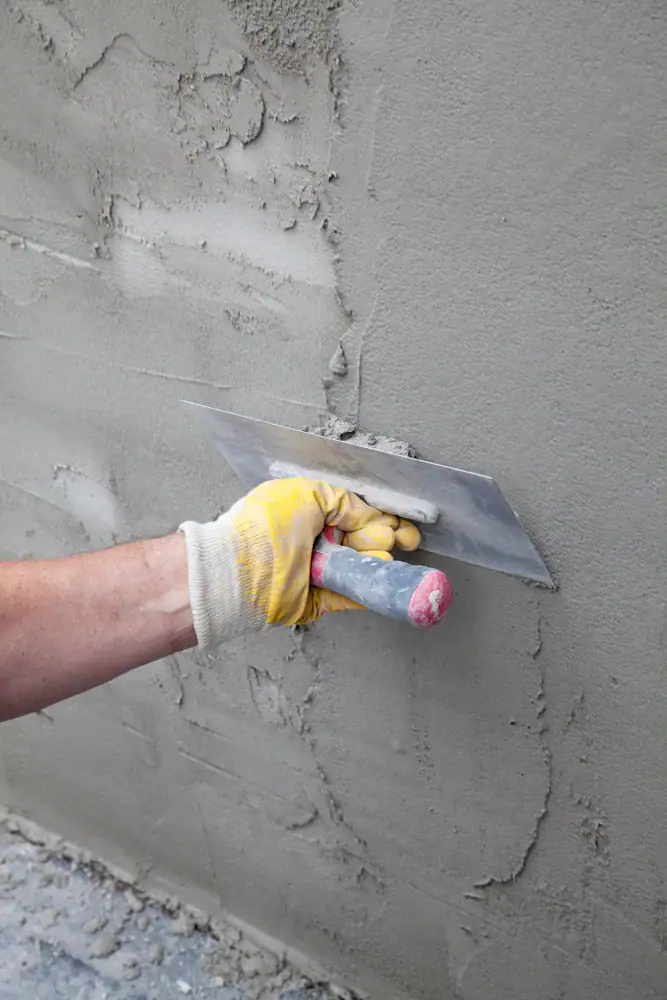
Once we know what we’re dealing with, we prep the surface. That usually means shot-blasting or diamond grinding to remove any loose material and create a clean bond. If we’re sealing or applying epoxy, the concrete has to be ready to accept it—shortcuts here lead to peeling and failure down the road.
Then we make the repair. Depending on the issue, that could mean epoxy injection for cracks, slab leveling for settlement, or resurfacing for spalling and surface damage. We use products from Sherwin Williams and Fosroc, and everything we install is backed by manufacturer warranties.
After the repair, we seal or coat the surface to protect it from moisture and salt. Florida’s humidity and coastal exposure will eat through untreated concrete. Sealing extends the life of the repair and keeps water from getting back in.
Most jobs wrap up in 24 to 48 hours. If it’s an emergency—like a structural crack or a safety hazard—we move faster.
Ready to get started?
Epoxy Concrete Repair Ocean Ridge FL
Every project starts with a one-on-one consultation. We don’t send a sales guy—you talk directly to someone who’s done the work. We walk the site, measure, photograph, and explain what’s happening and why.
You’ll get transparent pricing before we start. No surprises, no upselling, no pressure. If you want to move forward, we schedule the work. If you need time to think, that’s fine too.
During the job, we handle surface prep, crack filling or slab leveling, application of repair materials, and protective sealing or coating. If the project involves epoxy, polished concrete, or resurfacing, we’re using the same systems we’ve installed for municipal clients and military facilities.
Ocean Ridge properties face unique challenges. Saltwater intrusion is a constant threat—chloride ions penetrate concrete and corrode rebar from the inside out. Sandy soils shift with moisture changes, especially after heavy rains or droughts. And hurricanes put sudden stress on foundations that were already compromised.
We account for all of that. The materials we use are chosen for Florida’s coastal climate, and the techniques we use are designed to last in conditions that break down cheaper fixes in a year or two.

How do I know if my concrete crack is serious or just cosmetic?
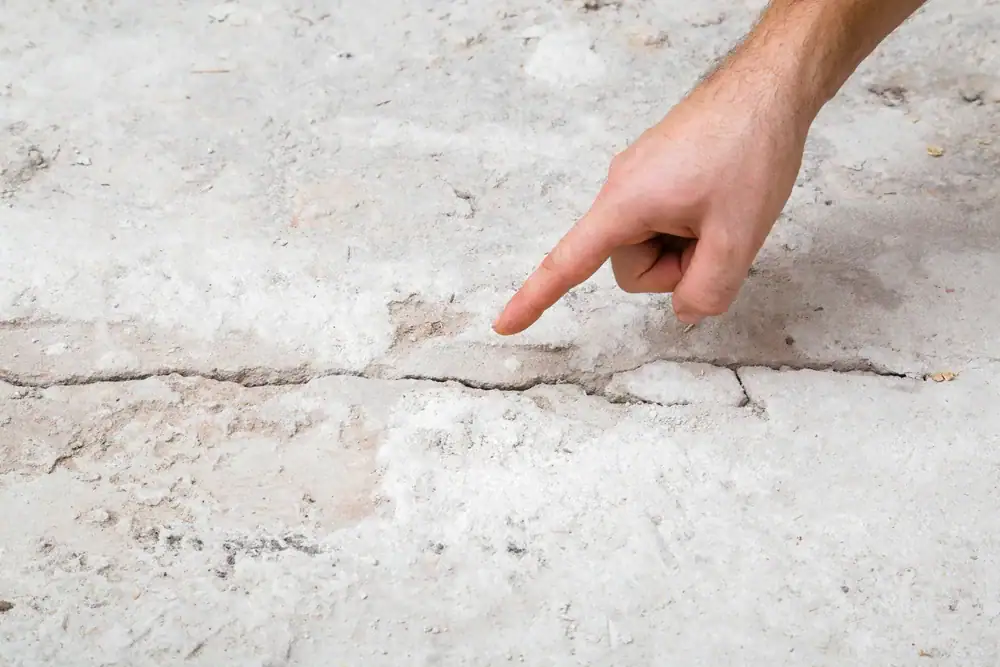
Width and movement are the two things that matter most. Hairline cracks under 1/8 inch are usually cosmetic, especially if they’re not growing. Anything wider than a quarter-inch, or cracks that are getting bigger over time, need attention.
If the crack runs vertically or diagonally across a foundation wall, that’s more concerning than horizontal surface cracks in a driveway. If you’re seeing separation—where one side of the crack is higher than the other—that’s settlement, and it’s structural.
Water is the other tell. If the crack is wet, stained, or letting water through, it’s not just cosmetic anymore. Moisture accelerates damage, especially in Ocean Ridge where saltwater and humidity are constant. Even a small crack that’s actively leaking can turn into a major problem within a year or two.
When in doubt, get it looked at. We’ll tell you honestly whether it needs repair now, monitoring, or nothing at all.
Can you repair concrete without tearing it out and replacing it?
Yes, and in most cases, repair is the smarter move. Full replacement costs 10 to 20 times more than a quality repair, and it’s rarely necessary unless the slab is completely failed or the subgrade has washed out.
Epoxy injection works for cracks. We inject a two-part epoxy resin under pressure, filling the crack from the inside out. It bonds stronger than the original concrete and stops water infiltration immediately. For slab settlement, we use leveling techniques that lift and stabilize the concrete without removing it.
Resurfacing handles surface damage—spalling, pitting, or worn-down areas. We grind the surface, apply a polymer-modified overlay, and seal it. The result looks new and performs better than the original pour in Florida’s climate.
Replacement makes sense when the damage is too far gone—think massive cracking, complete structural failure, or subgrade issues that can’t be fixed from above. But that’s the exception, not the rule. Most of what we see in Ocean Ridge is repairable, and repair gives you years of additional life at a fraction of the cost.
How long does a concrete repair last in Florida’s coastal climate?
A properly done repair should last 10 to 15 years or more, even in Ocean Ridge’s harsh conditions. The key is using the right materials and doing the prep work correctly.
Epoxy repairs are permanent if the crack isn’t caused by ongoing movement. The epoxy bonds at a molecular level and won’t separate unless the surrounding concrete fails. Slab leveling lasts as long as the soil underneath stays stable—and we address drainage and moisture issues during the repair to keep that stable.
Surface coatings and sealers need maintenance. In coastal areas, we recommend resealing every 3 to 5 years to maintain protection against salt and moisture. That’s not a failure of the repair—it’s routine maintenance, like repainting a house.
The repairs that fail early are the ones done with cheap materials or bad prep. If someone’s just smearing patch compound over a crack without cleaning it or using a backer rod, that’ll pop out in six months. If they’re not sealing the repair, saltwater will get back in and start corroding rebar again. We’ve seen plenty of failed repairs from other contractors, and it’s almost always a shortcuts issue, not a materials issue.
What causes concrete to crack and settle in Ocean Ridge?
Sandy soil and water movement. Ocean Ridge sits on soil that’s mostly sand with some organic material mixed in. Sand doesn’t compact evenly, and it shifts when water content changes—either from heavy rain, drought, or underground water flow.
When the soil under a slab loses moisture and shrinks, the concrete settles. When it gets saturated and expands, the slab can heave or crack from pressure. Add in saltwater intrusion, and you’ve got chloride ions attacking the rebar inside the concrete, causing rust that expands and cracks the slab from within.
Hurricanes and tropical storms make it worse. Sudden heavy rain saturates the soil, then it dries out fast once the storm passes. That cycle of wet-dry-wet puts stress on foundations that were already sitting on unstable ground.
Poor drainage accelerates everything. If water pools around your foundation or doesn’t drain away from the slab, you’re keeping the soil saturated longer than it should be. That leads to faster settlement, more cracking, and more moisture getting into the concrete itself. Fixing drainage is often part of a good concrete repair—not just patching the symptom.
Do you offer emergency concrete repair services in Ocean Ridge?
Yes. If you’ve got a structural crack, a safety hazard, or storm damage that needs immediate attention, we can usually get someone out within 24 hours and start the repair within 48.
Emergency work gets priority because we know what’s at stake. A crack that’s letting water into your foundation during a storm can cause thousands in additional damage if it’s not addressed fast. A settled slab that’s creating a trip hazard is a liability you can’t afford to ignore.
We’ve handled emergency calls for municipal clients, schools, and military facilities—situations where downtime or safety risks aren’t acceptable. That same response capability applies to residential and commercial properties in Ocean Ridge.
When you call, you’ll talk to someone who can make decisions, not a call center. We’ll ask the right questions, determine urgency, and get you on the schedule. If it’s truly an emergency, we move everything else to make it happen.
How much does concrete repair cost compared to full replacement?
Repair typically costs 5% to 15% of what full replacement would run. A crack repair with epoxy injection might cost $800 to $2,500 depending on length and depth. Slab leveling usually runs $1,500 to $4,000 for a typical residential job. Resurfacing a damaged driveway or patio might be $3 to $8 per square foot.
Full replacement? You’re looking at $8 to $15 per square foot for removal, disposal, subgrade prep, new pour, and finishing. A 500-square-foot driveway replacement could easily hit $6,000 to $10,000. A foundation replacement can run $30,000 to $50,000 or more depending on size and access.
The math is simple: if the concrete can be repaired, repair it. You’ll save money, save time, and avoid the disruption of a full demo and repour.
That said, price shouldn’t be the only factor. A cheap repair that fails in a year costs you more in the long run than a quality repair done right the first time. We price transparently, and we explain exactly what you’re paying for—materials, labor, prep, and warranty. You’ll know what you’re getting before we start.
Other Services we provide in Ocean Ridge
Leave a Reply