


Concrete Repair in Paradise Park, FL
Concrete That Holds Up in Florida’s Climate
Hear from Our Customers
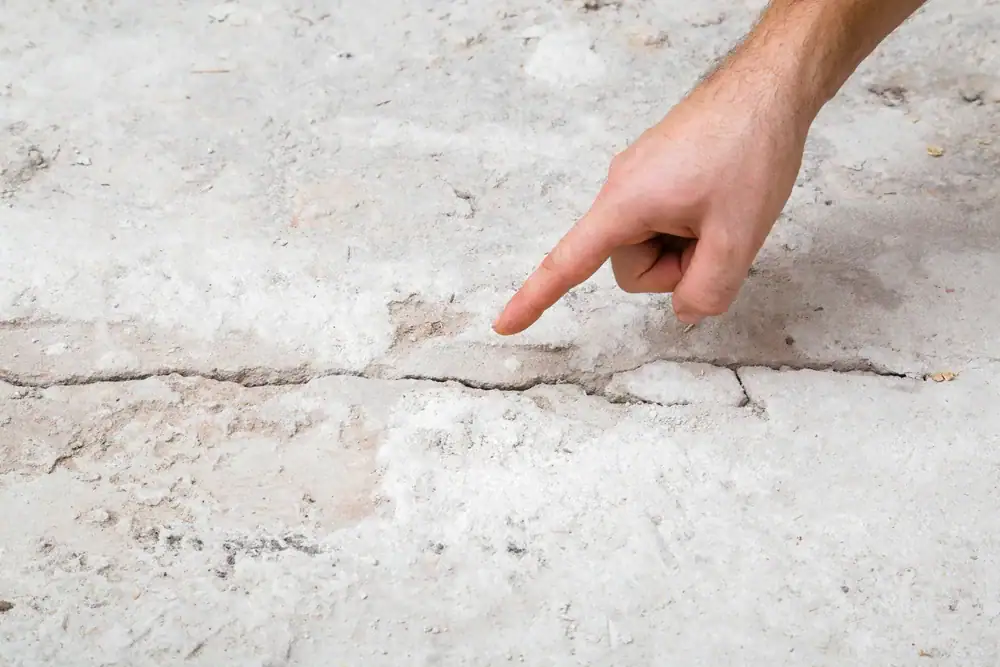
Concrete Crack Repair Paradise Park
Concrete damage doesn’t pause. A small crack in your driveway turns into a safety hazard. Spalling on your warehouse floor becomes a liability issue. Foundation settling threatens structural integrity.
When you fix it right the first time, you’re not calling someone back in six months. You’re not dealing with the same crack spreading wider. You’re not explaining to your insurance company why someone tripped on your property.
The work holds because it’s done with commercial-grade epoxy systems that handle moisture, not basic fillers that wash out in the next storm. Surface prep gets done with diamond grinding to create actual bond strength. And the materials cure properly even when Paradise Park’s humidity tries to interfere.
Concrete Foundation Contractors Paradise Park
We’ve handled concrete work for the Coast Guard, US Army, City of Doral, and City of Sunny Isles since 2020. That’s not name-dropping—it’s proof that when specs matter and failure isn’t an option, we’re who gets called.
Paradise Park properties face the same climate challenges those government facilities do. Salt air if you’re near the coast. Soil that shifts. Humidity that never quits. Your concrete needs the same level of attention, whether it’s a pool deck or a commercial loading bay.
Everything gets done in-house by our full-time employees. No subcontractors showing up with mystery credentials. When you call, you’re talking to the people who’ll actually do the work.
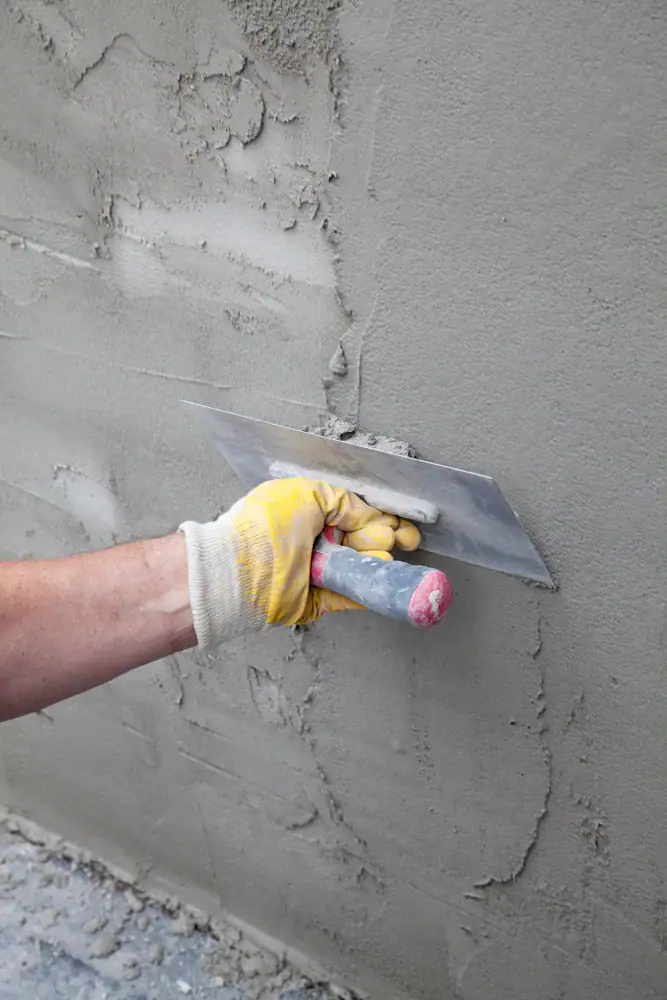
Epoxy Concrete Repair Process Paradise Park
First, the surface gets properly prepared. That means diamond grinding or shot-blasting to remove any contamination and create the porosity needed for adhesion. This step gets skipped by contractors trying to save time—it’s also why their repairs fail.
Cracks get filled with specialized epoxy compounds that are designed for structural repair, not cosmetic coverage. These products cure in controlled conditions with precision timing because Florida’s humidity will ruin a repair if you don’t account for it.
For larger areas needing resurfacing, polymer-modified systems go down in layers. Each one bonds to what’s underneath. The final surface can handle foot traffic, vehicle loads, or heavy equipment depending on what your property needs. Slip resistance gets built in where safety matters.
Typical projects move fast. Smaller concrete crack repair jobs often finish in a day. Larger commercial resurfacing might take a few days depending on square footage and cure times, but you’ll know the timeline upfront.
Ready to get started?
Concrete Slab Repair Paradise Park FL
Concrete repair in Paradise Park means dealing with specific problems. Pool decks that crack from ground movement. Driveways that develop spalling because water gets underneath. Warehouse floors that pit and dust from heavy use. Sidewalks that become tripping hazards when sections settle.
The work covers concrete foundation repair when settling causes structural concerns. Epoxy injection for active cracks that need stabilization. Full slab resurfacing when the surface is too far gone for spot fixes. Stair and step repair where safety can’t be compromised.
Materials come from manufacturers like Laticrete, Koster USA, and Advanced Polymer Technology—all commercial-grade products that meet actual performance standards. Not the stuff you’d find at a big box store. These systems are engineered for Florida’s conditions, which matters more than most people realize until a repair fails.
You also get transparent pricing before work starts, emergency response when timing is critical, and direct communication with the people doing the work. For commercial properties, that includes working around your operations schedule and meeting OSHA requirements for slip resistance and load bearing.
How long does concrete repair actually last in South Florida’s climate?
Professional concrete resurfacing lasts 10-15 years in South Florida when the work is done correctly. That timeline depends entirely on proper surface preparation and using moisture-resistant systems designed for this climate.
The repairs that fail in two years? Those used standard patching compounds that can’t handle humidity. Or the contractor skipped diamond grinding and just poured product over contaminated concrete. Maybe they didn’t account for Florida’s temperature swings that cause expansion and contraction.
When epoxy systems cure properly and bond to clean, prepared concrete, they hold. You’re creating a monolithic surface that moves with the slab underneath instead of separating from it. That’s the difference between a repair and a band-aid.
What’s the real cost difference between repairing and replacing concrete?
Repairing cracked concrete costs significantly less than full replacement—usually 40-60% less depending on the damage extent. Replacement means demolition, hauling away broken concrete, potential soil work, forming, pouring, and waiting for cure time. That’s expensive and disruptive.
Repair makes sense when the concrete’s structural integrity is still sound. Cracks, surface spalling, minor settling—these are fixable without tearing everything out. You’re looking at days instead of weeks, and your property stays functional during most of the work.
Replacement becomes necessary when you’ve got major foundation failure, extensive undermining, or the slab has deteriorated beyond what resurfacing can address. But that’s the minority of cases. Most concrete problems in Paradise Park are caught before they reach that point, assuming someone actually fixes them instead of ignoring them.
Can you repair concrete during Florida’s rainy season?
Yes, but it requires planning and the right products. Modern polyaspartic and specialized epoxy formulations can cure even in challenging conditions, but you can’t have standing water on the surface during application. Timing matters.
For outdoor concrete repair work during rainy months, the approach involves monitoring weather windows and using fast-cure systems that set up before the next storm hits. Some products reach full cure in hours instead of days. Indoor work obviously has fewer weather constraints.
The bigger issue is existing moisture in the concrete itself. Florida’s humidity means concrete rarely dries out completely. That’s why moisture-resistant systems exist—they’re formulated to bond even when substrate moisture is present. A contractor who doesn’t understand this will give you a repair that debonds the first time it rains. Surface prep and product selection make or break the job regardless of season.
What causes concrete to crack and spall in Paradise Park specifically?
Paradise Park concrete faces multiple stressors. High humidity accelerates moisture intrusion into the slab. Temperature fluctuations cause expansion and contraction cycles. Soil conditions lead to settling and ground movement. If you’re near coastal areas, salt exposure speeds up deterioration.
Cracking usually starts from ground settlement underneath the slab or from concrete that wasn’t properly reinforced during installation. Once a crack forms, water gets in. In Florida, that water brings humidity, which leads to corrosion of any rebar inside. Corroded rebar expands, which causes spalling—those areas where the concrete surface pops off.
The cycle continues unless you stop it. Epoxy crack repair seals out moisture and stabilizes the damage. For spalling, you remove the compromised concrete, treat any exposed rebar, and resurface with polymer-modified materials that resist future moisture intrusion. Understanding why the damage happened determines how to fix it permanently.
Do I need a structural engineer before getting concrete foundation work done?
For significant foundation movement or structural concerns, yes. An engineer assesses whether you’re dealing with ongoing settlement, determines the cause, and specifies what’s needed to stabilize it. That might be underpinning, soil stabilization, or drainage corrections before any concrete repair happens.
For surface-level foundation cracks that aren’t showing active movement, you typically don’t need an engineer. A qualified concrete contractor can evaluate whether it’s a structural issue or just cosmetic damage from normal settling. The key is honest assessment—not every crack means your foundation is failing.
When government or commercial projects require engineered specifications, we work directly with engineers to meet those requirements. For residential foundation concerns in Paradise Park, a thorough inspection usually clarifies whether you need engineering involvement or if concrete crack repair addresses the problem. Don’t let anyone start work on foundation issues without first understanding what’s causing them.
How soon can you start on emergency concrete repairs?
We typically respond to emergencies within 24-48 hours depending on the situation and current project schedule. True emergencies—safety hazards, operational shutdowns, liability concerns—get prioritized. A cracked warehouse floor that’s stopping production gets handled differently than a driveway crack that’s been there for months.
The fast turnaround is possible because everything is done in-house with our full-time employees, not subcontractors who need to be scheduled through another company. Materials are commercial-grade products that cure quickly when needed. For urgent situations, polyaspartic systems can be walked on in hours and fully cured within a day.
When you call about emergency concrete repair in Paradise Park, you’ll talk to someone who can actually assess the timeline and commit to it. No waiting for callbacks or quotes that take a week. The goal is getting your property safe and functional again without the runaround that makes emergencies worse.
Other Services we provide in Paradise Park
Leave a Reply