


Concrete Repair in Port St. Lucie, FL
Concrete That Holds Up to Florida’s Worst
Hear from Our Customers
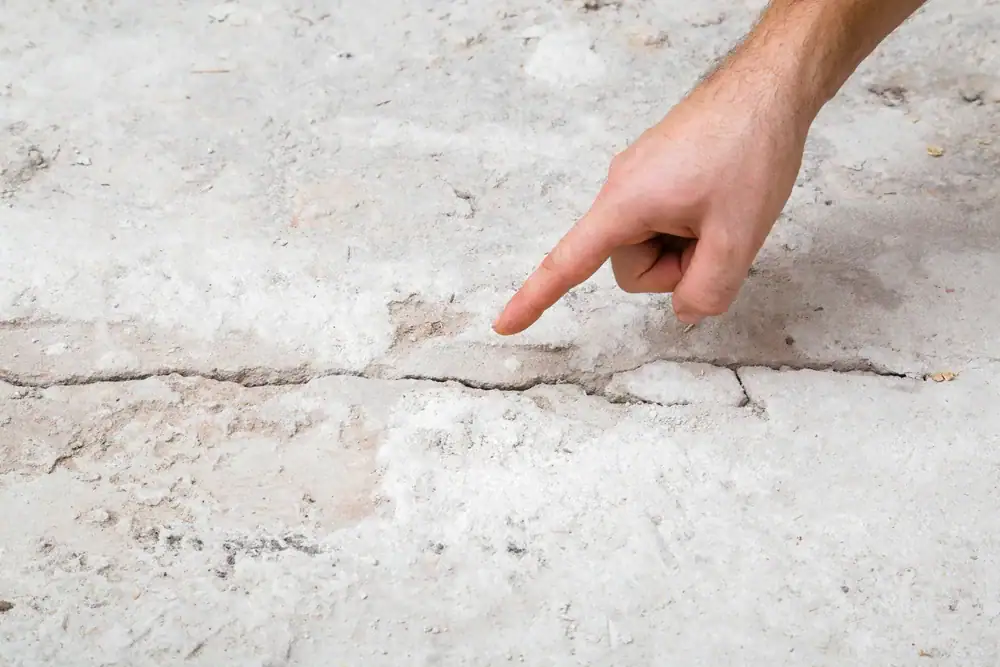
Concrete Crack Repair Port St. Lucie
You’ve probably noticed the crack. Maybe it started small, just a hairline in your driveway or a thin split along your foundation. Now it’s wider, and you’re wondering if it’s going to get worse.
It will. Florida’s climate doesn’t give concrete a break. Salt air corrodes from the coast. Humidity seeps into every gap. Heat expands and contracts the surface daily, turning small cracks into structural issues faster than most people expect.
Concrete crack repair in Port St. Lucie isn’t just about filling gaps. It’s about stopping water infiltration before it undermines your foundation. It’s about preventing trip hazards on your sidewalk before someone gets hurt. It’s about protecting your property value before the damage becomes visible to everyone who drives by.
When you address concrete foundation repair early, you’re choosing the affordable fix over the expensive replacement. You’re getting ahead of mold growth, soil erosion, and the kind of deterioration that makes buyers walk away. The right concrete repair stops the problem where it is and keeps it from spreading.
Trusted Concrete Company Port St. Lucie
We handle concrete repair the way it should be done in South Florida—with materials that actually hold up and methods that address the root cause. We’re a veteran-owned concrete company that’s worked with the Coast Guard, U.S. Military, and cities across Florida, so we know what it takes to meet strict standards.
Port St. Lucie’s coastal proximity and humidity create specific challenges for concrete. We’ve seen what happens when repairs are done with the wrong products or rushed surface prep. That’s why we use commercial-grade epoxy systems, proper moisture barriers, and shot-blasting prep that ensures adhesion—even in high-moisture environments.
You’re not getting subcontractors or a sales pitch. You’re getting a direct conversation about what’s wrong, what it takes to fix it, and how long it’ll last. We do the work in-house with our own crew, and we’ve been doing it across Florida long enough to know which shortcuts cause callbacks and which methods actually work.
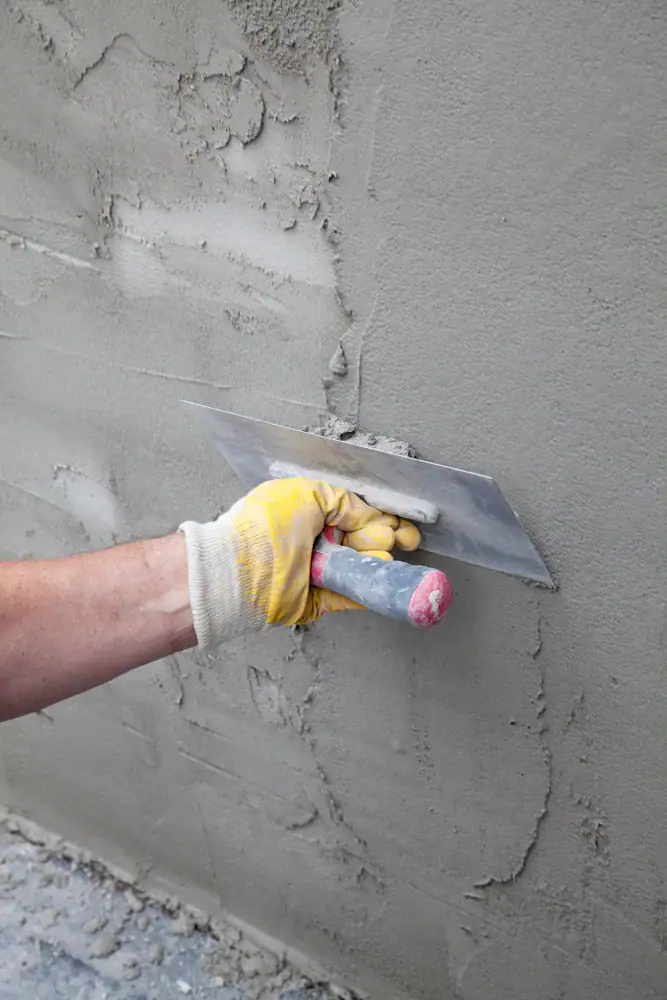
Our Concrete Repair Process Explained
First, we assess the damage. Not just the crack you can see, but what’s causing it—whether that’s settling, water intrusion, or surface deterioration. This tells us if you need epoxy concrete repair, foundation stabilization, or a full resurfacing job.
Next comes surface prep. This isn’t optional. We shot-blast or diamond-grind the concrete to remove weak material, contaminants, and anything that would prevent proper bonding. If there’s moisture in the slab, we address it before any repair material goes down. Skipping this step is why most DIY repairs fail within a year.
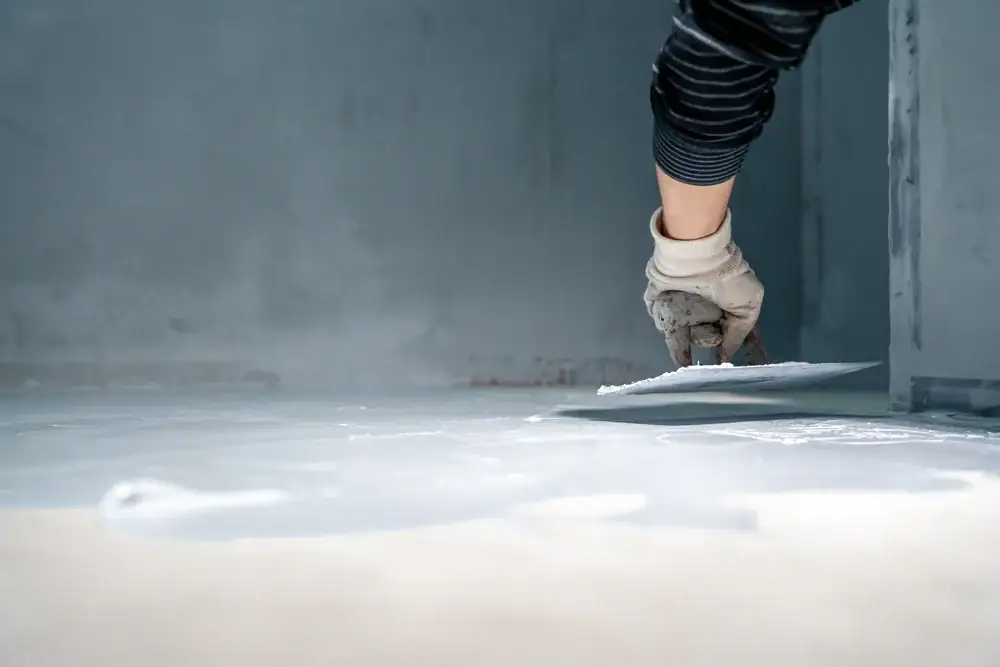
Then we apply the repair system—polyurethane or epoxy injection for cracks, leveling compounds for uneven slabs, or chemical-resistant topcoats for floors that take a beating. The materials we use are the same ones specified for industrial facilities and municipal projects. They’re designed to handle Florida’s heat, humidity, and salt exposure without breaking down.
Finally, we let it cure properly. Depending on the system, you’re looking at 24 to 48 hours before full use. Some projects move faster, but we don’t rush the cure time just to close out a job. You’ll know exactly what to expect before we start, and we’ll walk you through any maintenance that helps the repair last longer.
Ready to get started?
Concrete Floor Repair and Foundation Services
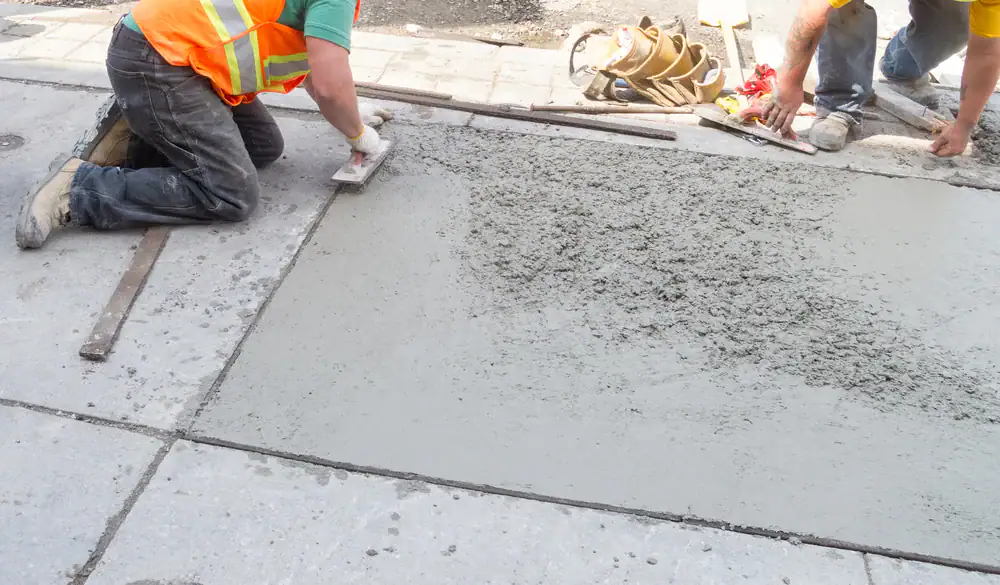
We handle concrete step repair, concrete driveway crack repair, pool deck restoration, and concrete slab repair. If it’s a concrete surface that’s cracked, settled, or deteriorating, we’ve fixed it before. That includes residential driveways, commercial warehouse floors, municipal sidewalks, and industrial facilities where downtime costs money.
Port St. Lucie sits close enough to the coast that salt air accelerates concrete corrosion. Add in the heat—concrete surfaces here regularly hit 140 to 158 degrees—and you’ve got expansion, contraction, and surface breakdown happening faster than in most of the country. Our cement repair systems account for that. We use moisture-resistant epoxies, chemical-resistant topcoats, and proper joint filling to handle the movement and environmental exposure your concrete faces.
You’re also getting transparent pricing and a direct line to the people doing the work. No subcontractors. No runaround. We’ll tell you if a repair makes sense or if you’re better off resurfacing the whole area. Some concrete foundation contractors will sell you on a full replacement when a targeted repair would solve the problem for a fraction of the cost. We’re not interested in overselling—we’re interested in fixing it right so you don’t call us back in two years.
If you need concrete stair repair, concrete sidewalk repair, or concrete slab crack repair, the process is the same: assess the cause, prep the surface correctly, and use materials that match the job. Florida’s tough on concrete, but the right repair holds up.
How long does concrete crack repair last in Port St. Lucie’s climate?
If it’s done right, it lasts as long as the surrounding concrete. The key is using materials designed for Florida’s humidity and heat, not the cheap epoxy kits you’ll find at a home improvement store.
Those DIY products fail in two to three years because they can’t handle moisture cycling and thermal expansion. Professional-grade polyurethane and epoxy injection systems bond at the molecular level and flex with the concrete as it moves. We’ve seen repairs we did a decade ago still holding up under heavy use because the prep work and material quality were both done to commercial standards.
The other factor is surface prep. If the crack isn’t cleaned out properly or if there’s moisture in the slab, even the best materials won’t bond. That’s why we shot-blast or grind the surface before any repair goes down. It’s not the fast way, but it’s the way that lasts.
Can you repair concrete foundation cracks, or do I need a full replacement?
Most foundation cracks can be repaired. Full replacement is rarely necessary unless there’s been major structural failure or the foundation has shifted beyond what stabilization can fix.
Concrete foundation repair typically involves epoxy or polyurethane injection to fill the crack and restore structural integrity. If the crack is caused by settling or soil movement, we’ll address that first—otherwise, you’re just patching a symptom. In Port St. Lucie, a lot of foundation issues come from water intrusion and soil expansion during the rainy season, which puts pressure on the slab.
We assess whether the crack is active (still moving) or dormant. Active cracks need a flexible repair system that can handle movement. Dormant cracks can be sealed with rigid epoxy. Either way, the goal is to stop water from getting in and prevent further deterioration. If you catch it early, a targeted repair costs a fraction of what a replacement would run and solves the problem permanently.
What’s the difference between epoxy and polyurethane for concrete repair?
Epoxy is rigid and incredibly strong. It’s ideal for structural repairs where you need to bond concrete back together and restore load-bearing capacity. It works well for dormant cracks that aren’t moving and for applications where you need a hard, durable surface.
Polyurethane is flexible. It expands as it cures, which makes it better for active cracks or areas where there’s ongoing movement. It’s also more forgiving in high-moisture environments because it can displace water as it fills the crack. In Florida, where concrete moves with temperature swings and humidity, polyurethane is often the better choice for foundation and slab repairs.
We use both depending on what the concrete needs. If you’ve got a crack in a driveway that’s still shifting, polyurethane keeps it sealed without cracking again. If you’ve got a floor that needs structural reinforcement, epoxy gives you the strength. The material matters, but so does diagnosing the problem correctly in the first place.
How much does concrete driveway crack repair cost in Port St. Lucie?
It depends on the size of the crack, the cause, and whether the surrounding concrete is stable. Small hairline cracks might run a few hundred dollars. Larger structural cracks that require injection and surface prep cost more, but you’re still looking at a fraction of what a full driveway replacement would run.
The real cost comes from ignoring it. A crack that starts small lets water underneath, which erodes the base and causes more settling. That small crack turns into a sunken slab, which turns into a full replacement job. Fixing it early is always cheaper.
We give transparent pricing after we assess the damage. No surprise fees, no upselling. You’ll know what it costs and why before we start. If a repair doesn’t make sense and you’re better off resurfacing, we’ll tell you that too. The goal is to fix the problem in a way that makes sense for your property and your budget.
Do you offer emergency concrete repair services in Port St. Lucie?
Yes. We offer 24 to 48-hour turnaround for urgent projects, including commercial floors that can’t afford downtime and residential repairs that create safety hazards.
If you’ve got a trip hazard on your sidewalk, a foundation crack that’s letting water into your home, or a commercial floor that’s failing and affecting operations, we move fast. Emergency concrete repair doesn’t mean we skip steps—it means we prioritize your project and get a crew on-site quickly.
Florida’s weather doesn’t wait, and neither should your repair. A crack that’s letting water in during rainy season can cause serious damage in a short time. We’ve handled emergency calls for municipal projects, military facilities, and commercial properties where delays cost money. If it’s urgent, we treat it that way.
Will repaired concrete look different from the rest of my driveway or floor?
It depends on the repair and the finish you want. Structural crack repairs are about function first—stopping the damage and restoring integrity. The repair material might be visible, especially if it’s an epoxy fill in a colored or stamped concrete surface.
If appearance matters, we can resurface the entire area after the repair to create a uniform look. Concrete resurfacing, decorative staining, or a polished finish can make the whole surface look new while covering any visible repair lines. For driveways and patios, this is often the best option if you want a seamless result.
For floors in garages or commercial spaces, most people care more about durability than aesthetics. The repair will be clean and professional, but it’s not going to disappear completely unless we’re doing a full overlay or coating system. We’ll walk you through the options and show you what the finished result will look like before we start.
Other Services we provide in Port St. Lucie
Leave a Reply