


Concrete Repair in Princeton, FL
Concrete That Stays Fixed in Florida’s Climate
Hear from Our Customers
Professional Concrete Repair Services Near Princeton
Your concrete stops being a liability. No more tripping hazards in your parking lot. No more water pooling on your warehouse floor. No more cracks spreading across your driveway every rainy season.
When concrete gets repaired correctly the first time, you stop worrying about it. The surface is level. The cracks are sealed properly, not just covered up. Your property value holds instead of dropping because the front entrance looks like it’s been neglected for years.
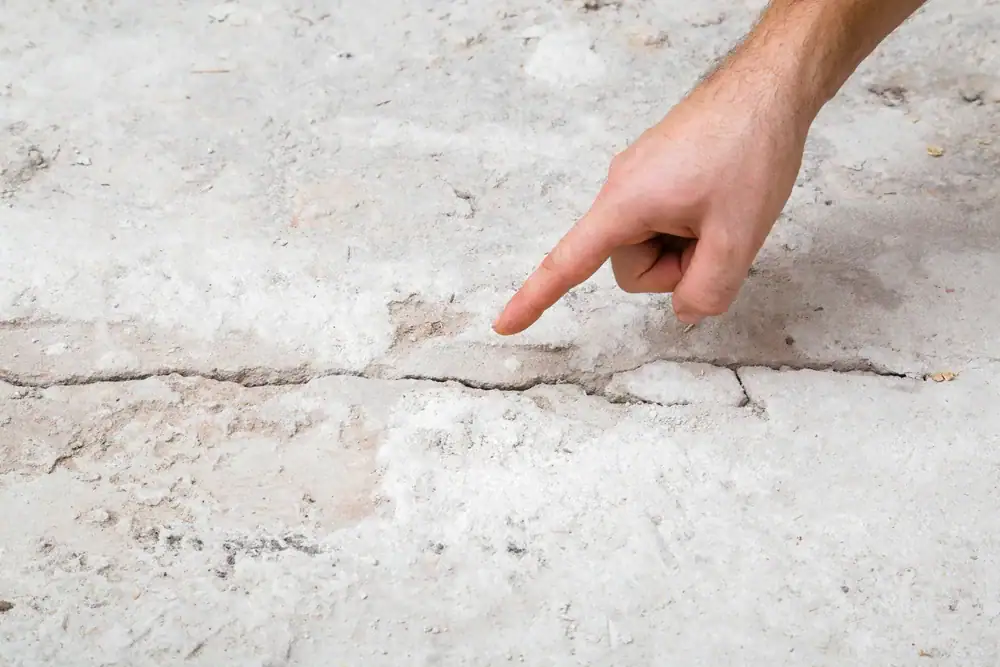
Florida’s climate destroys concrete faster than most places. Salt air rusts the rebar inside. Moisture gets into tiny cracks and expands them. What starts as a hairline fracture becomes a safety issue within months if you don’t address it right. Proper concrete repair means understanding how to prep the surface, which materials actually bond in humid conditions, and how to prevent the same problem from coming back next year.
Trusted Concrete Company Serving Princeton, FL
We’ve been repairing concrete across South Florida since 2020. We’ve handled projects for the U.S. Military, Coast Guard facilities, the City of Doral, and the City of Sunny Isles. If our work is trusted on government and municipal properties, it’ll hold up on yours.
We’re veteran-owned, and we don’t use subcontractors. Every person who shows up to your Princeton property is our full-time employee. That means you’re not getting someone’s cousin who watched a YouTube video—you’re getting trained professionals who’ve worked on everything from pool decks to industrial warehouse floors.
Princeton sits in an area where concrete takes a beating. Between the humidity, the occasional flooding, and the salt in the air, your concrete needs more than a quick patch job. It needs someone who understands how South Florida conditions affect long-term durability.
Our Concrete Repair Process in Princeton
We start with an honest assessment. You’ll get a 1-on-1 consultation where we look at the damage, explain what’s causing it, and tell you exactly what needs to happen. No upselling. No vague estimates.
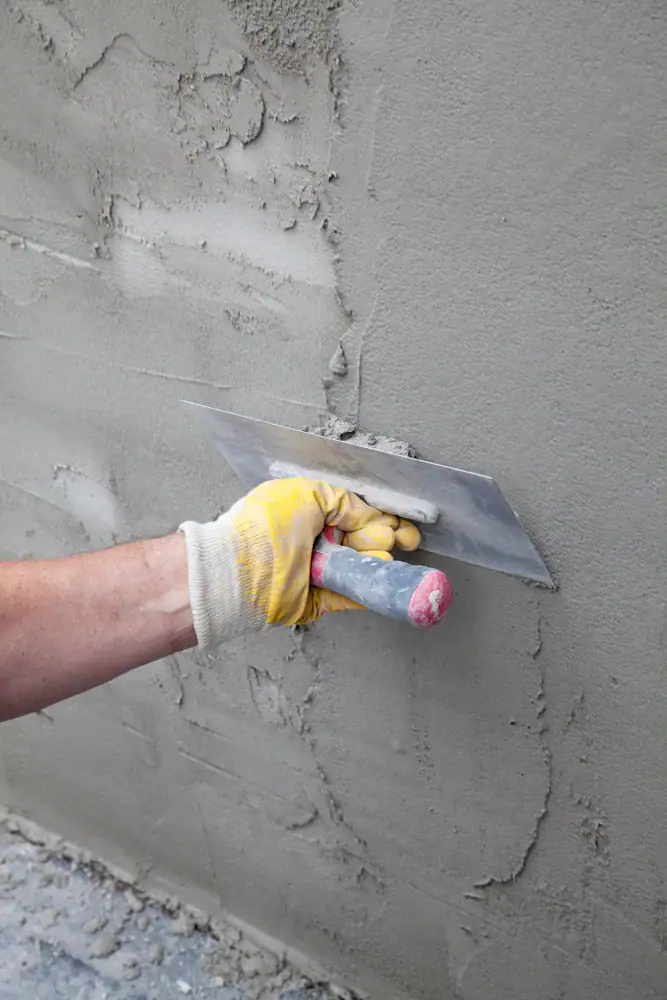
Once we’re on-site, we prep the concrete properly. That means shot-blasting or diamond grinding to remove any weak surface material. We repair every crack and imperfection before applying anything on top. If the foundation isn’t solid, nothing we put over it will last—so we make sure the foundation is solid.
Then we apply the repair materials. We use products from manufacturers like Sherwin Williams, Fosroc, and Laticrete—brands that are designed for Florida’s tough conditions. Depending on what your concrete needs, that might mean epoxy crack injection for structural repairs, resurfacing for worn-down areas, or a complete overlay for surfaces that are beyond simple patching.
Most projects are ready for foot traffic within 12 hours. Heavier equipment can usually go back on the surface within 72 hours. We work around your schedule because we know downtime costs you money.
Ready to get started?
Complete Concrete Foundation Repair in Princeton
You get full surface preparation. We don’t just slap a coating over damaged concrete and hope it sticks. We grind, blast, or scarify the surface depending on what the job requires. Every crack gets filled. Every uneven spot gets leveled.
You get materials that are rated for Florida’s climate. The products we use are specifically chosen because they bond in high humidity and resist the salt air that eats through cheaper alternatives. We’ve seen too many concrete repairs fail because someone used the wrong product to save a few bucks.
You also get a warranty that’s longer and broader than most concrete contractors offer. We stand behind our work because we know it’s going to hold up. And if you ever have a question after the job is done, you can call us directly. No runaround. No automated system. Just a real person who knows your project.
Princeton properties deal with unique challenges. The area’s proximity to wetlands means moisture is a constant issue. The soil shifts. The heat is relentless. We factor all of that into how we approach your concrete repair, because a one-size-fits-all method doesn’t work here.
How much does concrete driveway crack repair cost in Princeton, FL?
Most concrete crack repairs run between $3 and $7 per square foot, depending on how bad the damage is and what caused it. That’s significantly cheaper than tearing out and replacing the entire driveway, which can cost $20 to $30 per square foot.
The real cost comes down to what’s happening under the surface. If the cracks are just cosmetic, you’re looking at the lower end. If the foundation has shifted or there’s structural damage, the price goes up because we need to stabilize the base before we can repair the surface.
We give you a transparent estimate after we assess the damage. No hidden fees. No surprise charges when the job is done. You’ll know exactly what you’re paying for and why.
How long does concrete repair last in Florida’s humid climate?
If it’s done right, concrete repair should last 10 to 15 years minimum—even in Florida. The key is using materials that are designed for high moisture and salt exposure, and making sure the surface is prepped correctly before anything gets applied.
Most concrete repairs fail because contractors skip the prep work or use products that aren’t rated for coastal environments. Paint-based coatings peel off within a year. Cheap epoxy doesn’t bond properly in humidity. We use commercial-grade materials from manufacturers like Fosroc and Laticrete specifically because they’re engineered to handle South Florida conditions.
The other factor is addressing the root cause. If water is pooling because of poor drainage, we need to fix that—not just patch the cracks and hope they don’t come back. Proper repair means solving the problem, not covering it up.
Can you repair concrete foundation cracks, or do I need to replace it?
Most foundation cracks can be repaired without replacing the entire slab. We use epoxy injection for structural cracks, which bonds the concrete back together and restores its load-bearing capacity. For non-structural cracks, we use flexible sealants that move with the concrete as it expands and contracts.
Replacement is only necessary if the foundation has shifted so much that it’s no longer level, or if the damage is so extensive that repairing it would cost nearly as much as starting over. That’s rare. In most cases, a proper repair will stabilize the foundation and stop the cracks from spreading.
We’ll tell you honestly which option makes sense for your situation. If replacement is the better move, we’ll explain why. If repair will do the job, we’ll show you how we’ll make sure it lasts.
What’s the difference between concrete resurfacing and full replacement?
Resurfacing means applying a new layer over your existing concrete. It’s a good option when the surface is worn, stained, or has minor cracks, but the foundation underneath is still solid. You get a fresh, smooth surface without the cost or downtime of tearing everything out.
Full replacement is necessary when the concrete has major structural damage—like large sections that have sunk, widespread cracking, or a base that’s deteriorated beyond repair. Replacement costs three to four times more than resurfacing and takes longer to complete.
Most commercial and residential properties in Princeton can benefit from resurfacing. It’s faster, more affordable, and gives you a surface that looks brand new. We assess the foundation first to make sure resurfacing is the right call. If the base is compromised, we’ll let you know before we start.
Do you repair pool concrete and deck surfaces in Princeton?
Yes. Pool decks take more abuse than almost any other concrete surface. They’re constantly exposed to water, chlorine, and Florida’s sun. Cracks and uneven surfaces around pools aren’t just ugly—they’re safety hazards.
We repair pool concrete using materials that are slip-resistant and rated for constant moisture exposure. If the deck has settled or pulled away from the pool coping, we can level it and re-bond it. If the surface is just worn and rough, we can resurface it with a decorative overlay that looks better and lasts longer than basic concrete.
Most pool deck repairs are done in one to two days, and you can usually have people back on the surface within 24 hours. We work with your schedule because we know you don’t want your pool area shut down for a week.
How soon can I use my concrete after it’s been repaired?
For most repairs, you can walk on the surface within 12 hours. Light foot traffic is fine at that point. If you need to drive on it or put heavy equipment back on the concrete, you’re usually looking at 48 to 72 hours depending on the materials we used.
We’ll give you a specific timeline based on your project. Some epoxy systems cure faster than others. Some resurfacing products need a full 24 hours before any traffic. We don’t rush the cure time because that’s how repairs fail—someone walks on it too soon, and the bond doesn’t set properly.
If you need a faster turnaround, let us know during the consultation. We have rapid-cure options for emergency repairs or situations where downtime needs to be minimized. We’ve completed residential kitchen floors in 24 to 48 hours when timing was critical.
Other Services we provide in Princeton
Leave a Reply