


Concrete Repair in River Park, FL
Concrete That Holds Up to Florida’s Climate
Hear from Our Customers
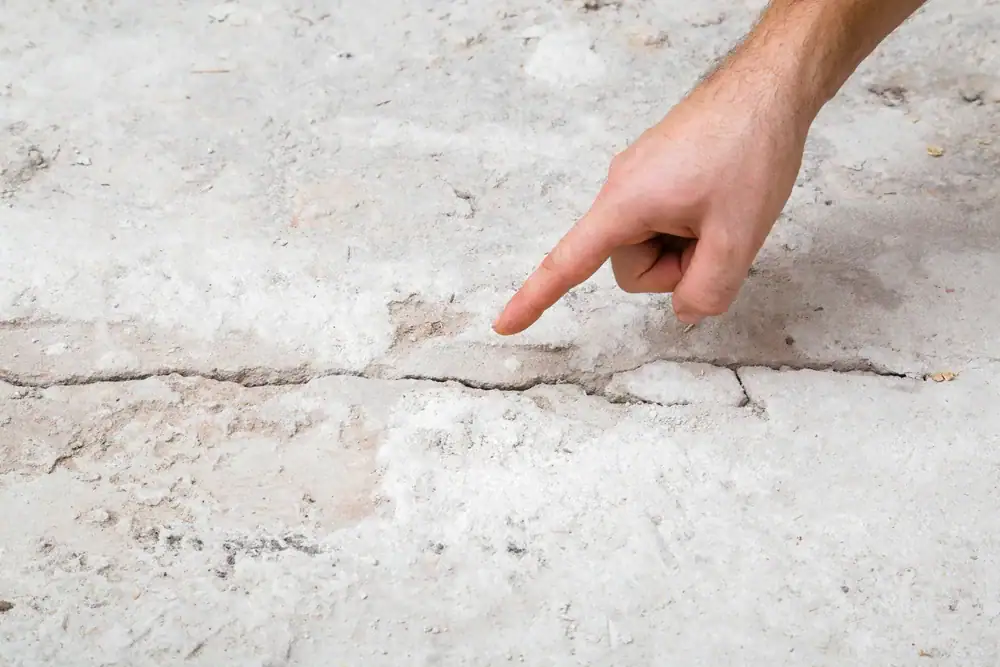
Concrete Crack Repair River Park
You’ve probably noticed the cracks spreading across your driveway or the uneven sections in your warehouse floor. That’s not poor construction. That’s Florida doing what Florida does—heat, humidity, and sandy soil working against concrete every single day.
Most concrete repair jobs fail within two to three years because they don’t account for moisture intrusion or soil movement. You end up paying again. And again.
When the repair is done right, you’re looking at ten-plus years of durability. That means using moisture-resistant materials designed for South Florida’s climate, not generic products that work fine in Arizona but fail here. It means proper surface preparation—shot-blasting, diamond grinding, addressing the actual damage before anything gets sealed. You stop the cycle of constant maintenance and start protecting your investment.
Concrete Foundation Repair River Park
We’ve been handling concrete and epoxy work across South Florida since 2020. We’ve worked with the Coast Guard, US Army, City of Doral, City of Sunny Isles, and county projects throughout the region. That’s not name-dropping—it’s proof that when structural integrity matters, we get the call.
We’re veteran-owned, which means we operate with accountability and follow-through. No subcontractors. No runaround. Everything is done in-house by our full-time team, so you’re dealing with the people actually doing the work.
River Park’s proximity to water and the sandy soil conditions here create specific challenges for concrete. We’ve seen it all—foundation cracks from settlement, pool deck spalling from salt and moisture, warehouse floors failing under load because the base wasn’t prepared correctly. We know what works in this environment because we’ve been repairing it for years.
Concrete Floor Repair Process
First, we assess the damage. Not just what you can see on the surface, but what’s causing it—soil settlement, moisture intrusion, structural movement. You get a free consultation where we walk the site, explain what’s happening, and give you a transparent recommendation.
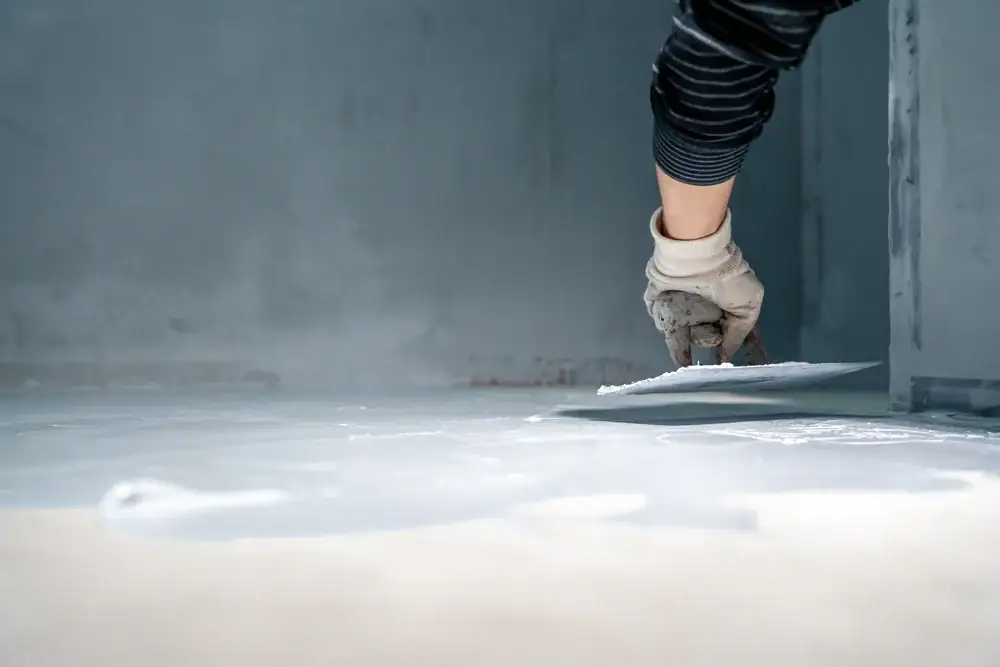
Next comes surface preparation. This is where most companies cut corners, and it’s why their repairs fail. We use shot-blasting, diamond grinding, or scarifying depending on the surface condition. We remove weak concrete, clean out cracks, and create a profile that allows the repair material to bond properly. If the foundation is compromised, we address that before moving forward.
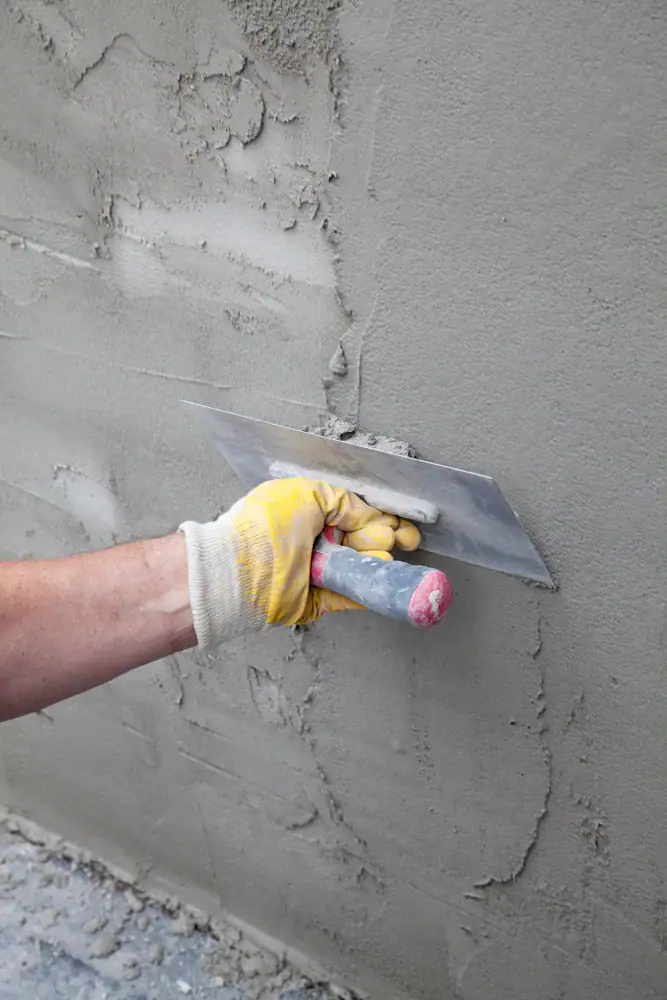
Then we apply the repair—epoxy injections for structural cracks, polymer-modified overlays for resurfacing, leveling compounds for uneven slabs. We use commercial-grade products from manufacturers like Laticrete, Fosroc, and Carboline. These aren’t consumer products. They’re designed for industrial and government projects where failure isn’t an option.
Finally, we finish and seal. Depending on your needs, that might mean a decorative stain, a polished surface, or a protective epoxy coating. You get a warranty that’s longer and broader than most commercial concrete contractors offer, and we schedule follow-up calls to make sure everything is holding up.
Ready to get started?
Epoxy Concrete Repair Services
You’re getting a full-scope repair, not a patch job. That includes complete surface preparation, crack repair using polyurethane or epoxy injections, concrete resurfacing or leveling where needed, and protective coatings designed to resist Florida’s moisture and temperature swings.
River Park sits in an area where soil conditions and water proximity create constant pressure on concrete structures. Your driveway might have visible cracks from settlement. Your pool deck could be spalling because saltwater and humidity are corroding the rebar underneath. Your commercial floor might have uneven sections causing safety concerns and equipment issues.
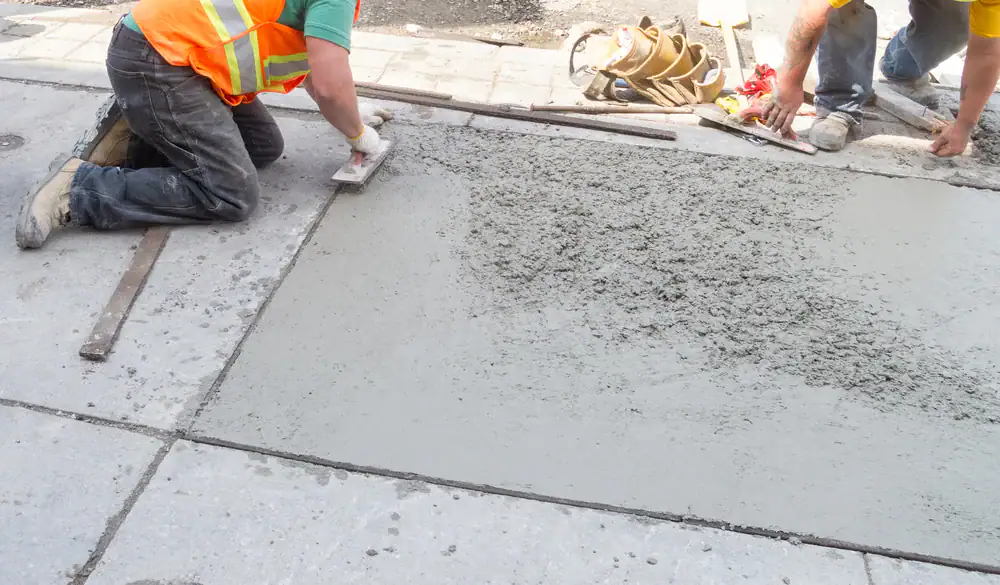
We handle concrete step repair, sidewalk leveling, foundation crack repair, and slab restoration for both residential and commercial properties. If you need emergency work—say, a kitchen floor that failed and needs a 24 to 48-hour turnaround—we can move fast without sacrificing quality.
You also get direct coordination with our team. We work around your schedule to minimize disruption, whether that’s a homeowner who needs access to their driveway or a business that can’t shut down operations during the day. And because we’re not using subcontractors, the people you talk to during the consultation are the same people on-site doing the work.
How long does concrete repair actually last in River Park’s climate?
If the repair is done correctly, you’re looking at ten years or more. If it’s done poorly, you’ll see failure in two to three years—sometimes sooner.
The difference comes down to preparation and materials. Florida’s heat and humidity cause concrete to expand and contract. Sandy soil shifts, especially after heavy rain. If the surface isn’t properly cleaned and profiled before the repair material is applied, it won’t bond. If the repair product isn’t designed to handle moisture, it’ll delaminate or crack under pressure.
We use polymer-modified repair materials that are 45% more durable than conventional concrete. We prepare the surface with shot-blasting or diamond grinding to create a mechanical bond. And we address the root cause—whether that’s soil settlement, drainage issues, or structural movement—so the repair doesn’t just cover the problem temporarily.
What causes concrete cracks to keep coming back after repair?
Usually, it’s because the original repair didn’t address what caused the crack in the first place. Concrete doesn’t crack randomly. Something is moving, settling, or putting pressure on it.
In River Park, sandy soil is a major factor. It shifts under the weight of the slab, especially when saturated from summer storms. If the soil isn’t stabilized or the crack isn’t filled with a flexible material that can handle movement, the crack just reopens. Moisture intrusion is another issue—water gets into the crack, corrodes the rebar, creates internal pressure, and causes spalling or further cracking.
We use epoxy or polyurethane injections depending on whether the crack is structural or non-structural. Epoxy bonds the concrete back together for load-bearing cracks. Polyurethane is flexible and expands to seal out water for cracks that are moving slightly due to soil conditions. Both methods stop the crack from spreading if the underlying issue is addressed.
Can you repair pool deck concrete that’s flaking or uneven?
Yes. Pool deck concrete takes a beating in South Florida—constant moisture, salt, UV exposure, and freeze-thaw cycles if you’re using certain chemicals. Spalling and surface deterioration are common, especially if the concrete wasn’t sealed properly or if the rebar underneath is corroding.
We start by removing any loose or damaged concrete. If the rebar is exposed and rusted, we treat it to prevent further corrosion. Then we resurface the deck using a polymer-modified overlay that bonds to the existing concrete and resists moisture intrusion. Depending on your preference, we can add a decorative finish, apply a slip-resistant coating, or polish it for a cleaner look.
The key is using materials that are designed for wet environments. Standard concrete repair products will fail on a pool deck because they can’t handle constant water exposure. We use commercial-grade products from manufacturers like Laticrete and NeoGard that are formulated specifically for this kind of application.
How much does concrete foundation repair cost in River Park?
It depends on the extent of the damage, the size of the area, and what’s causing the foundation to crack. Minor crack repairs might run a few hundred dollars. Significant foundation work involving soil stabilization, structural crack injection, and resurfacing can run into the thousands.
We don’t give cookie-cutter estimates because every foundation issue is different. A hairline crack in a garage slab is not the same as a structural crack in a load-bearing wall. Sandy soil settlement requires a different approach than a crack caused by tree roots or plumbing leaks.
We offer free consultations where we assess the damage, explain what’s happening, and give you a transparent price based on the actual scope of work. No surprises. No upselling. You’ll know exactly what you’re paying for and why it’s necessary. And because we’ve worked on government and military projects, our pricing reflects real-world durability and accountability—not the cheapest option that fails in two years.
Do you offer emergency concrete repair services?
Yes. If you’ve got a concrete floor that failed and needs immediate attention—say, a commercial kitchen that can’t operate or a warehouse with a safety hazard—we can move fast. We’ve done 24 to 48-hour turnarounds for emergency situations.
Speed doesn’t mean we skip steps. We still do the surface preparation, use the right materials, and make sure the repair holds up. The difference is in scheduling and crew coordination. We prioritize your project, work extended hours if needed, and get you back to normal operations as quickly as possible.
Emergency work is common in commercial and industrial settings where downtime costs money. A failed floor in a restaurant means lost revenue every hour it’s closed. A cracked loading dock in a warehouse creates liability issues and delays shipments. We understand the urgency, and we respond accordingly. Call us, explain the situation, and we’ll let you know if we can accommodate the timeline.
What’s the difference between epoxy and polyurethane for crack repair?
Epoxy is rigid and strong—it’s used for structural cracks where you need to bond the concrete back together and restore load-bearing capacity. Once it cures, it’s harder than the concrete itself. If the crack is stable and not moving, epoxy is the right choice.
Polyurethane is flexible and waterproof—it’s used for cracks that are moving slightly due to soil settlement or thermal expansion. It expands as it cures, filling the crack completely and sealing out water. If the crack is in a foundation wall, a slab on grade, or anywhere moisture intrusion is a concern, polyurethane is usually the better option.
In River Park, we see a lot of cracks caused by sandy soil movement and water pressure. Polyurethane handles those conditions better because it can flex without breaking the bond. But if you’ve got a structural crack in a beam or column, epoxy is necessary to restore integrity. We assess the crack during the consultation and recommend the right material based on what’s actually happening—not what’s easier or cheaper for us to install.
Other Services we provide in River Park
Leave a Reply