


Concrete Repair in South Bay, FL
Concrete That Lasts 15+ Years in Florida’s Climate
Hear from Our Customers
Concrete Crack Repair South Bay
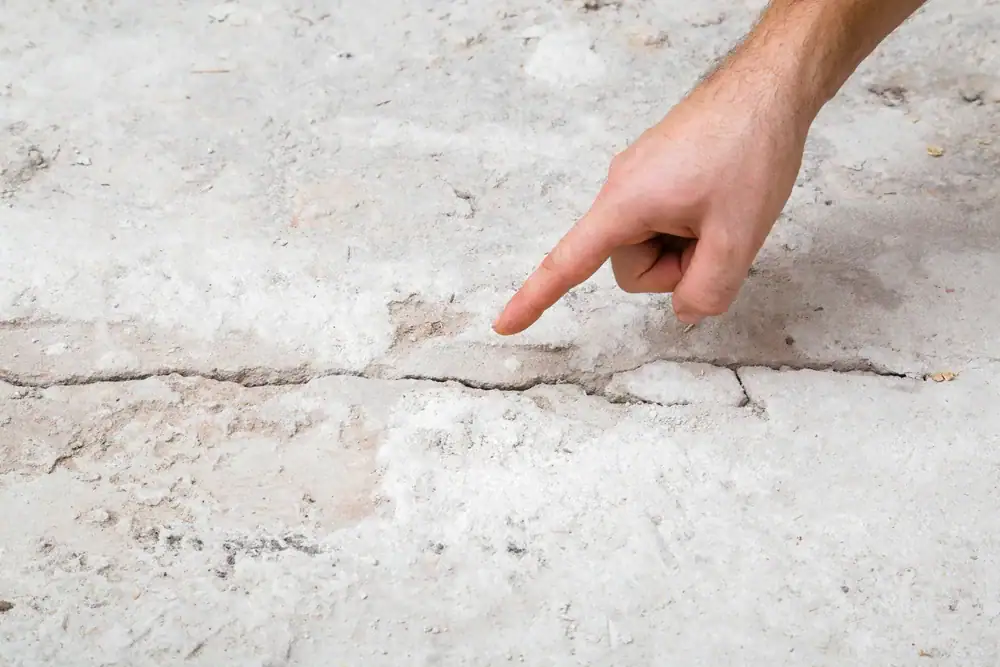
That hairline crack in your driveway isn’t staying small. Florida’s humidity creeps through microscopic pores. Summer storms dump water into those openings. The sun heats everything up, concrete expands, and suddenly you’re looking at a repair bill that’s jumped from a few hundred dollars to several thousand.
Concrete repair done right means you’re not patching the same spot every two years. When we repair concrete foundation issues, fix pool deck spalling, or resurface your garage floor, we’re using epoxy and resin systems that actually bond to the substrate and flex with Florida’s temperature swings. The materials we use come from manufacturers like Laticrete, Koster USA, and Flowcrete—companies that engineer products specifically for coastal climates.
You get a surface that handles salt air corrosion, resists moisture penetration, and doesn’t crack apart when the next hurricane rolls through. Most importantly, you’re done worrying about it for the next 15 to 20 years. That’s what properly installed concrete resurfacing delivers in South Bay when the right materials meet the right installation process.
Concrete Company South Bay FL
SPF Industrial has been repairing and resurfacing concrete in South Bay since 2020. We’ve earned contracts with the U.S. Coast Guard, the U.S. Army, the City of Doral, and the City of Sunny Isles Beach. When government agencies are choosing who handles their concrete work, they’re not picking the cheapest bid—they’re picking the contractor who can deliver long-term performance and meet strict specifications.
We’re a veteran-owned concrete company that specializes exclusively in epoxy flooring, resin systems, and polished concrete. We don’t install tile or wood flooring. We don’t do basic handyman work. We do one thing, and we do it at a level that meets military and municipal standards.
That same level of work is what you get when we repair your driveway, fix your pool deck, or resurface your commercial warehouse floor. South Bay properties face constant exposure to moisture and salt—your concrete needs more than a quick patch job. It needs a repair system engineered for this exact environment.
Epoxy Concrete Repair Process
First, we assess the damage. Not every crack needs the same fix. Hairline cracks from minor settling get treated differently than structural cracks caused by foundation movement or water intrusion. We’re looking at what caused the damage in the first place—because if we don’t address the root cause, you’ll be calling someone back in six months.
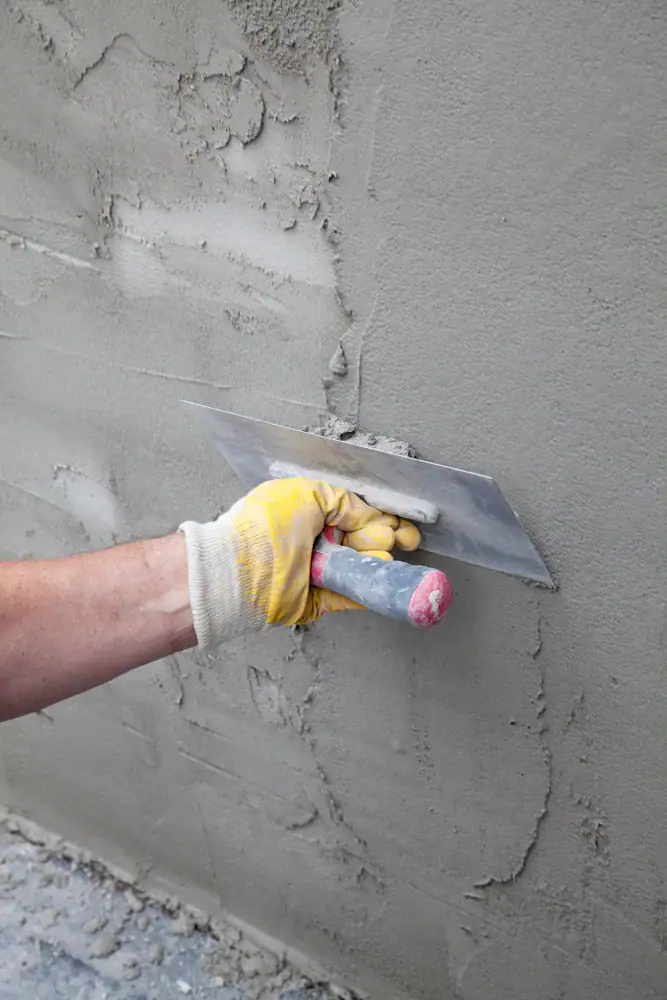
Next, we prep the surface. This means routing out cracks, removing any loose or spalling concrete, and cleaning the area down to sound substrate. If there’s moisture trapped underneath, we deal with that before any repair material goes down. Skipping this step is why most DIY repairs and cheap contractor jobs fail within a year.
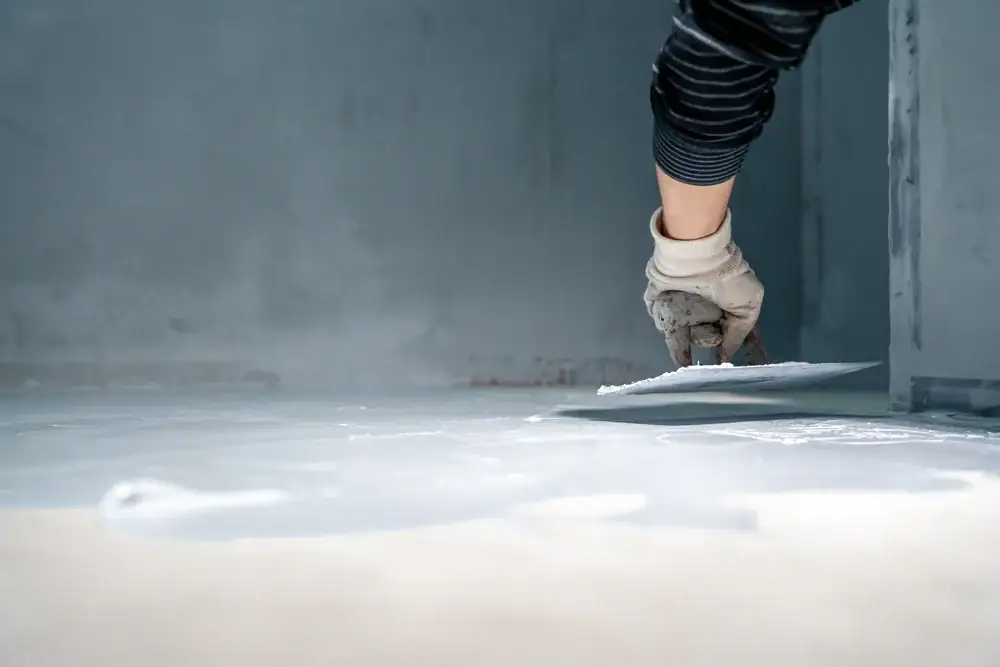
Then we apply the repair system. For concrete crack repair, that usually means epoxy injection or polyurea filling, depending on crack width and location. For larger areas—like pool concrete repair or concrete driveway resurfacing—we’re using multi-layer resin systems that bond to the existing slab and create a new wear surface. These aren’t coatings that peel off. They’re chemically bonded systems that become part of the concrete structure.
Finally, we finish and cure everything properly. Depending on the system, you’re looking at 24 to 48 hours before the surface is ready for traffic. For commercial concrete floor repair, we can work in phases so you’re not shut down for days. The end result is a surface that looks clean, performs under stress, and holds up to Florida weather without constant maintenance.
Ready to get started?
Concrete Foundation Repair South Bay
When you’re dealing with concrete foundation repair in South Bay, you need someone who understands how coastal soil and water tables affect structural stability. Foundation cracks aren’t just cosmetic. They’re often the result of settling, hydrostatic pressure, or erosion underneath the slab. We identify whether you’re looking at a surface issue or something that requires underpinning and structural reinforcement.
For concrete step repair and concrete stair repair, safety is the priority. Cracked or spalling steps create trip hazards and liability issues. We remove deteriorated material, rebuild the structure if needed, and apply slip-resistant epoxy or resin toppings that hold up to foot traffic and weather exposure. If you’re managing a commercial property or a condo building, this kind of repair work protects you from injury claims and keeps your property looking maintained.
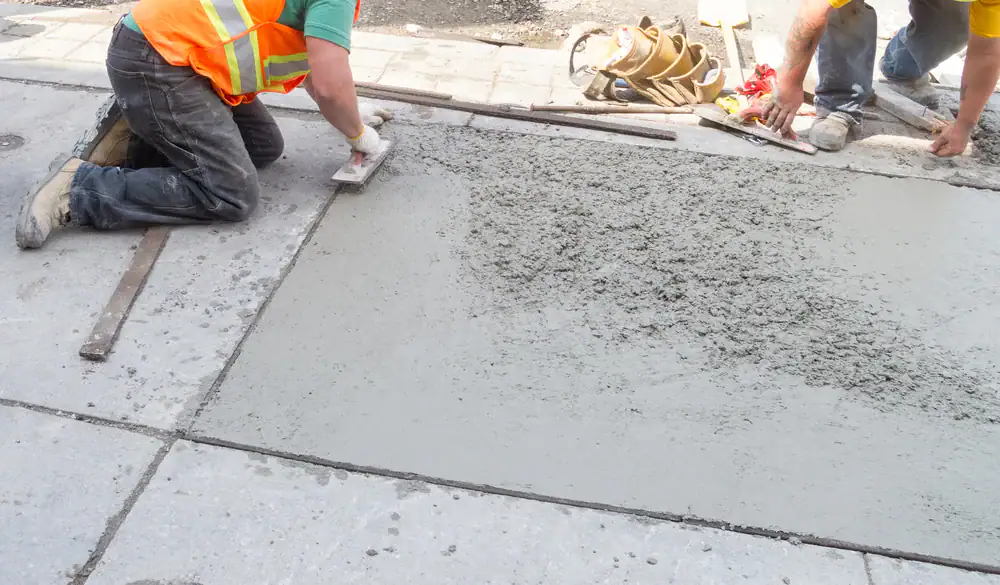
Concrete sidewalk repair and concrete slab repair often involve leveling as well as crack filling. We use polyurethane foam injection when sections have sunk due to soil erosion—it’s faster and less invasive than mudjacking, and it doesn’t add weight to already compromised soil. Once everything is level, we seal and resurface to prevent water intrusion and further deterioration.
For pool concrete repair, you’re dealing with constant water exposure, chlorine, and UV damage. Standard cement patching doesn’t hold up. We use waterproof epoxy systems and polyaspartic coatings that resist chemical damage and bond permanently to pool decks, coping, and surrounding concrete. The result is a surface that doesn’t flake, crack, or stain—even under South Bay’s intense sun and summer storms.
How much does concrete crack repair cost in South Bay, FL?
Concrete crack repair costs depend on the size, location, and cause of the crack. Minor hairline cracks typically run between $0.10 and $0.15 per linear foot to fill and seal. Larger structural cracks that require routing, epoxy injection, and reinforcement can cost anywhere from $3 to $8 per linear foot depending on depth and access.
If you’re looking at concrete slab repair or concrete driveway crack repair that involves leveling sunken sections, polyurethane foam injection usually costs between $5 and $25 per square foot. That’s significantly less than tearing out and replacing the slab, which runs $6 to $14 per square foot for removal and repour—and that doesn’t include the downtime or the mess.
For concrete foundation repair, costs vary widely based on whether you need simple crack sealing or full structural reinforcement with piers and underpinning. A straightforward foundation crack repair might cost a few hundred dollars. A foundation that’s actively settling and needs stabilization can run several thousand. The key is catching problems early before minor cracks turn into major structural issues that require expensive emergency repairs.
How long does epoxy concrete repair last in Florida’s climate?
Professionally installed epoxy concrete repair lasts 15 to 20 years in South Bay when the right materials and prep work are used. That lifespan assumes the repair was done correctly—meaning the surface was properly cleaned, moisture issues were addressed, and the epoxy system was chosen specifically for Florida’s coastal environment.
Cheap epoxy coatings you buy at a hardware store might last two to three years before they start peeling or yellowing. The difference comes down to material quality and surface preparation. We use commercial-grade epoxy and polyaspartic systems from manufacturers like Advanced Polymer Technology and Carboline. These products are engineered to resist UV damage, moisture penetration, and thermal expansion—all the things that destroy standard concrete coatings in Florida.
The other factor is what’s happening underneath the concrete. If you have ongoing foundation movement, water intrusion, or soil erosion, no surface repair is going to last. That’s why we assess the root cause before we start any repair work. Fixing the symptom without addressing the underlying problem just means you’ll be paying for the same repair again in a year or two.
Can you repair concrete pool decks without replacing the whole surface?
Yes. Most concrete pool deck damage can be repaired without full replacement, as long as the underlying slab is still structurally sound. If you’re dealing with surface spalling, minor cracks, or discoloration from chlorine and sun exposure, a resurfacing system is usually the right move. We remove any loose or damaged material, repair cracks with epoxy or polyurea, and then apply a new wear surface using resin-based overlays.
These overlays bond directly to the existing concrete and create a waterproof, slip-resistant surface that holds up to pool chemicals and UV exposure. You’re looking at a fraction of the cost of demolition and replacement, and the project typically takes two to three days instead of two to three weeks. For most homeowners in South Bay, that means you’re back to using your pool the same week instead of losing half your summer to construction.
If the slab has major structural issues—like large sections that have sunk due to soil erosion or extensive cracking from foundation movement—then you might need more than resurfacing. In those cases, we’ll use foam injection to lift and level the slab before we resurface. That gives you a stable base and prevents future cracking. The goal is always to save what can be saved and only replace what’s truly beyond repair.
What’s the difference between concrete resurfacing and concrete replacement?
Concrete resurfacing means applying a new layer over the existing slab. Concrete replacement means tearing out the old slab and pouring a new one. Resurfacing works when the underlying concrete is still structurally sound but the surface is damaged, stained, or worn. Replacement is necessary when the slab has major structural failure, extensive cracking, or severe foundation issues that can’t be stabilized.
Resurfacing costs significantly less—usually $3 to $8 per square foot depending on the system used. Replacement costs $6 to $14 per square foot, plus you’re dealing with demolition, hauling, and longer project timelines. Resurfacing also lets you upgrade the look and performance of your concrete. We can add slip-resistant textures, custom colors, or high-gloss polished finishes that you wouldn’t get with a basic concrete pour.
The key is knowing when resurfacing is appropriate and when it’s not. If your concrete driveway has a few cracks and surface wear, resurfacing makes sense. If half the driveway has sunk six inches and the soil underneath is washing away, you need to address the foundation issue first—and that might mean replacement in certain sections. We’ll tell you honestly what’s needed instead of pushing the most expensive option or the quickest fix that won’t last.
Do you offer emergency concrete repair in South Bay?
Yes. We handle emergency concrete repair for situations where damage creates immediate safety hazards or operational problems. That includes things like sudden foundation cracks that appear after a storm, concrete steps that have broken and created trip hazards, or commercial floors that have developed dangerous holes or spalling that can’t wait for a scheduled repair.
For emergency concrete repair, response time matters. We prioritize these calls and typically have someone on-site within 24 hours to assess the damage and start temporary stabilization if needed. Depending on the scope of the repair, we can often complete permanent fixes within 48 to 72 hours using fast-curing epoxy and resin systems.
If you’re a commercial property manager or business owner dealing with concrete damage that’s affecting operations or creating liability exposure, waiting weeks for a repair isn’t an option. We’ve worked with government facilities and municipal clients who need concrete floor repair done on tight timelines without shutting down entire buildings. That same level of responsiveness applies to residential clients dealing with urgent foundation or structural concrete issues. The goal is to get your property safe and functional as quickly as possible without cutting corners on quality.
Why do concrete repairs fail in Florida, and how do you prevent that?
Most concrete repairs fail in Florida because of moisture, improper surface prep, or using materials that aren’t designed for coastal climates. Concrete is porous. When humidity and water get underneath a repair coating or patch, they create pressure that eventually breaks the bond. Add in Florida’s heat cycles—concrete expanding during the day and contracting at night—and you get cracks and delamination within months.
We prevent failure by addressing moisture first. If there’s water coming up through the slab or draining into cracks, we identify the source and fix it before any repair material goes down. That might mean improving drainage, sealing foundation cracks from the exterior, or using moisture-mitigating primers under epoxy systems. Skipping this step is why DIY repairs and cheap contractor work don’t last.
Surface prep is the other critical factor. We’re not just sweeping off dirt and slapping down a coating. We’re grinding or shot-blasting the concrete to open up the pores, removing any contamination or weak surface material, and creating a profile that allows the repair system to bond mechanically and chemically. Then we’re using epoxy, polyurea, and resin products from manufacturers like Laticrete and Flowcrete—companies that engineer materials specifically for high-moisture, high-UV environments like South Bay. When the prep work is done right and the materials are chosen correctly, repairs hold up for 15 to 20 years instead of failing in two.
Other Services we provide in South Bay
Leave a Reply