


Concrete Repair in South Palm Beach, FL
Your Concrete Fixed Right the First Time
Hear from Our Customers
Concrete Crack Repair South Palm Beach
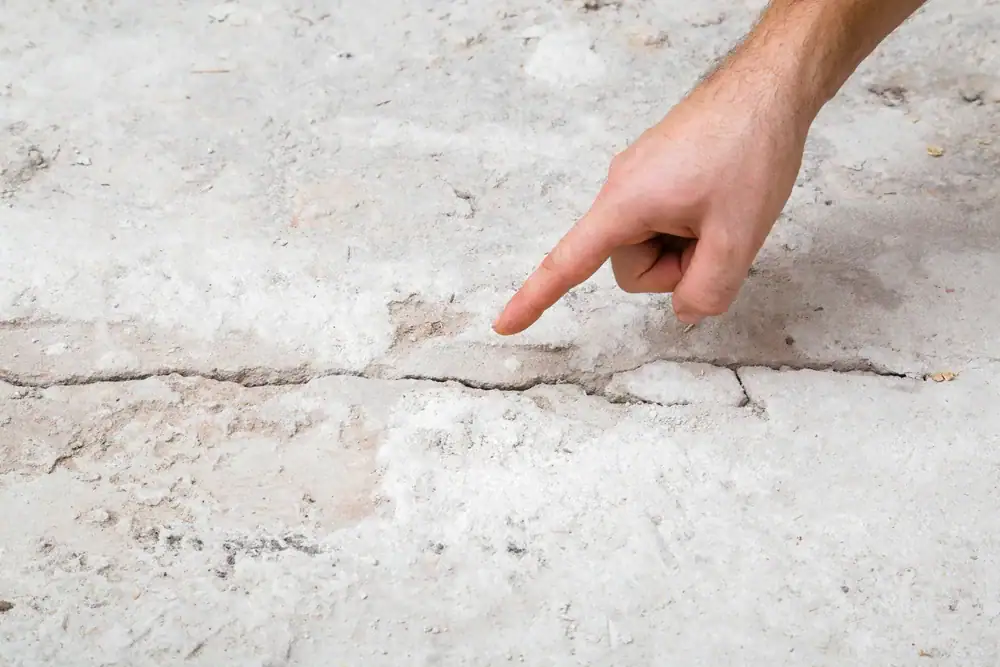
You’ve seen the cracks getting wider. Maybe you’ve watched a small chip turn into a chunk of missing concrete on your driveway or walkway. In South Palm Beach, salt air doesn’t just sit on the surface—it works its way in, corroding rebar and pushing concrete apart from the inside.
That’s not something you can ignore until next year. Every rain saturates it further. Every hot day expands it. And if you’re facing a building recertification inspection or trying to close on a property sale, you’re on a clock.
Concrete repair stops the damage where it is. It eliminates trip hazards before someone gets hurt. It brings your property into compliance without the cost or disruption of full replacement. And when it’s done right, using epoxy injection and resurfacing designed for Florida’s coastal environment, it holds up against the same conditions that caused the problem in the first place.
Concrete Repair Contractors South Palm Beach
We handle concrete restoration for properties throughout South Palm Beach and Palm Beach County. We’ve completed projects for the Coast Guard, US Army, City of Doral, City of Sunny Isles, and multiple county facilities—work that requires precision, accountability, and an understanding of Florida building codes.
We’re not a general contractor trying to do everything. We specialize in epoxy concrete repair, polished concrete, and resurfacing. That focus means we know exactly how salt air affects your foundation, how to prep surfaces in high humidity, and which materials actually last here.
When you call, you talk to us directly—not a call center. We show up when we say we will, give you transparent pricing during a one-on-one consultation, and if it’s urgent, we can turn most jobs around in 24 to 48 hours.
Concrete Foundation Repair Process Florida
First, we come out to look at the damage in person. We’re checking crack width, depth, whether there’s active water intrusion, and if the rebar underneath is compromised. That assessment tells us whether you need epoxy injection, surface resurfacing, or structural reinforcement.
Once we know what’s needed, we give you a clear price and timeline—no surprises later. If you’re dealing with a recertification deadline or a VA appraisal contingency, we prioritize scheduling to meet it.
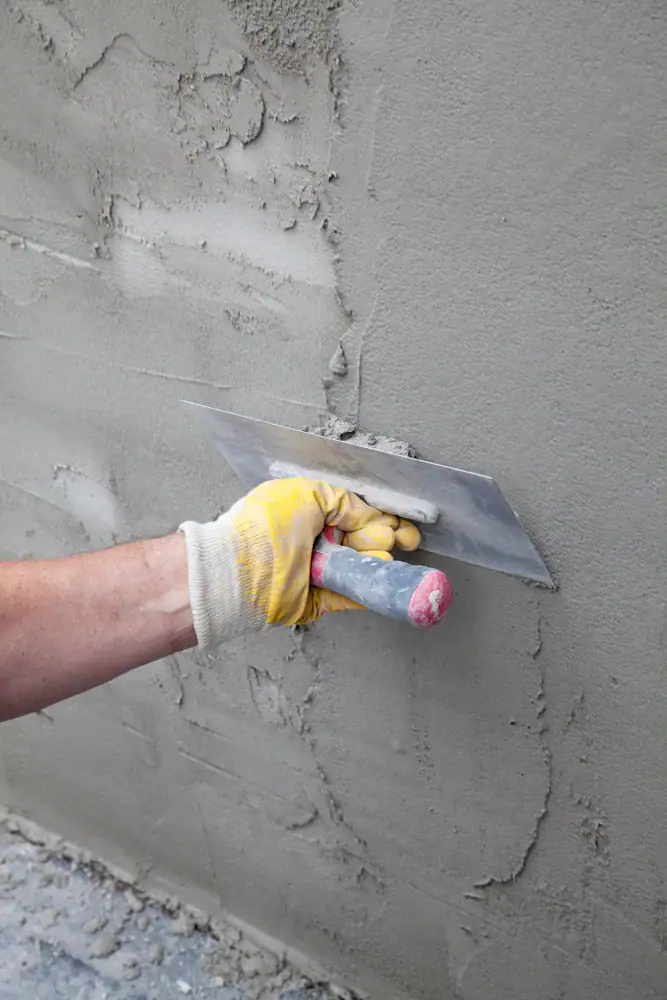
The actual repair depends on the issue. For concrete crack repair, we use epoxy or polyurethane injection to fill and seal from the inside out. For spalling or surface damage, we remove loose material, treat any exposed rebar, and resurface with high-performance cement or epoxy coating. For concrete slab repair or foundation work, we may need to stabilize, reinforce, or apply protective sealant to prevent future salt intrusion.
Most jobs finish in one to two days. You’re not waiting weeks or tearing up your entire driveway. We clean up completely, and the repair is ready for use faster than you’d expect.
Ready to get started?
Epoxy Concrete Repair South Palm Beach
We handle concrete driveway crack repair, concrete sidewalk repair, concrete step repair, pool deck restoration, and concrete floor repair for garages or commercial spaces. If it’s a concrete surface that’s cracked, sinking, spalling, or failing inspection, we fix it.
In South Palm Beach, most of the damage we see comes from chloride penetration—salt ions from ocean air that corrode the steel reinforcement inside your concrete. Once that rebar rusts, it expands and cracks the concrete from within. Surface repairs won’t stop it. You need epoxy injection to seal the crack, corrosion treatment on exposed steel, and often a protective coating or sealer to prevent it from happening again.
We use Sherwin Williams and Fosroc products because they’re designed for this exact environment. High-performance concrete mixes with low permeability. Epoxy systems that bond in humidity. Sealants that hold up to salt exposure and UV. This isn’t Home Depot cement patch—it’s the same material spec’d for military and municipal projects.
If you’re preparing for a milestone inspection, we know what the engineer is looking for. We document the work, provide material certifications if needed, and make sure the repair meets structural and safety standards. That’s especially important for buildings near the coast that are required to recertify every ten years under Florida law.
How much does concrete crack repair cost compared to replacing the concrete?
Professional concrete crack repair typically costs one-third to one-half what you’d pay for full replacement—sometimes less depending on the size and access. If you’re repairing a driveway, sidewalk, or patio, you’re looking at a fraction of the cost and a fraction of the time.
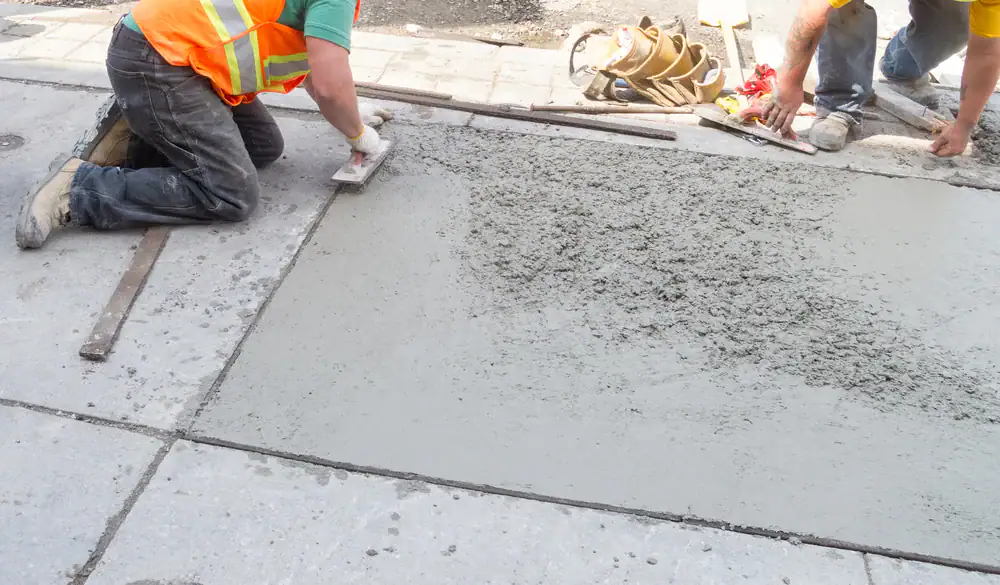
Replacement means demolition, hauling debris, regrading, pouring new concrete, and waiting days for it to cure before you can use it. Repair means we inject epoxy into the cracks, resurface if needed, and you’re back to normal in 24 to 48 hours in most cases. The cost difference is significant, especially when the underlying structure is still sound.
That said, if the concrete has sunk several inches, if there’s widespread undermining, or if more than 40% of the surface is damaged, replacement might make more sense. We’ll tell you honestly which route makes sense for your situation during the consultation.
Can you repair concrete that’s already been damaged by salt air?
Yes, and that’s most of what we do in South Palm Beach. Salt damage shows up as spalling, surface pitting, rust stains, or cracks that seem to appear out of nowhere. What’s happening underneath is that chloride ions are corroding the rebar, causing it to expand and break the concrete apart.
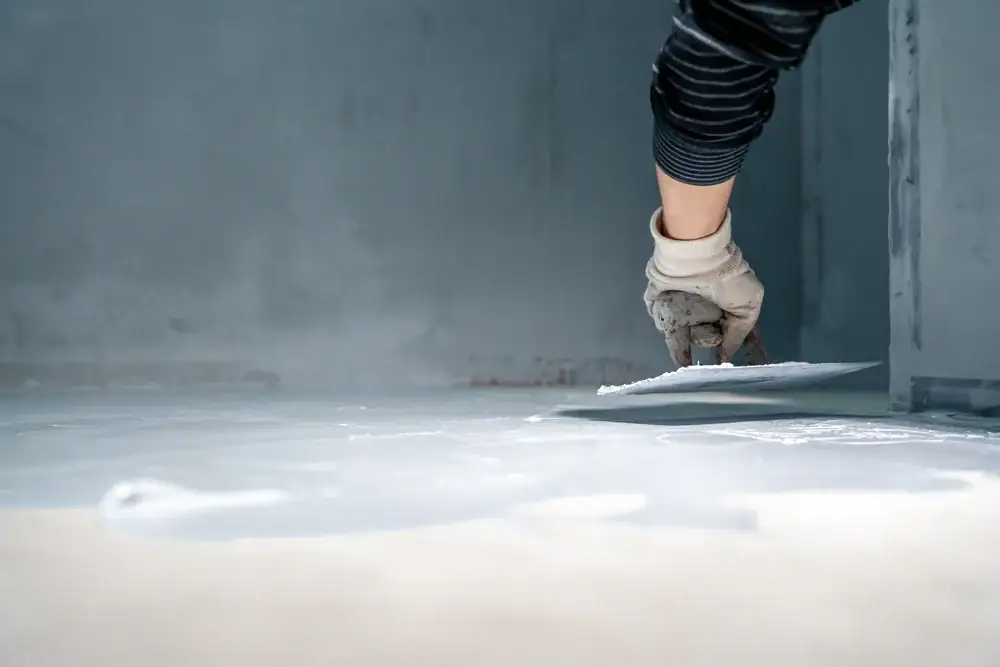
The repair process involves removing any loose or delaminated concrete, treating the exposed rebar with a corrosion inhibitor or coating, then rebuilding the surface with a high-density cement or epoxy mortar. After that, we typically apply a penetrating sealer or coating that blocks further chloride intrusion.
It’s not a temporary patch. When done correctly with the right materials, the repair often outlasts the surrounding concrete because we’re using products specifically designed to resist salt and moisture. We’ve completed this type of work for Coast Guard facilities and other coastal properties where salt exposure is constant and the repair has to hold up long-term.
How long does a concrete repair take from start to finish?
Most residential concrete repairs—driveways, sidewalks, steps, pool decks—are completed in one to two days. If it’s a simple crack injection or small spalling repair, we can often finish in a few hours. Larger projects like concrete foundation repair or extensive resurfacing might take three to five days depending on the scope and cure times.
If you’re under a deadline—say you’ve got a building recertification inspection in a week or a VA appraiser requiring repairs before closing—we can prioritize the schedule and often turn it around in 24 to 48 hours. That’s one of the reasons property managers and real estate agents call us when time is tight.
The actual work is faster than replacement, and there’s no week-long cure period. Most epoxy and resurfacing systems we use are ready for foot traffic within hours and vehicle traffic within 24 hours. We’re not asking you to stay off your driveway for a week.
What’s the difference between epoxy injection and just filling the crack with caulk?
Caulk sits on top and fails within months, especially in Florida’s heat and rain. Epoxy injection actually bonds the concrete back together from the inside. We drill into the crack at intervals, inject epoxy under pressure, and it fills the entire void—not just the surface opening.
Once cured, the epoxy is often stronger than the surrounding concrete. It’s waterproof, so it stops moisture intrusion that would otherwise continue corroding rebar or widening the crack through freeze-thaw cycles. And it flexes slightly, so it moves with the concrete instead of cracking out like rigid fillers do.
This is the same method we use for structural concrete repair on bridges, parking garages, and commercial buildings. It’s not a cosmetic fix—it restores the integrity of the slab or foundation. If you’re repairing concrete for a building inspection or to meet engineering standards, epoxy injection is typically what’s required, not surface sealant.
Do I need to repair concrete cracks before selling my home?
If the cracks are wider than a quarter inch, if there’s any vertical displacement creating a trip hazard, or if you’re selling to a VA or FHA buyer, the answer is almost always yes. Appraisers flag these as safety issues or structural concerns, and the sale won’t close until they’re addressed.
We’ve had multiple calls from homeowners who were given five-day deadlines by appraisers to fix concrete before closing. In those situations, professional repair is the only realistic option—you don’t have time to schedule a full replacement, and the buyer’s lender won’t accept a temporary patch.
Even if it’s not required, fixing obvious concrete damage before listing usually makes sense. Cracked driveways and walkways hurt curb appeal and give buyers negotiating leverage. Spending a few hundred or a couple thousand on concrete repair often protects tens of thousands in sale price or prevents deals from falling apart during inspection.
Will the repaired concrete look different from the rest of the surface?
It depends on the type of repair and the condition of the existing concrete. For crack injection, the epoxy is often barely visible once it’s ground flush and the surface is cleaned. For spalling or resurfacing, we can usually match the color and texture closely, but there may be a slight difference in shade, especially on older concrete that’s weathered or stained.
If appearance is critical—say it’s a front walkway or a highly visible patio—we can resurface the entire section so it’s uniform. That costs more than spot repair, but it gives you a consistent look. For driveways, garage floors, or areas where function matters more than aesthetics, most property owners are fine with a visible repair as long as it’s clean and professional.
We’ll show you examples during the consultation and talk through options. Our goal is to give you a repair that’s structurally sound and looks as good as possible given the existing conditions. We’re not going to oversell you on resurfacing the whole driveway if a crack repair is all you need.
Other Services we provide in South Palm Beach
Leave a Reply