


Concrete Repair in St Lucie North, FL
Florida Climate Destroys Concrete—We Fix It Right
Hear from Our Customers
Concrete Repair Services St Lucie North
Your concrete takes a beating in St Lucie North. Surface temperatures hit 140°F in summer. Humidity sits above 85% most of the year. Salt air from the coast accelerates corrosion. Standard repair methods collapse under these conditions—usually within 12 to 24 months.
You need concrete foundation repair and crack sealing that accounts for Florida’s climate. That means materials engineered for UV exposure and moisture. It means proper surface prep, not quick patches. It means understanding how concrete behaves when it’s expanding and contracting in 90-degree heat one day and torrential rain the next.
When concrete repair is done right, you’re looking at 15 to 20 years of performance. No bubbling. No peeling. No callbacks to fix the same problem. You get driveways, sidewalks, and foundation slabs that hold up to what Florida throws at them—and you stop spending money on repairs that don’t last.
Concrete Foundation Contractors St Lucie North
We’ve been protecting South Florida concrete for over 35 years. We’ve handled projects for the U.S. Coast Guard, the Army, and cities like Doral and Sunny Isles Beach. We’re a veteran-owned concrete company that approaches every job with precision and accountability.
We don’t subcontract. Everything is handled by our full-time team—people who know how to prep surfaces correctly, apply materials in Florida’s humidity, and deliver work that doesn’t need a redo. We use commercial-grade products from Sherwin Williams, Fosroc, and Laticrete. Not the consumer stuff that fails in two years.
St Lucie North properties face the same coastal challenges we’ve been solving across South Florida for decades. We know what works here, and we know what doesn’t. You’re not getting a sales pitch—you’re getting an honest evaluation and a repair plan built for your specific situation.
Concrete Crack Repair Process Florida
We start with a consultation at your property. No pressure, no upselling—just a clear assessment of what’s damaged, why it happened, and what it’ll take to fix it correctly. We’ll test for moisture issues, check for underlying structural problems, and explain what you’re dealing with in plain terms.
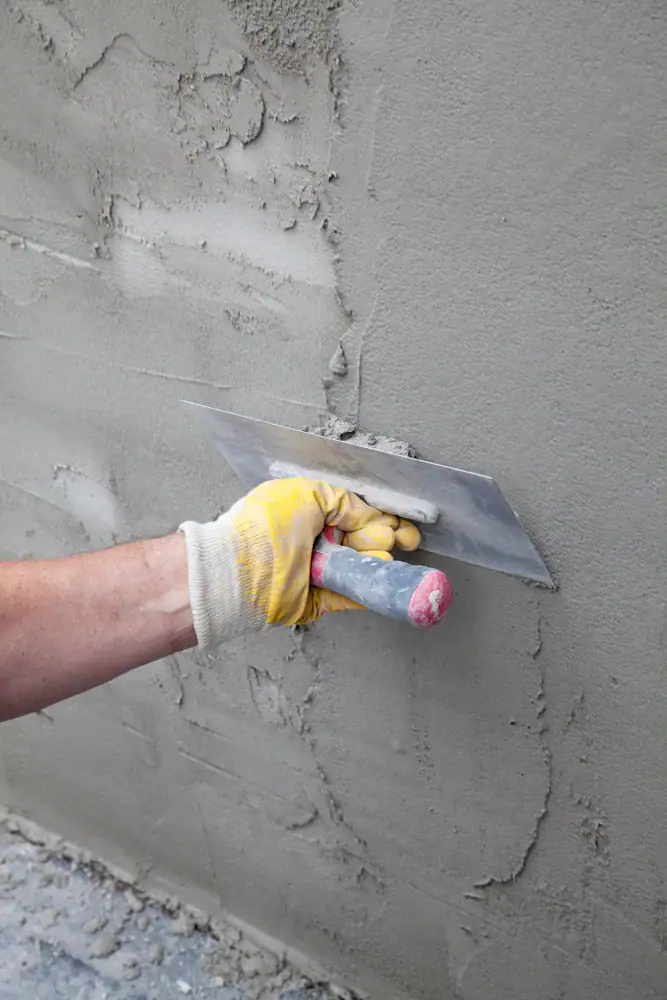
Surface prep comes next. This is where most concrete repair fails. We use shot-blasting, diamond grinding, or scarifying depending on the surface condition. Every crack gets properly filled and leveled. Expansion joints get treated correctly—not ignored like most contractors do. If the surface isn’t prepped right, nothing we apply will bond properly or last.
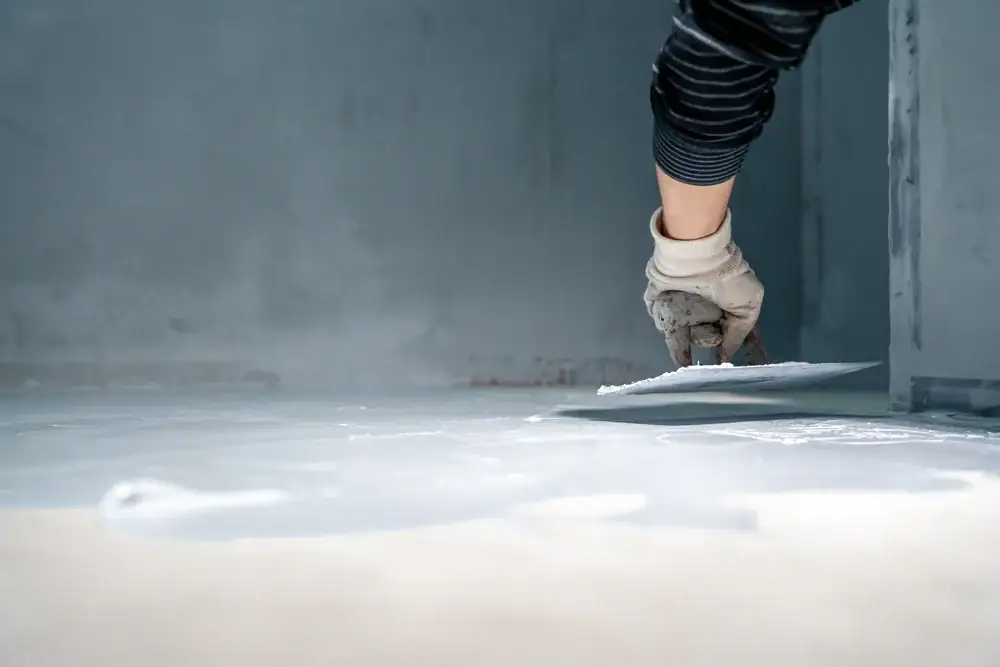
Then we apply the repair materials. Epoxy concrete repair for structural cracks. Resurfacing compounds for worn or spalled surfaces. Sealers rated for Florida’s UV and humidity levels. We control application conditions—temperature, moisture, timing—so the materials cure correctly. Most projects wrap in 24 to 48 hours. You get a detailed explanation of curing times and when the surface is ready for traffic or load.
Ready to get started?
Concrete Slab Repair St Lucie North
You get comprehensive concrete floor repair, concrete driveway crack repair, concrete sidewalk repair, and concrete step repair. We handle everything from minor surface damage to serious foundation issues. Pool concrete repair is a specialty—we deal with constant water exposure and chemical damage that most contractors can’t handle correctly.
In St Lucie North, concrete problems usually start with moisture infiltration and thermal expansion. Driveways develop cracks within months if expansion joints aren’t installed correctly. Sidewalks spall when water gets under the surface and the concrete goes through freeze-thaw cycles—or in Florida’s case, extreme heat cycles. Foundation slabs crack when the soil shifts or when moisture creates pressure from below.
We address the root cause, not just the visible damage. That means moisture testing, proper crack routing and filling, joint repair, and surface treatments that prevent water infiltration. You get cement repair that actually fixes the problem instead of covering it up. Our work comes with warranty coverage that’s broader and longer than what most concrete contractors offer—because we’re using commercial-grade materials and proven installation methods that hold up in Florida’s climate.
How long does concrete crack repair last in Florida’s climate?
It depends entirely on the materials and methods used. DIY sealers from home improvement stores typically fail within one to two years in Florida. They’re not rated for the UV exposure or humidity levels you’re dealing with in St Lucie North. The coating breaks down, water gets in, and you’re back where you started.
Professional concrete repair using climate-engineered materials lasts 15 to 20 years when installed correctly. That means products specifically rated for Florida conditions—high UV resistance, moisture tolerance, and flexibility to handle thermal expansion. It also means proper surface preparation, which most contractors skip or rush through.
The key is using epoxy or polyurethane-based repair compounds for structural cracks, and applying sealers that maintain water beading at the 10-year mark. If someone’s quoting you a price that seems too good to be true, they’re probably using substandard materials or skipping critical prep steps. You’ll pay less upfront and more in the long run when the repair fails.
What causes concrete foundation cracks in St Lucie North properties?
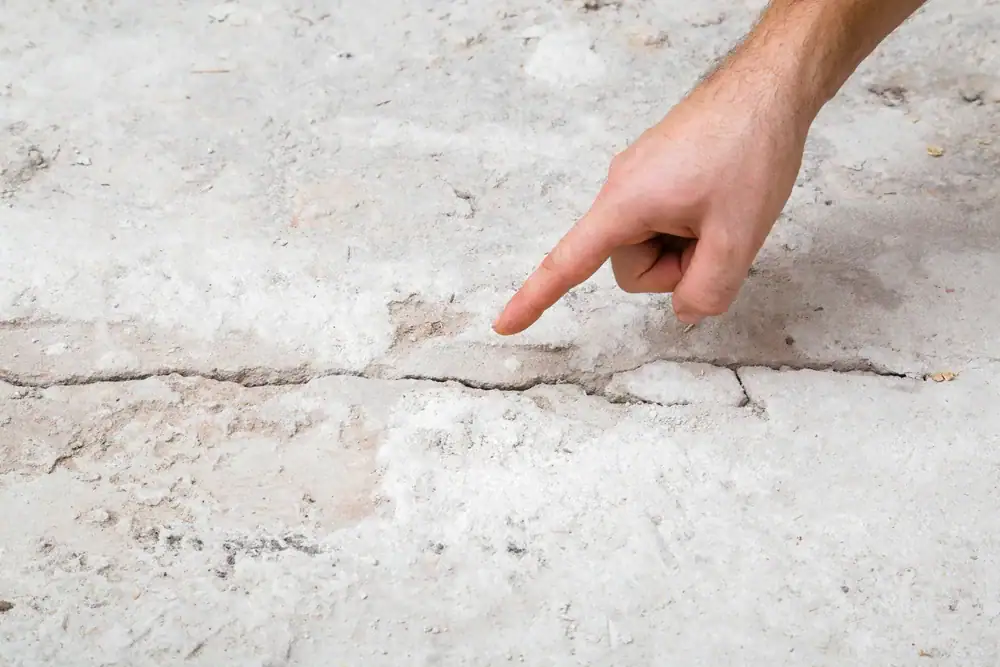
Foundation cracks in St Lucie North usually come from three sources: soil movement, moisture infiltration, and thermal stress. Florida soil expands and contracts with moisture changes. When the ground shifts, your foundation moves with it. If the concrete can’t flex, it cracks.
Moisture is the bigger problem here. Water gets under the slab through poor drainage or rising groundwater. It creates pressure, weakens the soil support, and leads to settling or heaving. In coastal areas like St Lucie North, you also get salt infiltration, which accelerates the corrosion of any rebar in the concrete. Once steel corrodes, it expands—and that expansion cracks the concrete from the inside out.
Thermal stress happens when concrete heats up to 140°F or higher during the day, then cools at night. That constant expansion and contraction creates stress points, especially at joints and edges. If expansion joints weren’t installed correctly during the original pour—or if they’ve deteriorated—you’ll see cracks forming along those stress lines. Fixing foundation cracks correctly means addressing the moisture issue and the structural damage, not just filling the visible crack.
How much does professional concrete repair cost compared to replacement?
Professional concrete repair typically runs $3 to $5 per square foot, depending on the extent of damage and the type of repair needed. Full concrete replacement costs around $7.50 per square foot or more—and that’s before you factor in demolition, disposal, and downtime while the new concrete cures.
For a standard two-car driveway (about 600 square feet), you’re looking at $1,800 to $3,000 for professional repair versus $4,500-plus for replacement. The math gets even better for larger surfaces like parking lots or commercial slabs. Repair makes financial sense when the underlying structure is still sound and the damage is primarily surface-level or limited to specific cracks.
There are situations where replacement is the better call—if the slab has major settling issues, widespread structural failure, or if more than 40% of the surface is damaged. But most concrete problems in St Lucie North are fixable with the right repair approach. We’ll tell you honestly which route makes sense for your situation. If replacement is the smarter move, we’ll say so. We’re not interested in selling you a repair that won’t hold up.
Can you repair concrete during Florida’s rainy season?
Yes, but it requires careful planning and the right conditions. Most concrete repair materials need a dry surface and controlled moisture levels during application and curing. In Florida’s rainy season, that means working around weather windows and sometimes using moisture-mitigation products before applying repair compounds.
We test moisture levels in the concrete before starting any repair work. If the substrate is too wet, we’ll either schedule for a drier period or use primers and bonding agents designed for high-moisture conditions. Some epoxy concrete repair products can be applied to damp surfaces, but they cost more and require specific application techniques.
The bigger issue during rainy season is protecting the repair while it cures. We use tenting or temporary covers when needed to keep rain off fresh applications. Most repair materials need 24 to 48 hours of protection from moisture. If we can’t guarantee that protection, we’ll reschedule rather than risk a failed repair. You’re better off waiting a few days for the right conditions than paying for work that fails because it got rained on during the cure cycle.
What’s the difference between epoxy and standard concrete patching?
Standard concrete patching compounds are cement-based. They’re cheap, easy to apply, and they fail quickly in Florida. Cement-based patches shrink as they cure, which creates gaps between the patch and the original concrete. Water gets in those gaps, and the patch pops out—usually within a year or two. They also don’t bond well to old concrete unless the surface prep is perfect.
Epoxy concrete repair uses resin-based compounds that bond chemically to existing concrete. They don’t shrink during curing. They’re flexible enough to handle thermal expansion without cracking. And they’re significantly stronger than the concrete they’re repairing—tensile strength of 3,000+ PSI compared to 500-700 PSI for standard cement patches.
Epoxy costs more upfront, but it lasts 10 to 15 times longer in Florida conditions. For structural cracks—anything that goes through the full depth of the slab—epoxy is the only repair method that makes sense. For surface damage or cosmetic cracks, you have more options, but epoxy still outperforms cement-based products in durability and longevity. The material cost difference is maybe $200 to $400 on a typical repair job. The performance difference is night and day.
Do you repair concrete steps and pool decks?
Yes. Concrete step repair and pool concrete repair are both specialties for us. Steps take a beating from foot traffic, and they’re exposed to more weathering than horizontal surfaces. Cracks in steps are also safety hazards—trip risks and liability issues. We repair structural cracks, rebuild damaged edges, and resurface worn treads to restore both function and appearance.
Pool decks are trickier because they’re constantly exposed to water, pool chemicals, and UV radiation. Standard concrete repair fails fast in that environment. We use materials specifically rated for wet environments and chemical exposure—usually epoxy or polyurethane-based systems with high UV resistance. Surface prep is critical because any contaminants (chlorine, algae, sunscreen residue) will prevent proper bonding.
For pool deck repairs, we also address drainage issues that might be causing the damage. If water is pooling on the deck or draining toward the house, we’ll fix the slope as part of the repair. Most pool concrete problems come from poor drainage combined with chemical exposure. Fixing one without addressing the other just means you’ll be calling someone back in two years. We handle both so the repair actually lasts.
Other Services we provide in St Lucie North
Leave a Reply