


Concrete Repair in St. Lucie Village, FL
Florida Concrete Problems Fixed Right the First Time
Hear from Our Customers
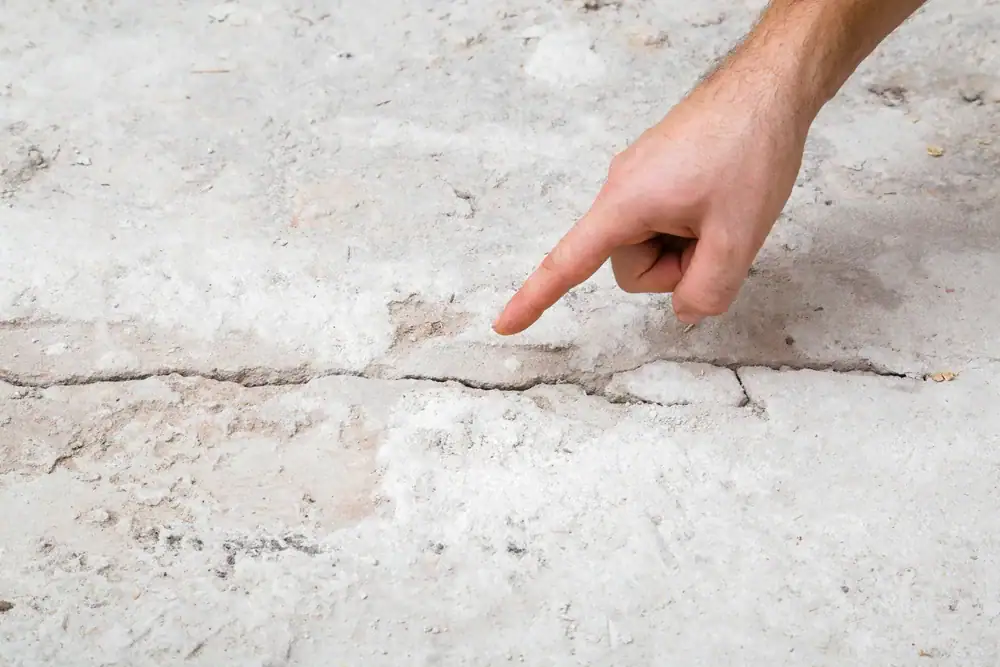
Concrete Crack Repair St. Lucie Village
You notice the crack in your driveway getting wider. The step near your front door shifts a little when you walk on it. Your garage floor looks worse every month. These aren’t cosmetic issues you can ignore—they’re warnings that moisture, soil movement, and Florida’s relentless climate are actively damaging your property.
Concrete repair isn’t about making things look better. It’s about stopping the problem before it becomes a structural nightmare that costs five times more to fix. When foundation cracks get addressed early, you’re preventing water intrusion that leads to mold, foundation settling, and interior damage. When driveway repairs happen before the base erodes completely, you’re saving the entire slab.
You get your property back to safe, stable, and functional. No more wondering if that crack is going to turn into a liability issue. No more watching your investment deteriorate while you’re trying to figure out who to call.
Concrete Foundation Contractors St. Lucie Village
We’ve been handling concrete and epoxy work since 2020, but the experience behind our company goes deeper. We’re veteran-owned, and that shows up in how we operate—on time, transparent pricing, and work that actually holds up.
We’ve completed projects for the Coast Guard, US Army, City of Doral, City of Sunny Isles, and multiple county facilities across South Florida. Those clients don’t hire based on the cheapest bid. They hire based on who can deliver quality work under tight deadlines and tough conditions. That’s the standard we bring to every concrete repair job in St. Lucie Village, whether it’s a residential driveway or a commercial foundation issue.
You’re not getting a crew that learned concrete repair last month. You’re getting a concrete company that knows Florida’s soil, climate, and the specific challenges that come with both.
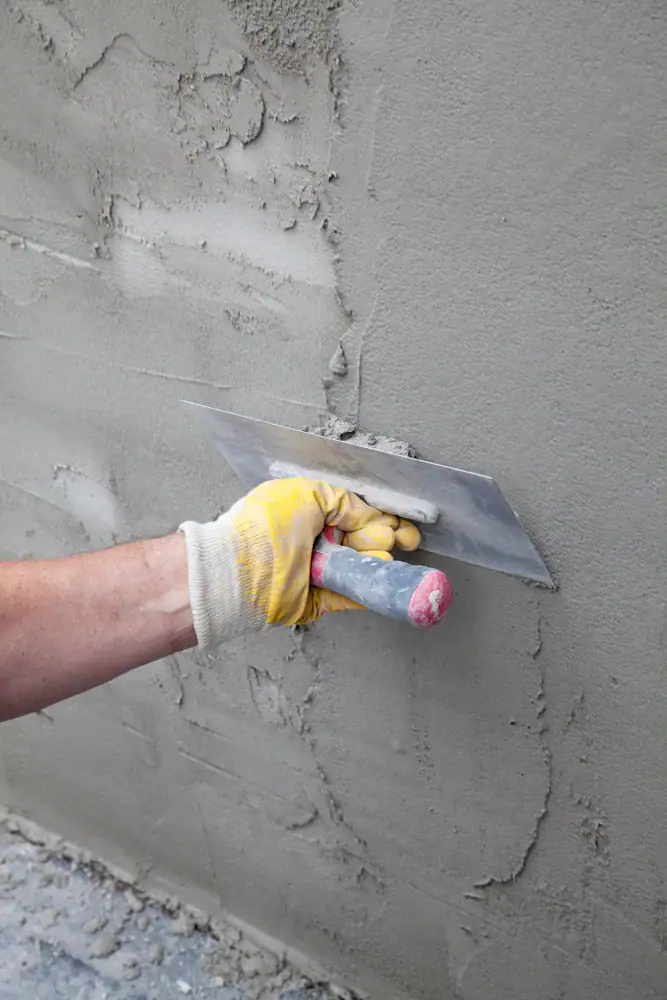
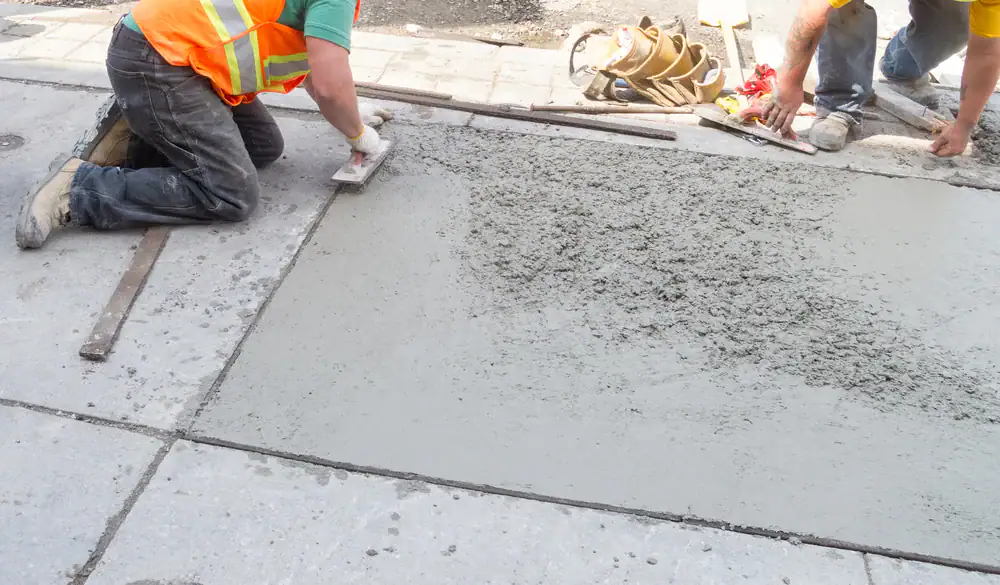
Concrete Driveway Repair Process St. Lucie Village
First, we come out and assess the damage. Not just the crack you can see—we’re looking at what caused it, whether it’s soil washout, poor drainage, or structural movement. That assessment determines whether you need crack repair, slab leveling, foundation stabilization, or a combination.
Once we know what we’re dealing with, you get transparent pricing. No surprises, no upselling. We walk you through what needs to happen and why, so you understand exactly what you’re paying for.
Then we get to work. For most concrete crack repair and epoxy applications, we can turn projects around in 24 to 48 hours. For larger foundation or structural work, timelines depend on the scope, but we’ll give you a realistic schedule upfront. We use Sherwin Williams and Fosroc products—commercial-grade materials designed to handle Florida’s weather, not the cheap stuff that fails in two years.
After the job, we follow up. You’re not getting ghosted the second we finish. We want to make sure the repair is holding up and you’re satisfied with the result.
Ready to get started?
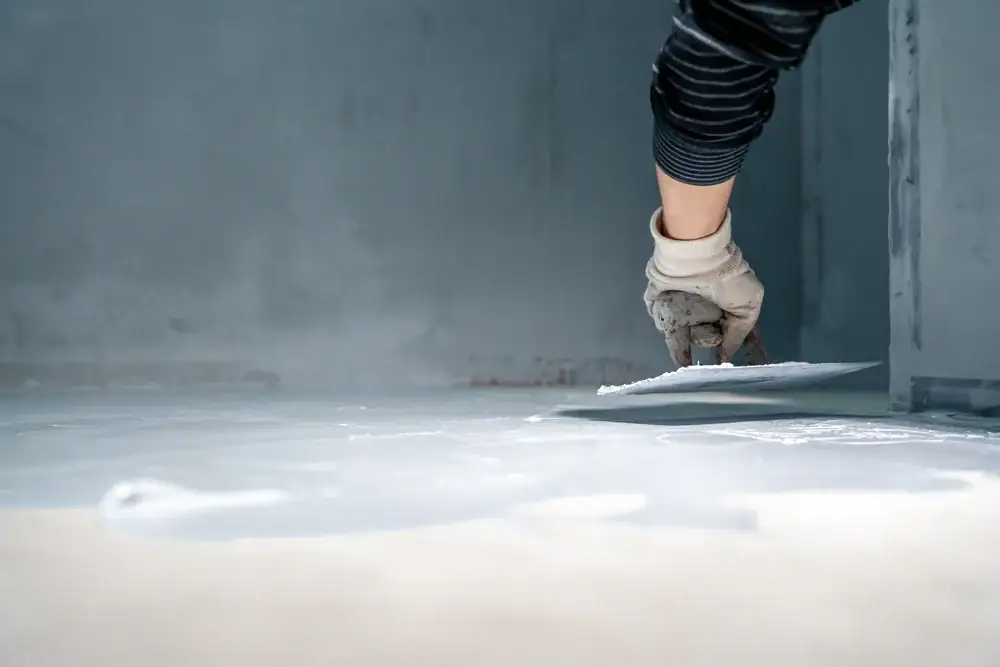
Concrete Floor Repair Services St. Lucie Village
Concrete repair in St. Lucie Village means dealing with the full range of damage Florida throws at your property. Foundation cracks from soil expansion and contraction. Driveway damage from tree roots, poor base prep, or water erosion underneath. Sidewalk trip hazards from settling. Pool deck spalling from chlorine and salt exposure. Garage floors that are pitting and dusting because the original finish wasn’t designed for Florida humidity.
We handle epoxy concrete repair for floors that need chemical resistance and durability. We handle concrete step repair and stair stabilization when settling or cracking creates safety issues. We handle concrete slab repair when the damage goes beyond surface level and you need structural reinforcement or leveling. And we handle cement crack repair with materials that actually bond and flex with Florida’s temperature swings instead of cracking again in six months.
St. Lucie Village sits in an area where soil composition and water tables create constant pressure on concrete structures. Your property is dealing with sandy soils that shift, high humidity that accelerates deterioration, and heavy seasonal rain that washes out base materials. That’s not a problem you fix with a YouTube tutorial and a bag of quick-set concrete. You need a concrete contractor who understands how to prep, repair, and seal for long-term performance in this specific environment.
How much does concrete crack repair cost in St. Lucie Village?
It depends entirely on what’s causing the crack and how much damage has already happened. A simple surface crack in a driveway that just needs cleaning, filling, and sealing might run a few hundred dollars. A foundation crack that requires epoxy injection, structural stabilization, and waterproofing is going to cost significantly more—sometimes several thousand depending on length and severity.
Here’s what drives the price: the size and depth of the crack, whether the concrete is still moving or has stabilized, what’s happening with the soil underneath, and whether water is actively intruding. If the crack is a symptom of a bigger foundation issue, you’re not just paying for crack repair—you’re paying to fix the underlying problem so it doesn’t happen again.
We give you transparent pricing after we assess the damage. You’ll know exactly what you’re paying for and why, and you’ll understand what happens if you don’t address it now versus six months from now when it’s worse.
How long does concrete repair take to cure in Florida’s humidity?
Most concrete crack repair and epoxy applications cure enough for light traffic within 24 hours, but full cure times depend on the product, the temperature, and the humidity level when we’re working. Florida’s heat actually speeds up some curing processes, but the humidity can extend others, especially with certain sealers and coatings.
For epoxy concrete repair, we’re typically looking at 24 to 48 hours before you can walk on it and 72 hours before heavy use or vehicle traffic. For structural repairs involving foundation work or slab leveling, cure times can be longer—sometimes a week or more depending on the materials and the load requirements.
We’ll give you specific timelines based on the work being done and the conditions. And we’ll tell you what you can and can’t do during the curing process so you don’t compromise the repair. Rushing it doesn’t help anyone.
Can you repair concrete without replacing the entire slab?
Yes, in most cases. Full slab replacement is expensive, disruptive, and often unnecessary if the damage is localized and the underlying base is still solid. Concrete crack repair, epoxy injection, slab leveling, and resurfacing can restore function and appearance without tearing everything out.
The decision comes down to how much of the slab is damaged and whether the subbase has failed. If you’ve got a few cracks but the concrete is still structurally sound and level, repair makes sense. If the entire slab is sinking, heavily spalled, or the base has washed out, replacement might be the better long-term investment.
We’re not going to upsell you on a full replacement if a repair will actually hold up. But we’re also not going to patch something that’s going to fail again in a year just to get the job. You’ll get an honest assessment of what’s realistic based on the condition of your concrete and what’s happening underneath it.
What causes concrete to crack so fast in St. Lucie Village?
Florida’s soil and climate are brutal on concrete. St. Lucie Village has sandy soils that don’t provide stable support, especially when water tables fluctuate or heavy rain washes material out from under slabs. When the base shifts or erodes, the concrete above it cracks. Add in the constant expansion and contraction from heat and humidity, and you’ve got a recipe for damage.
Tree roots are another major cause, especially with older properties where root systems have grown under driveways, sidewalks, and foundations. Poor initial installation—thin slabs, inadequate base prep, no control joints—accelerates the problem. And then there’s just age and wear. Concrete doesn’t last forever, especially in an environment that’s actively working against it.
The key is catching the damage early. Small cracks turn into big cracks. Big cracks turn into structural problems. If you’re seeing new cracks or existing ones getting worse, that’s the concrete telling you something underneath is moving or failing.
Do you offer emergency concrete repair in St. Lucie Village?
Yes. If you’ve got a concrete issue that’s creating a safety hazard or actively damaging your property, we can prioritize it. That includes things like sudden foundation settling, large driveway cracks that are getting worse fast, trip hazards on commercial properties, or structural damage from storm or plumbing issues.
Our standard turnaround for most concrete repair projects is already 24 to 48 hours, which is faster than most concrete contractors in South Florida. For true emergencies, we’ll work with you to get someone out as quickly as possible to assess the situation and start repairs.
Emergency doesn’t mean we cut corners. It means we move fast without sacrificing quality. You still get the same materials, the same process, and the same follow-up. We’re just compressing the timeline because waiting isn’t an option.
What’s the difference between concrete resurfacing and concrete repair?
Concrete repair addresses structural damage—cracks, settling, spalling, foundation issues. It’s about fixing what’s broken so the concrete is safe and functional again. Concrete resurfacing is a cosmetic and protective layer applied over existing concrete that’s structurally sound but worn, stained, or outdated.
If your driveway has cracks, you need concrete crack repair first. Once the structural issues are handled, resurfacing can restore the appearance and add a protective coating that helps prevent future damage. If your garage floor is just ugly but not damaged, resurfacing might be all you need.
We handle both, and often they work together. A concrete floor repair might involve fixing cracks and low spots, then resurfacing with an epoxy coating for durability and chemical resistance. The key is understanding what problem you’re actually solving—structural integrity or appearance—and doing the work in the right order.
Other Services we provide in St. Lucie Village
Leave a Reply