


Concrete Repair in Sunland Gardens, FL
Concrete That Holds Up to Florida’s Climate
Hear from Our Customers
Concrete Crack Repair Sunland Gardens
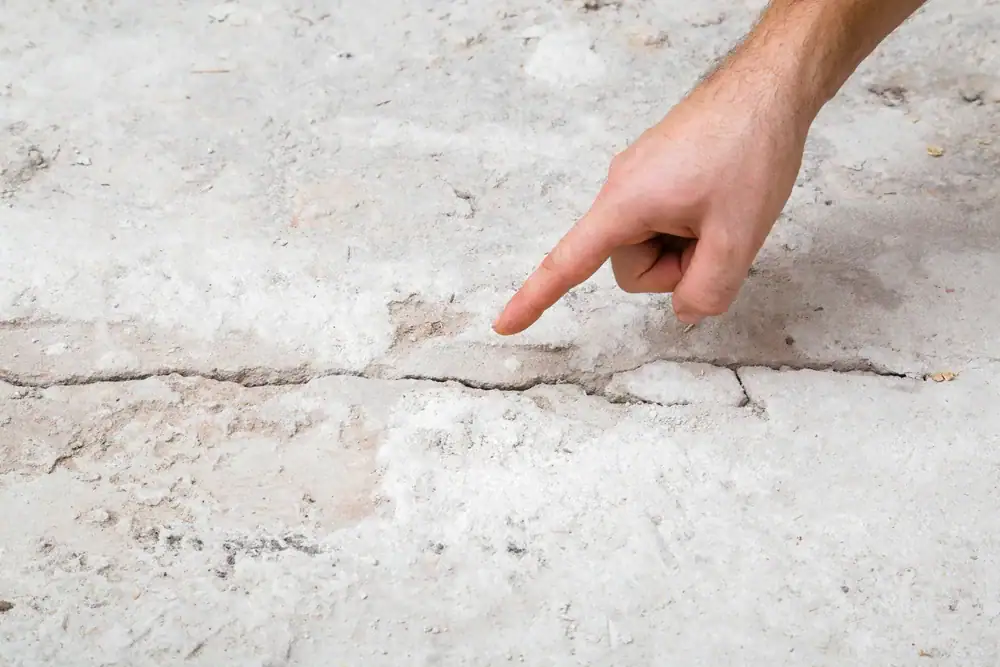
You’ve probably noticed it already. That hairline crack in your driveway is wider than it was six months ago. The concrete around your pool deck is starting to flake. Your warehouse floor has a section that’s crumbling near the loading bay.
Florida’s climate doesn’t give concrete a break. Between the humidity, the salt in the air, and the constant temperature swings, unsealed or damaged concrete deteriorates fast. What starts as a small crack becomes a water intrusion point. That water brings salts, chemicals, and eventually structural damage.
Concrete repair isn’t about making things look better. It’s about stopping the deterioration before you’re looking at a full replacement. When we repair concrete in Sunland Gardens, we’re addressing the root cause—sealing out moisture, filling structural cracks properly, and using materials that can handle South Florida’s conditions. You get a surface that doesn’t need constant attention and doesn’t fail in two years because someone used the wrong product.
Concrete Foundation Contractors Sunland Gardens
We’ve been handling concrete and epoxy work since 2020, and we’ve built our reputation on projects that can’t afford to fail. We’ve completed work for the U.S. Coast Guard, the U.S. Army, the City of Doral, and the City of Sunny Isles Beach. When government agencies and municipalities trust you with their concrete, you learn to get it right the first time.
We’re veteran-owned, and we operate the same way in Sunland Gardens as we do on military installations. Every job gets the same level of prep work, the same moisture testing, and the same attention to detail. We don’t skip steps to save time, and we don’t use cheaper materials to pad our margins.
You’re not hiring a crew that learned about Florida concrete last year. You’re working with people who understand exactly how moisture, salt, and heat affect different concrete surfaces—and what it takes to fix them correctly.
Epoxy Concrete Repair Process
First, we assess the damage. Not just what you can see on the surface, but what’s happening underneath. We run moisture tests on the concrete because if there’s trapped water or ongoing intrusion, no coating or repair will hold. This step gets skipped by a lot of contractors, and it’s why their work fails within a year.
Next, we prep the surface. That means grinding down high spots, opening up cracks so they can be properly filled, and removing any existing coatings that are delaminating. The concrete needs to be clean and profiled correctly, or nothing bonds the way it should.
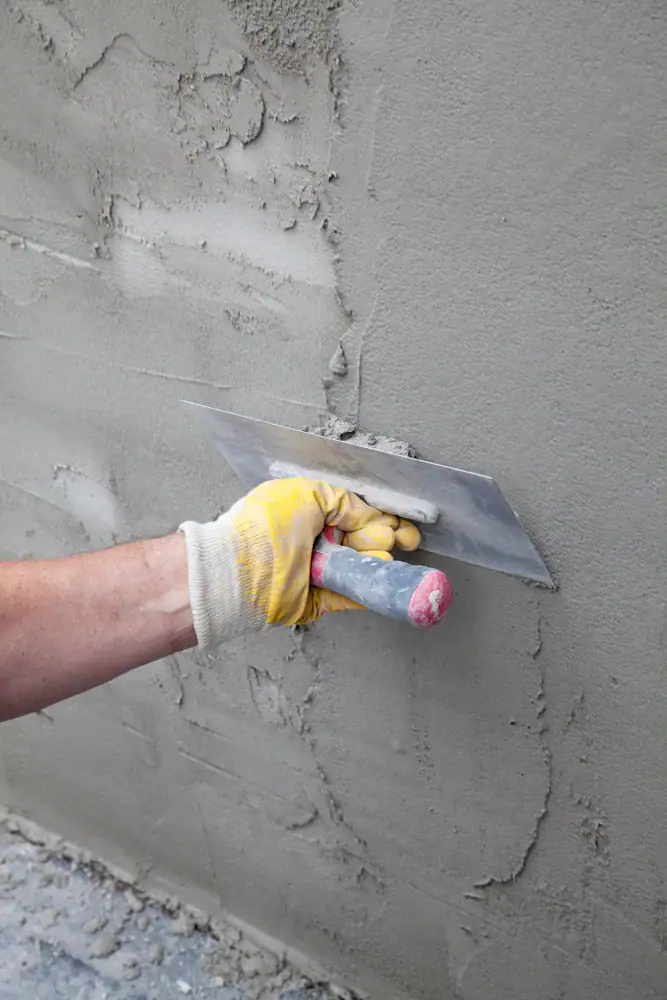
Then we make the actual repairs. Cracks get filled with epoxy or polyurea depending on the location and load requirements. Spalled areas get patched with repair mortar that’s compatible with Florida’s humidity. If you’re dealing with foundation issues, we address the structural integrity before we touch the surface.
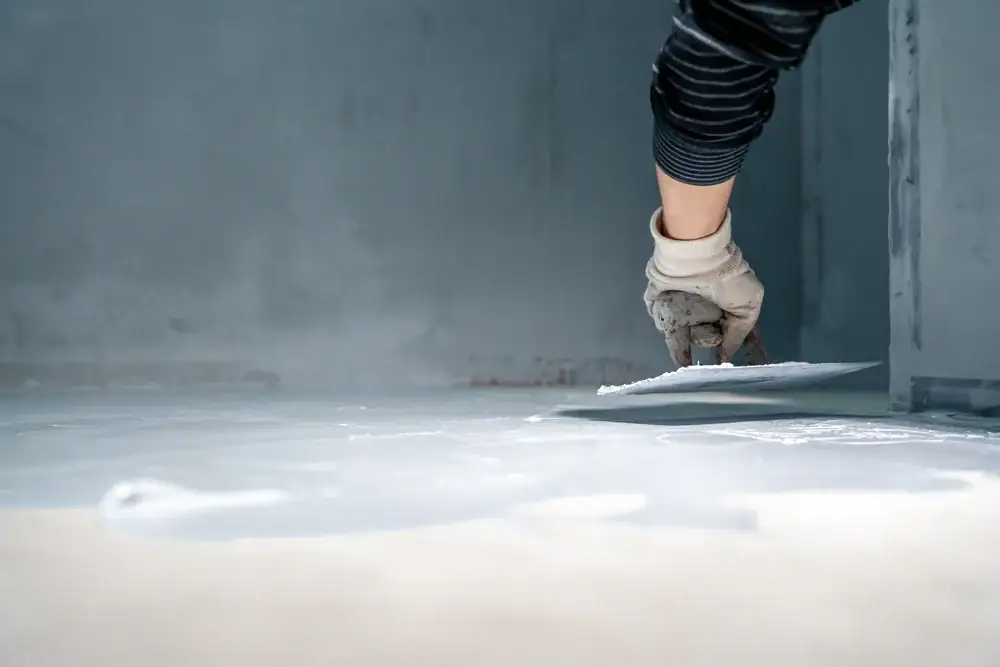
Finally, we seal or coat the concrete. We use moisture-tolerant systems from Sherwin-Williams and Fosroc—products that cure properly even in South Florida’s humidity. Depending on the application, you’ll have light foot traffic in 8-12 hours and full vehicle traffic in 24-48 hours. The finish resists water, chemicals, and UV damage, and when installed correctly, it lasts 10-15 years.
Ready to get started?
Concrete Floor Repair Sunland Gardens
You get a full evaluation before we start any work. We don’t quote over the phone based on a description. We come out, we test the concrete, and we tell you exactly what needs to happen and why.
You get repairs that address the cause, not just the symptom. If your concrete is cracking because of a moisture problem, we solve the moisture problem. If your driveway is spalling because water is getting under the surface, we seal it properly so it doesn’t happen again.
You get materials that are rated for Florida. We’re not using the same epoxy systems you’d use in Colorado. South Florida concrete needs UV-resistant, moisture-tolerant products, and that’s what we install. The systems we use are the same ones we’ve installed for the Coast Guard and municipal clients—they’re proven to hold up here.
You also get transparent pricing and realistic timelines. We’ll tell you if your project is a 24-hour turnaround or if it needs more time. We’ll explain why certain repairs cost what they do. And if there’s a more cost-effective option that still solves the problem, we’ll walk you through it. In Sunland Gardens, most of our concrete repair projects cost 60-70% less than full replacement, and they extend the life of your concrete by 10-15 years when done right.
How long does concrete crack repair actually last in Florida?
If it’s done correctly with the right materials, you’re looking at 10-15 years. That’s not a marketing number—it’s what happens when you use moisture-tolerant epoxy or polyurea systems that are designed for South Florida’s humidity and temperature swings.
The repairs that fail in one or two years? They fail because someone skipped the moisture testing, used a product that wasn’t rated for Florida’s climate, or didn’t prep the concrete correctly. Concrete repair isn’t complicated, but it is specific. The substrate has to be dry enough for the repair material to bond. The crack has to be cleaned and profiled. And the product has to be able to handle moisture vapor transmission, because Florida concrete is always dealing with some level of moisture.
We’ve been doing this since 2020, and the repairs we did in year one are still holding up. That’s because we test for moisture, we use commercial-grade materials from Sherwin-Williams and Fosroc, and we don’t skip prep work to save time.
Can you repair concrete foundation cracks, or do I need a foundation specialist?
It depends on what’s causing the crack. If your foundation is actively settling or shifting, you need a structural engineer to assess it before anyone touches the concrete. But if the crack is stable and the issue is water intrusion or surface-level damage, we can repair it with epoxy injection or polyurethane foam systems that stop water and restore structural integrity.
Most foundation cracks in Sunland Gardens aren’t catastrophic—they’re the result of normal settling, temperature changes, or water pressure. Those can be repaired effectively without tearing out the foundation. We inject epoxy deep into the crack to bond the concrete back together, and then we seal the surface to prevent future water intrusion.
We’ll tell you upfront if your situation needs a structural evaluation. We’ve worked with the U.S. Army and the Coast Guard on foundation and structural concrete, so we know when a crack is cosmetic and when it’s a red flag. You won’t get oversold on work you don’t need.
What’s the difference between concrete resurfacing and full replacement?
Resurfacing means you keep your existing concrete and add a new surface layer. Replacement means you tear everything out and start over. Resurfacing costs about 60-70% less and takes days instead of weeks.
If your concrete is structurally sound but the surface is stained, pitted, or cracked, resurfacing makes sense. We grind down the existing surface, repair any cracks or damage, and then apply a new layer—either a thin overlay, an epoxy coating, or a polished finish depending on what you need. You get a brand-new surface without the cost or downtime of a full demo and pour.
Replacement is necessary when the concrete has failed structurally—major settling, deep cracking throughout, or severe spalling that’s compromised the integrity of the slab. But in Sunland Gardens, most driveways, patios, and commercial floors don’t need replacement. They need proper repair and a protective system that keeps Florida’s climate from destroying them again. That’s what resurfacing does, and it’s why we recommend it for most projects.
How soon can I use the concrete after repair?
For light foot traffic, usually 8-12 hours. For full vehicle traffic or heavy equipment, 24-48 hours depending on the system we’re using and the conditions during installation.
Florida’s heat actually helps with cure times, but the humidity can slow things down if we’re not using the right products. That’s why we use fast-cure polyaspartic and moisture-tolerant epoxy systems that are formulated for South Florida. They’re designed to cure properly even when it’s 90 degrees with 80% humidity.
If you need faster turnaround, we can accommodate that on certain projects. We’ve done emergency repairs for commercial kitchens and warehouses that needed to be back online within 24 hours. But we’ll never rush a job at the expense of quality—if the concrete needs more time to cure, we’ll tell you that upfront. The goal is a repair that lasts 10-15 years, not one that looks good for six months and then fails.
Do you repair pool deck concrete and concrete around water features?
Yes. Pool decks and concrete around water are some of the most common repairs we do in Sunland Gardens. The constant exposure to water and pool chemicals accelerates deterioration, especially if the concrete wasn’t sealed properly from the start.
Pool concrete typically shows spalling, cracking along the coping, and surface erosion. We repair the structural damage first—filling cracks, patching spalled areas, and addressing any underlying moisture issues. Then we apply a slip-resistant coating or overlay that’s rated for wet environments and UV exposure. The finish needs to handle bare feet, pool chemicals, and Florida sun without breaking down.
We also make sure the drainage is correct. If water is pooling on your deck, it’s going to cause problems no matter how good the repair is. We’ll address grading issues during the prep phase so you’re not dealing with standing water after every rain. The end result is a pool deck that’s safe, looks clean, and doesn’t need to be redone in two years.
What causes concrete to fail so quickly in Florida compared to other states?
Moisture and salt. Florida concrete is constantly exposed to high humidity, rain, and salt air if you’re anywhere near the coast. Concrete is porous, so all that moisture gets absorbed into the slab. Once it’s in there, it brings salts and chemicals with it, which corrode any rebar and cause the concrete to spall and crack from the inside out.
Temperature swings make it worse. Concrete expands and contracts with heat, and Florida goes from hot to hotter with sudden temperature drops during storms. Those cycles create stress fractures. Add in the fact that a lot of concrete in Florida wasn’t sealed properly to begin with, and you’ve got a surface that starts showing damage within two years instead of five or ten.
That’s why the products and process matter so much here. You can’t use the same approach you’d use in a dry climate. We use moisture-tolerant systems, we test for vapor transmission before we seal anything, and we make sure the concrete is prepped correctly so the repair actually bonds. It’s not harder to repair concrete in Florida—it just requires different materials and more attention to moisture management.
Other Services we provide in Sunland Gardens
Leave a Reply