


Concrete Repair in Sunny Isles Beach, FL
Coastal Concrete That Actually Holds Up
Hear from Our Customers
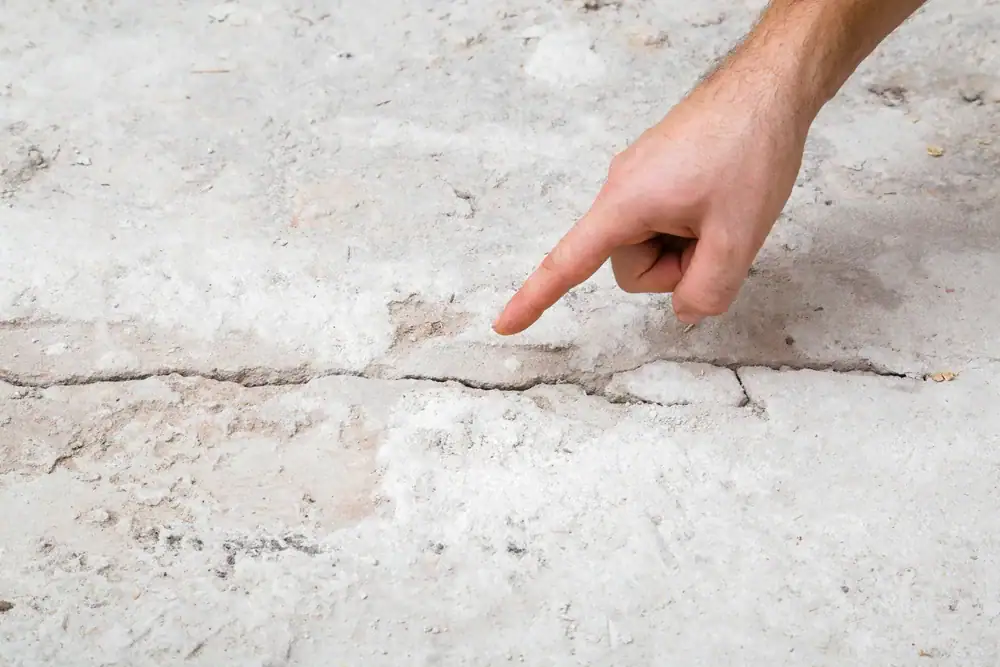
Concrete Crack Repair Sunny Isles Beach
That crack in your driveway isn’t just ugly. It’s getting wider every time it rains, and the salt air is working its way deeper into the slab every single day.
Standard concrete repair fails here because most contractors don’t account for what coastal humidity does to curing times. Or how salt particles break down bonding agents. You end up with the same crack six months later, just wider.
When concrete repair is done right for this climate, you stop watching cracks reappear. Your surfaces stay level, water drains properly, and you’re not calling someone back next season. The repair actually lasts because it was designed for 74% average humidity and constant salt exposure—not some generic mix that works in Kansas.
Concrete Foundation Contractors Sunny Isles Beach
We’ve been handling concrete floor repair and epoxy systems across South Florida since 2020. We’ve worked on Coast Guard facilities, US Army installations, and municipal projects throughout Sunny Isles Beach and surrounding cities.
That’s not name-dropping. It’s proof that when the work has to meet military specs and pass inspections, they call us.
We don’t subcontract. Every concrete foundation repair, every epoxy application, every polished floor—it’s our crew, our equipment, our standards. You’re not getting someone’s cousin with a mixer. You’re getting the same team that handles government contracts, just without the bureaucracy when you call.
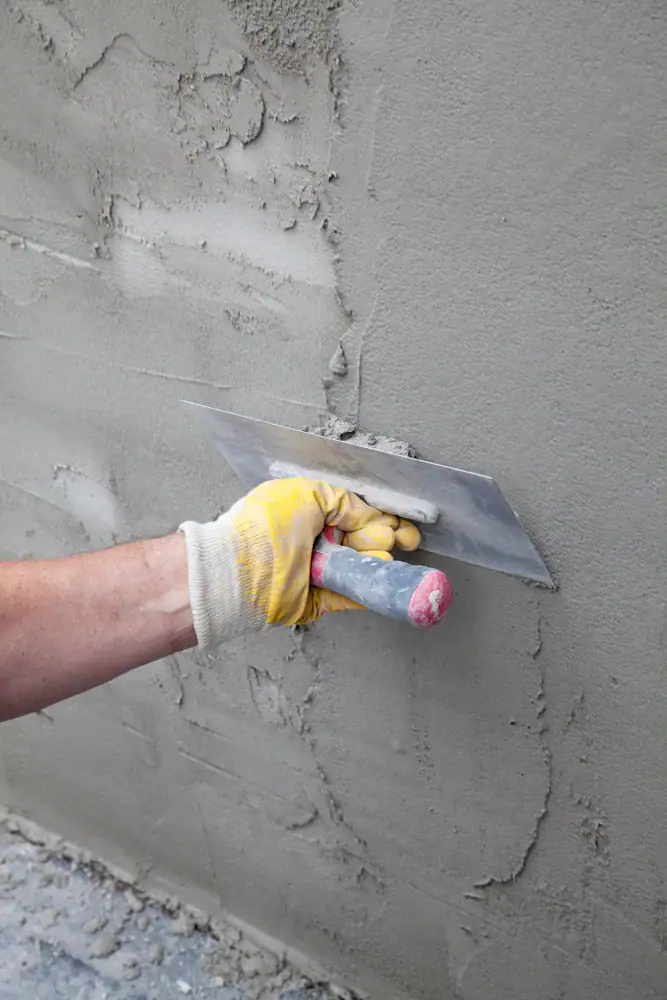
Concrete Repair Process Sunny Isles Beach
First, we actually look at your concrete. Not a quote over the phone based on square footage. We measure moisture levels, check for underlying slab issues, and figure out why the damage happened in the first place.
Then we prep the surface properly. That means shot-blasting or diamond grinding to remove weak material and create a clean bond. Most concrete repair failures happen because someone skipped this step. We don’t.
The repair itself depends on what you need. Crack repair uses flexible epoxy that moves with temperature changes. Spalling gets a polymer overlay that’s stronger than the original concrete. Foundation work might need leveling compound or structural epoxy injection. We match the fix to the actual problem, not whatever’s easiest.
After application, we control the cure environment. In Sunny Isles Beach, that’s critical—humidity can ruin a repair in hours if you don’t manage it. We do. Then we follow up to make sure it’s holding, because concrete repair isn’t done until it actually lasts.
Ready to get started?
Epoxy Concrete Repair Sunny Isles Beach
You get a full assessment of what’s wrong and why. We don’t just fill cracks—we tell you if there’s a drainage issue causing them, or if your slab is settling, or if the original concrete was poorly mixed. You need to know that before you spend money.
Surface prep is included. That’s the shot-blasting, grinding, or scarifying needed to make repairs bond properly. It’s also the messiest part, which is why some companies skip it. We handle the dust control and cleanup.
The actual repair uses commercial-grade materials—Sherwin Williams and Fosroc products designed for high-moisture environments. Not hardware store epoxy. For concrete floor repair, that might mean a full resurfacing system. For concrete driveway crack repair, it’s flexible sealants that won’t crack again in three months. For pool concrete repair, it’s chlorine-resistant coatings that actually hold up.
You also get transparent pricing before we start, a realistic timeline that accounts for weather, and a warranty that’s longer than most contractors offer. If you’re in Sunny Isles Beach dealing with salt damage or spalling, we’ve seen it before—probably on a condo building three blocks from you.
How long does concrete crack repair actually last in Sunny Isles Beach?
Depends entirely on how it’s done. If someone just smears epoxy in the crack without cleaning it or controlling moisture, you’ll see failure in under a year. The salt air and humidity here don’t forgive shortcuts.
When crack repair is done correctly—with proper surface prep, moisture testing, and climate-appropriate materials—you’re looking at 10-15 years minimum. That means diamond grinding the crack edges to create a clean profile, using flexible epoxy that moves with temperature changes, and applying it when conditions actually allow proper curing.
The biggest factor is whether the underlying cause gets addressed. If water is pooling because of poor drainage, or the slab is still settling, the crack will come back no matter what product you use. We check for that before we repair anything, because fixing the symptom without fixing the cause just wastes your money.
What’s the difference between concrete resurfacing and just patching damaged areas?
Patching fixes one spot. Resurfacing addresses the entire surface, which matters when you’ve got multiple problem areas or widespread deterioration from salt exposure.
Concrete resurfacing means applying a new layer—usually 1/8 to 1/4 inch thick—over the existing slab. It’s stronger than the original concrete, bonds directly to it, and gives you a completely fresh surface. You can add texture for slip resistance, color for aesthetics, or leave it smooth for industrial use. It’s the right call when you’ve got spalling, surface cracks, discoloration, or just concrete that’s been beaten up by coastal weather.
Patching makes sense for isolated damage—one crack, one small spalled area. But if you’re patching three spots this year and four more next year, resurfacing saves you money long-term. You fix everything once instead of playing whack-a-mole with deterioration. For driveways, walkways, and pool decks in Sunny Isles Beach, resurfacing usually makes more sense than patching because the salt air is degrading the whole surface, not just the spots you can see.
Can you repair concrete foundation cracks or do I need a foundation specialist?
We handle structural concrete foundation repair, including epoxy injection for cracks and leveling for settled slabs. What we don’t do is diagnose major foundation failure that needs underpinning or pilings—that requires a structural engineer.
Most foundation cracks in Sunny Isles Beach aren’t catastrophic. They’re caused by minor settling, temperature movement, or water intrusion. Those we fix with epoxy injection, which fills the crack completely and restores structural integrity. For wider cracks or areas where the slab has settled, we use polyurethane foam injection to lift and level the concrete, then seal everything.
The key is knowing what you’re dealing with. Hairline cracks that aren’t growing? Usually cosmetic, easy fix. Cracks wider than a quarter inch, or cracks that are getting bigger? Those need structural epoxy. Doors sticking, floors sloping, or large stair-step cracks in block walls? You need an engineer to look first, then we can execute the repair plan.
We’ve worked on military facilities and municipal buildings where foundation integrity isn’t optional. If your situation is beyond our scope, we’ll tell you that upfront instead of taking your money for a repair that won’t hold.
How much does concrete floor repair typically cost in Sunny Isles Beach?
Concrete floor repair runs anywhere from $3 to $14 per square foot depending on what’s wrong and what you need. Simple crack filling with epoxy is on the lower end. Full resurfacing with a decorative overlay is higher. Structural repairs or moisture remediation cost more because they’re more involved.
For a typical two-car garage floor with minor cracking and surface damage, you’re usually looking at $1,200 to $2,500 for a complete repair and resurfacing. A commercial warehouse floor with heavy damage might run $8,000 to $15,000 depending on square footage and the level of prep required.
What drives cost up is surface prep and underlying issues. If we need to shot-blast the entire floor, repair multiple cracks, address moisture problems, and then apply a new surface system, that’s more labor and materials than just patching a few spots. But it’s also the difference between a repair that lasts 15 years and one that fails in 18 months.
We give you transparent pricing after we assess the actual condition. No ballpark numbers over the phone, because those are usually wrong and you end up frustrated. We’d rather look at it, tell you exactly what it’ll cost, and let you decide if that makes sense for your situation.
What causes concrete to spall and can it be fixed permanently?
Spalling is when the concrete surface flakes, chips, or breaks away in layers. In Sunny Isles Beach, it’s almost always caused by salt and moisture penetrating the concrete, reaching the rebar, and causing it to rust. Rust expands, which pushes the concrete off from the inside.
It can be fixed permanently, but only if you remove all the damaged concrete, treat the exposed rebar, and apply a proper repair system. Slapping mortar over spalled concrete doesn’t work—the rust is still there, still expanding, and it’ll just pop the new material off in a few months.
The repair process involves chipping away all loose concrete, sandblasting the rebar to remove rust, applying a rust inhibitor, then rebuilding the surface with a polymer-modified repair mortar that bonds to the old concrete and resists chloride penetration. For severe spalling, we sometimes apply a protective coating over the entire surface to prevent future salt intrusion.
The key word is “permanently.” If the building has chronic water intrusion or the concrete wasn’t sealed properly to begin with, spalling will keep happening in new spots. We fix what’s damaged and recommend protective measures to stop it from spreading, but you can’t repair your way out of a design flaw. Sometimes you need better drainage, waterproofing, or a sealer system to actually solve the problem long-term.
Do you offer emergency concrete repair services in Sunny Isles Beach?
Yes. If you’ve got a safety hazard—trip hazard from lifted concrete, structural damage from a vehicle impact, or sudden foundation cracking—we can typically respond within 24 to 48 hours.
Emergency concrete repair isn’t always about speed. It’s about stabilizing the problem so it doesn’t get worse while we plan the permanent fix. That might mean temporary patching, barricading a dangerous area, or injecting epoxy to stop a crack from spreading. Then we schedule the full repair when conditions are right for it to actually last.
We’ve handled emergency calls for commercial properties facing inspection deadlines, residential properties with liability concerns, and municipal clients dealing with hurricane prep. The response time depends on what you need and what’s physically possible given weather and material curing requirements.
If it’s truly urgent, call us directly. We’ll tell you if we can help immediately or if the situation requires a temporary fix first. What we won’t do is rush a repair that’ll fail in six months just to check a box. Emergency response means we show up fast and do it right, not fast and sloppy.
Other Services we provide in Sunny Isles Beach
Leave a Reply