


Concrete Repair in The Crossings, FL
Florida Climate Destroys Concrete—We Fix It Right
Hear from Our Customers
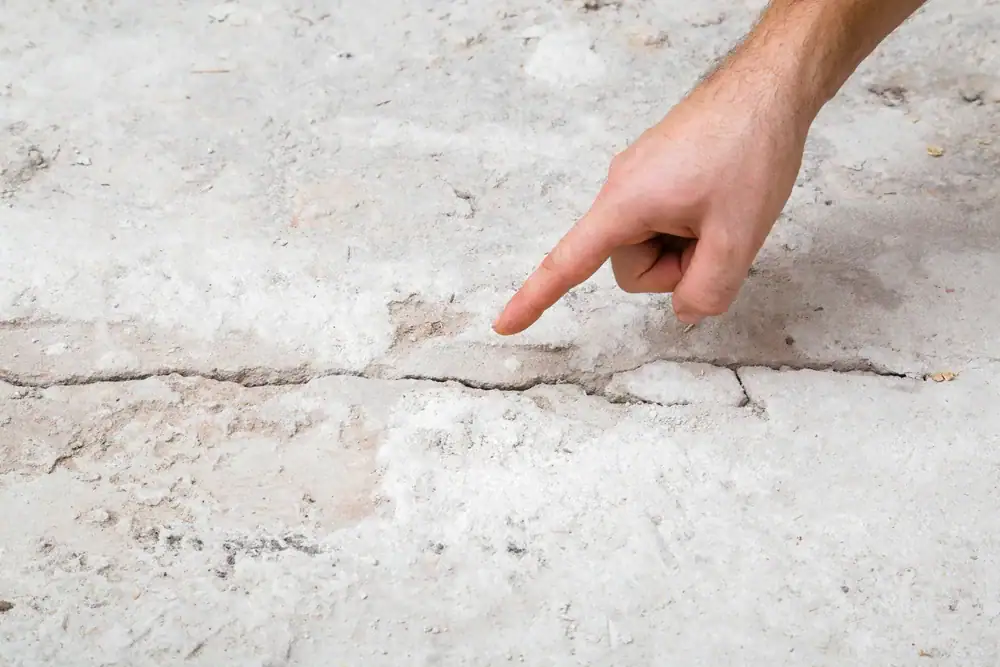
Concrete Crack Repair The Crossings Residents Trust
You’ve probably patched that driveway crack twice already. Maybe you’ve watched your pool deck slowly chip away, or noticed your foundation developing new cracks every rainy season. That’s not normal wear and tear—that’s Florida’s climate eating through surface-level repairs.
The Crossings sits 16 miles from downtown Miami, which means your concrete faces constant assault from salt air, 90% humidity, and surface temperatures hitting 158 degrees. When moisture gets into those cracks, it corrodes the steel reinforcement inside. That steel expands, creates pressure, and breaks your concrete apart from the inside out.
Professional concrete repair means addressing what’s happening below the surface. We’re talking about proper crack routing, moisture barriers, corrosion-resistant materials, and protective sealing systems designed specifically for coastal Florida conditions. The difference between a repair that lasts two years and one that lasts twenty comes down to understanding how concrete fails in this climate.
Your property value depends on more than curb appeal. Damaged concrete creates liability issues, safety hazards, and signals deferred maintenance to potential buyers. Getting it fixed correctly the first time means you stop paying for the same repair over and over.
Concrete Foundation Repair Contractors Serving The Crossings
We’ve worked with the U.S. Coast Guard, Army installations, and municipalities like the City of Doral and City of Sunny Isles Beach. Those contracts don’t go to companies that cut corners or disappear after the check clears. They go to contractors who show up, do the work right, and stand behind it.
We’ve been serving South Florida since 2020, specializing in concrete polishing, epoxy systems, and foundation repair. The Crossings community has the kind of properties that deserve professional-grade work—not the fly-by-night crews who treat Florida concrete like it’s anywhere else in the country.
When you call us, you talk directly to the people doing your work. No middleman general contractors, no runaround. We schedule a consultation, evaluate what’s actually wrong with your concrete, and give you transparent pricing before we start. If you need emergency concrete repair, we can turn projects around in 24-48 hours.
Our Concrete Repair Process in The Crossings
First, we come out and actually look at your concrete. Not a sales pitch—a real evaluation of what’s failing and why. We’re checking for spalling, measuring crack width and depth, testing for moisture intrusion, and identifying whether you’re dealing with surface damage or structural issues that need foundation-level attention.
Once we know what we’re working with, we explain your options. Sometimes that’s epoxy injection for foundation cracks. Sometimes it’s full surface grinding, crack repair, and a protective coating system. For concrete driveway crack repair or pool deck restoration, we might recommend resurfacing with materials that actually resist salt and chlorine damage.
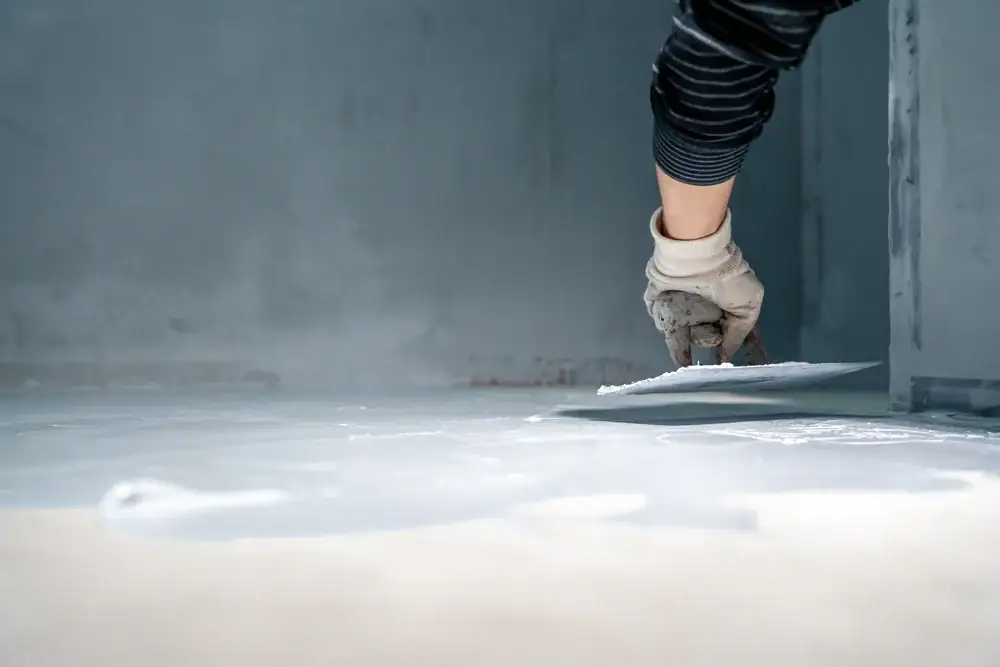
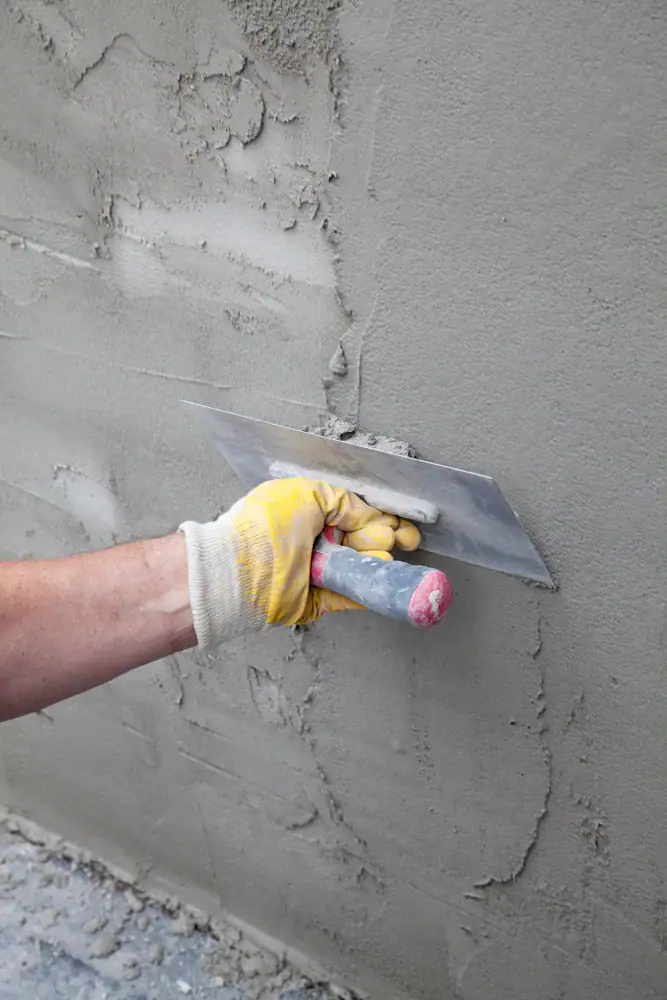
The actual repair starts with proper surface prep—diamond grinding to remove failed material and create a clean bond surface. We route out cracks to proper depth, fill them with commercial-grade epoxy or polyurethane compounds, then apply moisture barriers and protective sealants. For concrete floor repair in garages or commercial spaces, we can add polished or epoxy finishes that turn damaged concrete into a low-maintenance, moisture-resistant surface.
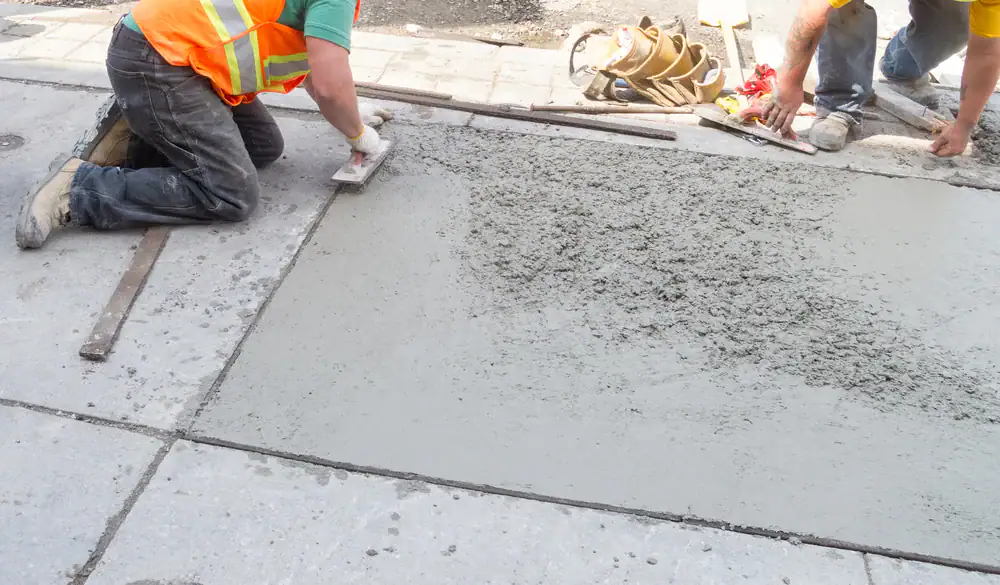
You get a timeline upfront. Most residential concrete repairs take 2-5 days depending on size and cure times. Commercial projects and concrete foundation repair work may take longer, but we’re not the crew that shows up randomly over three weeks. We schedule it, we do it, we clean up, and we follow up to make sure it’s holding up the way it should.
Ready to get started?
Concrete Restoration Services for The Crossings Properties
Every concrete repair project includes a full assessment of what’s causing the damage. In The Crossings, that usually means dealing with moisture intrusion, thermal expansion from heat cycles, or salt air corrosion if you’re close enough to the coast. We don’t just patch the visible crack—we address why it’s happening.
Surface preparation is non-negotiable. We use diamond grinding equipment to remove deteriorated concrete, open up cracks properly, and create the profile needed for repair materials to bond correctly. Skipping this step is why DIY repairs and cheap contractors fail within months.
Materials matter in South Florida. We work with Laticrete, Koster USA, Advanced Polymer Technology, and other commercial-grade manufacturers whose products are engineered for high-moisture, high-heat environments. For concrete step repair, pool concrete repair, or concrete sidewalk repair, we’re using epoxies and coatings that resist UV breakdown, chemical exposure, and constant thermal stress.
The final step is always protection. That means moisture barriers, penetrating sealers, or full coating systems depending on the application. For concrete slab repair in garages or warehouses, we can install epoxy flooring systems that handle vehicle traffic, chemical spills, and daily wear while looking cleaner than bare concrete ever could.
You also get direct communication throughout the process. When you call, you’re talking to the people who actually do the work—not a call center or project coordinator who’s never seen your property. We schedule follow-ups after completion to make sure everything is performing the way it should. If something’s not right, we come back and make it right.
How long does professional concrete repair actually last in Florida’s climate?
It depends entirely on what’s being repaired and how it’s done. Surface patching with hardware store products might last 6-18 months before Florida’s humidity and heat break it down again. Professional concrete crack repair using commercial epoxy injection and proper surface prep typically lasts 10-20 years or longer.
The difference comes down to materials and process. When we repair foundation cracks, we’re using flexible polyurethane or rigid epoxy systems rated for structural applications—not the stuff you squeeze out of a caulk tube. For concrete slab crack repair or driveway work, we’re routing cracks to proper depth, cleaning them completely, and filling them with compounds that can handle thermal expansion and moisture exposure.
The protective coatings and sealers we apply after repair are equally important. South Florida concrete needs barriers against moisture intrusion and salt penetration. Without that protection, even good repairs will eventually fail as water works its way back into the concrete and starts corroding rebar again. Done right, you’re looking at decades of performance, not years.
What’s causing my concrete to crack and chip away so quickly?
Florida’s climate is uniquely destructive to concrete. You’re dealing with three main factors: extreme heat cycles, constant moisture, and salt exposure if you’re anywhere near the coast. The Crossings is close enough to Miami that salt air is definitely a factor.
Here’s what happens: concrete surfaces heat up to 140-158 degrees during the day, then cool at night. That expansion and contraction creates stress. Add in humidity levels that stay above 70% most of the year, and moisture penetrates through any existing cracks or porous areas. Once water gets inside, it reaches the steel reinforcement (rebar) that gives concrete its strength.
Steel corrodes when exposed to moisture and oxygen. As it rusts, it expands—sometimes up to ten times its original volume. That expansion creates internal pressure that cracks and spalls the concrete from the inside out. Salt accelerates this process dramatically, which is why coastal properties deteriorate faster. If you’re seeing concrete chipping away in chunks (spalling), that’s almost always a sign of rebar corrosion underneath. Surface repairs won’t fix it—you need to address the corrosion and seal out future moisture.
Can you fix concrete foundation cracks or do I need a foundation specialist?
We handle concrete foundation repair for residential and commercial properties throughout The Crossings. Most foundation cracks in South Florida aren’t structural failures—they’re caused by settling, moisture movement, or thermal stress. Those are absolutely repairable with proper epoxy or polyurethane injection techniques.
The key is identifying what type of crack you’re dealing with. Hairline cracks under 1/8 inch that aren’t actively moving are usually cosmetic or caused by concrete shrinkage during curing. Wider cracks, horizontal cracks, or cracks that are getting bigger over time need more attention. We evaluate crack patterns, check for differential settlement, and determine whether you’re looking at a repair situation or something that needs structural engineering involvement.
For repairable foundation cracks, we use pressure injection systems to fill the crack completely from back to front with commercial epoxy or flexible polyurethane. This restores structural integrity and creates a waterproof barrier. If we evaluate your foundation and determine you need structural underpinning or helical piers, we’ll tell you that upfront—we’re not going to take your money for a repair that won’t solve the actual problem.
How much does concrete repair cost compared to full replacement?
Professional concrete repair typically runs $10-50 per square foot depending on the extent of damage and type of repair needed. Full concrete replacement runs $6-15 per square foot for basic work, but that doesn’t include demolition, removal, or dealing with the disruption to your property. Once you factor in those costs, replacement usually runs 2-4 times more than repair.
The real question is whether repair makes sense for your specific situation. If your concrete has widespread spalling across 60% of the surface, replacement might be more cost-effective long-term. If you’re dealing with isolated cracks, one section of damage, or foundation issues, repair is almost always the better financial decision.
Here’s what most homeowners in The Crossings don’t realize: properly repaired concrete often performs better than new concrete because we’re adding protective systems that weren’t there originally. When we repair a driveway or pool deck, we’re not just fixing cracks—we’re adding moisture barriers, penetrating sealers, and sometimes full coating systems that make the concrete more resistant to Florida’s climate than it was when first poured. You’re not just restoring it; you’re upgrading it.
Do you offer emergency concrete repair for urgent situations?
Yes. We can mobilize for emergency concrete repair within 24-48 hours depending on the scope of work and our current project schedule. Emergency situations usually involve safety hazards—trip hazards from lifted concrete, structural concerns with foundation cracks, or commercial properties that need flooring repaired immediately to stay operational.
We’ve done emergency concrete floor repair for commercial kitchens that couldn’t afford downtime, urgent pool concrete repair before scheduled events, and foundation crack repairs when homeowners were in the middle of real estate transactions. The key is calling as soon as you identify the problem rather than waiting until it becomes a crisis.
Not every concrete issue qualifies as an emergency, and we’ll be honest about that during your initial call. A slow-developing driveway crack isn’t urgent. A suddenly appearing foundation crack that’s actively leaking water is. A concrete step that’s pulled away from your house and created a fall hazard absolutely is. We prioritize based on safety risk and time sensitivity, and we’ll give you a realistic timeline for when we can get there and what the repair will involve.
Will repaired concrete look patched or can it match the existing surface?
That depends on what we’re repairing and what finish you want. For concrete crack repair on driveways or sidewalks, the repair material will be visible as a filled seam—we can’t make it invisible, but we can make it clean and professional-looking. If appearance is critical, we can resurface the entire section to create a uniform look.
For concrete floor repair inside garages, warehouses, or commercial spaces, we often recommend coating the entire floor with epoxy or polished concrete finishes after making repairs. That gives you a uniform appearance plus added protection against future damage. It’s more upfront cost, but you end up with a floor that looks better than it did originally and requires almost no maintenance.
Pool concrete repair and decorative concrete work offer more options. We can match existing textures, apply new overlays, or refinish entire sections to blend repairs seamlessly. For concrete foundation repair, appearance usually isn’t the priority—structural integrity and waterproofing are what matter. But if you’re repairing visible foundation walls or exposed concrete, we can apply coatings or finishes that make repairs far less noticeable. The bottom line: we’ll show you what’s possible during the consultation so you know exactly what to expect before we start.
Other Services we provide in The Crossings
Leave a Reply