


Concrete Repair in Tulip Park, FL
Fix It Right or Deal With It Twice
Hear from Our Customers
Concrete Foundation Repair Tulip Park
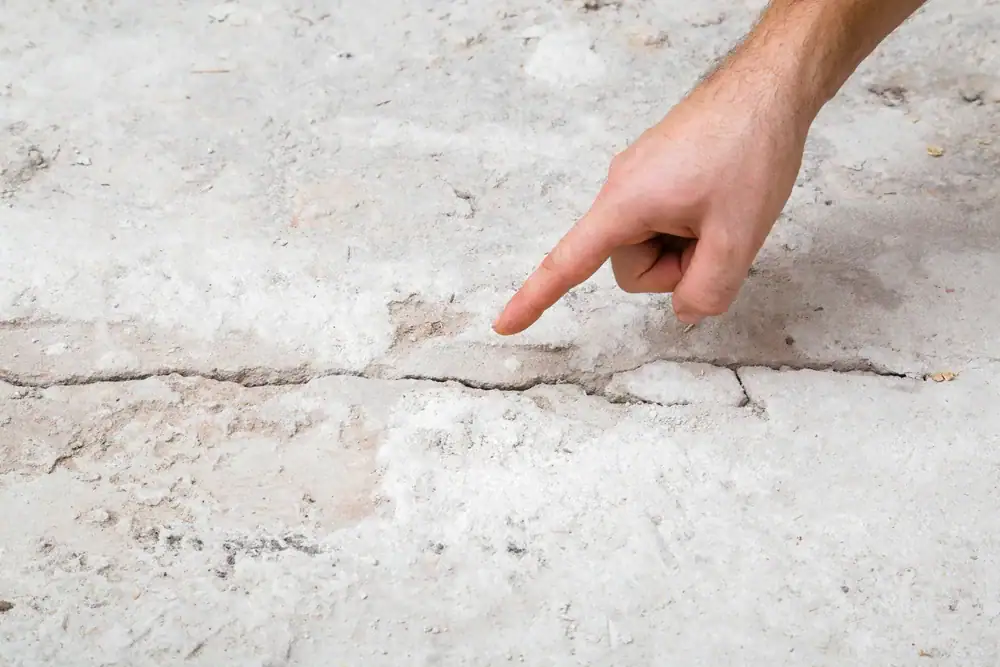
You’ve already noticed the crack spreading. Maybe it started small near your driveway, or you saw spalling around the pool deck after last summer’s heat. Now it’s wider, and you’re wondering if it’s just cosmetic or something that’ll cost you thousands if you wait another year.
Florida’s climate doesn’t give concrete a break. Humidity, salt air, thermal expansion, ground settlement—it all adds up. The longer damaged concrete sits, the more water gets in, the more the base erodes, and the bigger your repair bill becomes.
Proper concrete repair stops that cycle. It restores structural integrity, eliminates trip hazards, and protects your property value. You’re not just filling a crack—you’re preventing the kind of damage that leads to full slab replacement or foundation issues that make buyers walk away.
Concrete Company Tulip Park FL
SPF Industrial has been handling concrete restoration across South Florida since 2020. We’ve completed projects for the U.S. Coast Guard, the U.S. Army, the City of Doral, the City of Sunny Isles, and multiple county facilities. That’s not name-dropping—it’s proof that when structural integrity matters, we get the call.
We don’t subcontract. Every concrete repair, every epoxy application, every surface prep job is done by our full-time team. That means consistent quality, faster turnaround, and no surprises when someone shows up who’s never seen your project before.
Tulip Park properties face the same issues we see across South Florida: aging infrastructure, storm damage, and the relentless wear from heat and moisture. We’ve been repairing concrete foundations, driveways, pool decks, and commercial slabs in this area long enough to know what works and what’s a waste of your money.
Concrete Crack Repair Process Florida
First, we assess the damage. Not every crack needs the same fix, and not every repair method works in Florida’s climate. We look at the cause—settlement, thermal movement, water intrusion, structural load—and recommend the approach that’ll actually hold up.
Next comes surface preparation. This isn’t optional. We use shot-blasting, diamond grinding, or scarifying depending on the surface condition and repair type. If the substrate isn’t properly prepped, nothing bonds correctly. You’ll just be patching the same spot again in six months.
Then we apply the repair material. For cracks, that’s often epoxy injection or polyurethane foam, depending on whether the crack is active or dormant. For larger areas—spalled concrete, damaged slabs, or foundation sections—we use high-strength polymer-modified materials that handle Florida’s expansion and contraction cycles. We work with products from Sherwin Williams, Fosroc, Laticrete, and other commercial-grade manufacturers because they’re engineered for this climate.
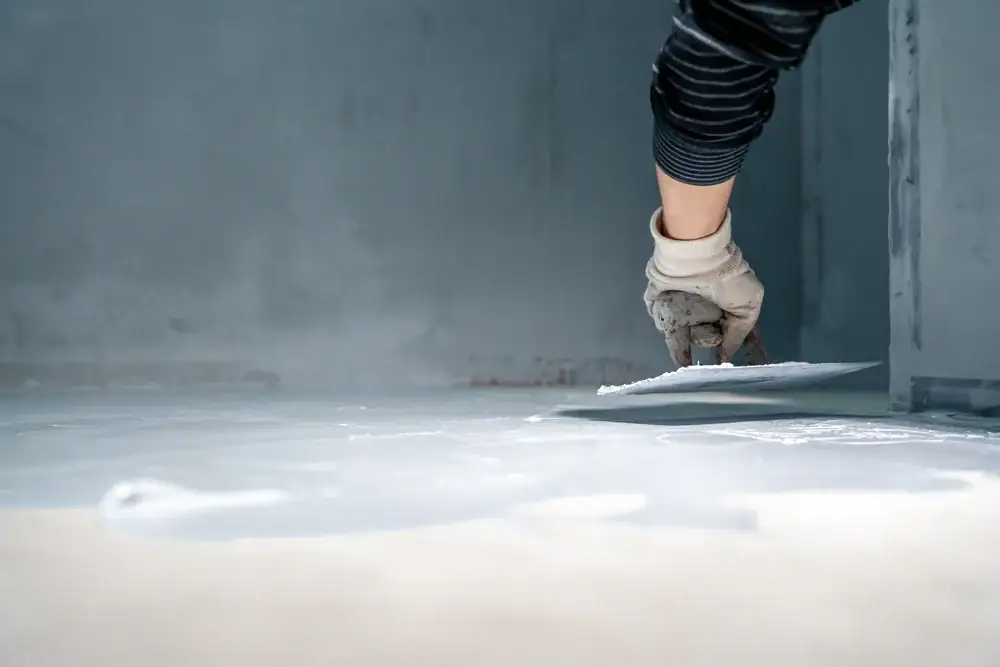
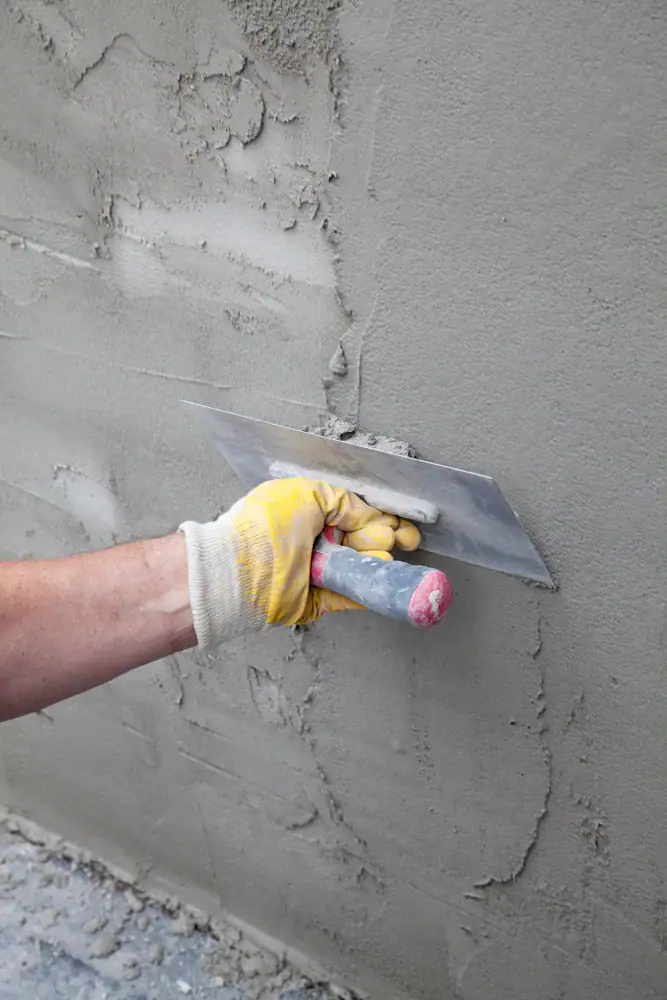
Finally, we finish and seal. Depending on the location and use, that might mean a smooth trowel finish, a non-slip texture, or a protective coating that keeps moisture out and extends the life of the repair. If you need it done fast, we can turn around most residential concrete floor repairs in 24 to 48 hours.
Ready to get started?
Epoxy Concrete Repair Tulip Park
You get an honest assessment. If your concrete slab crack doesn’t need a full repair, we’ll tell you. If it does, we’ll explain why and what happens if you wait. We’re not here to upsell—we’re here to fix the problem correctly so you don’t call us back next year.
You get the right materials for Florida. Concrete repair products that work in Minnesota don’t always work here. We use epoxy and polyurethane systems designed for high humidity, temperature swings, and salt exposure. That’s especially important for pool concrete repair, where water and chemicals are constantly testing the bond.
You get surface prep that matters. We don’t patch over loose concrete or skip the cleaning process. Shot-blasting removes weak surface material and opens the pores so repair products actually bond. It’s the difference between a repair that lasts two years and one that lasts twenty.
You get transparency. We’ll walk you through the process, show you what we’re seeing, and explain what we’re doing. Pricing is upfront. Timelines are realistic. If we run into something unexpected—like hidden damage once we open up a section—we’ll stop and talk to you before moving forward.
And if you’re dealing with concrete step repair, sidewalk damage, or driveway cracks, you get the same approach we use on government projects: preparation, quality materials, proper application, and a warranty that actually means something.
How do I know if my concrete crack needs professional repair or just filler?
If the crack is wider than a quarter-inch, if it’s growing, or if you can see vertical movement on either side, it needs more than hardware store filler. Those products might hide the crack temporarily, but they don’t address what’s causing it or stop it from spreading.
Cracks caused by settlement, structural load, or thermal expansion need proper repair methods—usually epoxy injection for narrow cracks or routing and sealing for wider ones. If water is getting underneath or if the crack runs through a load-bearing area like a foundation or slab, you’re looking at potential structural issues that get expensive if ignored.
The test: if you can fit a credit card into the crack, or if it’s longer than a few feet, get it looked at. Most concrete foundation contractors in Tulip Park, FL will do a free assessment. We do, and we’ll tell you if it’s something you can monitor or something that needs immediate attention.
What’s causing the concrete around my pool to crack and flake?
That’s spalling, and it’s common in Florida pool decks. It happens when water gets into the concrete, reaches the rebar or wire mesh, and causes rust. Rust expands, and that expansion pushes the concrete surface off in chunks.
Pool concrete repair usually involves removing the damaged material, treating any exposed rebar, and resurfacing with a polymer-modified overlay or epoxy coating that bonds to the existing concrete and resists water penetration. If the damage is extensive, you might need a full deck resurface.
The key is stopping it before it spreads. Once spalling starts, it accelerates because more surface area is exposed to water and chemicals. If you’re seeing flaking or pop-outs around your pool, especially near the coping or where water splashes frequently, address it now. Waiting turns a repair job into a replacement job.
How long does concrete repair take and when can I use the area again?
It depends on the repair type and the products used. Epoxy crack injection can be done in a few hours, and you can walk on it the same day. Concrete slab repair with a polymer overlay usually needs 24 to 48 hours before foot traffic and three to five days before vehicle traffic.
For concrete driveway crack repair, we typically recommend staying off it for at least 24 hours, longer if it’s a large patch or if we’re dealing with high temperatures that slow curing. Florida heat actually speeds up some curing processes but can cause issues with others, so we adjust materials and timing based on conditions.
If you need emergency concrete repair—say, a trip hazard in a commercial space or a safety issue at your property—we can prioritize fast-curing systems that get you back in service quicker. We’ve done 24-hour turnarounds for clients who needed floors ready for business the next day. Just know that faster curing sometimes means higher material costs.
Is it better to repair or replace damaged concrete?
If the damage is localized—a few cracks, a section of spalling, or surface deterioration—repair almost always makes more sense. You’re looking at a fraction of the cost and much less disruption. Concrete foundation repair, for example, can stabilize and restore a damaged area without tearing out the entire slab.
Replacement makes sense when the concrete has widespread failure: multiple large cracks, significant settling, or structural damage throughout. If more than 30% of the surface is compromised, or if the base has failed, you’re often better off starting over.
The gray area is when you have moderate damage and you’re planning other work anyway. If you’re renovating a space and the floor has several issues, replacement might make sense as part of the larger project. But if the concrete is structurally sound and the damage is repairable, a quality cement repair or epoxy overlay can give you another 10 to 20 years without the cost and mess of demolition and replacement.
Why do concrete repairs fail and how do I avoid that?
Most concrete repairs fail because of poor surface prep or using the wrong product for the conditions. If the surface isn’t clean, dry, and properly profiled, nothing bonds correctly. If the repair material isn’t designed for Florida’s climate, it’ll crack, delaminate, or break down within a year or two.
The other common failure point is not addressing the cause. If your concrete floor repair is patching a crack caused by ongoing settlement, and you don’t stabilize the base, the crack will just reappear. Same with water intrusion—if you’re repairing spalling but not fixing the drainage issue that’s causing it, you’re wasting money.
You avoid failed repairs by working with someone who preps correctly, uses commercial-grade materials, and actually looks at why the damage happened. That’s why we use shot-blasting and diamond grinding for surface prep, why we specify products based on the specific application and exposure, and why we don’t just slap patch material over a problem and call it done. Concrete sidewalk repair, concrete stair repair, whatever the job—it only works if it’s done right from the start.
Do you offer warranties on concrete repair work in Tulip Park?
Yes. Our warranties cover both materials and workmanship, and the length depends on the type of repair and the conditions. Most concrete crack repairs and epoxy applications come with a minimum one-year warranty, with longer coverage available on larger projects or when we’re using specific manufacturer-backed systems.
What the warranty doesn’t cover: damage from new settling, changes to the structure, or issues caused by improper maintenance or use. If your concrete slab repair fails because a tree root pushes up underneath it six months later, that’s a new problem, not a workmanship issue.
We’re also upfront about what’s realistic. Some repairs—especially on very old concrete or in areas with ongoing movement—are more about stabilization and extending life than providing a permanent fix. We’ll tell you that before we start. And if something does fail within the warranty period because of our work or materials, we’ll come back and make it right. We’ve been doing this long enough in South Florida that our reputation matters more than avoiding a callback.
Other Services we provide in Tulip Park
Leave a Reply