


Concrete Repair in Watergate, FL
Concrete That Actually Lasts in Florida’s Climate
Hear from Our Customers
Concrete Crack Repair Watergate Residents Trust
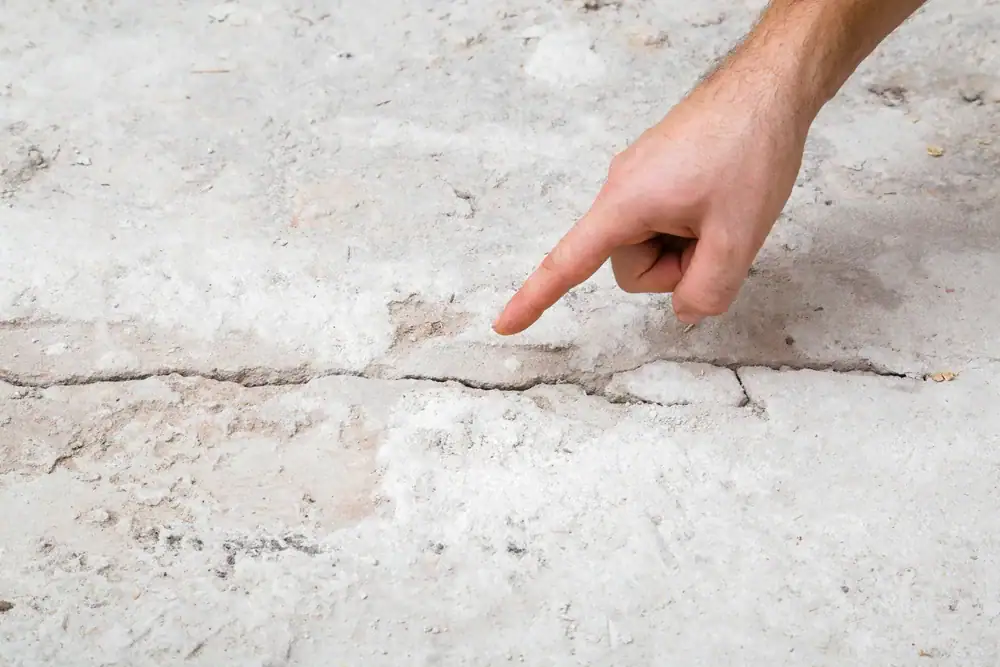
You’ve probably watched concrete crack again six months after someone “fixed” it. That’s not bad luck—it’s bad prep work and wrong materials for Florida.
When concrete repair actually works, you stop worrying about trip hazards on your driveway. You stop watching cracks spread across your garage floor. You stop getting quotes for the same problem every year.
The difference comes down to moisture management and surface prep. Florida’s humidity doesn’t care about quick fixes. Concrete here gets hit with 140-degree surface temps, salt air if you’re near the coast, and moisture that seeps up from below. Skip proper moisture testing and primer application, and you’re just buying time until the next failure.
Concrete foundation repair done right means addressing what’s underneath, not just what you see on top. Epoxy concrete repair only bonds when the surface is properly prepared—shot-blasting and diamond grinding, not a quick sweep and slap. When you handle those fundamentals, concrete floor repair holds for ten-plus years instead of two.
Watergate’s Concrete Foundation Contractors
We work with property owners in Watergate who are tired of contractors treating Florida climate like it’s optional. We’re veteran-owned, which means we show up when we say we will and we don’t leave until it’s done right.
Our crews have handled concrete projects for the Coast Guard, US Army, City of Doral, and Sunny Isles municipal facilities. Government work doesn’t tolerate shortcuts, and neither do we. Everything gets done by our full-time employees—no subcontractors rotating through your property.
Watergate sits in an area where the median home value jumped 16.6% in one year. That means your property investment matters, and the concrete protecting it needs to hold up. We use Sherwin Williams and Fosroc commercial-grade materials because they’re formulated for high-moisture environments. You get the same products we’d use on a military installation, applied with the same standards.
Our Concrete Repair Process in Watergate
First, we test moisture levels. Concrete holding more than 4% moisture will reject coatings and epoxy from the ground up. Most contractors skip this step. We don’t.
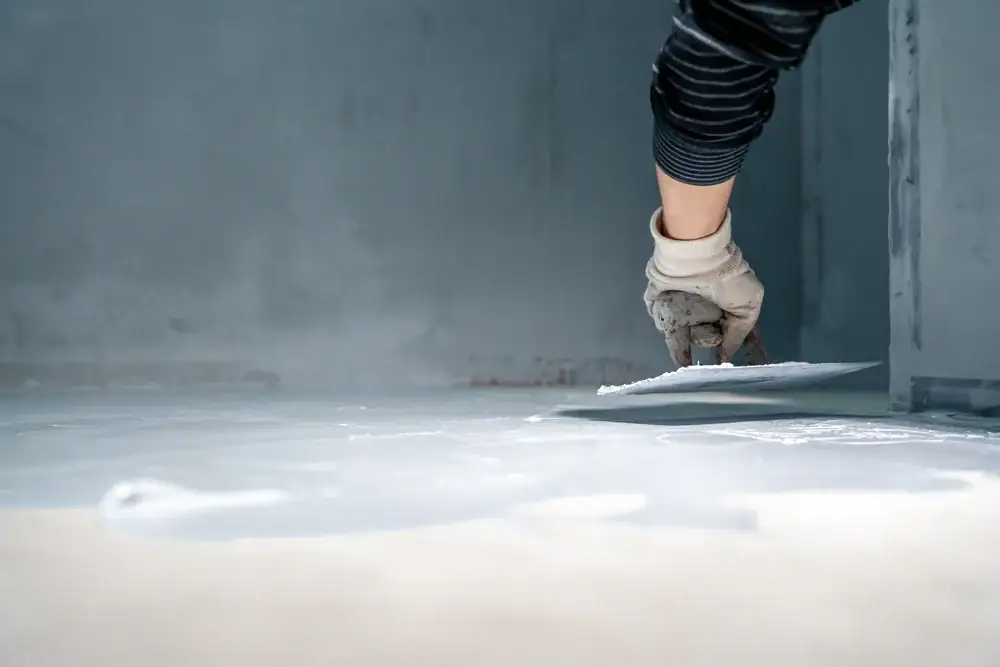
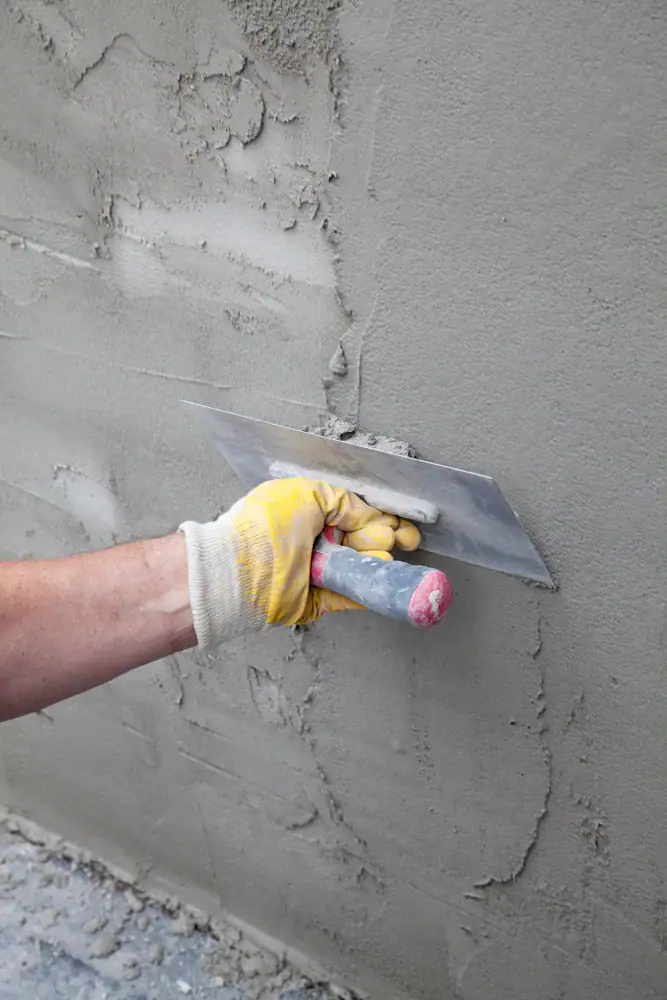
Next comes surface preparation—shot-blasting or diamond grinding depending on what your concrete needs. This isn’t optional. Proper adhesion requires a clean, profiled surface. We remove all contaminants, failed coatings, and weak surface layers. Then we address cracks with routing and proper crack repair compounds, not just topical fillers that pop out in three months.
After prep, we apply moisture-blocking primers if your concrete needs them. Florida humidity is relentless, and some slabs need that extra barrier. Then comes your repair system—whether that’s epoxy for high-traffic areas, polyurethane for flexibility, or specialized resurfacing compounds for larger sections.
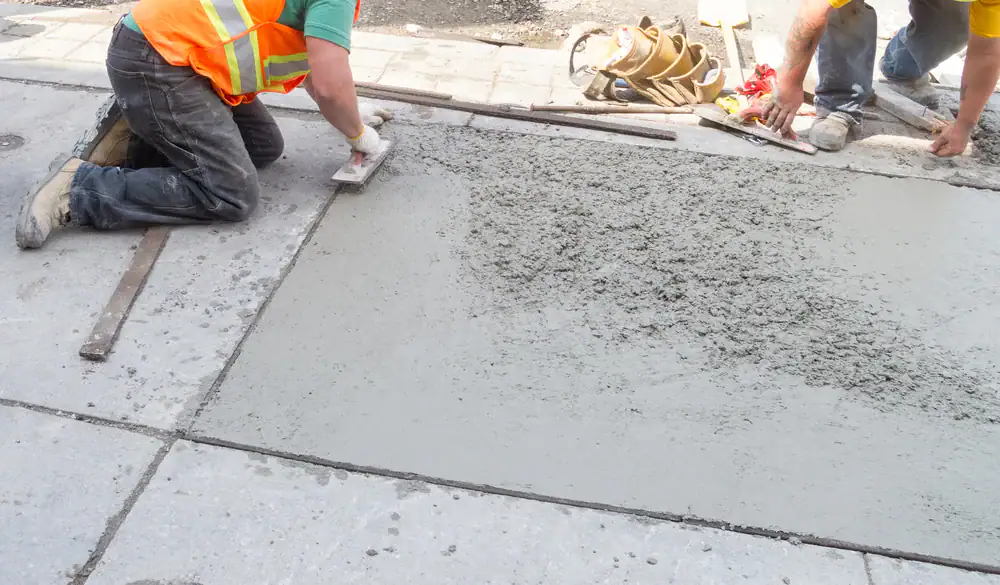
We work around your schedule. Most concrete driveway crack repair and concrete floor repair projects wrap in 24 to 48 hours depending on size and cure times. You’ll know the timeline before we start, and we’ll tell you exactly when you can use the surface again.
Ready to get started?
Concrete Repair Services in Watergate, FL
You get a free consultation where we actually look at your concrete and explain what’s failing and why. No pressure, no upselling—just straight answers about what needs to happen.
Concrete step repair and concrete stair repair get the same attention as larger projects. Trip hazards are liability issues, and we treat them that way. Concrete sidewalk repair often involves leveling sunken sections and repairing spalling before it spreads. Pool concrete repair requires waterproof systems that handle constant moisture exposure and chemical treatments.
Watergate’s construction industry employs over 11% of the local workforce, which means you’ve got options for contractors. What separates concrete foundation contractors who last from ones who don’t is how we handle Florida’s specific challenges. Cement crack repair fails when moisture isn’t addressed first. Concrete slab repair only holds when the underlying cause—whether it’s settling, water intrusion, or thermal expansion—gets fixed alongside the visible damage.
We handle cement repair for residential driveways, commercial floors, municipal walkways, and industrial facilities. The approach changes based on traffic loads and exposure, but the fundamentals stay the same: test moisture, prep correctly, use appropriate materials, apply proper thickness, allow full cure time.
How long does concrete repair actually last in Florida’s climate?
Properly installed concrete repair systems last ten to fifteen years in Florida when moisture is managed and surface prep is done right. That’s the realistic timeline when you use commercial-grade materials designed for high-humidity environments.
Most failures happen in the first two years, and they’re almost always tied to skipped steps during installation. If the concrete wasn’t tested for moisture, if the surface wasn’t profiled correctly, or if the wrong product was used for the conditions, you’ll see delamination, bubbling, or cracking well before the material’s actual lifespan.
Florida’s concrete gets hit harder than most climates. Surface temperatures reach 140 to 158 degrees in summer. Humidity stays high year-round. Coastal areas add salt exposure. Those conditions don’t forgive shortcuts. When we use the right moisture barriers, proper primers, and proven application methods, concrete repairs hold up. When contractors don’t, you’re calling someone back in six months.
What causes concrete to keep cracking after it’s been repaired?
Concrete keeps cracking after repair when the underlying movement or moisture issue wasn’t addressed—just the surface symptom. Cracks are usually telling you something about what’s happening below the slab or within the concrete itself.
Common causes include ongoing settlement from poorly compacted soil, water intrusion creating pressure from below, or thermal expansion and contraction that wasn’t accommodated in the repair. If someone just filled your crack with a rigid compound and called it done, that crack will reappear as soon as the concrete moves again. Flexible crack repair systems and proper joint placement help concrete move without failing.
Florida adds another layer of complexity with moisture. When humidity migrates up through concrete and hits a non-breathable coating or repair, it creates pressure that breaks the bond. That’s why moisture testing before any repair matters. You need to know what you’re dealing with before you cover it up. Proper repairs account for movement and moisture—not just the visible crack.
How much does concrete foundation repair cost in Watergate?
Concrete foundation repair in Watergate typically ranges from a few hundred dollars for minor crack repairs to several thousand for structural foundation issues requiring underpinning or extensive work. The real cost depends on what’s causing the problem and how far it’s progressed.
Surface cracks from settling or thermal movement cost less to address than foundation walls showing horizontal cracks or bowing, which signal structural issues. The size of the affected area, accessibility, and whether you need waterproofing or drainage solutions all factor into pricing. Foundation work isn’t something you want to cheap out on—it’s holding up your entire structure.
We provide free consultations where we assess what’s actually happening with your foundation and give you transparent pricing before any work starts. You’ll know what needs to be done, why it needs to be done, and what it costs. Some foundation issues can be addressed with epoxy injection or polyurethane foam. Others need more involved solutions. The only way to know is to have someone who understands foundations look at yours.
Can you repair concrete without replacing the entire slab?
Yes, most concrete damage can be repaired without full replacement if you catch it before the structural integrity is completely compromised. Concrete resurfacing, crack repair, and spalling repairs extend the life of existing slabs at a fraction of replacement cost.
Resurfacing works when the underlying concrete is still structurally sound but the surface is damaged, stained, or deteriorating. We can apply a new wear layer that bonds to the existing concrete and gives you a fresh, durable surface. Crack repair and epoxy injection stabilize cracks and prevent them from spreading. Spalling—where the surface is flaking or pitting—can be patched and sealed before it reaches the rebar.
Full replacement becomes necessary when the concrete has extensive cracking throughout, when rebar is heavily corroded, or when the slab has settled unevenly beyond what leveling can fix. But that’s not most situations. A proper assessment tells you whether repair or replacement makes sense for your specific concrete. We’ll walk you through what’s realistic and what’s not worth trying to save.
Why do concrete coatings fail so quickly in Florida?
Concrete coatings fail quickly in Florida because moisture wasn’t properly addressed before application, or because the wrong coating system was used for the environment. Florida’s humidity is the main culprit—it doesn’t stop just because you put something on top of the concrete.
When concrete holds more than 4% moisture content, coatings lose up to 75% of their adhesion strength. That moisture migrates up through the slab, gets trapped under the coating, and creates pressure that causes bubbling, peeling, and delamination. If no one tested moisture levels before coating your concrete, failure was built in from day one.
The other common issue is using residential-grade products on concrete that needs commercial-grade solutions. Florida’s heat, UV exposure, and humidity require coatings specifically formulated for those conditions. Cheap big-box store epoxy might work in a climate-controlled garage in Colorado. It won’t last in a Florida driveway that hits 150-degree surface temps. Proper moisture mitigation, the right primer system, and commercial-grade topcoats designed for high-moisture environments—that’s what actually holds up here.
What’s the difference between epoxy and polyurethane for concrete repair?
Epoxy is rigid and incredibly strong, making it ideal for high-traffic areas and structural repairs where you need maximum bond strength and compressive resistance. Polyurethane is flexible and better suited for areas with movement, thermal expansion, or where you need crack-bridging properties.
For concrete floor repair in garages, warehouses, or commercial spaces with heavy equipment, epoxy provides the hardness and chemical resistance you need. It bonds aggressively to properly prepared concrete and creates a wear layer that handles impact and abrasion. But epoxy doesn’t flex, so if your concrete moves—from settling, temperature swings, or ongoing foundation issues—epoxy can crack.
Polyurethane systems flex with the concrete, which makes them better for outdoor applications like driveways and walkways where temperature changes cause expansion and contraction. They’re also more UV-stable than epoxy, so they don’t yellow or chalk as quickly in direct sunlight. For crack repair specifically, polyurethane injection works well for active cracks that are still moving, while epoxy injection is better for stabilizing static cracks. The right choice depends on what your concrete is doing and what it needs to withstand.
Other Services we provide in Watergate
Leave a Reply