


Concrete Repair in West Miami, FL
Concrete That Holds Up to Miami’s Weather
Hear from Our Customers
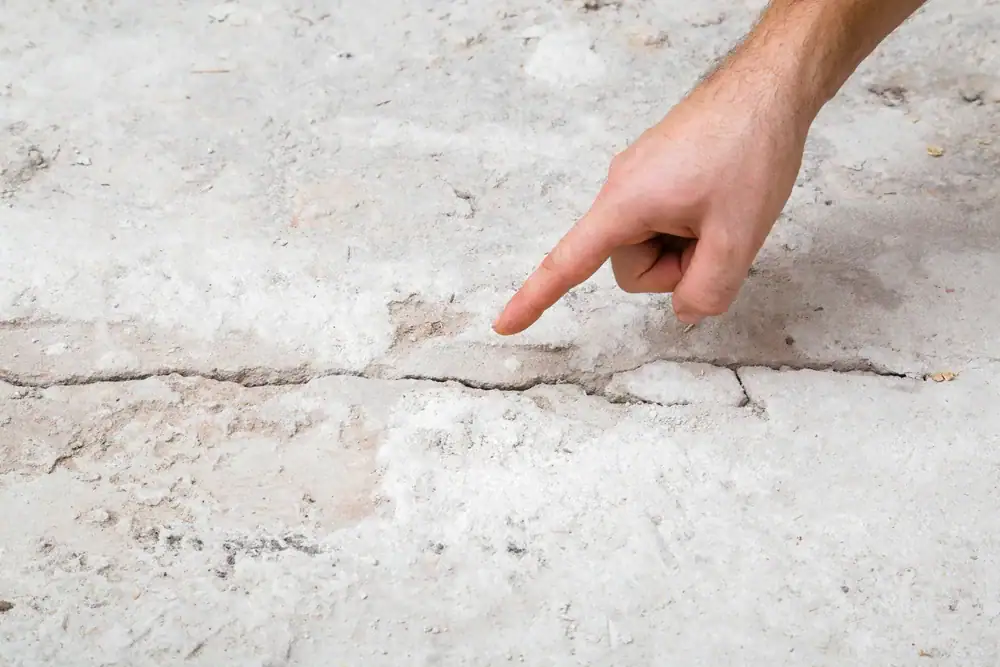
Concrete Crack Repair West Miami
You’re not looking for a patch job that fails in six months. You need concrete repair that stands up to what West Miami throws at it—humidity that never quits, salt air eating away at surfaces, and storm season that keeps coming back.
That’s what drives our approach. We use polymer-modified materials and epoxy systems that bond stronger than the concrete itself. The repairs we do for pool decks, driveways, and foundations aren’t just cosmetic. They restore structural integrity so you’re not dealing with the same problem next year.
Most concrete in Miami-Dade County doesn’t fail because it’s old. It fails because it wasn’t protected against the environment. When we repair concrete foundation cracks or resurface a deteriorating slab, we’re addressing both the damage and the conditions that caused it. You get a surface that looks clean and performs under pressure.
West Miami Concrete Foundation Contractors
We’ve handled concrete projects for the U.S. Coast Guard, the Army, the City of Doral, the City of Sunny Isles, and multiple high schools across Miami-Dade County. When government agencies need concrete work done right, they call us.
We’ve been operating since 2020, which means we’ve worked through multiple hurricane seasons here. We know what concrete looks like after a storm, how insurance adjusters think, and what repairs actually hold up long-term in West Miami’s coastal environment.
You’re dealing directly with us—no general contractor markup, no runaround. We specialize in epoxy flooring, polished concrete, and resurfacing. That’s it. We’re not trying to be everything to everyone. We do concrete repair, and we do it well.
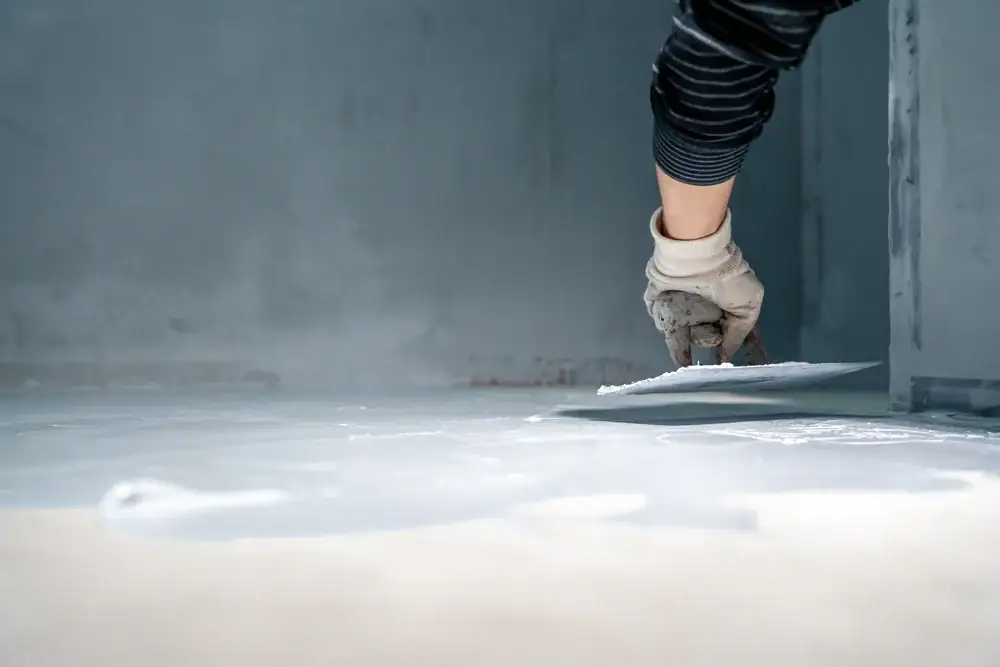
Epoxy Concrete Repair Process
First, we assess the damage. That means looking at cracks, checking for underlying issues like soil settlement or water intrusion, and determining whether you need a repair or a full replacement. Most of the time, if the concrete is structurally sound, we can repair it for a fraction of replacement cost.
Next, we prep the surface. We clean out debris, remove any loose material, and make sure the repair area is ready for bonding. This step matters more than people think—if the surface isn’t prepped right, even the best materials won’t hold.
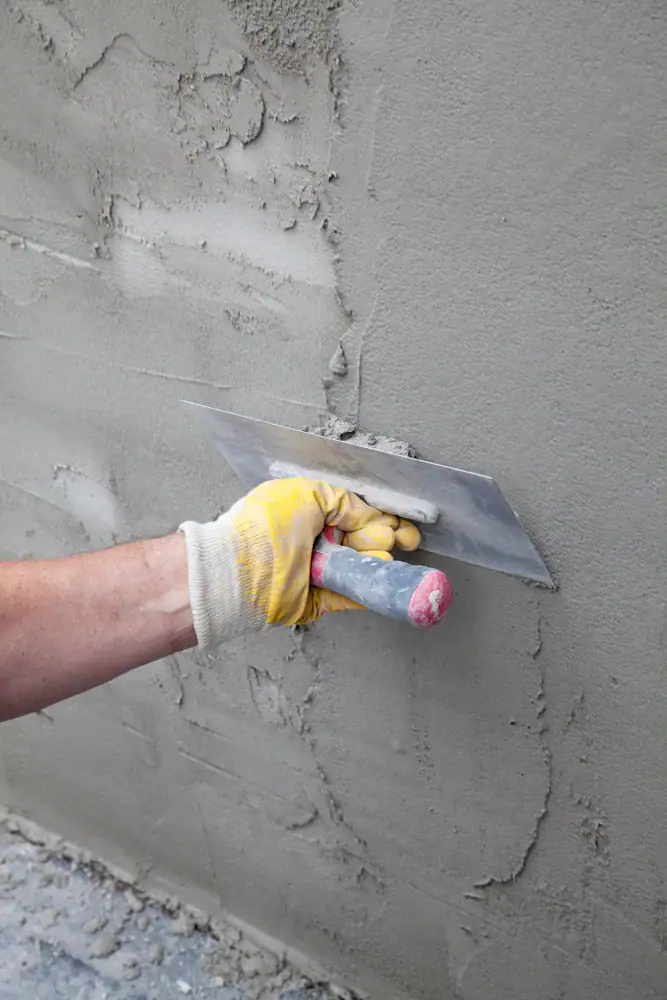
Then we apply the repair. Depending on what you need, that could be epoxy injection for foundation cracks, polyurethane foam to lift settled slabs, or a polymer-modified overlay for resurfacing. We work with Sherwin Williams and Fosroc products because they perform in Miami’s climate.
Finally, we finish and seal. The repair gets smoothed, cured, and sealed against moisture and salt air. For driveways and pool decks, we can match existing textures. For commercial floors, we add safety striping if needed. Turnaround is usually 24 to 48 hours for most residential jobs.
Ready to get started?
Pool Concrete Repair West Miami
We handle concrete crack repair for driveways, patios, pool decks, sidewalks, and foundations. If you’ve got spalling from salt air exposure, we remove the damaged concrete and apply a bonded overlay that resists further corrosion. If your driveway has settled and created a trip hazard, we use expanding polyurethane foam to lift it back into place—cleaner and faster than mud jacking.
For concrete foundation repair, we inject epoxy into cracks to restore structural integrity and prevent water intrusion. This is critical in West Miami, where heavy rains and high water tables put constant pressure on foundations. Ignoring foundation cracks doesn’t just risk structural damage—it invites mold, pest issues, and insurance headaches down the line.
Hurricane damage is common here. Miami gets hit or brushed by a hurricane roughly every two years, and the damage isn’t always obvious right away. Concrete can crack from ground shifting, water pressure, or debris impact. We’ve worked with property owners on insurance claims and know how to document damage properly so you’re not left covering costs that should be paid out.
We also do polished concrete and epoxy flooring for garages, warehouses, and commercial spaces. These aren’t just aesthetic upgrades—they create surfaces that resist chemicals, reduce maintenance, and last decades when done right.
How long does concrete repair last in West Miami’s climate?
It depends on the materials and the prep work. Standard concrete patching compounds break down fast here because they can’t handle the humidity and salt air. That’s why we use polymer-modified and epoxy-based systems—they bond stronger and resist environmental degradation better than conventional materials.
Research shows polymer-modified concrete repairs have about 45% higher durability compared to traditional methods. In practical terms, that means a properly done epoxy concrete repair or resurfaced driveway should last 10 to 15 years, sometimes longer, depending on traffic and maintenance.
The key is addressing the root cause, not just the symptom. If a crack formed because of soil settlement, we need to stabilize the slab first. If it’s from salt air corrosion, we need to seal against moisture penetration. Skipping those steps means you’re just buying time before the problem comes back.
Can you repair concrete instead of replacing it entirely?
Most of the time, yes. If the concrete is structurally sound—meaning it’s not severely deteriorated or completely broken apart—repair is almost always more cost-effective than replacement. We’re talking about a fraction of the cost and a fraction of the disruption.
For concrete foundation cracks, epoxy injection restores strength and stops water intrusion without tearing out the slab. For settled concrete slabs, polyurethane foam lifting brings them back to level in a couple hours. For surface damage like spalling or scaling, a bonded overlay gives you a fresh, durable surface without the cost of demolition and repour.
Replacement makes sense when the concrete has failed structurally—extensive cracking, severe settlement, or reinforcement corrosion that’s compromised the integrity. We’ll tell you straight if that’s the case. But in our experience, especially with residential driveways, patios, and pool decks in West Miami, repair handles the problem and saves you money.
How soon can you start after a hurricane damages my concrete?
We typically respond within 24 to 48 hours for emergency concrete repair. After a storm, that speed matters—not just for safety, but for insurance claims. Damage documentation needs to happen fast, and temporary fixes may be necessary to prevent further issues while you wait for adjuster approval.
Hurricane damage to concrete isn’t always obvious immediately. You might see surface cracks right away, but ground shifting and water intrusion can cause problems that show up weeks later. We assess the full scope of damage, document it with photos and notes for your claim, and give you a clear timeline for repairs.
Miami gets hit by hurricanes roughly every two years, so we’ve handled this process many times. We know how local adjusters work, what they look for, and how to present repairs in a way that supports your claim. The goal is getting your property safe and functional again without you eating costs that insurance should cover.
Why does concrete crack so much faster near the coast?
Salt air accelerates corrosion of the steel reinforcement inside concrete. When that rebar rusts, it expands—and that expansion creates pressure that cracks the concrete from the inside out. It’s called spalling, and it’s extremely common in West Miami and other coastal areas.
On top of that, you’ve got constant humidity, heavy seasonal rain, and temperature swings that cause expansion and contraction. Concrete is porous, so moisture gets in, and when it’s carrying salt, the damage compounds. That’s why you see driveways and pool decks deteriorating faster here than they would inland.
The solution isn’t just fixing the crack—it’s sealing the concrete against moisture and using repair materials that resist salt intrusion. Epoxy and polymer-modified systems create a barrier that standard concrete can’t match. If you’re repairing concrete in West Miami without accounting for salt air, you’re setting yourself up to do it again in a few years.
Do you work directly with homeowners or only through contractors?
We prefer working directly with property owners. That means you’re talking to the people actually doing the work—no middleman, no markup, no miscommunication. When you call us, you get a 1-on-1 consultation where we walk the site, explain what’s needed, and give you transparent pricing on the spot.
General contractors add a layer of cost and complexity that doesn’t benefit you. We’ve seen projects where the GC takes 20% to 30% off the top just for coordinating a job we could handle start to finish. That’s money that could go toward better materials or a larger repair scope.
We’re licensed and insured, and we’ve worked on projects for the Coast Guard, the U.S. Army, and multiple municipalities across Miami-Dade County. You’re not sacrificing credibility or quality by working with us directly—you’re getting more value and clearer communication. If you’ve got a concrete issue, call us. We’ll tell you what it’ll take to fix it right.
What’s the difference between epoxy injection and foam lifting for concrete repair?
Epoxy injection is for cracks—specifically structural cracks in foundations, slabs, or walls. We inject a two-part epoxy resin into the crack under pressure, and it bonds the concrete back together. Once cured, the repair is often stronger than the surrounding concrete. This method stops water intrusion, restores load-bearing capacity, and prevents the crack from spreading.
Foam lifting, also called polyurethane foam injection or slab jacking, is for settled or sunken concrete. We drill small holes in the slab and inject expanding polyurethane foam underneath. The foam fills voids, lifts the concrete back to level, and stabilizes the soil below. It’s faster and cleaner than traditional mud jacking, and the foam is lightweight so it won’t add stress to already compromised soil.
Both methods address specific problems, and sometimes a job needs both. If your driveway has settled and cracked, we might lift it with foam and then seal the cracks with epoxy. The right approach depends on what’s causing the damage and what you’re trying to achieve. We assess that during the consultation and recommend what actually makes sense for your situation.
Other Services we provide in West Miami
Leave a Reply