


Concrete Repair in Wilson Groves, FL
Concrete That Stays Fixed in Florida’s Climate
Hear from Our Customers
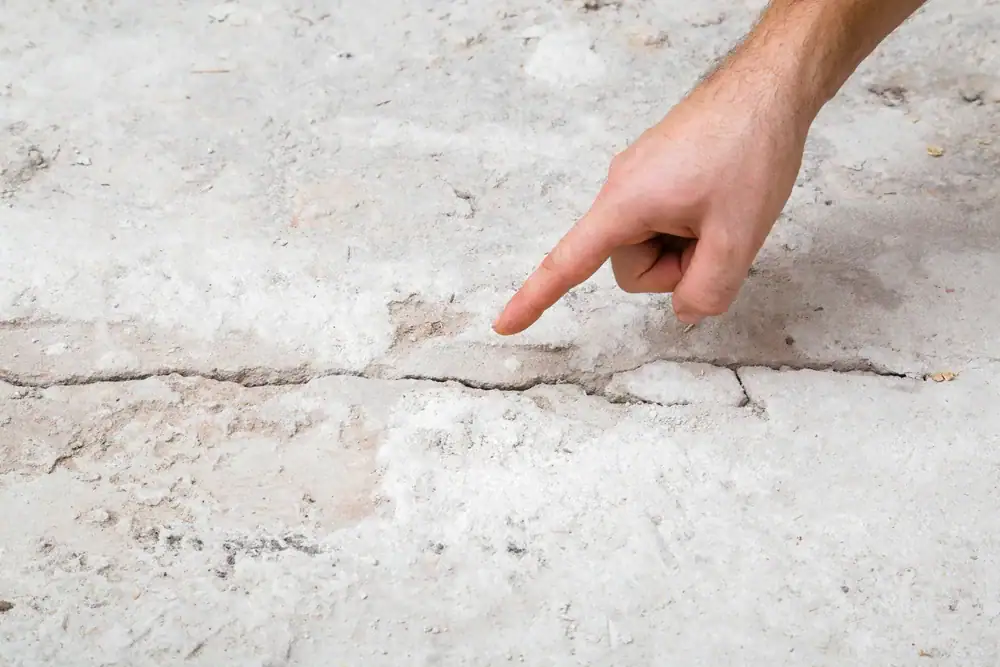
Concrete Crack Repair Wilson Groves
You’ve probably noticed the pattern. A crack appears. You patch it. Six months later, it’s back—bigger than before.
That’s not your fault. Most concrete repair fails in South Florida because contractors don’t account for what’s happening beneath the surface. Moisture doesn’t just sit on top of your concrete. It seeps through cracks, weakens the bond between old and new material, and creates pressure that forces repairs apart.
When we repair concrete foundation cracks or fix your driveway, we’re not just filling holes. We’re sealing against moisture intrusion, reinforcing weak points, and using materials designed specifically for Florida’s conditions. The repairs hold because they’re engineered to handle what this climate throws at them.
You get a surface that looks clean and stays structurally sound. No callbacks in six months. No watching the same crack reappear. Just concrete that does its job.
Concrete Foundation Contractors Wilson Groves
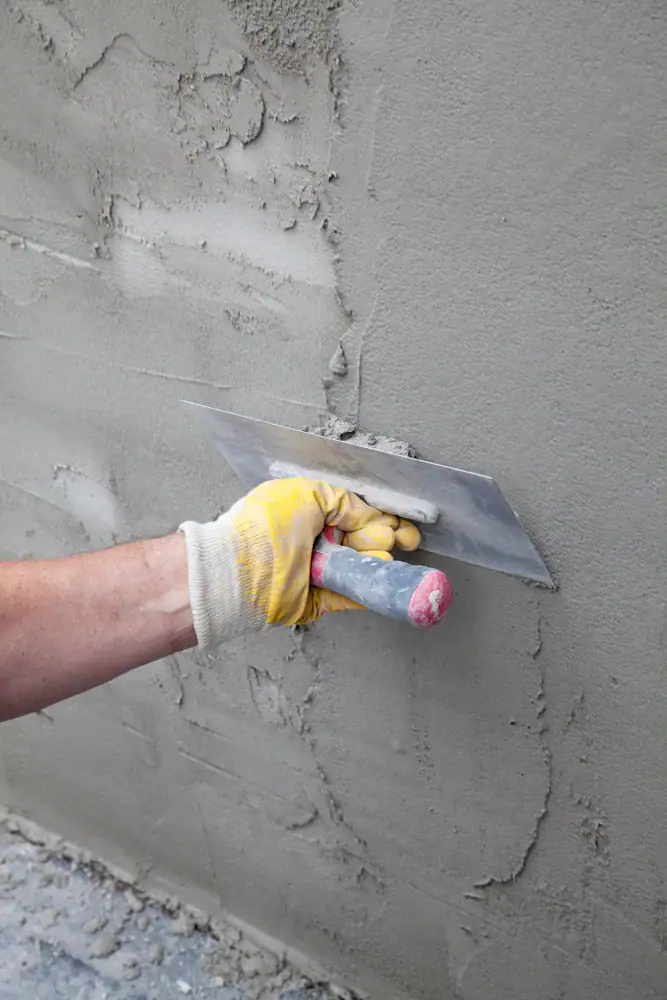
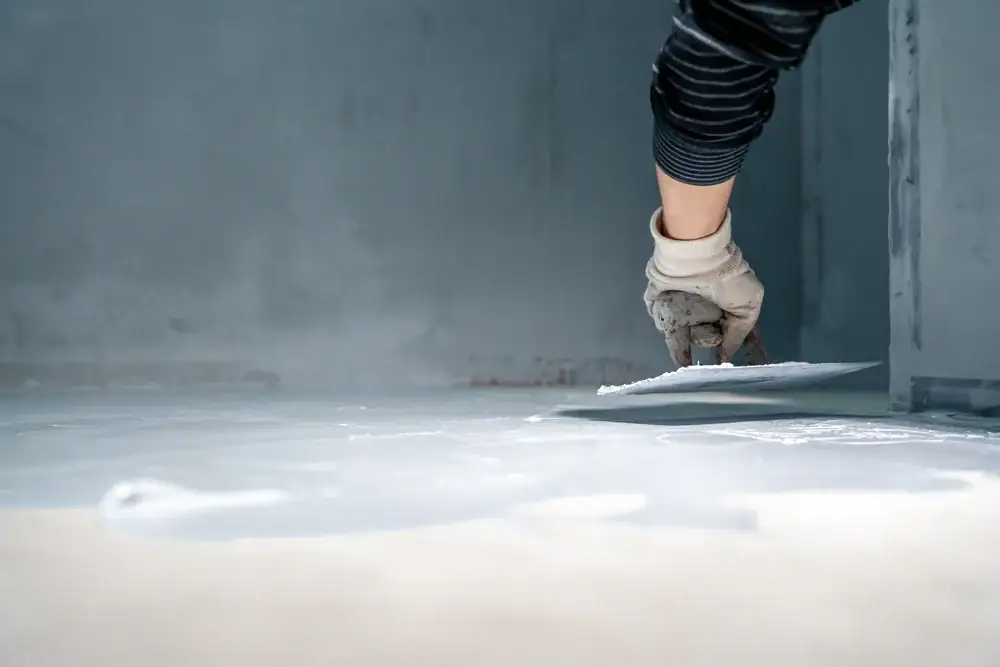
Concrete Floor Repair Process Wilson Groves
First, we look at what’s actually wrong. Not just the crack you can see, but what caused it. We measure moisture levels in your concrete slab because humidity is usually the real problem. If we don’t fix that, nothing else matters.
Next, we prep the surface. This isn’t a quick sweep and patch. We remove weak concrete, clean out contaminants, and create a profile that new material can actually bond to. Most failed repairs happen because this step gets rushed.
Then we apply the repair using epoxy or specialized concrete products from Sherwin Williams and Fosroc. These aren’t hardware store materials. They’re designed to flex with temperature changes and block moisture penetration. We match the application method to your specific problem—crack injection for foundation issues, resurfacing for floor damage, full-depth repair for structural concerns.
Finally, we seal and finish. The goal is a repair that blends in and holds up. Depending on the project, this might mean polishing, applying a protective coating, or adding slip-resistant texture for safety.
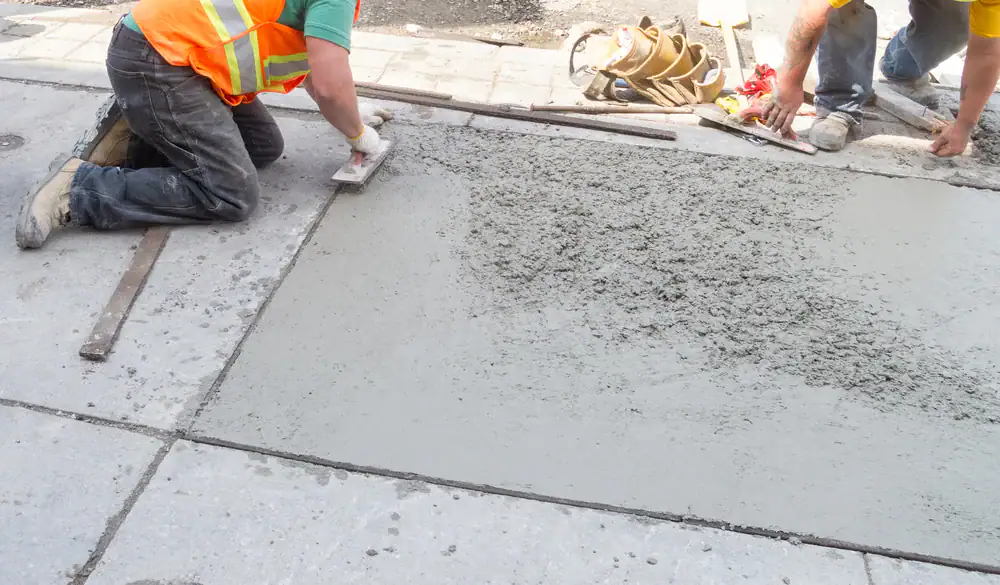
Most residential concrete repairs in Wilson Groves take one to two days. Commercial projects vary based on square footage and complexity. We’ll give you a realistic timeline upfront.
Ready to get started?
Epoxy Concrete Repair Services Wilson Groves
You’re getting more than a patch job. Every concrete repair project includes moisture testing, surface preparation, and material selection based on your specific conditions. We don’t use the same approach for a concrete driveway crack repair that we’d use for pool concrete repair or concrete step repair.
For foundation work, we inject epoxy deep into cracks to restore structural integrity and prevent water intrusion. For floors, we might polish, resurface, or apply an epoxy coating depending on the damage and how you use the space. Driveways and sidewalks get treatments that handle vehicle weight and weather exposure.
Wilson Groves properties face unique challenges. The flooding risk here means your concrete is exposed to standing water more often than properties just a few miles away. We factor that into material choice and application technique. A standard cement crack repair that works in drier climates will fail here within months.
We also handle concrete slab repair for commercial spaces, concrete stair repair for multi-level properties, and concrete sidewalk repair for businesses that need safe, attractive walkways. Every project includes a consultation where we explain what we found, what we recommend, and why it’ll work for your specific situation.

How long does concrete crack repair actually last in South Florida?
It depends entirely on how the repair is done. A surface patch might last six months. A properly executed repair should last years.
The difference comes down to moisture control and material selection. In Wilson Groves, where humidity stays high year-round and flooding is a real risk, standard concrete repair methods fail fast. Water gets under the patch, weakens the bond, and creates pressure that forces the repair apart.
When we repair concrete cracks, we start by measuring moisture in the slab. If levels are too high, we address that first—either by allowing proper dry time or applying a moisture barrier. Then we use epoxy or polymer-modified materials that bond even in humid conditions and flex with temperature changes instead of cracking.
Lab testing shows that skipping moisture prep reduces adhesion by up to 75%. That’s why so many repairs fail. We don’t skip it. For foundation cracks, we inject epoxy deep into the damage to restore structural integrity. For surface cracks, we route them out, fill them properly, and seal against future moisture intrusion. Done right, these repairs outlast the surrounding concrete.
What causes concrete foundation cracks in Wilson Groves properties?
Foundation cracks here usually come from three sources: soil movement, moisture changes, and settling. Sometimes all three at once.
Wilson Groves sits in an area with high water tables and soil that expands when wet and contracts when dry. During heavy rains—which happen often—the ground swells and pushes against your foundation. During dry periods, it shrinks and leaves gaps. This constant movement creates stress that shows up as cracks.
The 32% flooding risk in this area makes it worse. When water saturates the soil around your foundation, it adds hydrostatic pressure pushing against the concrete. Over time, that pressure finds weak points and creates cracks. Once a crack forms, water gets inside and accelerates the damage through freeze-thaw cycles and reinforcement corrosion.
Not every crack means your foundation is failing. Hairline cracks are common and often cosmetic. But cracks wider than a quarter-inch, cracks that grow over time, or cracks that let water through need professional attention. We evaluate the crack pattern, measure movement, and determine whether you need a simple seal or structural reinforcement. Catching foundation issues early saves you thousands compared to waiting until the damage spreads.
Can you repair concrete floors without replacing the entire slab?
Yes, in most cases. Full slab replacement is expensive and usually unnecessary unless the damage is severe or the concrete is fundamentally compromised.
We repair concrete floors by addressing the specific problem. Surface damage like spalling, pitting, or minor cracks can be fixed with resurfacing—we grind down the damaged layer and apply a new surface that bonds to the existing concrete. For deeper damage, we remove the compromised section and patch it with high-strength concrete or epoxy.
Cracks in concrete slabs get injected with epoxy that’s stronger than the surrounding concrete. This restores structural integrity and prevents the crack from spreading. If moisture is causing the floor to bubble or delaminate, we address the source—usually groundwater or plumbing leaks—before repairing the surface.
One advantage of repair over replacement is speed. We can often complete concrete floor repair in 24 to 48 hours for residential projects, compared to weeks for full replacement. The cost difference is significant too—repairs typically run 30% to 50% of replacement costs. We’ll tell you honestly if replacement makes more sense, but most floors can be saved with the right repair approach.
How much does concrete driveway crack repair cost in Wilson Groves?
Small crack repairs typically run a few hundred dollars. Extensive driveway damage can reach a few thousand. The range is wide because every driveway situation is different.
Cost depends on crack size, how many cracks you have, what caused them, and whether the underlying base is stable. A single hairline crack that we can route and seal is straightforward. Multiple large cracks that indicate base failure require more work—we need to stabilize the base, repair the cracks, and possibly resurface to prevent future damage.
In Wilson Groves, we also factor in moisture issues. If water is pooling on your driveway or draining toward your foundation, we might recommend grading corrections along with the crack repair. Fixing the crack without addressing drainage just means you’ll have the same problem again next year.
We give you transparent pricing after looking at your specific situation. During the consultation, we’ll explain what we found, what needs to be fixed, and what’s optional. Some homeowners choose to repair only the worst cracks now and monitor others. Some want everything fixed at once. We’ll work with whatever makes sense for your budget and timeline. The goal is to give you options based on honest assessment, not to sell you more than you need.
What’s the difference between epoxy concrete repair and regular patching?
Regular patching uses standard concrete or mortar mix. Epoxy concrete repair uses polymer-based materials that bond stronger and handle moisture better. In Florida’s climate, that difference matters.
Standard concrete patches rely on mechanical bonding—the new concrete grips the old concrete through surface texture. This works okay in dry climates but fails in humid environments because moisture weakens the bond. You end up with patches that pop out or crack along the edges within months.
Epoxy creates a chemical bond that’s significantly stronger. It adheres even in damp conditions and flexes slightly with temperature changes instead of cracking. For structural repairs like foundation cracks or slab damage, epoxy can be injected deep into the concrete to fill voids and restore load-bearing capacity. Regular patching can’t do that.
We use epoxy for repairs where strength and longevity matter—foundations, structural slabs, high-traffic floors, and anywhere moisture exposure is constant. For purely cosmetic repairs in protected areas, standard concrete might be fine and costs less. We’ll recommend the right material for your situation. The goal is repairs that last, not repairs that need redoing in a year.
How soon can you start a concrete repair project in Wilson Groves?
For most residential projects, we can start within a few days. Emergency repairs can often happen same-day or next-day depending on our schedule.
We keep our team small and don’t overbook, which means we’re not juggling dozens of projects at once. When you call, you’re talking to people who actually know our schedule and can give you a real timeline. For straightforward concrete crack repair or concrete step repair, we can usually get someone out for an assessment within 24 to 48 hours.
Larger projects like commercial concrete floor repair or extensive foundation work might need a week or two to schedule, especially if we’re coordinating around your business hours or waiting for materials. But we’ll tell you upfront what the timeline looks like.
Weather affects scheduling too. We can’t pour or apply certain materials in heavy rain, and we need adequate cure time before you can use the repaired surface. In Wilson Groves, where afternoon thunderstorms are common, we plan projects around weather patterns to avoid delays. If we commit to a start date, we show up. That’s not common in this industry, but it should be.
Other Services we provide in Wilson Groves
Leave a Reply