


Epoxy Removal in Atlantis, FL
Get Your Damaged Epoxy Floor Removed Right
Hear from Our Customers
Professional Epoxy Floor Removal Services
Your concrete stays intact. That’s the difference between professional removal and everything else.
When epoxy removal is done right, you’re left with a clean, properly prepared surface ready for whatever flooring system you choose next. No damage to the underlying concrete. No shortcuts that create bigger problems down the road. No wondering if the new floor will actually stick.
You get peace of mind knowing the job was handled by people who understand that removing epoxy isn’t just about getting the old coating off—it’s about protecting your investment in the concrete underneath and setting up your next flooring project for long-term success.
Atlantis Epoxy Removal Specialists
SPF Industrial has been handling epoxy and concrete work in South Florida since 2020. We’ve worked with everyone from homeowners to the US Coast Guard and City of Doral.
When government and military clients trust you with their floors, you’re doing something right. We specialize specifically in epoxy and concrete—no side jobs, no learning on your dime.
We use industrial-grade equipment and work with professional products from companies like Sherwin Williams and Fosroc. In Atlantis, where the coastal environment can be tough on flooring systems, that attention to detail matters.

Epoxy Removal Process Atlantis
First, we assess your existing epoxy to determine the best removal method. Some floors need chemical stripping, others require mechanical grinding—depends on the age, type, and condition of your current system.
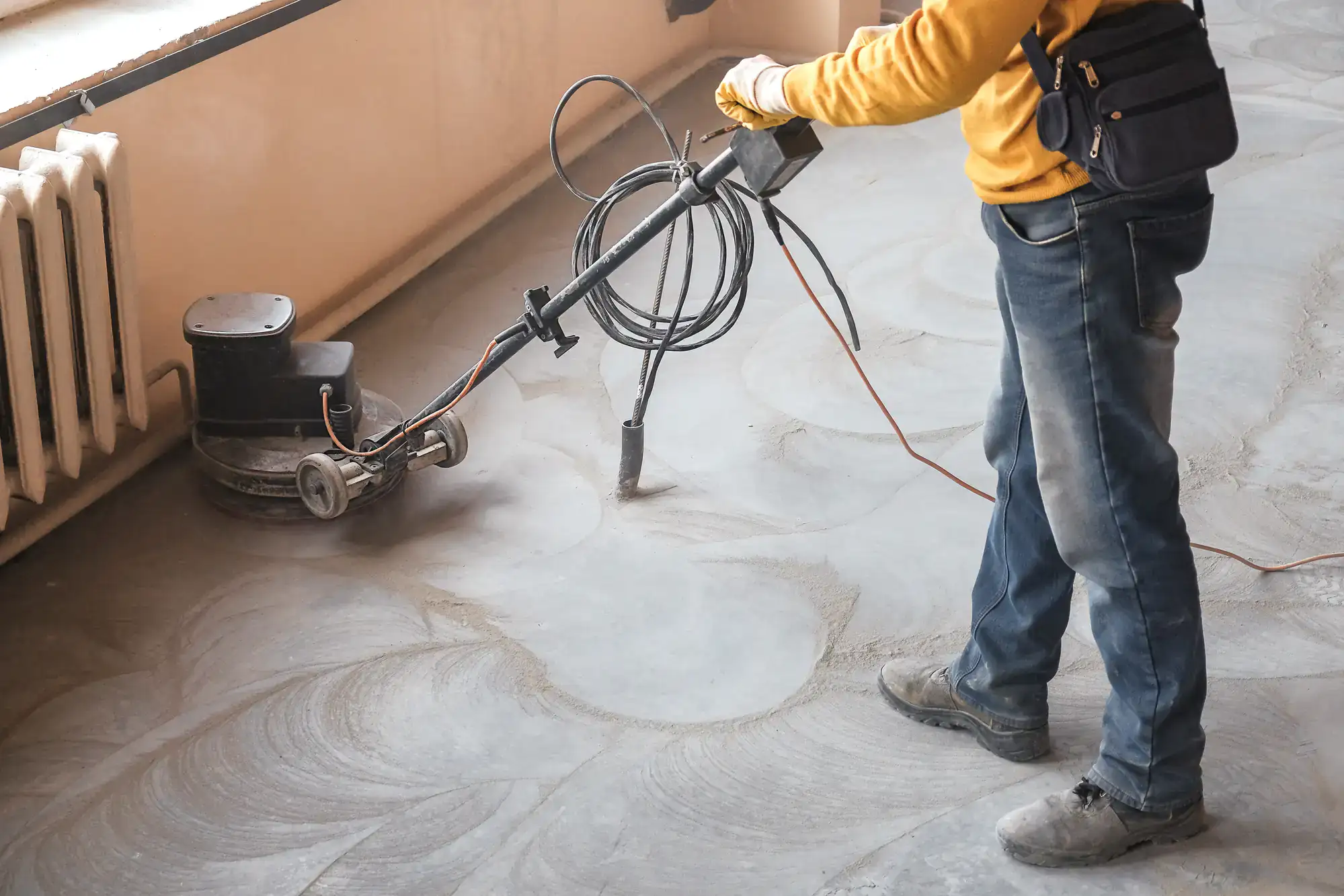
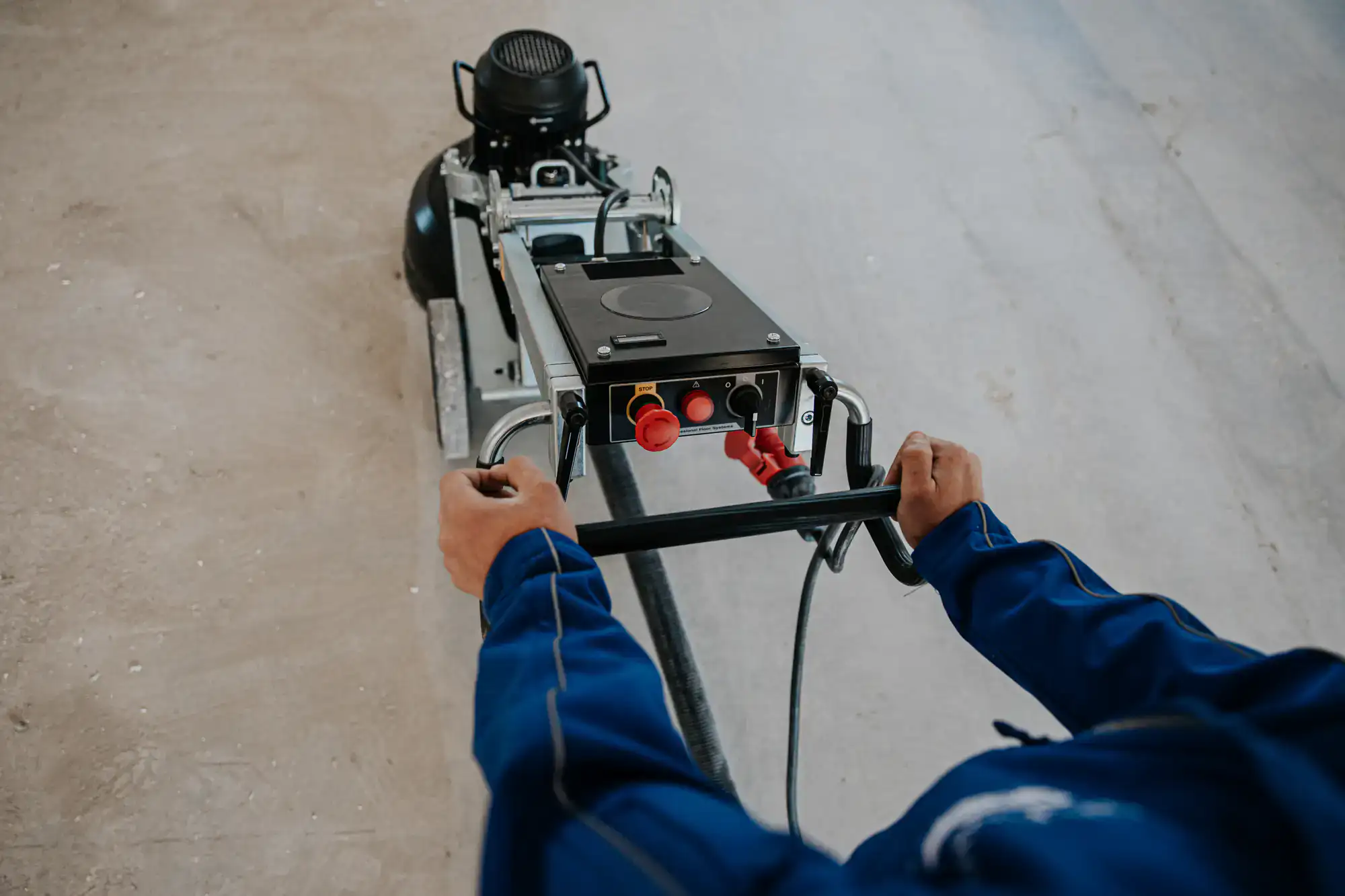
The actual removal uses industrial equipment designed for this specific job. No improvised tools or shortcuts that risk damaging your concrete. We contain dust and debris, handle ventilation properly, and make sure the workspace stays as clean as possible.
Once the epoxy is completely removed, we prepare the concrete surface for whatever comes next. That might mean additional grinding, crack repair, or surface profiling. The goal is leaving you with a substrate that’s ready for a successful new installation, whether that’s polished concrete, new epoxy, or something else entirely.
Ready to get started?
Atlantis Epoxy Floor Removal
Complete removal of existing epoxy coating using the appropriate method for your specific situation. Surface assessment to identify any underlying concrete issues that need addressing. Proper disposal of removed materials according to local regulations.
In Atlantis, the coastal climate creates unique challenges for epoxy flooring. Salt air, humidity, and temperature fluctuations can cause premature failure, especially with lower-grade installations. Professional removal takes these factors into account, ensuring the concrete is properly prepared for Florida’s demanding environment.
You also get transparent pricing upfront—no surprises or change orders. We provide detailed consultations so you understand exactly what needs to happen and why. If there are any concrete repairs needed, we’ll identify those during the removal process, not after your new floor starts failing.

How do you remove epoxy without damaging the concrete underneath?
The removal method depends entirely on your specific epoxy system and concrete condition. For newer installations or certain types of epoxy, chemical stripping with professional-grade solvents can soften the coating for easier removal.
For older, well-bonded systems, mechanical grinding with diamond-equipped industrial grinders is typically the most effective approach. The key is using the right equipment with proper technique—heavy-duty grinders that can handle the job without gouging or damaging the concrete substrate.
Temperature control and proper technique matter too. Rushing the process or using inadequate equipment often results in concrete damage that costs far more to repair than doing the removal correctly the first time.
Why can’t I just remove the epoxy myself with rental equipment?
Rental equipment typically isn’t designed for complete epoxy removal. Most consumer-grade grinders lack the power and proper tooling to remove industrial epoxy systems without creating uneven surfaces or concrete damage.
There’s also the safety aspect—epoxy removal generates dust and potentially harmful particles that require proper ventilation and containment. Professional contractors have the equipment and training to handle these hazards safely.
The biggest issue is surface preparation. Even if you manage to remove the visible epoxy, improper preparation means your new flooring system won’t bond correctly. That leads to premature failure and the expense of starting over with professional removal anyway.
How long does professional epoxy removal typically take?
Timeline depends on several factors: the size of the area, type and thickness of existing epoxy, concrete condition, and what removal method is required. A typical residential garage usually takes one to two days for complete removal and surface preparation.
Commercial or industrial spaces vary more widely based on square footage and system complexity. We provide realistic timelines during the initial consultation based on your specific situation.
What’s more important than speed is doing it right. Rushing epoxy removal almost always creates problems that take longer to fix than doing the job properly from the start. Professional contractors balance efficiency with thoroughness to get you the best long-term result.
What happens if there are cracks or damage in the concrete?
Concrete issues are often discovered during epoxy removal—that’s actually a good thing because they can be addressed before installing new flooring. Cracks, spalling, or other damage that wasn’t visible under the old epoxy can be properly repaired.
The repair method depends on the type and extent of damage. Small cracks might need injection or patching compounds. Larger issues could require partial concrete replacement or overlay systems. We can assess and recommend the most cost-effective solution.
Addressing concrete problems during removal prevents bigger issues later. A new epoxy or polished concrete system installed over damaged substrate will eventually fail, usually in the same spots where the original concrete had problems.
Is epoxy removal messy and disruptive to my business?
We use containment systems and industrial dust collection to minimize mess and disruption. The work area is sealed off when possible, and debris is contained and removed daily.
For commercial spaces, timing can often be coordinated with your business schedule—working evenings, weekends, or during planned downtime to minimize operational impact. We discuss logistics upfront to find the approach that works best for your situation.
Modern removal equipment is much cleaner than older methods. We invest in dust collection systems and containment because it’s better for everyone—cleaner work environment, faster cleanup, and less disruption to surrounding areas.
How do I know if my epoxy floor needs complete removal?
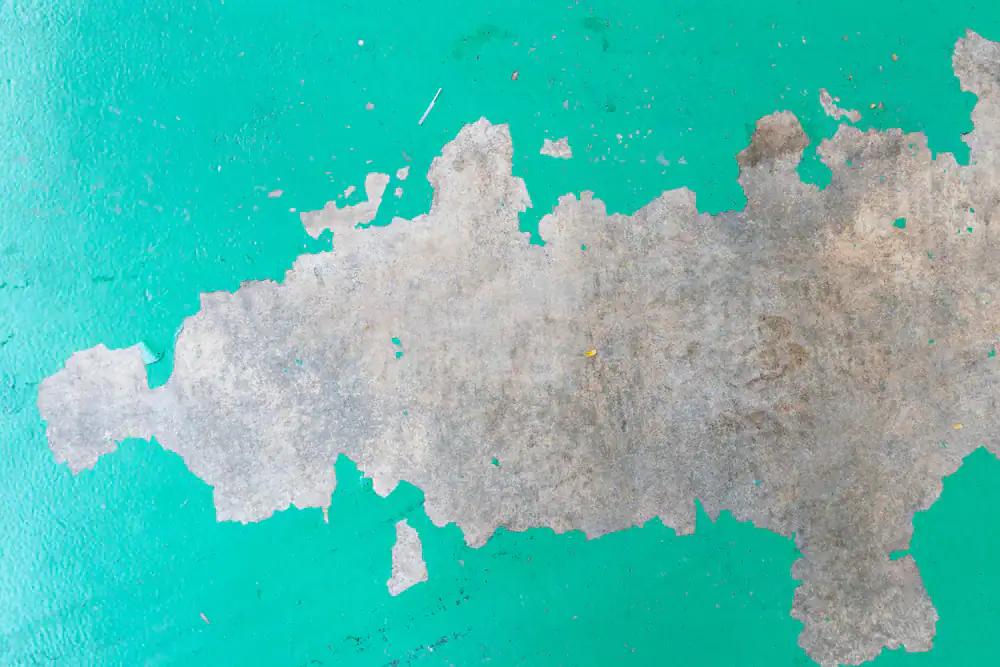
Several signs indicate complete removal is necessary: widespread peeling or delamination, yellowing or discoloration that can’t be cleaned, cracking or chipping throughout the surface, or bubbling and blistering from moisture issues.
If you’re seeing problems in multiple areas or the damage keeps recurring after spot repairs, the entire system likely needs replacement. Sometimes the issue is with the original installation—poor surface prep or incompatible products that never bonded properly.
A professional assessment can determine whether spot repairs might work or if complete removal is the most cost-effective solution. Often, trying to patch failing epoxy just delays the inevitable while potentially making the eventual removal more difficult and expensive.
Other Services we provide in Atlantis