


Epoxy Removal in Westwood Lakes, FL
Remove Failed Epoxy Without Damaging Your Concrete
Hear from Our Customers
Professional Epoxy Floor Removal Services
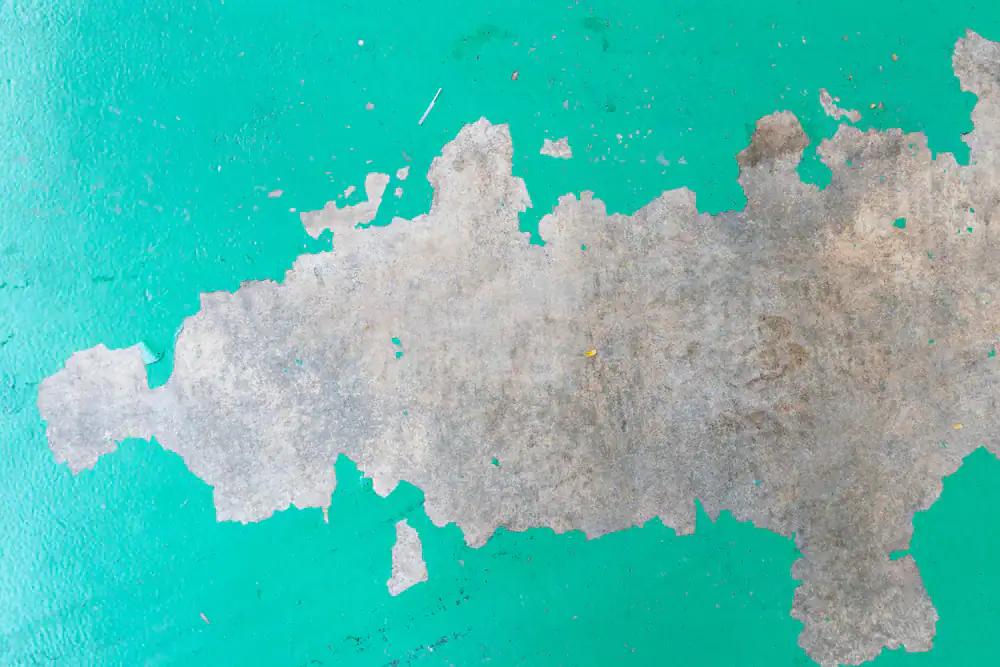
You’re dealing with peeling, yellowing, or crumbling epoxy that’s making your space look unprofessional. Maybe you moved into a property with a botched DIY job, or your contractor cut corners with cheap materials. Either way, you need it gone—and you need it done right.
When epoxy removal is handled properly, you get a clean concrete substrate that’s ready for whatever comes next. No gouges, no chemical damage, no lingering adhesive residue that’ll cause problems down the road. Just a properly prepared surface that’ll accept new coatings the way they’re supposed to.
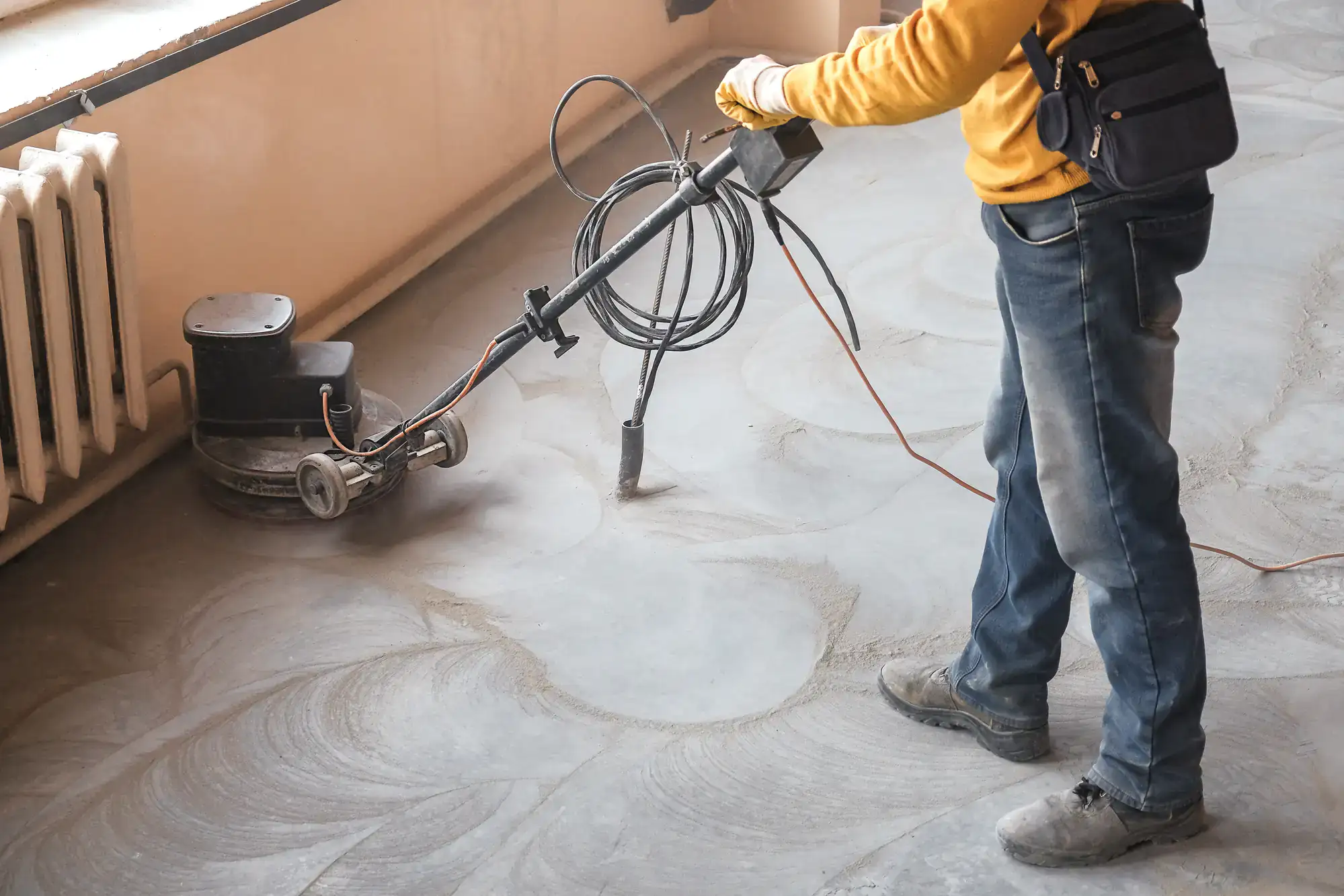
The difference between amateur removal and professional work shows up immediately. We use specialized diamond grinding equipment and proven techniques that strip away failed coatings without compromising your concrete underneath.
Westwood Lakes Flooring Removal Experts
SPF Industrial has been handling complex epoxy and concrete projects since 2020, working directly with clients who demand precision and reliability. We’ve completed projects for the US Coast Guard, Army facilities, and municipal buildings throughout South Florida—clients who don’t accept shortcuts or second-rate work.
In Westwood Lakes and surrounding Miami-Dade communities, property owners face unique challenges with Florida’s humidity and temperature swings. These conditions cause many epoxy installations to fail prematurely, creating the exact problems you’re probably dealing with right now.
Our team understands how coastal climate affects flooring systems. We’ve seen what works and what doesn’t in South Florida, and we bring that knowledge to every removal project.

Epoxy Removal Process Westwood Lakes
First, we assess your existing epoxy to determine thickness, adhesion strength, and the best removal approach for your specific situation. Not every failed coating comes off the same way, and using the wrong method can damage your concrete permanently.
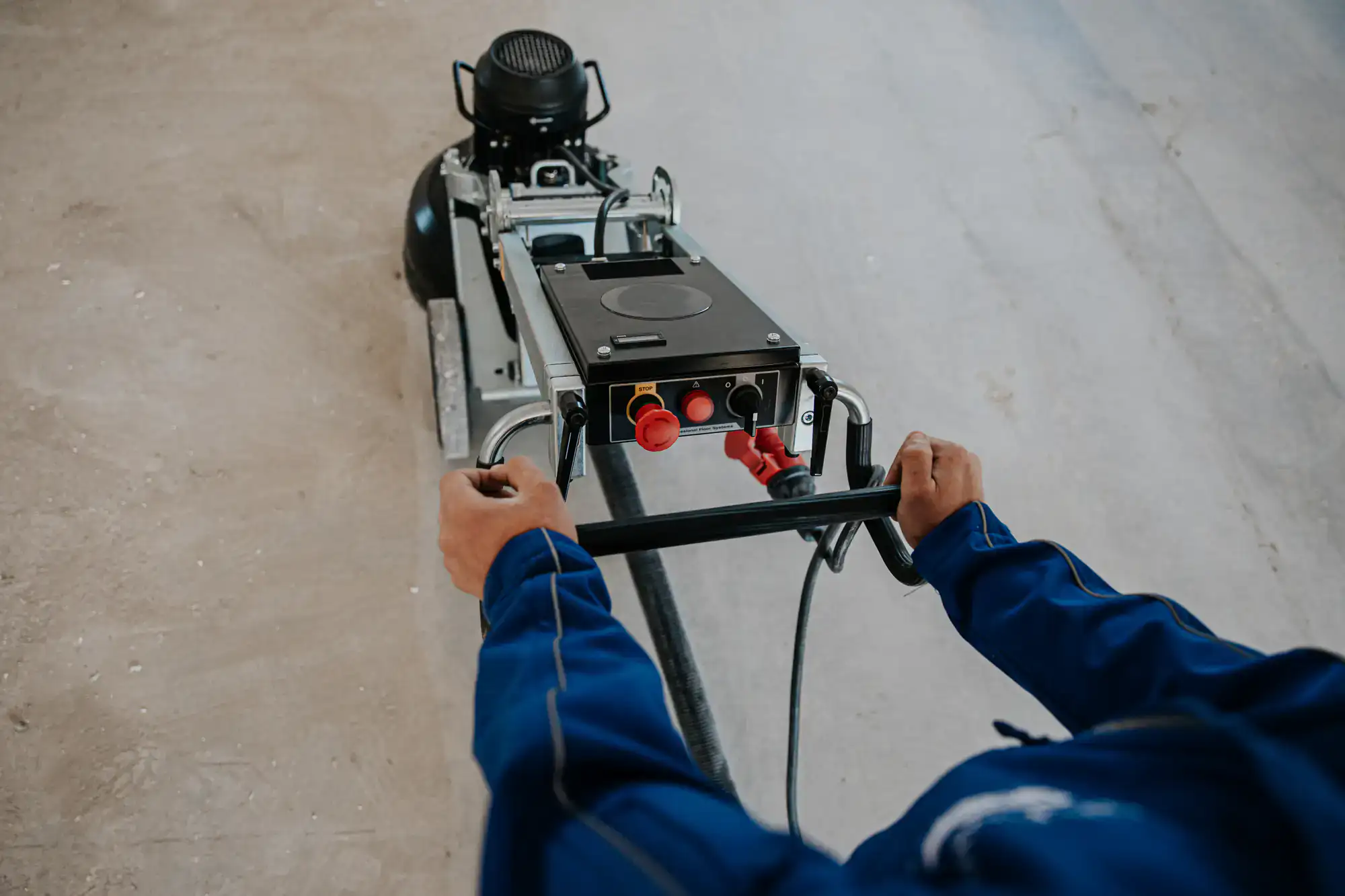
Next comes the actual removal using professional-grade diamond grinders and specialized tooling. We work systematically across your space, maintaining consistent depth and avoiding the gouging that happens when inexperienced contractors rush the process. Our equipment includes dust collection systems that keep your space clean during the work.
Finally, we prepare the surface for whatever comes next—whether that’s a new epoxy system, polished concrete, or another flooring solution. This includes cleaning away all debris, checking for any remaining adhesive residue, and ensuring the concrete profile is correct for proper adhesion of new materials.
Ready to get started?
Complete Flooring Removal Services
Your epoxy removal project includes professional assessment, complete coating removal, and surface preparation for new installations. We handle the entire process from start to finish, so you don’t have to coordinate multiple contractors or worry about compatibility issues between different phases of work.
In Westwood Lakes, we see a lot of epoxy failures caused by improper installation over concrete that wasn’t properly prepared initially. Florida’s climate is particularly hard on flooring systems, with temperature swings and humidity levels that stress poorly bonded coatings until they fail. When we remove failed epoxy, we’re also correcting the underlying preparation issues that caused the problem in the first place.
We work with commercial-grade equipment that’s not available to general contractors or DIY attempts. This includes specialized diamond tooling, industrial dust collection, and proper disposal of removed materials according to local environmental regulations.

How long does professional epoxy removal take in Westwood Lakes?
The timeline depends on your space size, coating thickness, and how well the original epoxy bonded to your concrete. Most residential garage projects take 1-2 days, while larger commercial spaces might need 3-5 days for complete removal and surface preparation.
Florida’s climate adds complexity because we need to work around humidity levels that can affect both removal methods and surface preparation. We schedule projects during optimal weather windows when possible, and use climate-controlled techniques when necessary to maintain consistent results.
The key is not rushing the process. Trying to speed up epoxy removal usually results in concrete damage that costs more to repair than the time savings are worth.
What’s the difference between DIY and professional epoxy removal?
Professional removal protects your concrete substrate while DIY attempts often cause permanent damage. We use specialized diamond grinding equipment with precise depth control, while most DIY methods rely on chemical strippers or rental equipment that’s not designed for this specific application.
The biggest difference is understanding how different epoxy formulations respond to removal techniques. A water-based epoxy that’s failing comes off differently than a thick industrial coating, and using the wrong approach can gouge your concrete or leave residue that prevents new coatings from adhering properly.
We also handle proper disposal of removed materials and dust collection during the work. Epoxy removal creates hazardous dust and debris that needs to be managed according to environmental regulations—something most property owners aren’t equipped to handle safely.
Can you remove epoxy without damaging the concrete underneath?
Yes, when it’s done with the right equipment and techniques. We use diamond grinding systems with variable speed control and specialized tooling that removes epoxy layers without gouging the concrete substrate. The key is maintaining consistent pressure and depth throughout the removal process.
Many failed removal attempts happen because contractors try to speed up the process with aggressive techniques or inappropriate tools. Concrete damage from improper removal often costs more to repair than hiring professionals initially would have cost.
Our approach focuses on preserving your concrete investment while completely removing failed coatings. We check our work as we go, ensuring uniform removal depth and proper surface profile for whatever flooring system you’re planning next.
What happens to the concrete surface after epoxy removal?
After proper epoxy removal, your concrete surface will have a clean, slightly textured profile that’s ready for new coatings or treatments. The texture comes from our diamond grinding process, which creates the mechanical bond that new flooring systems need for proper adhesion.
We clean away all debris and dust, then inspect the surface for any remaining adhesive residue or areas that need additional attention. The goal is a uniformly prepared substrate that meets the requirements for whatever flooring solution you’re planning to install.
If your concrete has cracks or damage that was hidden under the failed epoxy, we’ll identify these issues during removal and recommend appropriate repairs before any new flooring installation.
How much does epoxy removal cost in Westwood Lakes?
Epoxy removal costs depend on your space size, coating thickness, and complexity of the removal process. Most residential projects range from $3-6 per square foot, while commercial spaces with thicker industrial coatings may cost more due to additional time and specialized equipment requirements.
The investment in professional removal protects your concrete substrate and ensures proper preparation for new flooring. Attempting DIY removal or hiring inexperienced contractors often results in concrete damage that costs significantly more to repair than proper removal would have cost initially.
We provide transparent pricing with detailed estimates that break down exactly what’s included in your project. No surprises, no hidden costs, and no pressure tactics—just straightforward information to help you make the right decision for your property.
Why do epoxy floors fail in South Florida climate?
Florida’s temperature swings and high humidity create challenging conditions for epoxy flooring systems. Daily temperature changes cause expansion and contraction stress, while humidity levels above 70% for most of the year affect how epoxy cures and bonds to concrete.
Many epoxy failures we see in Westwood Lakes result from installations that didn’t account for local climate conditions. Contractors who don’t understand Florida’s environment often use inappropriate products or skip critical preparation steps that are essential for long-term performance in coastal areas.
When we remove failed epoxy, we’re often correcting preparation issues that caused the original failure. This includes addressing moisture in the concrete substrate, using climate-appropriate products, and following curing protocols that work in South Florida’s challenging environment.
Other Services we provide in Westwood Lakes