


Epoxy Flooring in Lauderdale-by-the-Sea
Floors That Actually Last in Florida Heat
Hear from Our Customers
Professional Epoxy Coating Services
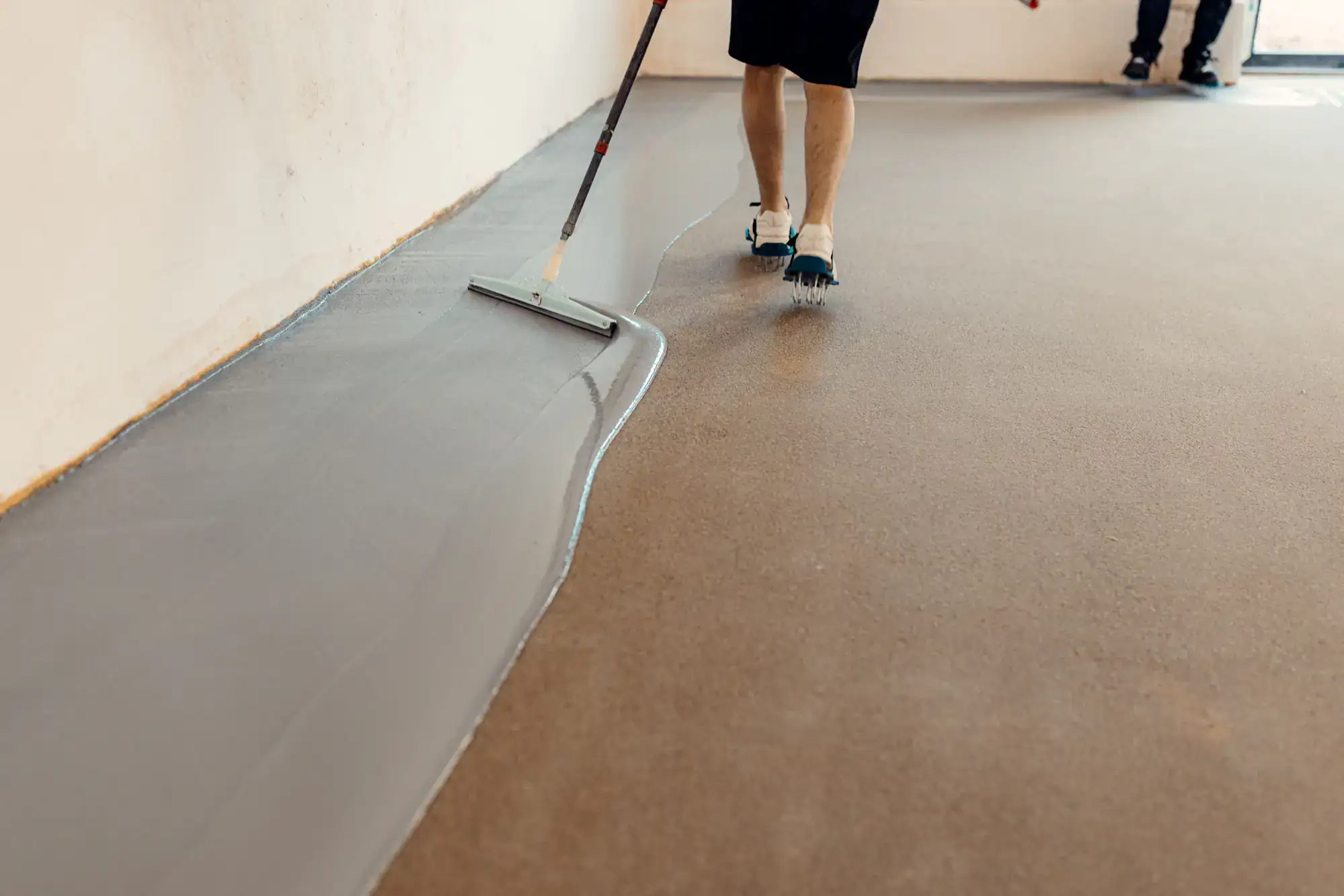
You get a floor that handles everything Florida throws at it. No more worrying about oil stains in your garage or chemical spills in your warehouse. No more scrubbing concrete that just absorbs everything.
Your new epoxy floor shrugs off humidity, resists chemicals, and cleans with a simple mop or hose rinse. The seamless surface means no cracks for dirt to hide in, no grout lines to scrub, and no peeling or bubbling when installed correctly.
Most importantly, you get years of reliable performance. Not months before you’re calling someone else to fix what should have been done right the first time.
Epoxy Specialists Lauderdale-by-the-Sea
We’ve been installing epoxy flooring systems across South Florida for years, and we’ve learned what works in this climate. We’re a veteran-owned company that operates on simple principles: show up when we say we will, do the work right, and stand behind what we install.
We’ve worked on everything from residential garages in Lauderdale-by-the-Sea to major commercial projects at Fort Lauderdale International Airport. The difference isn’t just experience—it’s understanding that Florida’s humidity, heat, and salt air demand specific installation techniques and materials that many contractors simply don’t use.
When you work with us, you’re working with people who know the local challenges and have the track record to prove it.
Epoxy Floor Installation Process
First, we assess your concrete. We’re looking for cracks, moisture issues, and surface problems that could cause adhesion failures later. Most epoxy problems start here, so we handle repairs and moisture testing before any coating goes down.
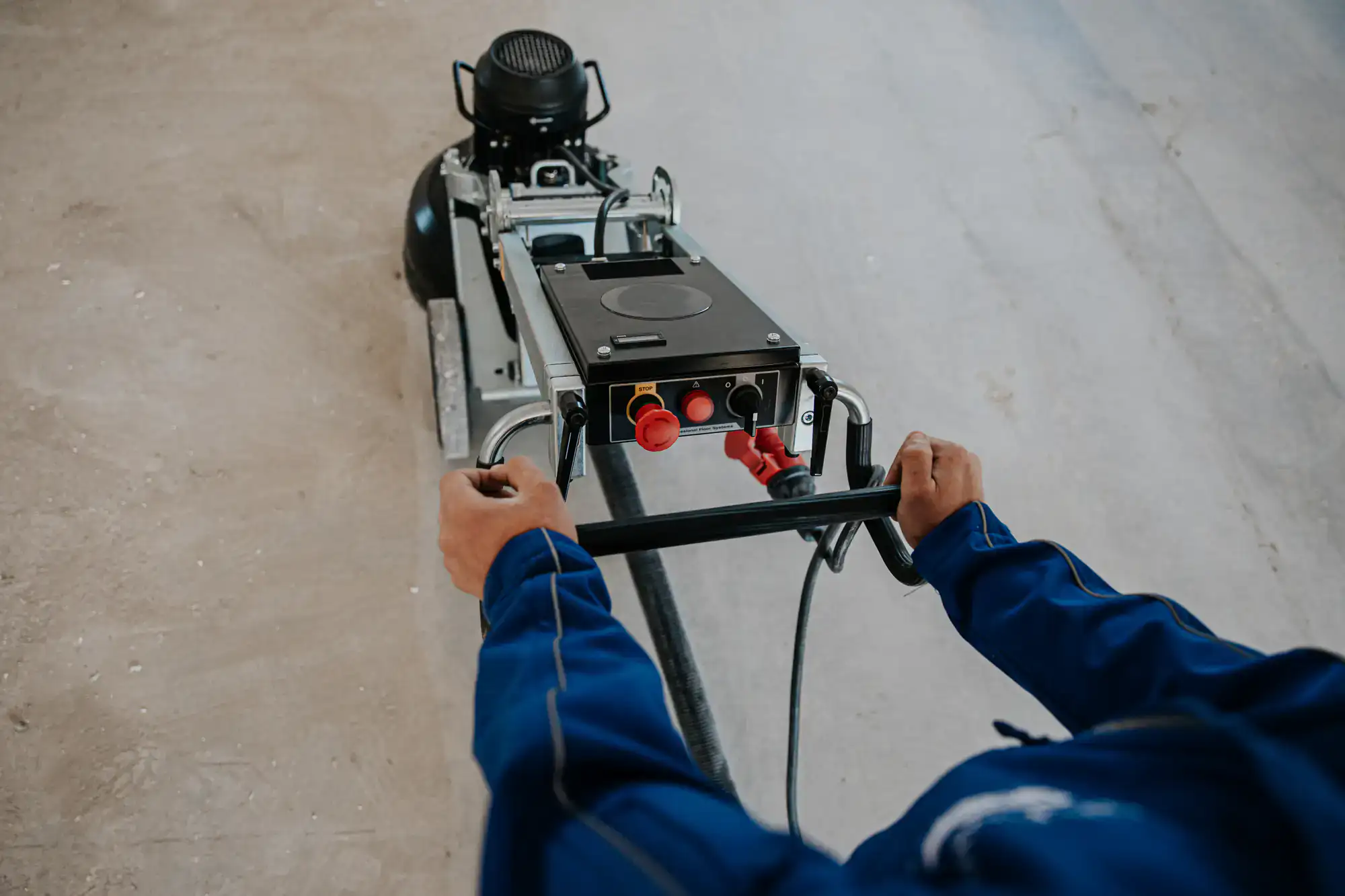
Next comes surface preparation. We grind, clean, and profile the concrete to create the right texture for adhesion. This isn’t optional in Florida’s climate—it’s the difference between a floor that lasts years and one that starts peeling in months.
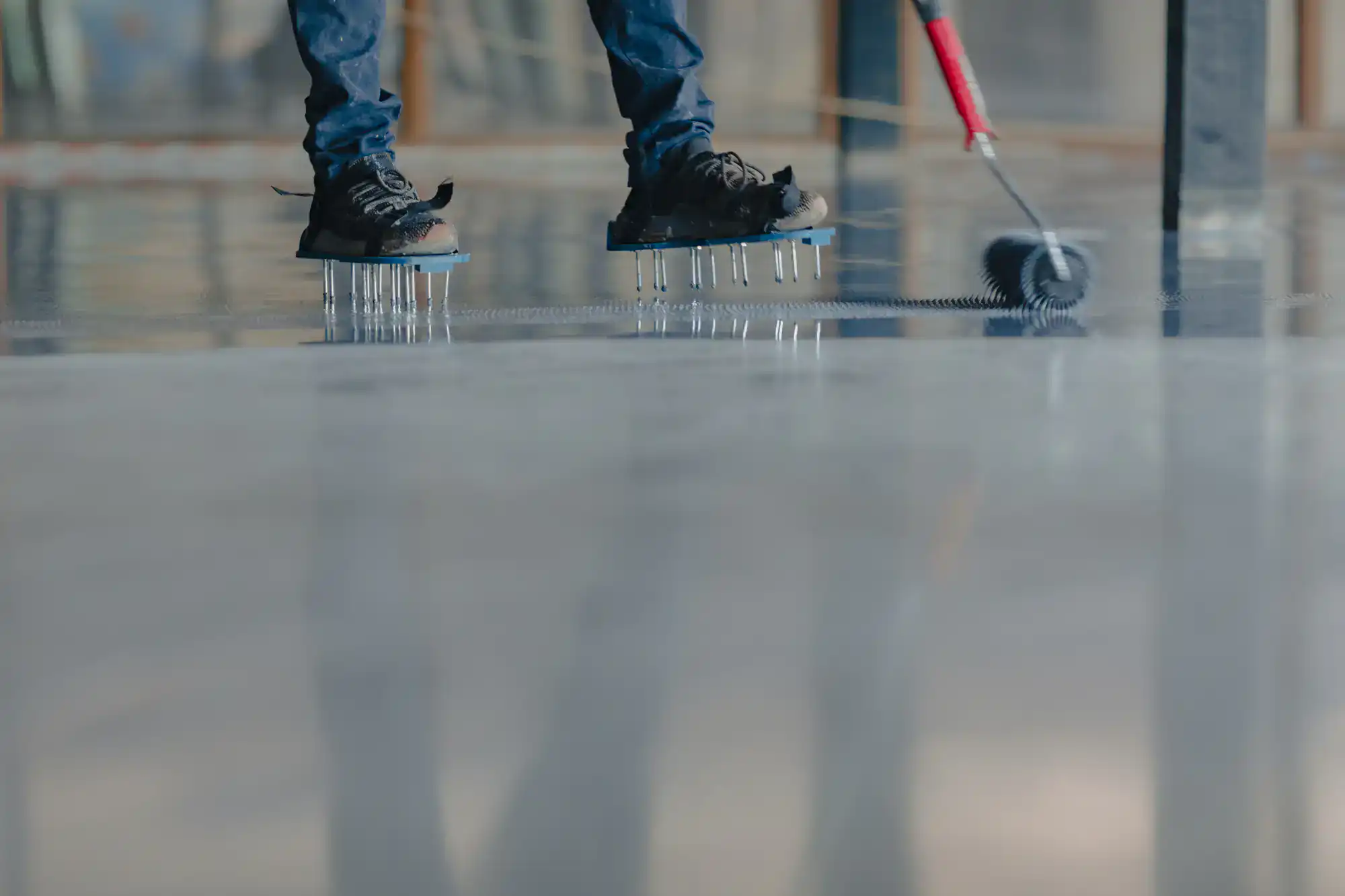
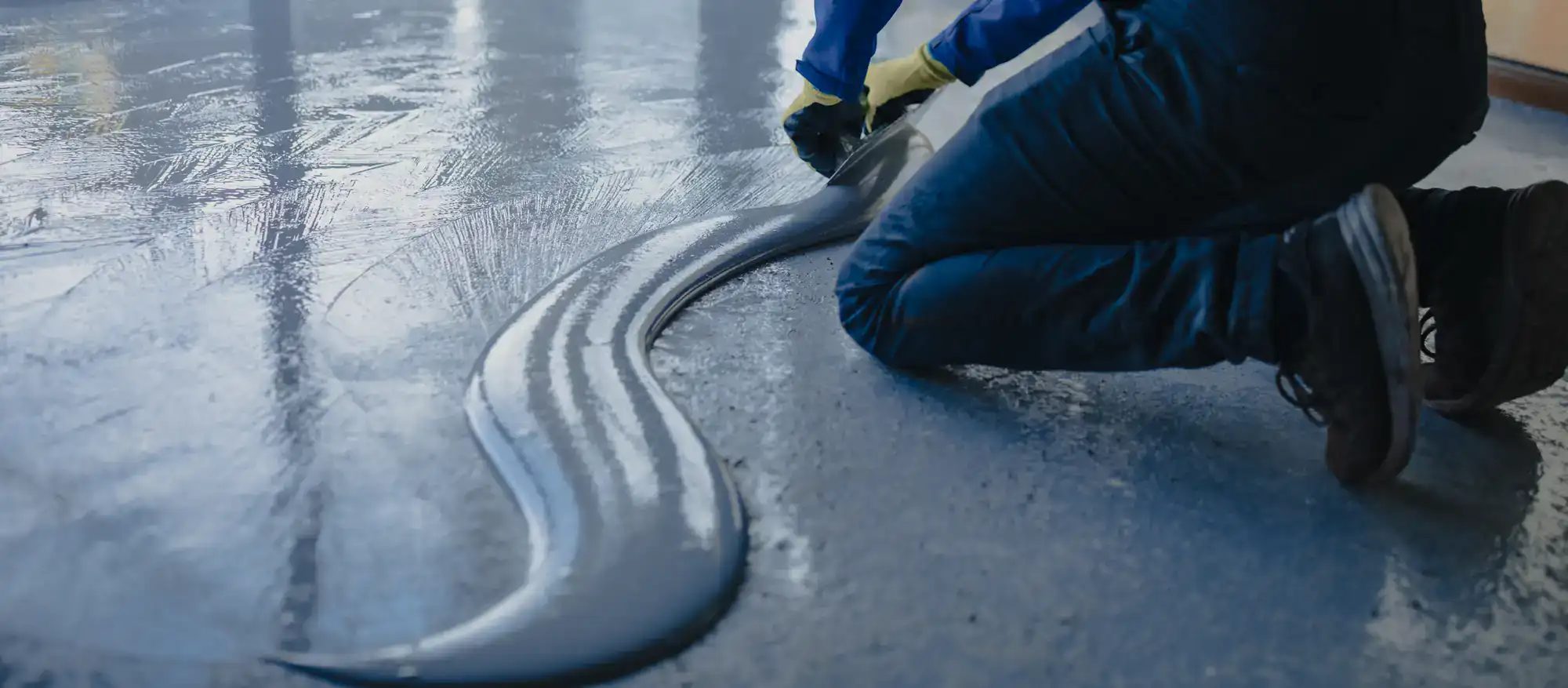
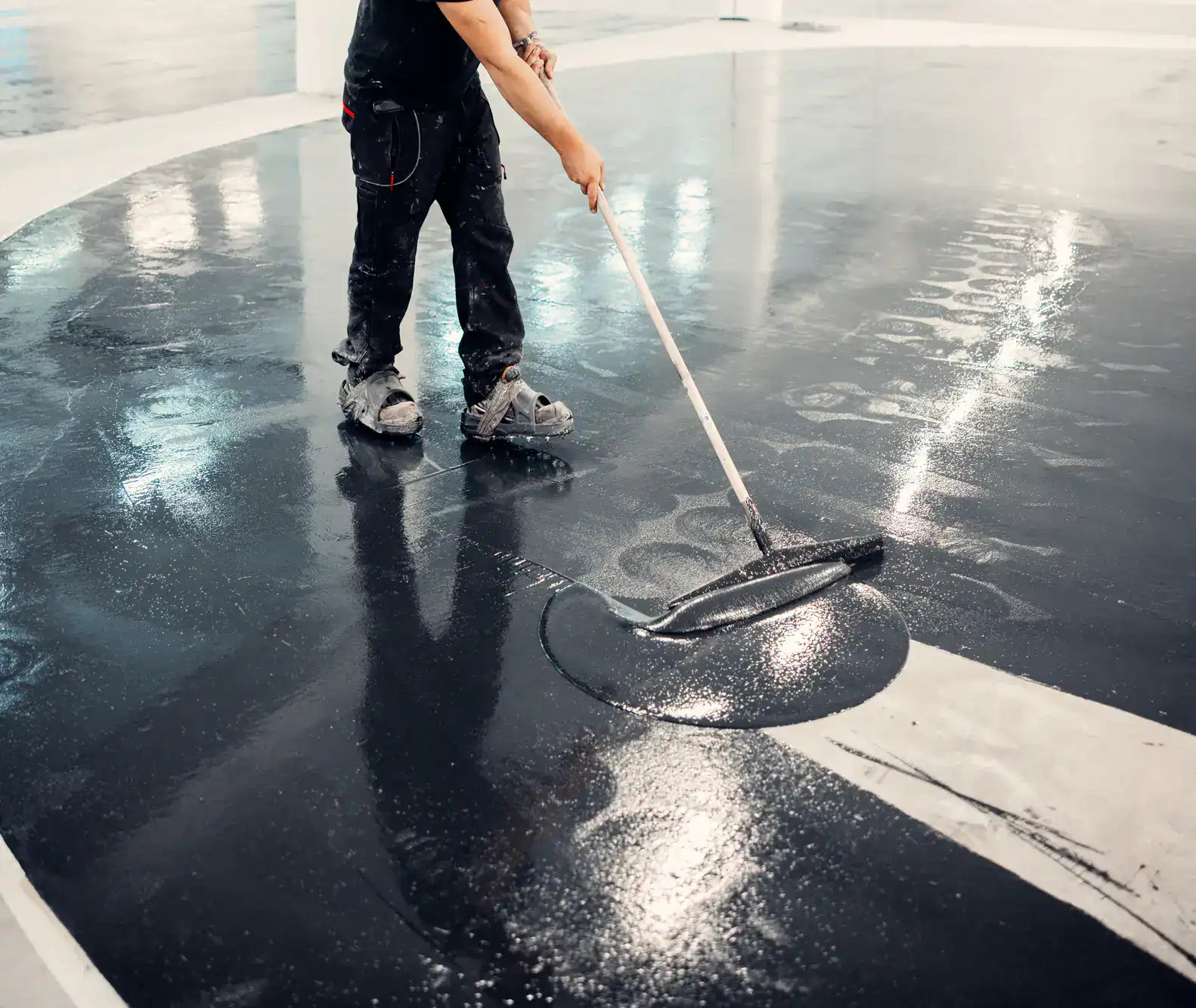
Then we apply the epoxy system in controlled conditions. We monitor temperature and humidity throughout the process because these factors directly affect cure times and final performance. Finally, we apply the topcoat that gives you the durability and chemical resistance you need.
The entire process typically takes 2-3 days depending on your space size and the specific system you choose.
Ready to get started?
Lauderdale-by-the-Sea Flooring Solutions
Every installation we do includes complete surface preparation, moisture testing, crack repair, and the full epoxy system application. We use only manufacturer-approved products and follow their specifications exactly—no shortcuts that come back to haunt you later.
For Lauderdale-by-the-Sea properties, we pay special attention to salt air exposure and humidity control during installation. Coastal properties face unique challenges, and we adjust our techniques accordingly. We also include detailed maintenance instructions so you know exactly how to keep your floor looking and performing like new.
You get a warranty that’s backed by both us and the product manufacturers we partner with. This isn’t a handshake promise—it’s documentation that protects your investment and gives you recourse if anything doesn’t perform as expected.
How long does epoxy flooring last in Florida’s climate?
Properly installed epoxy flooring lasts 10-15 years in South Florida when installed with the right materials and techniques. The key is using UV-resistant formulations and proper surface preparation to handle humidity and temperature fluctuations.
Florida’s climate is tough on flooring, but quality epoxy systems are specifically designed for these conditions. The difference comes down to installation technique and material selection—both areas where many contractors cut corners.
We use climate-adapted epoxy formulas that resist yellowing from UV exposure and handle thermal expansion without cracking. With proper maintenance, you should expect decades of reliable performance from your investment.
What’s the difference between garage epoxy and commercial flooring?
Commercial epoxy systems are typically thicker and more chemical-resistant than residential garage coatings. They’re designed to handle heavy machinery, constant foot traffic, and industrial chemicals that would damage standard garage epoxy.
For residential garages, we typically use a decorative flake system that provides good durability and easy cleaning. Commercial installations often require self-leveling systems, specialized topcoats, or specific thickness requirements to meet safety standards.
The installation process is more complex for commercial work, with stricter surface preparation requirements and longer cure times. Both types of systems work well when properly matched to their intended use, but using the wrong system for your application leads to premature failure.
How do you prevent epoxy floors from failing in humidity?
Moisture control is critical for epoxy success in Florida. We start with moisture testing to identify any vapor transmission issues that could cause adhesion problems. If moisture levels are too high, we address the source before any coating application.
During installation, we monitor humidity levels and adjust our techniques accordingly. High humidity slows cure times and can cause surface defects if not managed properly. We sometimes use dehumidifiers or schedule installations during optimal weather conditions.
We also use primer systems specifically designed for high-humidity environments. These create a stronger bond to the concrete and provide better moisture resistance than standard epoxy applications. The extra steps take time, but they prevent the peeling and bubbling problems that plague quick installations.
Can epoxy flooring be installed over existing coatings?
It depends on what’s currently on your floor and its condition. Some existing coatings can be coated over if they’re well-bonded and properly prepared, but many need to be removed completely for reliable adhesion.
We test existing coatings for adhesion and compatibility before making recommendations. Paint, sealers, and previous epoxy that’s failing need to come off. Well-bonded urethane or properly installed epoxy might be suitable for coating over with the right preparation.
The safest approach is often complete removal to bare concrete, especially in Florida’s challenging climate. While this adds cost upfront, it eliminates the risk of adhesion failures that require complete reinstallation later. We’ll give you honest recommendations based on what we find during our assessment.
What maintenance does epoxy flooring require in coastal areas?
Coastal epoxy floors need regular cleaning to remove salt residue and occasional inspection for any UV damage or surface wear. The good news is that maintenance is straightforward—usually just mopping with a pH-neutral cleaner and addressing spills promptly.
Salt air can be corrosive over time, so we recommend monthly washing with fresh water to remove salt buildup. This is especially important for outdoor applications or spaces with direct ocean exposure. UV-resistant topcoats help prevent yellowing and surface degradation from intense Florida sun.
Annual inspection helps catch any small issues before they become major problems. Look for areas where the coating might be wearing thin or any spots where moisture might be penetrating. Most maintenance issues are minor and easily addressed when caught early, but ignoring them leads to costly repairs later.
How much does professional epoxy flooring cost in Lauderdale-by-the-Sea?
Professional epoxy installation typically ranges from $3-8 per square foot depending on the system type, surface preparation required, and specific performance requirements. Residential garage floors usually fall on the lower end, while commercial or specialized systems cost more.
The wide price range reflects the difference between basic garage coatings and high-performance commercial systems. Factors that affect cost include concrete condition, required repairs, system thickness, decorative options, and performance specifications.
We provide detailed estimates that break down all costs so you understand exactly what you’re paying for. While professional installation costs more than DIY kits, the difference in longevity and performance makes it worthwhile for most applications. A properly installed professional system that lasts 15 years costs less per year than cheap solutions that fail in 2-3 years.
Other Services we provide in Lauderdale-By-The-Sea