


Epoxy Flooring in Tequesta, FL
Floors That Actually Survive Florida Weather
Hear from Our Customers
Professional Epoxy Installation Tequesta
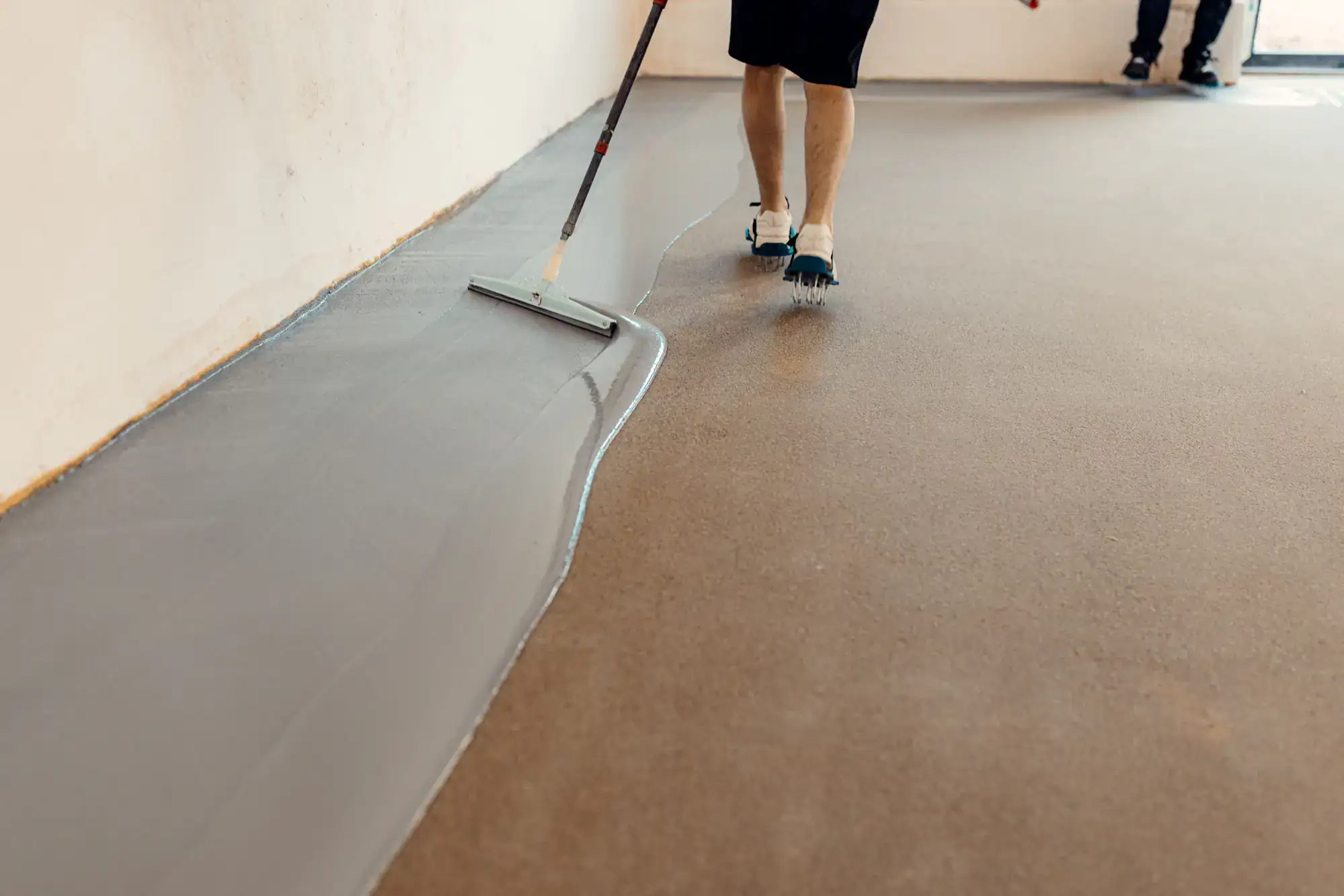
Your garage becomes a space you actually want to spend time in. Oil spills wipe up in seconds instead of staining forever. Your concrete stops looking like weathered concrete and starts looking like something you’d see in a high-end showroom.
The difference isn’t just visual. You’ll notice it every time you sweep—debris doesn’t stick to the surface like it used to. When you hose down the floor, water doesn’t leave behind that chalky residue that bare concrete always seems to produce in Tequesta’s mineral-rich environment.
Most importantly, you stop worrying about your investment. No more wondering if the coating will peel up under your car tires during summer heat or fade to yellow after facing another hurricane season. It just works, year after year, through whatever South Florida throws at it.
Epoxy Flooring Specialists Tequesta
We’ve been installing epoxy flooring systems across South Florida for years, working with everything from Jupiter Island estates to Tequesta commercial spaces. We’ve learned what works in our climate and what fails spectacularly when contractors cut corners.
We’ve seen what happens when installers use products designed for Michigan basements on Florida garage floors. We’ve repaired countless jobs where contractors skipped moisture testing or used inadequate surface prep. That experience taught us to do things right the first time.
Our team understands Tequesta’s specific challenges—the salt air from the Intracoastal, the thermal cycling from afternoon thunderstorms, the way concrete behaves differently here than up north. We’re not the cheapest option, but we’re the one that saves you money because you won’t need to redo the work when the next contractor’s shortcuts fail.
Epoxy Floor Installation Process
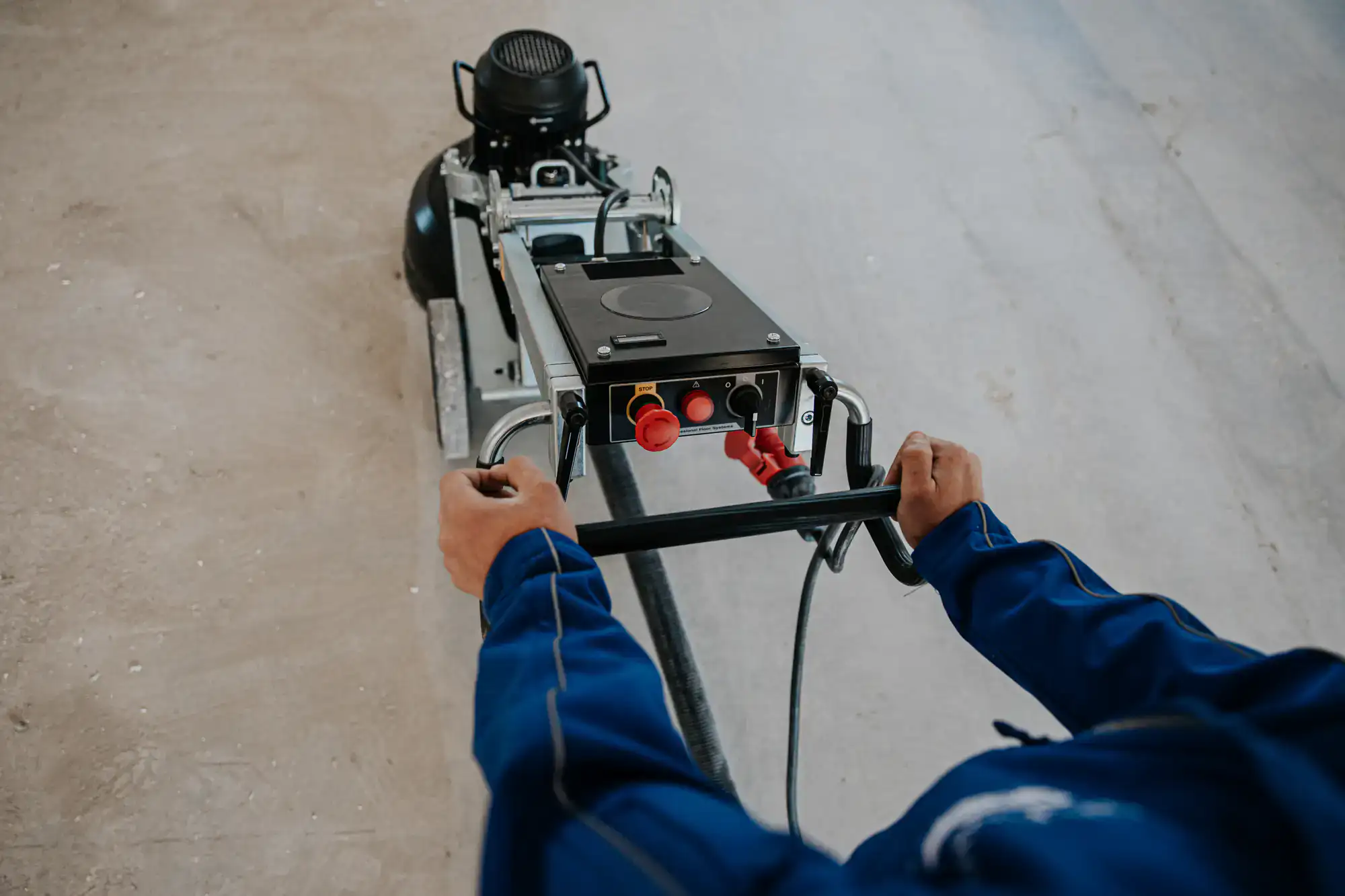
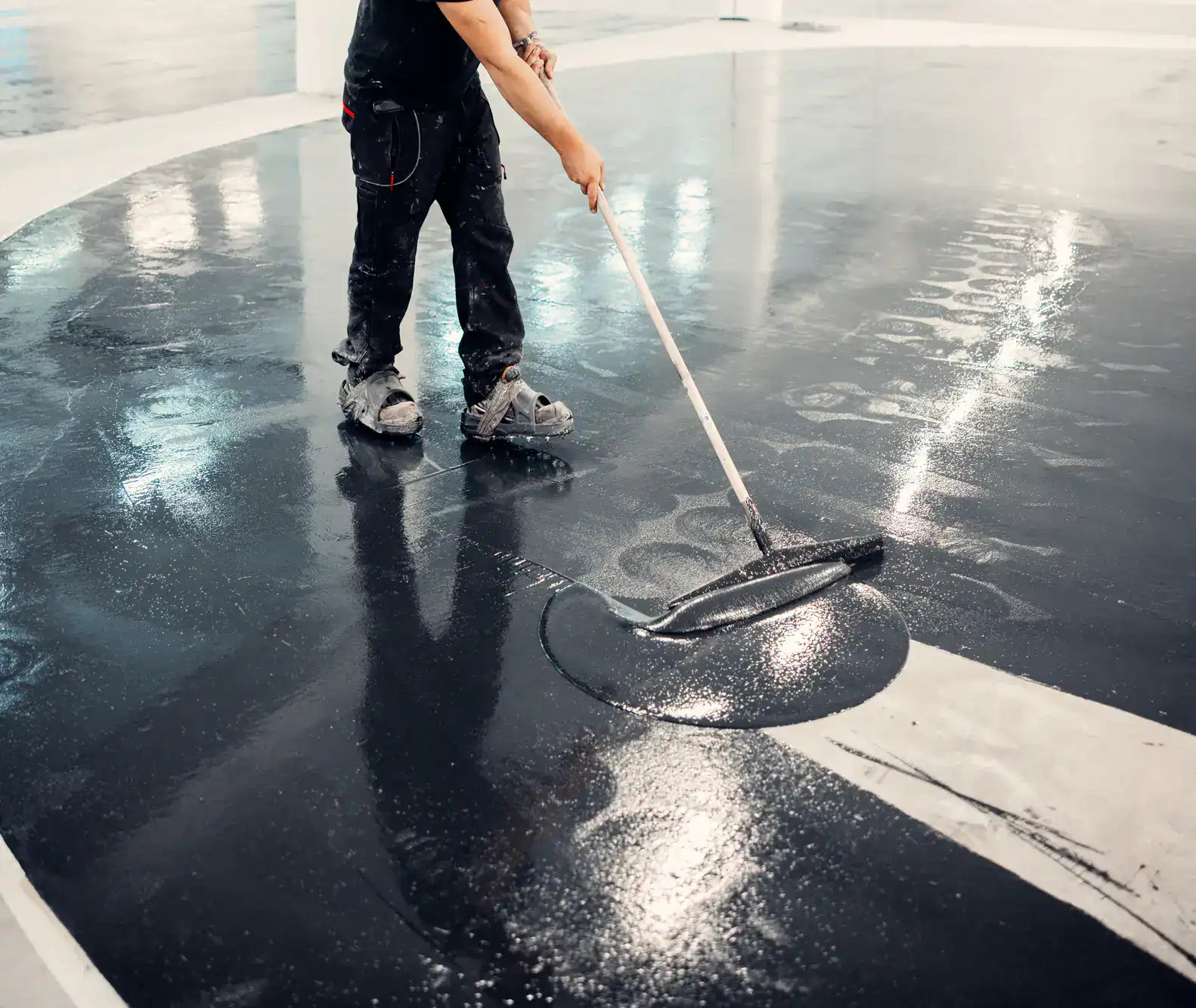
First, we diamond-grind your concrete surface to create the proper profile for adhesion. This isn’t just cleaning—it’s opening up the concrete pores so the epoxy can penetrate and form a mechanical bond. We use dust-free equipment connected to industrial vacuums because nobody wants concrete dust settling on everything in their space.
Next, we fill any cracks, holes, or imperfections with structural epoxy patching material. Most damage can be repaired to create a smooth, uniform surface. The grinding process creates a flush finish that won’t telegraph through your final coating.
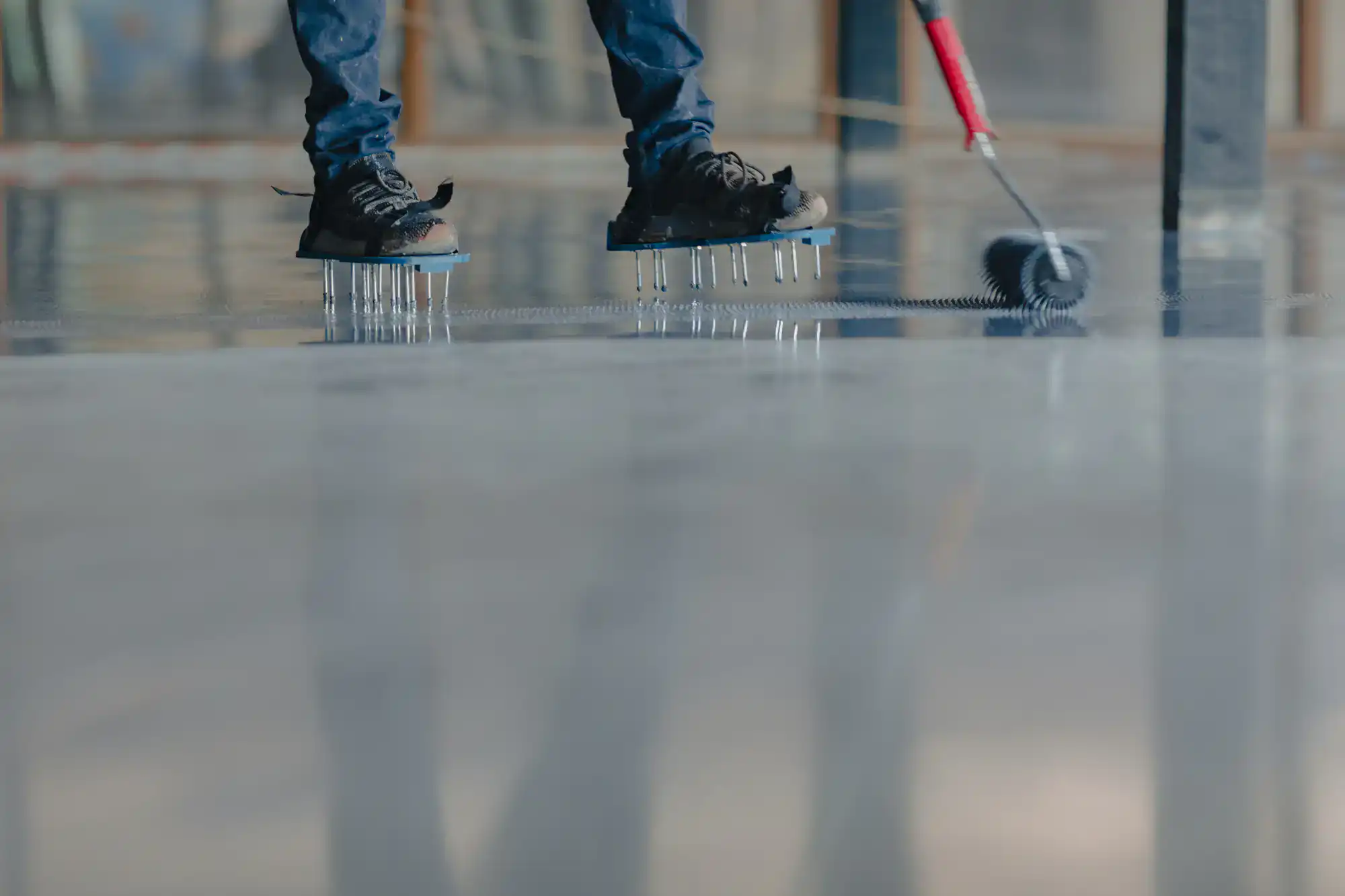
Then we apply a penetrating primer that soaks deep into the concrete substrate. This creates the foundation for our high-build intermediate coat, which provides your color and thickness. While that coat is still wet, we broadcast decorative flakes if you’ve chosen that system—they add texture, hide imperfections, and provide slip resistance.
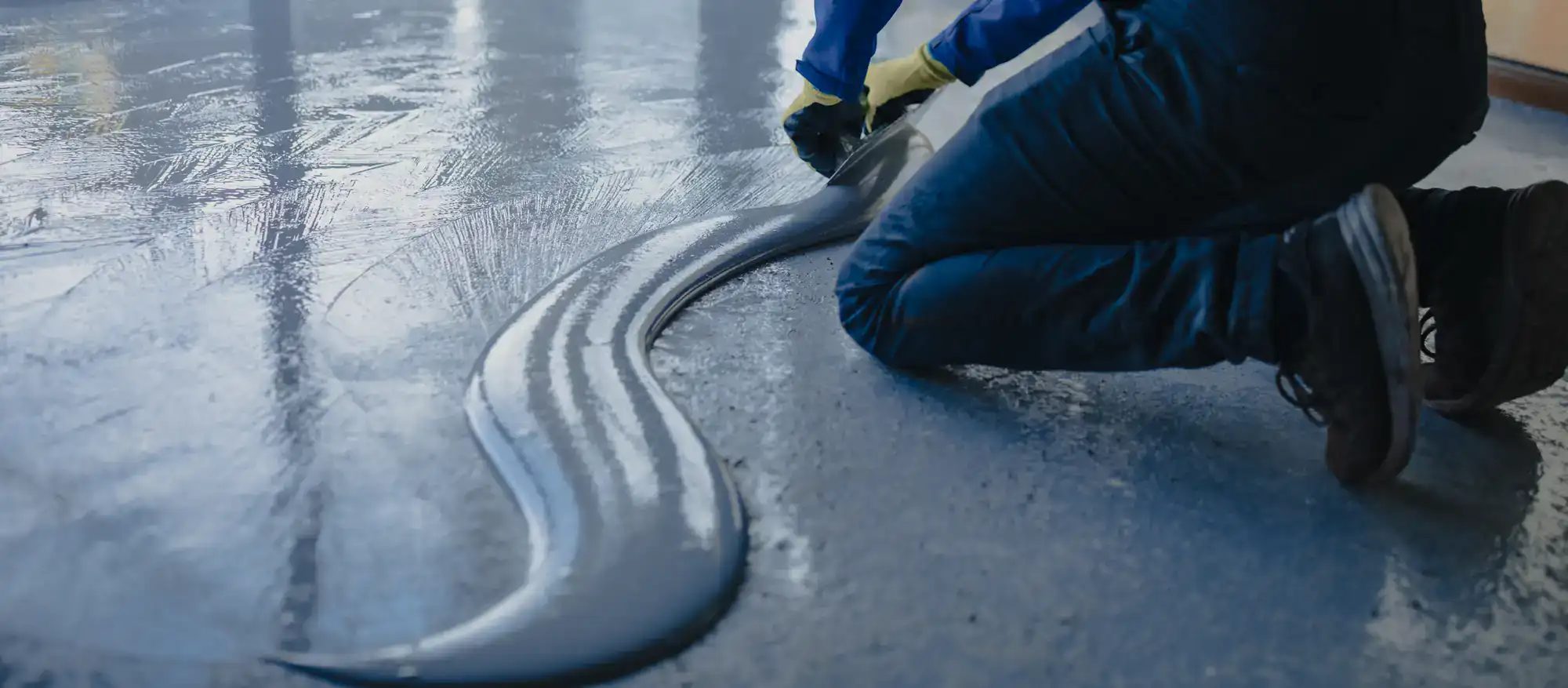
Finally, we apply a chemical-resistant urethane topcoat that seals everything and gives you that easy-to-clean, glossy finish. The entire process typically takes two days, and you can walk on it within 24 hours. We recommend waiting 72 hours before parking vehicles to ensure full cure strength.
Ready to get started?
Epoxy Coating Services Tequesta
Your epoxy flooring system includes everything needed for a lasting installation—comprehensive surface preparation, moisture testing, crack repair, primer application, base coats, decorative elements, and protective topcoats. No surprise charges for “extra” prep work that should have been included from day one.
In Tequesta, we encounter concrete that’s been exposed to salt air, temperature extremes, and high humidity. Our preparation process addresses these local conditions with moisture vapor testing, proper substrate profiling, and climate-appropriate primers. We don’t just follow generic installation procedures—we adapt our process for South Florida’s unique challenges.
We also provide specific maintenance guidance for our climate. While epoxy floors are naturally low-maintenance, there are simple steps that help them perform better when facing Tequesta’s environmental stresses. You’ll know exactly how to protect your investment and keep it looking professional for decades, not just years.
How long does epoxy flooring last in Tequesta’s climate?
Properly installed epoxy flooring systems last 15-20 years in South Florida, even with our intense UV exposure, thermal cycling, and humidity. The key is using UV-resistant topcoats and ensuring comprehensive surface preparation that addresses local conditions.
Cheaper systems or poor installation can fail within 1-2 years, which explains the negative reviews you see online. We use industrial-grade materials specifically chosen for coastal Florida conditions, and our installation process addresses the moisture and temperature challenges that cause most epoxy failures in our area.
The difference is in the details—proper moisture testing, climate-appropriate primers, and topcoats engineered to resist UV degradation and thermal stress.
Will the epoxy coating peel up under my car tires?
Hot tire pickup is one of the most common epoxy problems, but it’s completely preventable with proper installation techniques. The issue happens when contractors skip critical surface preparation steps or use residential-grade products for applications that demand industrial-grade materials.
We diamond-grind surfaces to achieve proper adhesion profiles and use high-build epoxy systems specifically designed to handle thermal cycling from hot tires on summer concrete. Our installations are engineered to prevent this exact problem, which is why we can confidently stand behind our work.
If you’ve experienced this before, it wasn’t a product defect—it was an installation failure that we know how to avoid through proper surface preparation and material selection.
How slippery is epoxy flooring when wet?
Standard epoxy can be dangerously slippery when wet, which is a legitimate safety concern that we address in every consultation. We discuss slip resistance based on how you’ll actually use your space and recommend appropriate solutions.
For areas that might get wet—garages where you wash cars, spaces near pool equipment, or commercial areas with cleaning protocols—we incorporate anti-slip additives into the topcoat or recommend textured systems that provide better traction without sacrificing appearance.
The goal is a floor that’s both safe and functional, not just attractive. We’ll recommend the right balance of aesthetics and safety for your specific application and usage patterns.
Can epoxy flooring be installed over existing concrete stains?
Most stains can be properly addressed during our preparation process, but some require specialized treatment protocols. Oil stains, rust marks, and paint residues need to be completely cleaned and sealed before epoxy application, or they can cause adhesion failures and bleed-through issues later.
During our site evaluation, we identify any contamination that needs special attention and factor that remediation work into your project quote. We don’t want surprises on installation day, and we definitely don’t want stains bleeding through your new floor months later.
Severe contamination might require additional preparation steps, but most residential garage floors and commercial spaces can be properly prepared for successful, long-lasting epoxy installation.
What’s the difference between DIY kits and professional installation?
DIY kits use much thinner materials and skip critical steps that professional installations include. Most importantly, they don’t provide proper surface preparation equipment or access to industrial-grade primers and topcoats that can handle South Florida conditions.
Surface preparation makes the biggest difference in longevity. We use diamond grinding equipment and professional cleaning systems that aren’t available to homeowners. We also know how to identify and address substrate issues—moisture problems, contamination, structural defects—that cause failures later.
Professional installation costs more initially, but typically lasts 10-15 times longer than DIY applications. When you factor in the cost of removing failed DIY work and starting over, professional installation usually costs less over the life of the floor.
How do I maintain my epoxy floor in Florida?
Maintenance is straightforward but important in Florida’s challenging climate. Regular sweeping or leaf-blowing removes debris that can scratch the surface over time. For wet cleaning, use mild cleaners like Simple Green and rinse thoroughly—harsh chemicals aren’t necessary and can damage protective topcoats.
In South Florida, we recommend periodic inspection for UV damage, especially near garage door openings where direct sunlight hits the floor. Small issues can be addressed with simple touch-up procedures if caught early, preventing larger problems later.
Most importantly, keep the surface clean. Dirt and grime don’t just look unprofessional—they can trap moisture against the coating and create adhesion problems over time. A clean floor is a floor that reaches its full lifespan potential.
Other Services we provide in Tequesta