


Epoxy Flooring in Westgate, FL
Florida-Tough Floors That Actually Last
Hear from Our Customers
Professional Epoxy Coating Westgate
You’re dealing with Florida’s humidity, temperature swings, and the constant worry about your floors holding up. We get it.
Most epoxy jobs fail because contractors don’t understand what Florida’s climate does to flooring materials. They use the same approach they’d use in Colorado and wonder why floors start peeling within two years.
Here’s what changes when you work with people who actually know Florida: Your floors handle the 85-degree afternoons and 60-degree nights without cracking. They resist the humidity that makes other surfaces warp and bubble. And they give you that clean, professional look that lasts for years, not months.
Westgate Epoxy Flooring Specialists
We’ve been installing epoxy flooring systems across South Florida for years, and we’ve learned what works in places like Westgate.
We’re not the cheapest option, and that’s intentional. When you’re dealing with Palm Beach County’s climate challenges, cutting corners means starting over in a few years. We use commercial-grade materials from manufacturers like Laticrete and Carboline because they’re built for environments like ours.
Everything we do happens in-house with our own crew. No subcontractors, no surprises, no wondering who’s actually working on your floor. Just our team, doing what we’ve done successfully across Palm Beach, Miami-Dade, and Broward counties.
Epoxy Installation Process Westgate
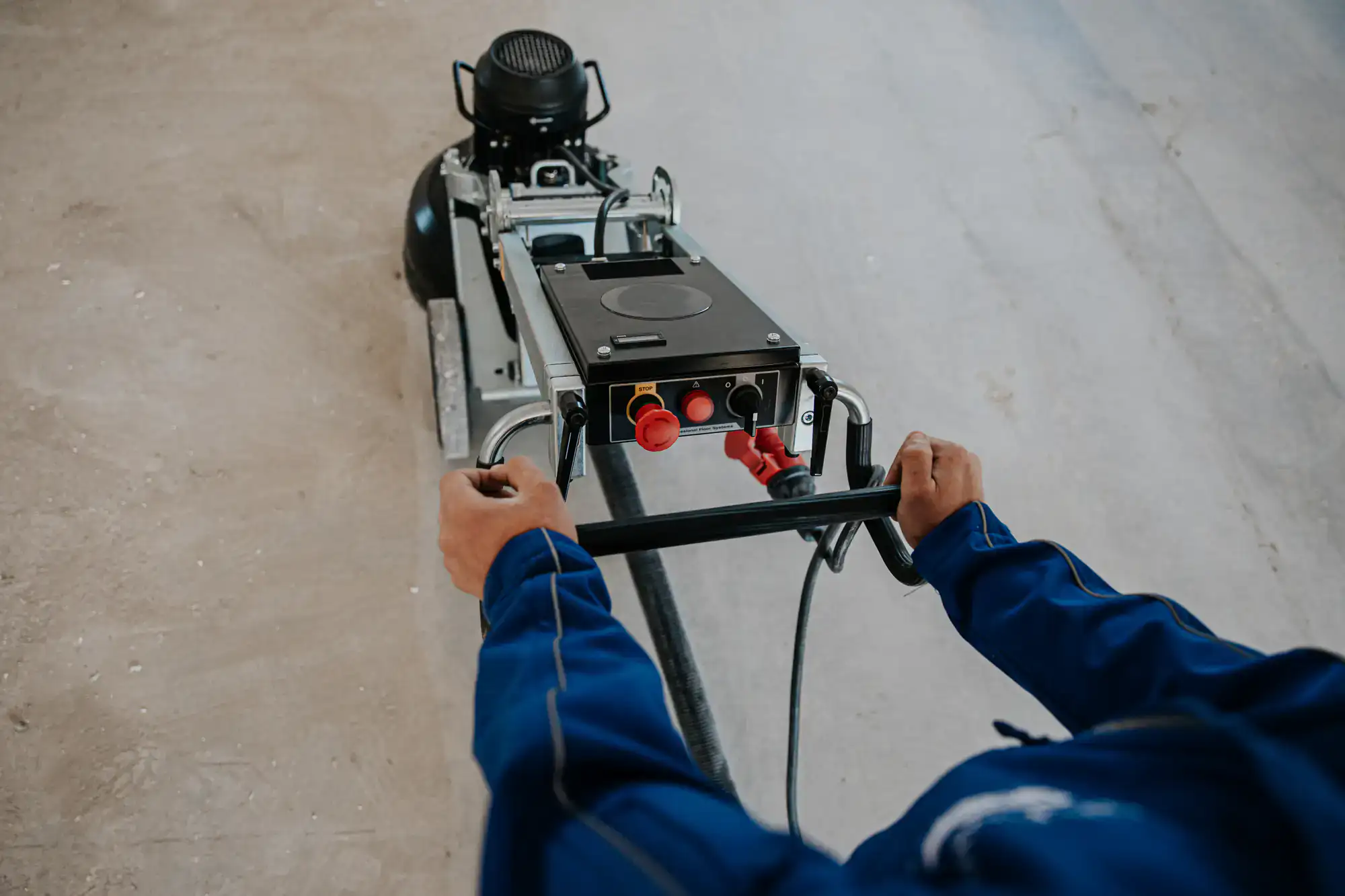
We start with the concrete preparation that most contractors skip. Shot-blasting, diamond grinding, or scarifying—whatever your slab needs to create the right surface profile. This isn’t optional in Florida’s climate.
Next, we repair any cracks or imperfections in your concrete. The epoxy can only be as good as what’s underneath it, so we make sure that foundation is solid.
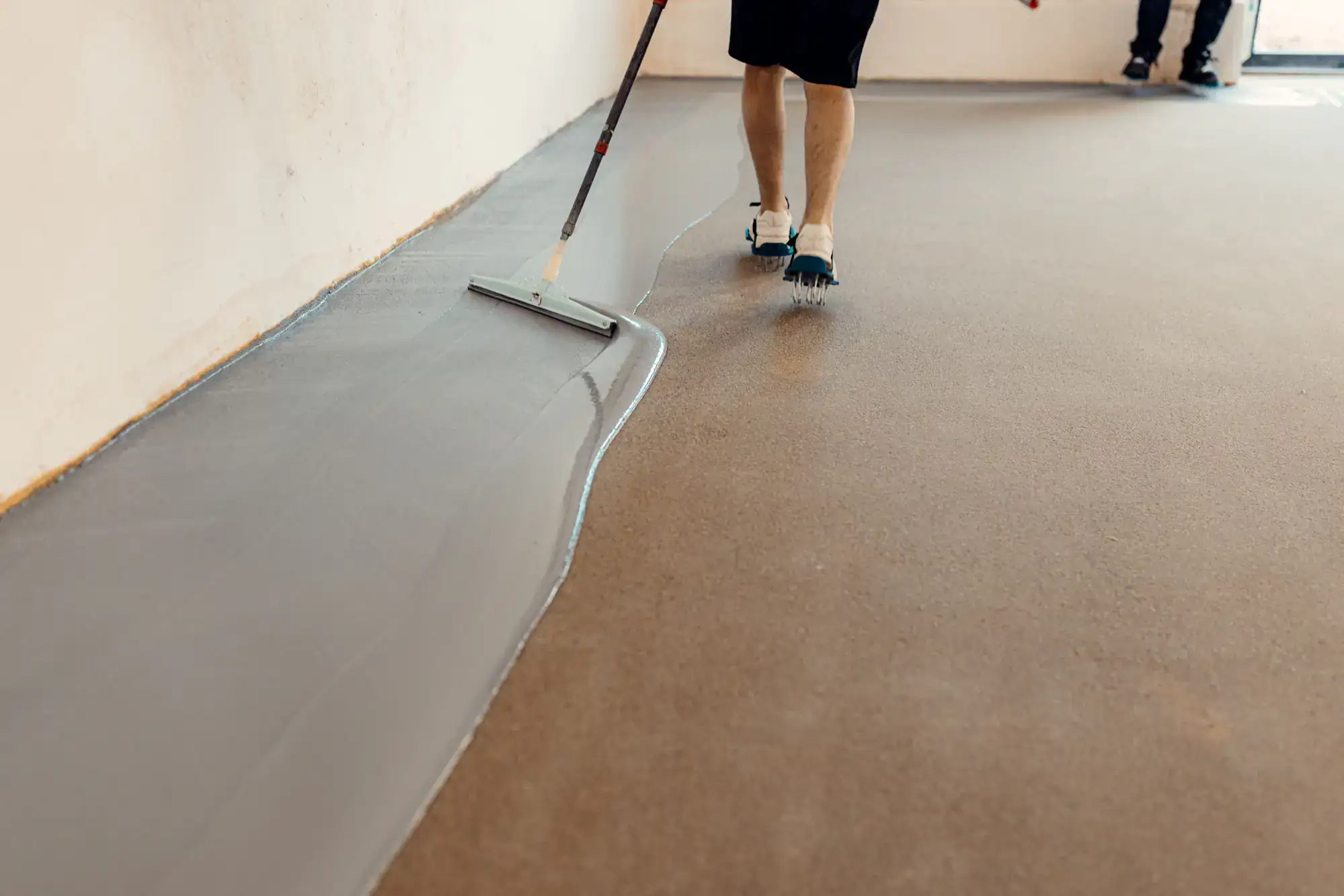
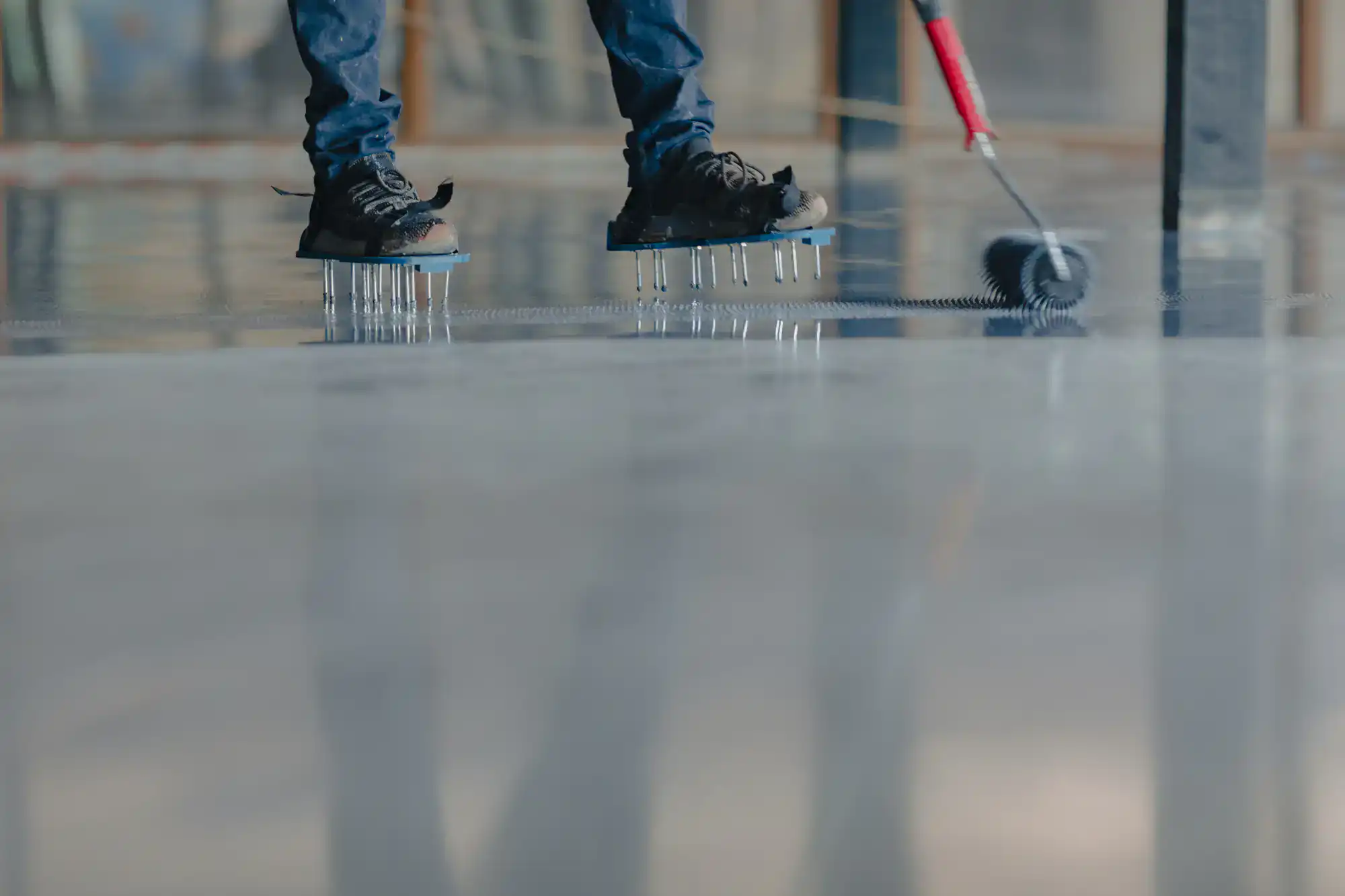
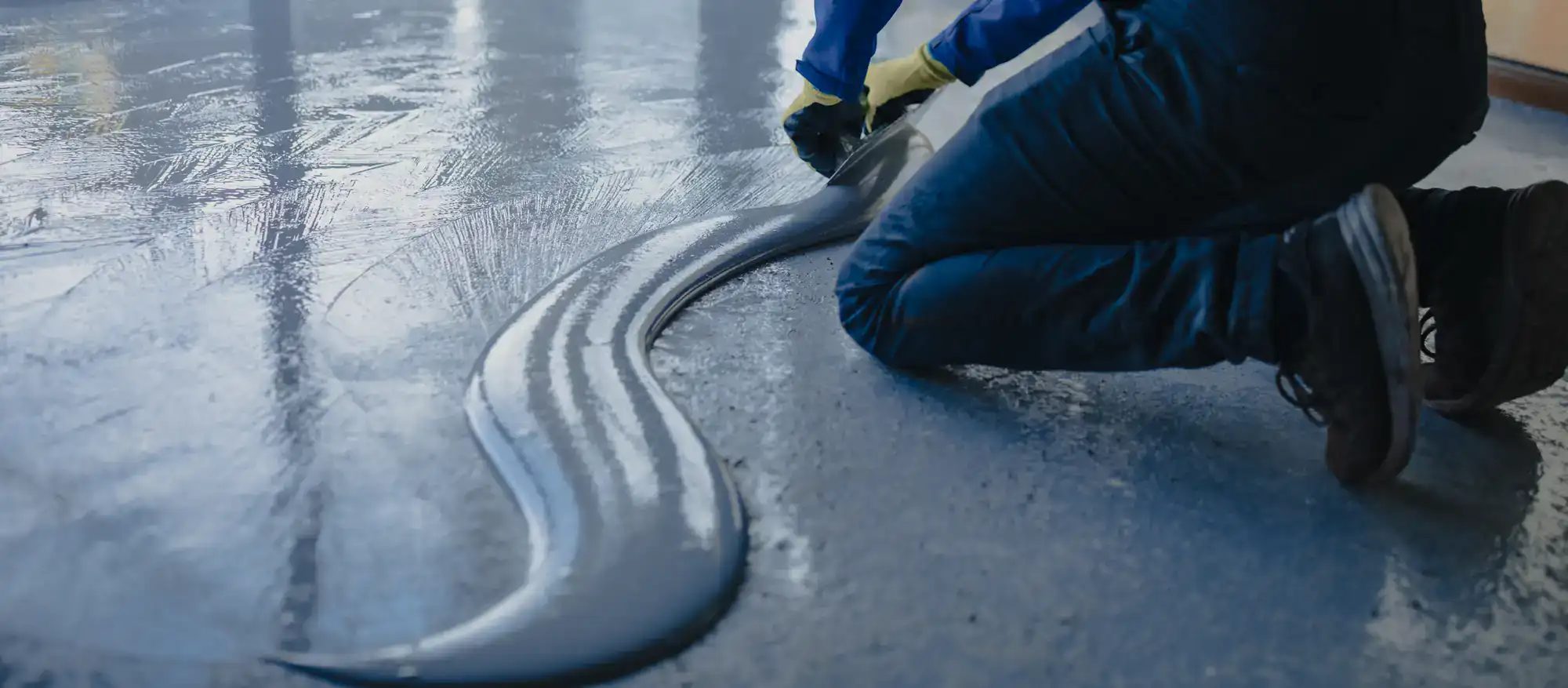
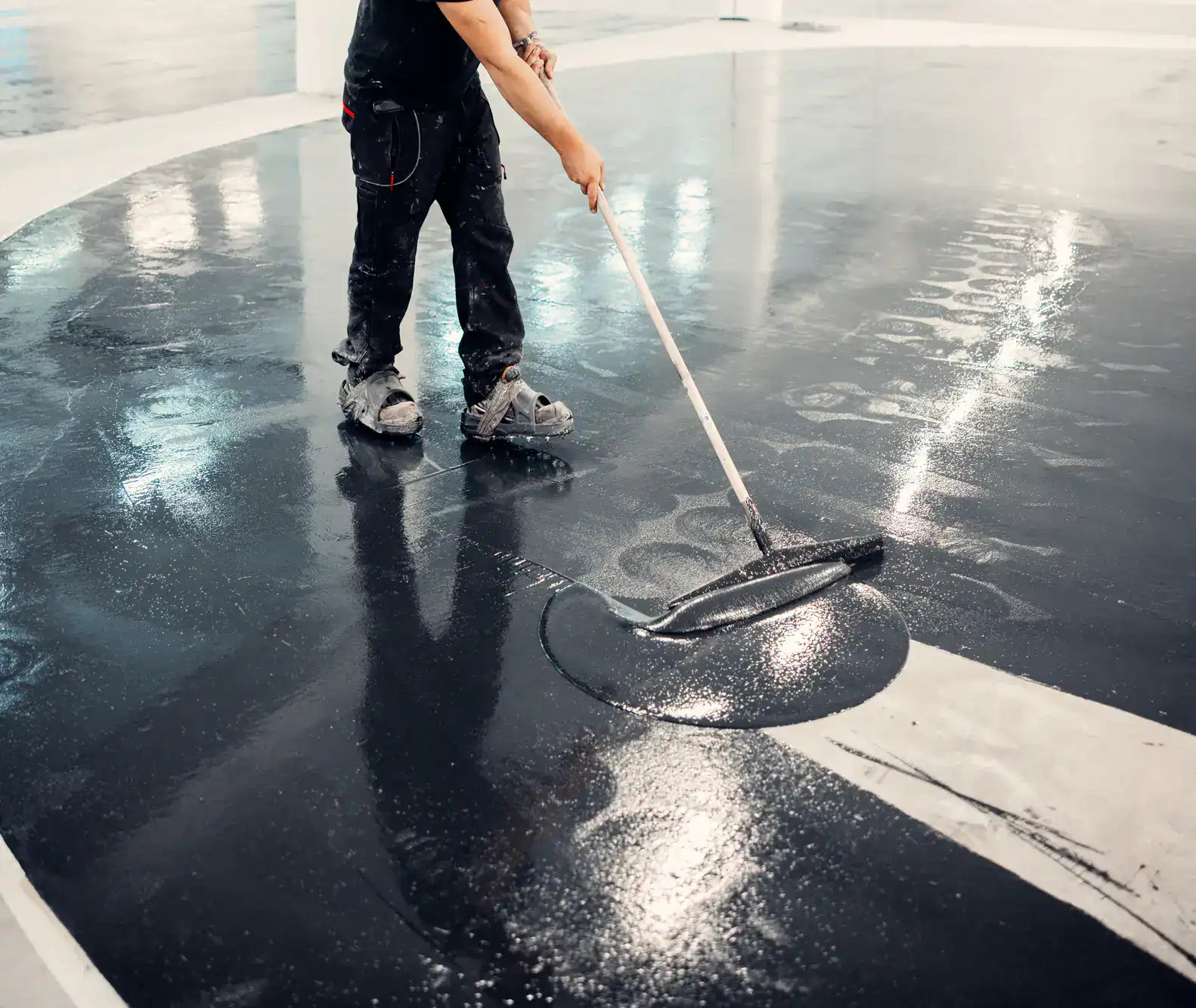
Then comes the actual epoxy application. We adjust our formulations based on humidity readings and temperature conditions because Florida weather doesn’t follow the textbook. Our crew knows how to work with the climate, not against it.
The final step is the cure process. We don’t rush this part, even when customers are eager to use their space. Proper curing is what separates floors that last from floors that fail.
Ready to get started?
Westgate Flooring Solutions Available
Your epoxy system includes complete surface preparation, crack repair, primer application, and the epoxy coating itself. We also include any necessary moisture barriers because Westgate’s location means dealing with humidity year-round.
For residential applications, we typically recommend our decorative flake systems or metallic epoxy options. These give you the durability you need with the aesthetics that make sense for your space. Commercial and industrial clients usually need our heavy-duty urethane systems that handle chemical exposure and heavy traffic.
In Westgate specifically, we see a lot of requests for garage floor coatings and pool deck resurfacing. The proximity to the coast means salt air exposure, and our formulations account for that. We also work on plenty of interior commercial spaces where businesses need floors that can handle Florida’s foot traffic without showing wear.
How long does epoxy flooring last in Florida’s climate?
With proper installation and materials designed for Florida’s conditions, epoxy flooring typically lasts 10-15 years before needing a recoat. The key is using commercial-grade formulations that can handle humidity and temperature fluctuations.
Most failures happen within the first two years due to inadequate surface preparation or using residential-grade materials in Florida’s demanding climate. When we install systems using manufacturers like Carboline and Laticrete, with proper moisture barriers and climate-specific application techniques, you’re looking at decades of performance.
The recoat process after 10-15 years is straightforward and costs a fraction of full replacement, making epoxy one of the most cost-effective long-term flooring solutions for Florida properties.
What makes epoxy flooring fail in humid climates like Westgate?
The biggest culprit is moisture trapped under the coating during installation. Florida’s humidity can slow curing times and create weak bonds if not managed properly.
Temperature fluctuations also stress the material. When it goes from 85 degrees to 60 degrees overnight, improperly installed epoxy will crack or peel. We prevent this by using flexible formulations and allowing for thermal expansion in our application process.
Poor surface preparation is the other major cause. If there’s any oil, grease, or moisture on the concrete when we apply the epoxy, it won’t bond properly. That’s why we spend so much time on prep work—it’s what separates successful installations from expensive do-overs.
Can you install epoxy flooring during Florida’s rainy season?
Yes, but it requires careful planning and climate control. We monitor humidity levels and use dehumidifiers when necessary to create the right conditions for installation.
The key is controlling the environment during the curing process. We can work around rain, but we need to ensure the concrete is completely dry and that humidity levels stay within acceptable ranges during the 24-48 hour cure window.
We often recommend scheduling installations during Florida’s drier months (November through April) when possible, but emergency repairs and commercial projects can’t always wait. When we do work during humid conditions, we adjust our formulations and extend cure times to ensure proper bonding.
What’s the difference between residential and commercial epoxy systems?
Commercial systems are designed for heavier traffic, chemical exposure, and more demanding conditions. They typically use thicker applications and more robust topcoats that can handle everything from forklift traffic to chemical spills.
Residential systems focus more on aesthetics and moderate durability. You’ll see more decorative options like metallic finishes and color flakes, but the underlying chemistry is still designed to handle Florida’s climate challenges.
The installation process is similar, but commercial jobs often require specialized primers, multiple coats, and longer cure times. Commercial clients also typically need systems that meet specific safety and performance standards, which affects material selection and application techniques.
How do you handle moisture issues in concrete slabs?
We start with moisture testing using calibrated meters to measure vapor transmission rates. If levels are above 4%, we install moisture barriers before applying any epoxy coatings.
For slabs with significant moisture issues, we use specialized primers that can handle higher moisture levels while still providing strong adhesion. In extreme cases, we might recommend moisture mitigation systems that actually redirect vapor away from the surface.
The key is identifying moisture problems before installation, not after. Once epoxy starts bubbling or peeling due to moisture, the only fix is removal and reinstallation with proper moisture control measures in place.
What maintenance does epoxy flooring require in Florida?
Regular cleaning with pH-neutral cleaners is the main requirement. Florida’s humidity can promote mold growth if spills aren’t cleaned promptly, so we recommend addressing any moisture within 30 minutes.
UV protection is important for areas with direct sunlight exposure. We typically apply UV-resistant topcoats, but reapplication every few years helps prevent fading and surface degradation from Florida’s intense sun.
Inspect for small cracks during seasonal humidity shifts, especially around expansion joints. Catching and sealing minor issues early prevents water infiltration that can compromise the entire system. Most of our clients find that annual professional inspections catch problems before they become expensive repairs.
Other Services we provide in Westgate